


A place such as Kandy does not attempt to WOW everyone at once, right from the onset, especially if one is looking for a travel guide to Kandy. A first look at Kandy reveals that it is quite bustling and compact, hugging a lake and nestling between hills. However, the longer one is there, the more levels come into view. Cultural patterns dictate life at such locations. Affiliation with faith is seamlessly woven with the fabric of life. History is not something that hangs behind museum cases but something that walks with one on the streets, during rituals, and during all conversations.
For tourists seeking credible travel information and national-level advice, the Sri Lanka Tourism Development Authority offers a perspective on Kandy and its significance from the official destination resources they offer.
👉 Sri Lanka Tourism – Kandy destination guide
For those considering a longer connection with the city beyond visiting, understanding the practical and legal aspects of settling here is essential, which is covered in this detailed guide on buying property in Kandy.
Unlike destinations built primarily for tourism, Kandy feels lived in. Locals go about their day alongside pilgrims, students, monks, and visitors. Because of this, the city does not feel staged. It feels real. This travel guide to Kandy captures that sense of authenticity. This often becomes one of the strongest impressions travelers take with them, as noted in any good Kandy travel guide.
Why Kandy Holds a Special Place in Sri Lanka
Kandy is situated within the central highland region and always retained a special status within the identity of Sri Lanka as a whole. This was once the final capital of the country and one of the most important ones till date. Many visitors come to Kandy being familiar with it as the land of the Temple of the Sacred Tooth Relic, among other monuments and landmarks, drawing upon a full Kandy travel guide. There are indeed quite a few hidden gems to be uncovered, as described within the guide to travel Kandy provided later.
The city has also remained a culture and spiritual hub. Routines and rituals have become a normal part of life and are not special events performed for the benefit of visitors as in other cities around the world. Such continuity gives Kandy a richness that is difficult to articulate but easy to feel and appreciate as discussed in this Kandy travel guide.
“Everything in a picture should be related to and come out of what goes before and be related to what follows.” – Charles Baudelaire
What This Kandy Travel Guide Is Designed to Do
This Kandy travel guide is designed to help you understand the city beyond surface-level sightseeing. Instead of rushing through a checklist of attractions, it focuses on how Kandy works as a place. You will learn about traveling through Kandy with guidance on timing your visit, moving around comfortably, choosing where to stay, and experiencing local food and culture in a respectful way.
The aim is clarity rather than overload. Whether you are planning a short stop or several days in the city, this guide helps set realistic expectations. By the end, you should have a clear sense of what makes Kandy different, how to experience it at your own pace, and how it fits into a wider journey through Sri Lanka. This establishes it as an integral part of your travel experience, according to the guide on Kandy travel and exploration.
If you are looking for inspiration on meaningful experiences in Kandy, you can explore our full list of activities and sightseeing highlights here.
Where Is Kandy Located and Why Its Location Matters
Kandy’s Position in Sri Lanka’s Central Highlands
Kandy is located in the central highlands of Sri Lanka. It is surrounded by hills, forested slopes, and winding roads that shape how the city feels and functions. Unlike coastal destinations that open directly to the sea, Kandy is enclosed by its landscape. This natural setting influences everything from climate and daily routines to how visitors move through the city. It’s a key highlight in this Kandy travel guide.
Because of its elevation, Kandy generally feels cooler than lowland cities, especially during mornings and evenings. While it is not cold, the softer temperatures make walking more comfortable and sightseeing less exhausting. At the same time, the hills slow travel. Distances that appear short on a map often take longer to cover, which encourages a slower pace.
Why Kandy Is a Natural Travel Transition Point
From a travel-planning perspective, Kandy sits at an important crossroads. Many journeys through Sri Lanka naturally pass through the city. Travelers coming inland from Colombo often reach Kandy as their first major stop away from the coast. Likewise, those leaving the hill country or tea-growing regions frequently pass through Kandy on their way to other parts of the island, as highlighted in any detailed Kandy travel guide.
This makes Kandy both a destination and a connector. Some travelers stay only one or two nights, while others use it as a base for exploring surrounding regions. Either way, its location makes it difficult to bypass completely. Therefore, understanding the city matters even for short visits.
How Location Affects Day Trips and Planning
Kandy’s location places it close to several cultural and natural sites. However, geography plays a role in how realistic day trips feel. Roads curve through hills rather than running straight, and travel times can vary. A well-planned Kandy travel guide suggests planning fewer activities per day. This usually leads to a better experience.
Many visitors appreciate that Kandy sits close enough to major heritage areas to allow exploration. Yet it is far enough to maintain its own identity. Evenings in the city often feel calmer than daytime sightseeing hours, giving travelers space to slow down and reflect.
Many travelers include Kandy as part of a wider heritage journey through Sri Lanka’s ancient capitals. If you’re planning a multi-destination route, my Sri Lanka Cultural Triangle itinerary offers a complete 7-day travel plan that connects Kandy with Sigiriya, Polonnaruwa, and other historic sites.
Accessibility and Transport Connections
Another reason Kandy’s location matters is accessibility. The city is well connected by train and bus. This makes it one of the easiest inland destinations to reach without hiring a private vehicle. This accessibility attracts a wide mix of travelers, including backpackers, families, pilgrims, and local visitors—a vital consideration in this travel guide to Kandy.
As a result, Kandy has developed services, accommodation options, and food choices that suit different budgets and travel styles. Understanding its geographic position helps explain why the city feels busy yet balanced. It also explains why it often becomes a natural pause point rather than a rushed stop.
Many travelers also choose to experience the famous train from Kandy to Ella, which is one of the most scenic railway journeys in Sri Lanka and a memorable way to explore the hill-country landscape.
Why Kandy Is Culturally and Historically Important in Sri Lanka
The Last Royal Capital and Its Lasting Influence
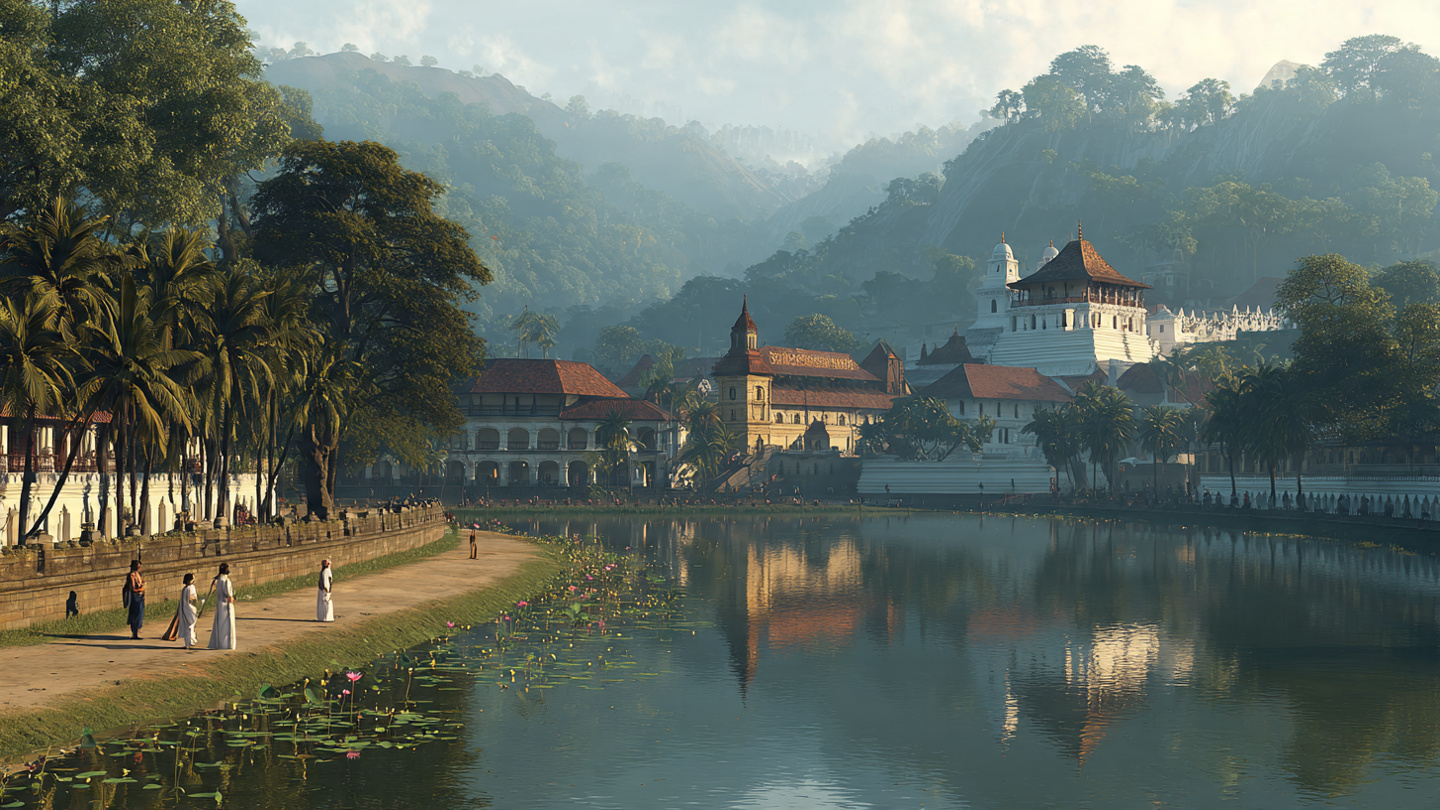
Kandy was the final royal capital of Sri Lanka, and this fact still shapes the city’s identity today. Long after other kingdoms fell, Kandy remained independent, protected by geography and strong local leadership. This resistance allowed traditions, governance systems, and religious practices to develop with less outside influence than in coastal regions.
Because of this history, Kandy became more than a political center. It evolved into a symbol of cultural continuity. Even after colonial rule ended the Kandyan Kingdom, the city retained its role as a guardian of national heritage. Visitors often sense this immediately. There is a feeling that customs here are not reenacted for tourism, but practiced because they still matter.
Spiritual Importance and Daily Religious Life
One of the strongest reasons Kandy holds cultural importance is its role as a spiritual center. The city is closely tied to Buddhism, and religious practice remains woven into everyday routines. Temples are not isolated attractions. They are part of daily life, with locals stopping to offer flowers, light lamps, or sit quietly in reflection.
This spiritual presence shapes the rhythm of the city. Bells, chants, and processions appear naturally rather than on fixed schedules. For travelers, this means cultural encounters often happen unexpectedly. Respectful observation becomes more meaningful than trying to capture every moment.
Living Traditions Rather Than Preserved Displays
What sets Kandy apart is how traditions continue without being frozen in time. Dance, music, craftsmanship, and ceremonial practices are passed down through families and communities. These traditions appear during festivals, but they also surface in smaller, everyday forms.
Rather than feeling like performances staged for visitors, many cultural expressions in Kandy serve a local purpose first. This authenticity is one reason the city feels grounded. Travelers who approach with patience often gain a deeper understanding of Sri Lankan culture here than in places designed primarily for sightseeing.
Festivals and Collective Memory
Kandy’s festivals play a major role in preserving collective memory. Events like the Esala Perahera are not simply spectacles. They are expressions of history, belief, and community identity. Preparation begins long before the festival itself, involving temples, artists, and families across the city.
Even outside festival seasons, traces of this shared memory remain visible. Decorations, stories, and rituals connect the present to the past. For visitors, understanding this context adds depth to every experience, whether attending a ceremony or simply walking through the streets.
Why Cultural Context Matters for Travelers
Understanding Kandy’s cultural and historical importance helps travelers interact more thoughtfully with the city. Simple actions like dress choices, behavior at religious sites, and timing visits around prayer hours become easier when context is clear.
More importantly, this awareness transforms a visit from observation to connection. Kandy rewards those who approach it with curiosity and respect. Its history is not locked away. It continues to shape how the city lives, moves, and welcomes those who arrive with open expectations.
Kandy’s global cultural value is further reinforced by its international recognition, which is officially documented through the UNESCO World Heritage listing for the Sacred City of Kandy.
👉 UNESCO World Heritage listing for the Sacred City of Kandy
Best Time to Visit Kandy and How Seasons Shape the Experience
Understanding Kandy’s Year-Round Climate
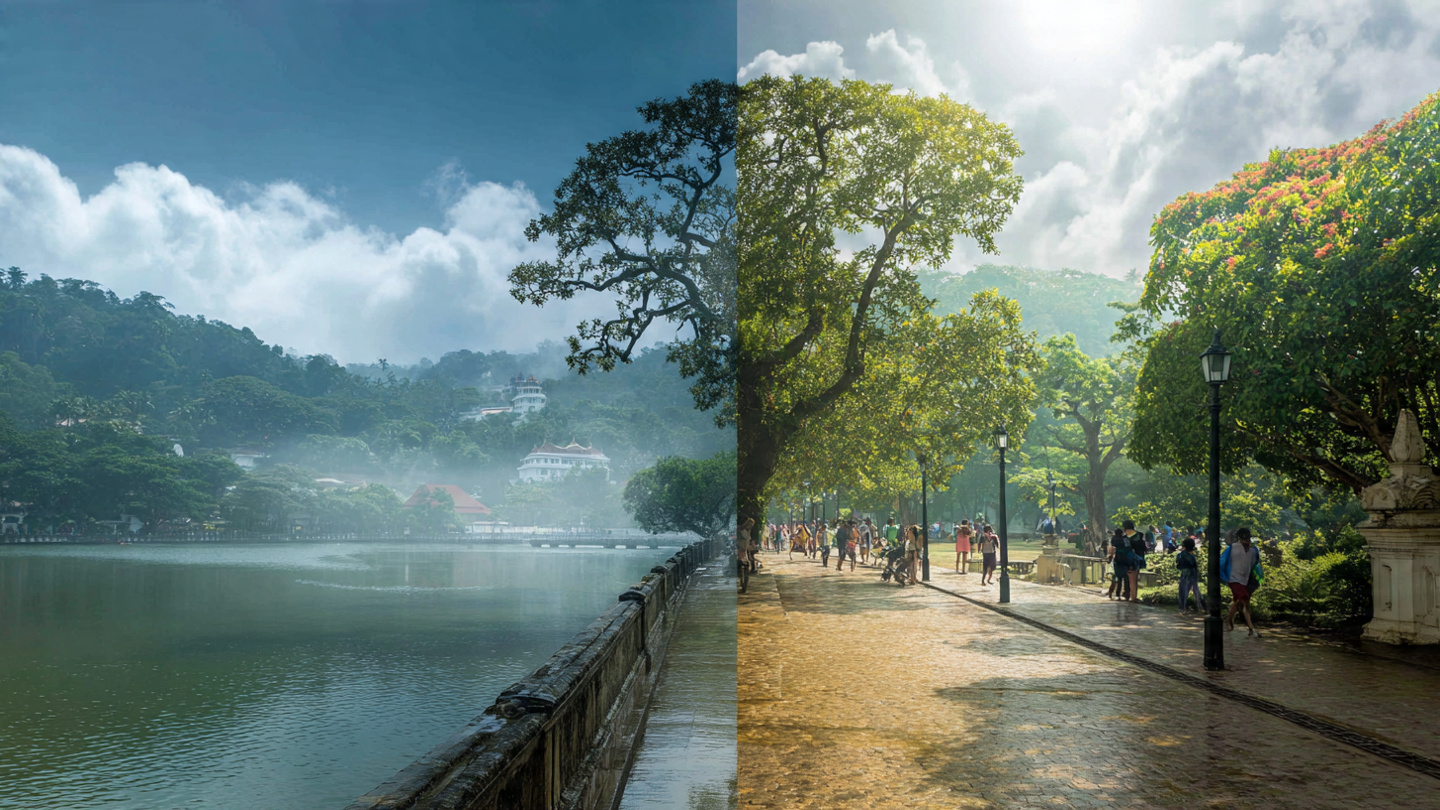
Kandy experiences a mild, tropical climate influenced by its hill-country location. Temperatures stay fairly stable throughout the year, which means heat rarely becomes overwhelming. However, rainfall patterns strongly affect how the city feels on a daily basis.
Instead of sharp seasonal changes, Kandy moves through subtle shifts. Some months feel fresh and green after rain, while others feel drier and brighter. Travelers who understand these patterns can plan more comfortably and avoid unnecessary frustration.
Dry Season and Ideal Sightseeing Months
The driest and most comfortable months usually fall between January and April. During this period, mornings feel clear, evenings stay pleasant, and walking around the city feels easy. These months suit travelers who want to explore temples, walk around the lake, and visit nearby attractions without frequent interruptions from rain.
Because conditions feel reliable, visitor numbers increase during this time. Accommodation prices may rise slightly, and popular spots can feel busier. Still, the overall experience remains relaxed compared to coastal peak seasons.
Monsoon Periods and What to Expect
Kandy experiences two monsoon influences rather than one continuous rainy season. Rain often arrives in short bursts rather than all-day downpours. These showers cool the air and deepen the greenery, giving the city a softer and calmer appearance.
Travelers who visit during these months often enjoy fewer crowds and quieter streets. However, outdoor plans may require flexibility. Carrying light rain protection and planning indoor activities between showers helps maintain a smooth itinerary.
Festival Season and Cultural Timing
Timing a visit around major cultural events can transform the experience. The Esala Perahera, usually held between July and August, draws both pilgrims and visitors from across the country. Drumming, dancing, and processions fill the streets, creating an atmosphere unlike any other time of year.
During festival periods, accommodation fills quickly, and traffic increases. Travelers who enjoy cultural immersion often find this season deeply rewarding. Those who prefer quieter exploration may choose different months instead.
Choosing the Right Time Based on Travel Style
The best time to visit Kandy depends on how you like to travel. Those who enjoy structure and predictable weather often prefer the early months of the year. Travelers who value atmosphere, culture, and slower pacing may enjoy the monsoon or festival seasons more.
Rather than searching for a single perfect month, it helps to match timing with expectations. Kandy remains rewarding year-round when approached with the right mindset and a flexible plan.
Top Things to Do in Kandy for First-Time Visitors
Exploring Kandy Beyond a Single Landmark
A strong Kandy travel guide does not begin and end with one famous attraction. While many visitors arrive with a specific site in mind, the city rewards those who explore beyond the obvious. Daily life, cultural practices, nature, and simple routines combine to create the full experience of visiting Kandy.
For first-time travelers, it helps to think of Kandy as a city best explored in layers. Some experiences feel spiritual, others feel natural or social. Moving between them creates balance and prevents fatigue.
What a great guide! Very knowledgeable, great driver, polite, pleasant and calm. I totally recommend seeing Kandy with him.
Read more reviews on Tripadvisor
Walking Around Kandy Lake and the City Center
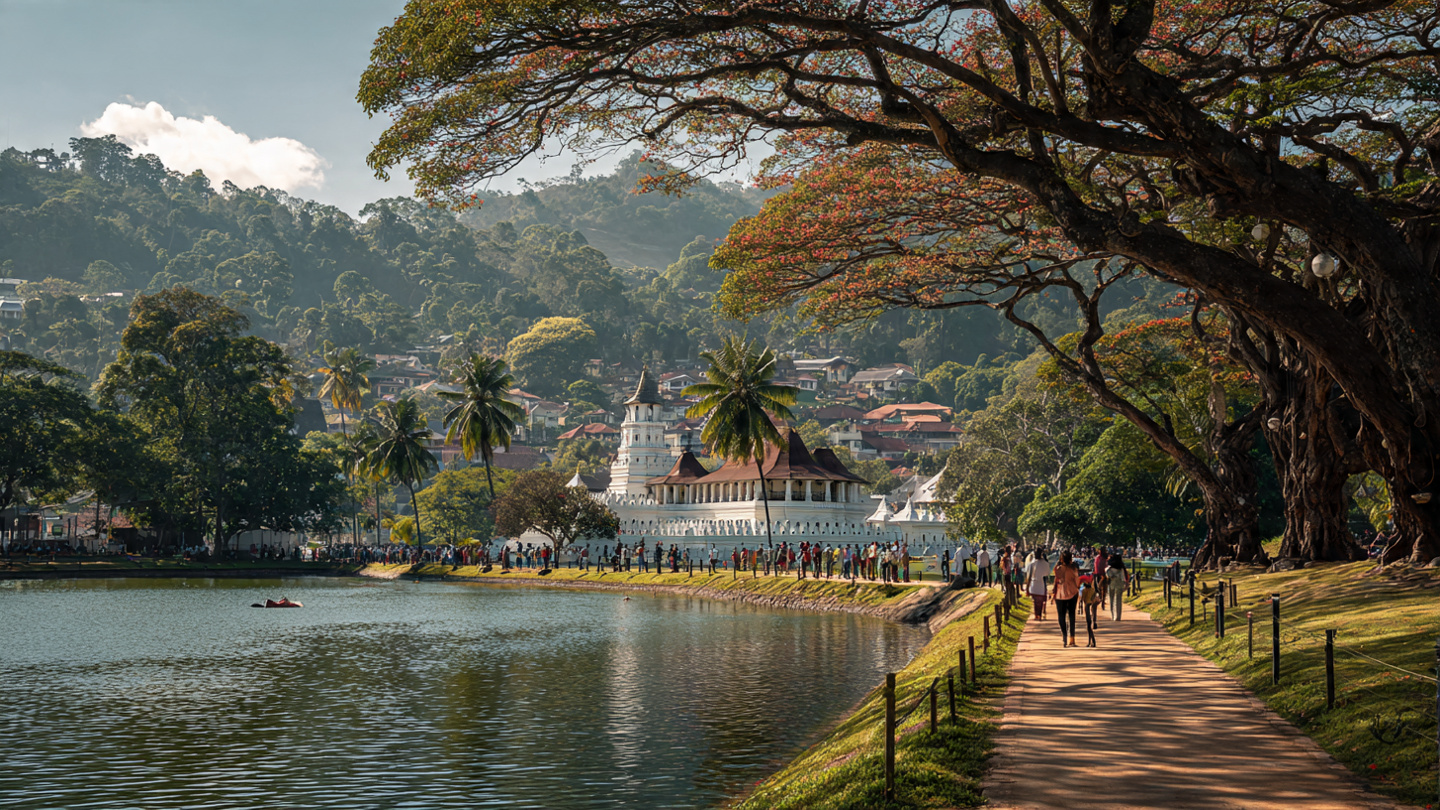
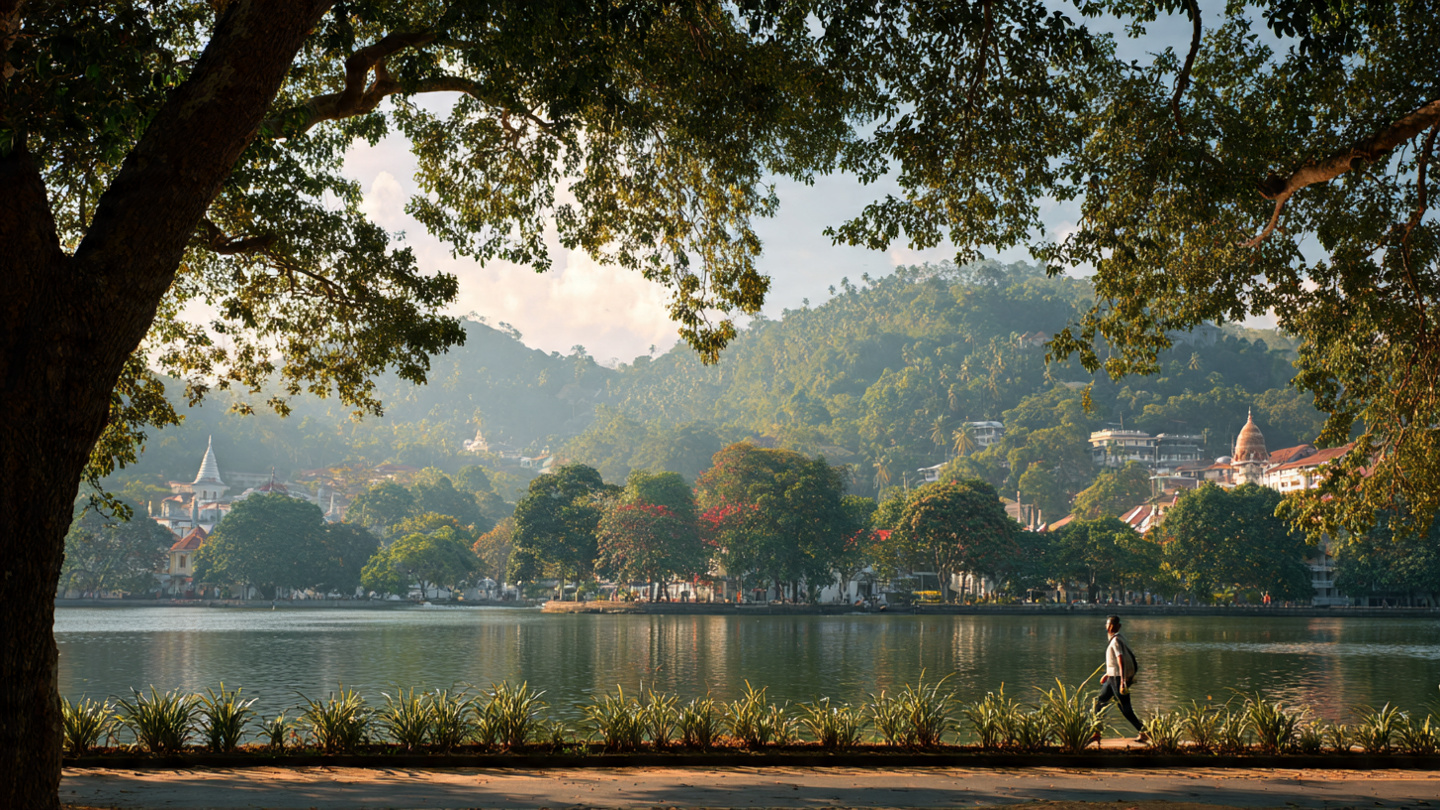
One of the simplest ways to begin exploring Kandy Sri Lanka is on foot. The area around Kandy Lake offers an easy introduction to the city’s rhythm. Locals walk, vendors pause for conversation, and pilgrims pass quietly toward temples. This walk helps visitors orient themselves without pressure.
From a travel guide to Kandy perspective, this area works well early in the day or near sunset. Traffic noise softens, and the city feels more open. Even short walks provide insight into how Kandy functions as a living city rather than a tourist zone.
A calm and beautiful lake which is great for a stroll. The sights change as you move around the edge of the lake. A great place to visit when in Kandy.
Read more reviews on Tripadvisor
Cultural Experiences That Shape the Kandy Travel Guide
Culture plays a central role in any Kandy travel guide. Traditional music, dance, and ritual appear in both formal settings and daily life. Cultural performances offer a structured introduction, while informal encounters often leave a stronger impression.
Visitors who pay attention to small details notice more. Temple offerings, dress customs, and respectful silence communicate values without explanation. Observing these moments helps travelers understand Kandy beyond surface-level sightseeing.
Nature and Green Spaces Within the City
Although Kandy feels busy at times, nature remains close. Forested areas, hill views, and shaded paths offer quiet escapes without leaving the city. For travelers following a Kandy travel guide that values balance, these spaces provide relief from crowds and traffic.
Spending time in green areas also changes pacing. Slower movement encourages reflection and makes longer stays feel lighter. Many visitors remember these quiet moments more clearly than crowded attractions.
Viewing Points and Changing Perspectives
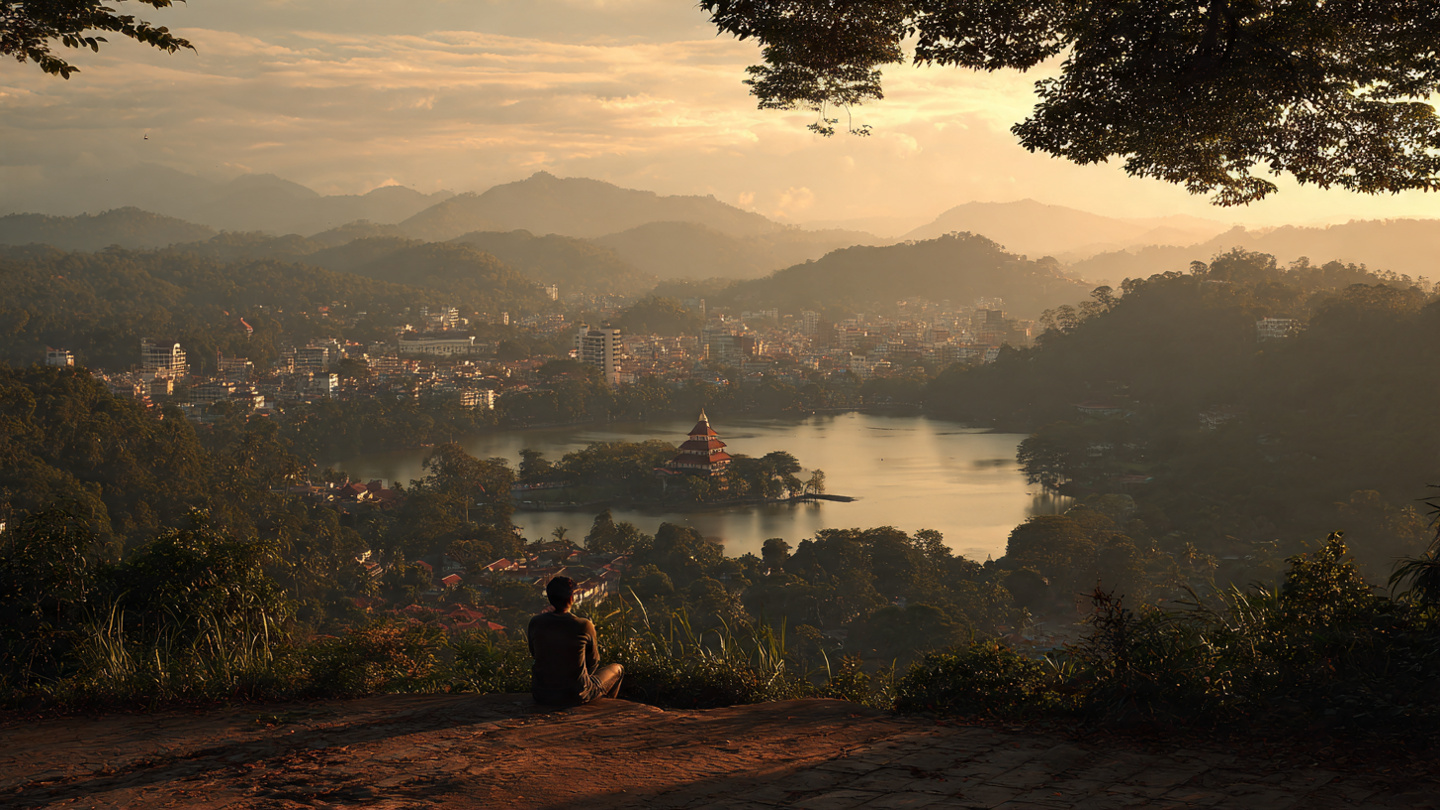
Higher viewpoints around Kandy offer a different understanding of the city. From above, the lake, temples, and rooftops form a compact landscape shaped by hills. These perspectives help travelers grasp how geography influences daily life.
A well-rounded travel guide to Kandy includes time for these pauses. Looking down on the city often reveals patterns that feel invisible at street level. It also reinforces why Kandy encourages slower exploration rather than constant movement.
Why These Experiences Matter for First-Time Visitors
For those visiting Kandy for the first time, variety matters more than volume. A balanced Kandy travel guide focuses on experience quality rather than checking off locations. Mixing walking, cultural observation, and quiet spaces prevents exhaustion and deepens understanding.
Rather than trying to see everything, first-time visitors benefit from choosing a few meaningful experiences and allowing time between them. This approach aligns naturally with how Kandy reveals itself.
Where to Stay in Kandy and How to Choose the Right Area
Understanding Accommodation Zones in Kandy
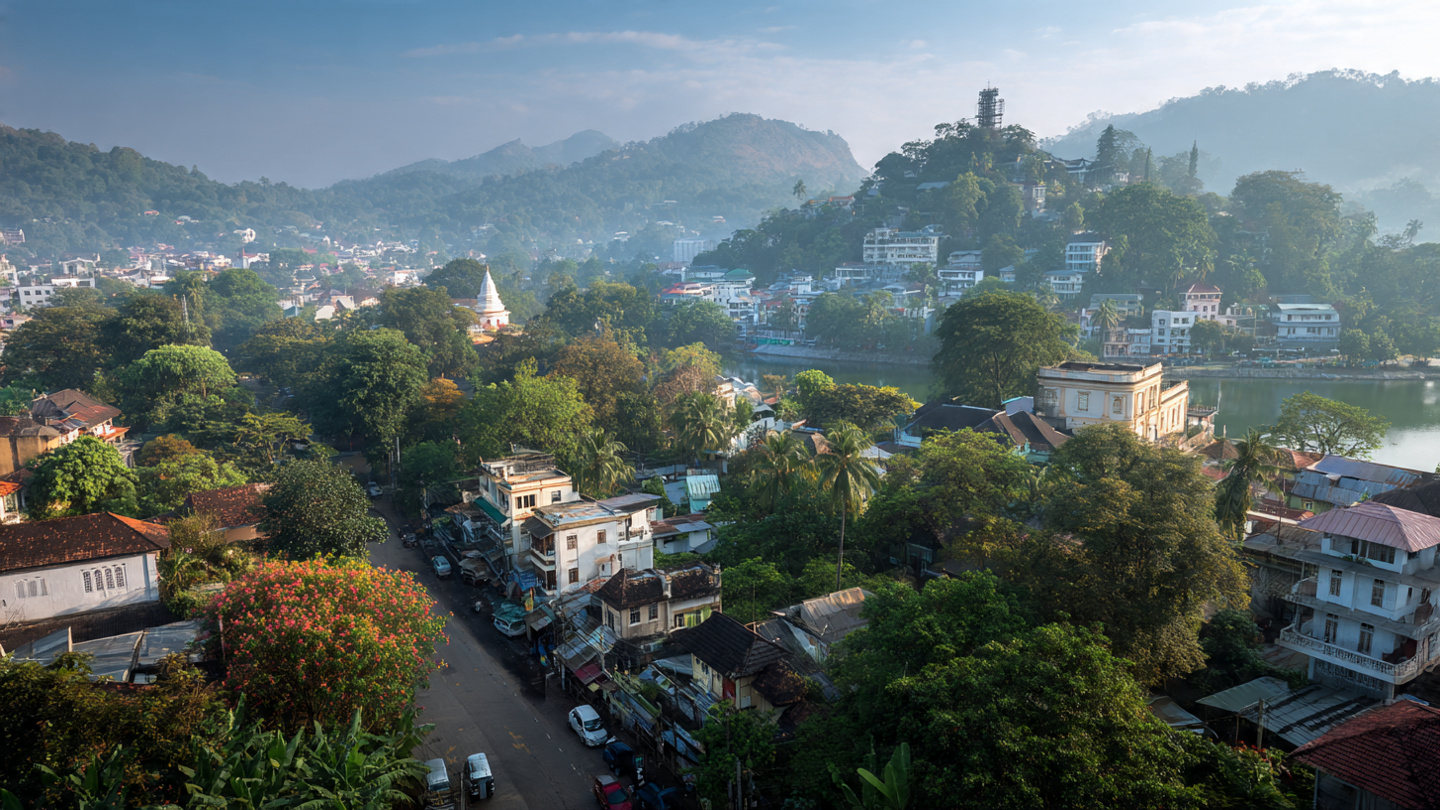
A practical Kandy travel guide helps you choose where to stay before comparing hotels. Kandy spreads across hills and valleys, and each area offers a slightly different experience. The city center feels busy and convenient, while hillside neighborhoods feel calmer and more scenic. Knowing this difference helps you match accommodation to your travel style.
Staying close to the center suits travelers who want short walks to temples, shops, and transport hubs. However, traffic and noise increase during peak hours. Hillside areas offer quieter nights and better views, though reaching the center often requires a short drive.
If you’re deciding where to base your stay during your trip, you can read my complete guide on Where to Stay in Kandy.
Staying in the City Center: Convenience First
For first-time visitors following a Kandy travel guide focused on ease, the city center works well. You can walk to many attractions, find food easily, and access buses or trains without planning ahead. This area suits short stays and travelers who prefer structure.
That said, city-center stays feel more intense. Noise, crowds, and movement continue throughout the day. If you plan early mornings and full days out, this energy may not matter. Light sleepers or slow travelers may prefer other areas.
A lovely relaxing hotel on the outskirts of Kandy. The staff were very attentive and helpful. Food was wonderful! Room was extremely comfortable and clean.
Read more reviews on Tripadvisor
Hillside Stays and Scenic Neighborhoods
Many travelers choose hillside areas when visiting Kandy Sri Lanka for relaxation. These neighborhoods offer cooler air, wider views, and quieter evenings. Mornings often feel calm, with mist lifting from the hills and birds replacing traffic noise.
From a travel guide to Kandy perspective, hillside stays suit longer visits. You trade walkability for comfort and atmosphere. Planning transport becomes important, but the payoff often feels worth it for travelers who value rest and space.
Budget, Mid-Range, and Higher-End Options
Kandy offers accommodation across all budget levels. Budget options suit backpackers and short stays, while mid-range places balance comfort and cost. Higher-end options often appear in hillside locations, where space and views add value.
A balanced Kandy travel guide encourages choosing based on experience rather than price alone. Cleanliness, location, and host reliability matter more than star ratings. Reading recent reviews and confirming access routes helps avoid surprises.
Matching Your Stay to Your Travel Style
Where you stay shapes how you experience Kandy. Travelers who plan full sightseeing days often prefer central locations. Those who enjoy mornings, evenings, and downtime benefit from quieter areas.
Rather than asking where the best hotel sits, ask how you plan to spend your time. A thoughtful choice aligns accommodation with rhythm, which improves the entire Kandy travel guide experience.
A beautiful small hotel whose emphasis is on calm, tranquility and wellness. Kandy is a very busy town and coming back to the hotel sets you back to a relaxed being.
Read more reviews on Trripadvisor
Food and Local Cuisine in Kandy
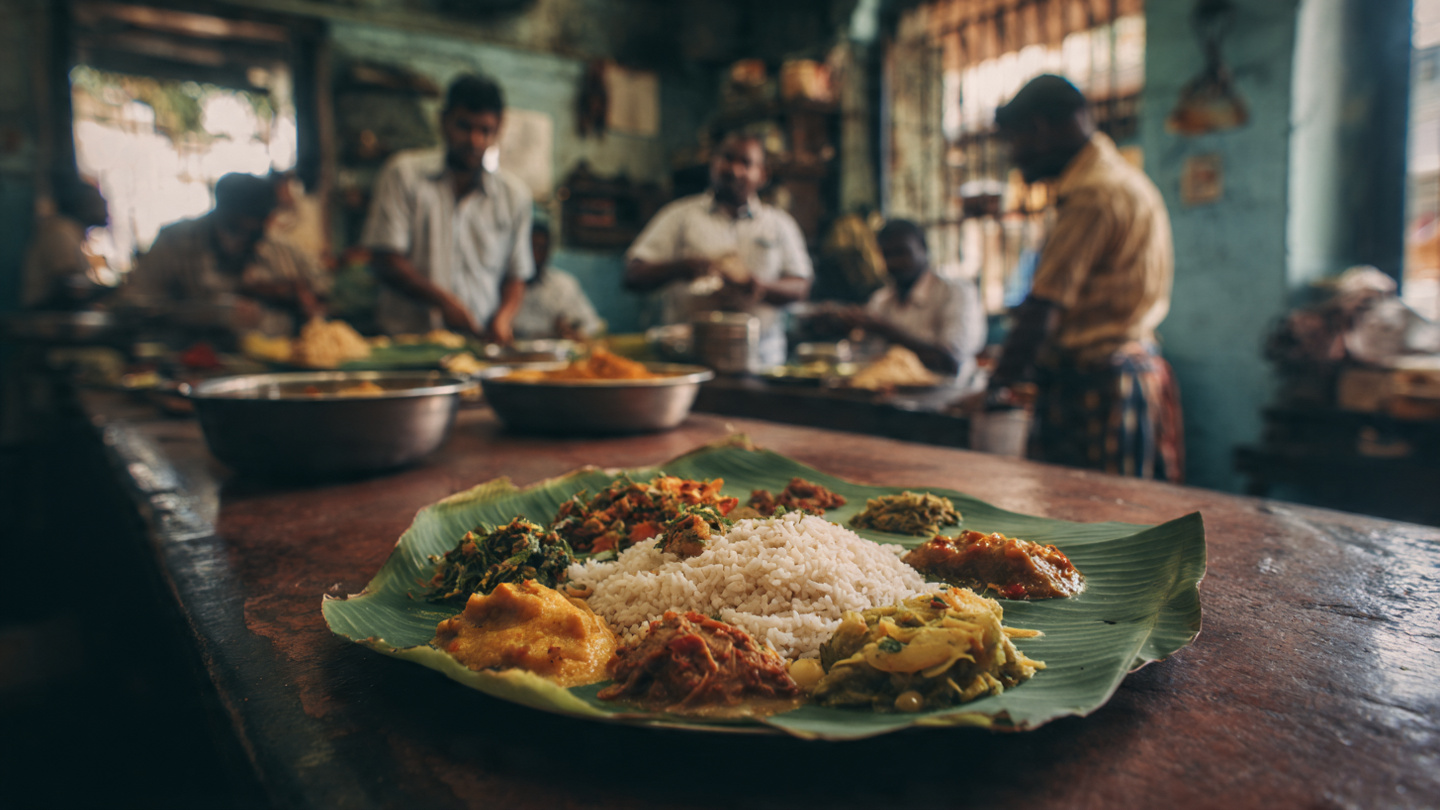
How Food Fits Into the Kandy Travel Guide Experience
Food plays a quiet but important role in any Kandy travel guide. Meals here reflect daily routines rather than staged culinary experiences. Locals eat simply, often at the same places every day, and timing matters as much as taste. Understanding this rhythm helps travelers eat well and avoid frustration.
Unlike major coastal cities, Kandy does not revolve around late-night dining. Many places close early, especially smaller local spots. Planning meals earlier in the day usually leads to better choices and fresher food.
Traditional Kandyan Flavors and Everyday Meals
When visiting Kandy Sri Lanka, rice and curry dominate most menus. However, Kandyan-style meals often feel milder and more balanced than spicy coastal dishes. Vegetables, lentils, and coconut-based preparations appear frequently, with meat served in smaller portions.
A good travel guide to Kandy encourages trying local lunch spots where workers eat. These places focus on speed and consistency rather than presentation. Portions feel generous, and flavors reflect everyday cooking rather than tourist expectations.
Local Eateries Versus Tourist Restaurants
Kandy offers both local eateries and tourist-oriented restaurants, often within walking distance of each other. Tourist restaurants usually provide wider menus and longer hours, which suits travelers arriving late or staying near the center. Prices tend to run higher, but comfort feels predictable.
Local eateries, on the other hand, reward curiosity. Menus may feel limited, yet food arrives fresh and fast. For travelers using a Kandy travel guide to explore culture through food, these places offer better insight into local habits.
Street Food and Snacks Around the City
Street food appears in small forms rather than large markets. Short eats like pastries, roti, and fried snacks sell throughout the day. These quick bites work well between sightseeing stops and help maintain energy without heavy meals.
Travelers who explore Kandy often find that snacks fill gaps better than large dinners. Choosing busy stalls usually signals freshness and quality. Observing what locals order helps guide safe choices.
Tea Culture and Casual Cafés
Although tea plantations sit outside the city, tea culture still shapes daily life. Cafés and small shops serve tea throughout the day, often paired with light snacks. These spaces offer simple rest points rather than long café sessions.
Including tea breaks in a Kandy travel guide makes sense. They slow the pace and create natural pauses between activities. Many travelers remember these quiet moments as clearly as major sights.
Eating Well Without Overplanning
Food in Kandy rewards flexibility. Instead of chasing specific restaurants, travelers benefit from observing patterns and adjusting timing. Lunch often matters more than dinner, and simple meals often feel more satisfying than elaborate plans.
A thoughtful Kandy travel guide treats food as part of daily flow rather than a checklist. Eating when locals eat and choosing places that feel active usually leads to the best experience.
If you’re in town, recommend stopping by. Breakfast was amazing, food good, friendly staff and reasonable prices. You won’t be disappointed
Read more reviews on Tripadvisor
If you’re looking for the best places to eat during your stay, including local restaurants, cafés, and takeaway options, read our full Best Restaurants and Food Delivery in Kandy guide for dining recommendations across the city.
Getting To and Around Kandy
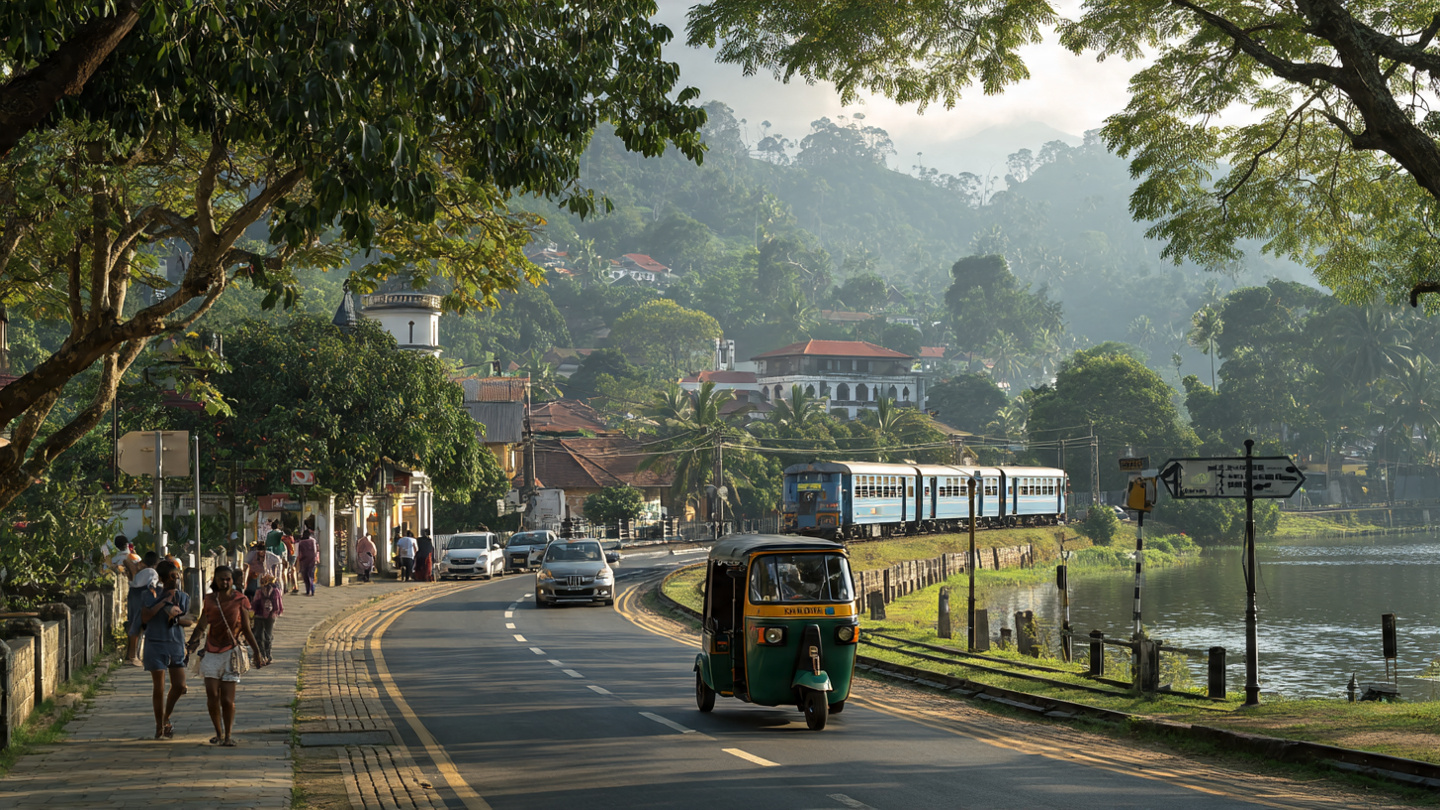
Reaching Kandy From Major Cities
Any practical Kandy travel guide starts with access. Kandy connects well to other parts of Sri Lanka, especially Colombo and the central regions. Most travelers arrive by train or bus, both of which operate frequently and suit different budgets.
Trains attract visitors who want scenery and a relaxed pace. Buses run more often and reach the city faster at certain times of day. Choosing between them depends on comfort preferences, luggage, and timing rather than cost alone.
Train Travel and What to Expect
Train journeys into Kandy feel slower but more scenic. The route passes through changing landscapes, which helps travelers adjust from coastal areas to the hill country. Seats fill quickly during peak periods, so planning ahead reduces stress.
For many visitors following a Kandy travel guide, the train offers more than transport. It sets the tone for a slower, more observant way of traveling. However, those on tight schedules may prefer buses or private vehicles.
For travelers planning rail journeys into the city, official schedules and route details can be checked directly through Sri Lanka Railways, which manages train services connecting Kandy with other major regions.
👉 Sri Lanka Railways official website
Bus Routes and Road Travel
Buses provide the most flexible option for reaching Kandy. Services run throughout the day and connect directly to city terminals. Travel times vary based on traffic and road conditions, so allowing extra buffer time helps.
Private drivers suit travelers who value comfort and control. This option costs more but removes uncertainty. A travel guide to Kandy often recommends this choice for families or those arriving late in the day.
Moving Around Within the City
Getting around Kandy requires patience rather than distance. Roads curve tightly around hills, and traffic builds during peak hours. Short trips can take longer than expected, especially near the city center.
Walking works well for central areas, especially early in the morning. For longer distances, tuk-tuks offer convenience. Agreeing on fares in advance keeps trips smooth and avoids confusion.
Using Tuk-Tuks and Local Transport
Tuk-tuks remain the most common way to move short distances in Kandy. Drivers know local roads well and navigate traffic more easily than larger vehicles. Many travelers rely on them throughout their stay.
A balanced Kandy travel guide suggests using tuk-tuks selectively. Walking helps you observe daily life, while short rides reduce fatigue. Mixing both creates flexibility without rushing.
Planning Transport With Realistic Timing
Transport planning shapes the entire experience of visiting Kandy. Rushed schedules often lead to frustration, while realistic timing allows space for adjustment. Leaving earlier in the day and avoiding peak traffic improves movement significantly.
Instead of focusing on distance, travelers benefit from focusing on time. This mindset aligns naturally with how Kandy functions and supports a calmer, more enjoyable stay.
Buying Property and Long-Term Stay in Kandy
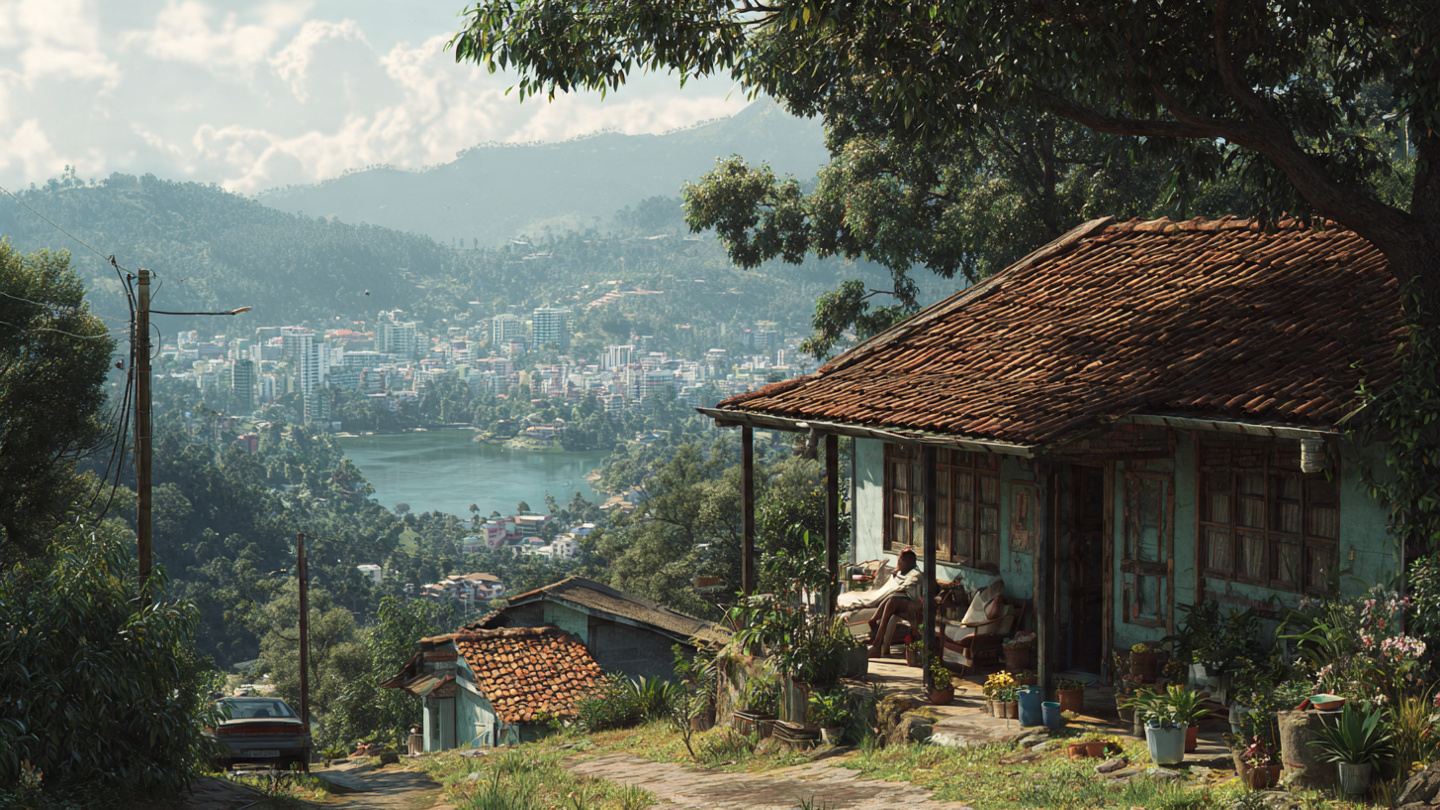
Why Some Travelers Consider Staying Longer
A well-rounded Kandy travel guide does not only speak to short visits. Many travelers begin with a few days in the city and later consider longer stays. Kandy’s slower pace, cooler climate, and strong cultural grounding appeal to people who want more than a quick travel experience.
Unlike fast-moving tourist hubs, Kandy encourages routine. Mornings feel predictable, neighborhoods develop familiar rhythms, and daily needs remain easy to manage. This sense of stability often draws retirees, remote workers, and long-stay visitors.
Living in Kandy Versus Visiting Briefly
Living in Kandy Sri Lanka feels very different from visiting. Daily life revolves around timing, local services, and neighborhood connections rather than sightseeing. Markets, small shops, and regular transport routes replace tourist planning.
A travel guide to Kandy that considers long-term stays highlights this shift. Short-term visitors often focus on central areas, while long-term residents choose quieter neighborhoods with better access to essentials. Comfort and routine matter more than proximity to attractions.
Overview of Property Interest in Kandy
Property interest in Kandy has grown steadily over time. Local buyers, returning residents, and some foreign investors show interest in houses rather than apartments. Hillside properties attract attention because of views and space, while areas closer to the city suit practical needs.
However, property processes require patience. Legal checks, ownership rules, and zoning regulations vary. Anyone considering property should treat this phase carefully and seek professional guidance rather than relying on assumptions.
Rental Options and Practical Considerations
Many long-term visitors choose to rent rather than buy. Rentals offer flexibility and reduce commitment. Houses, annexes, and small apartments appear across different neighborhoods, often through local contacts rather than online listings.
A thoughtful Kandy travel guide suggests spending time in the city before making decisions. Short-term rentals help travelers understand traffic patterns, noise levels, and daily routines. These insights matter more than first impressions.
Lifestyle Factors That Matter Long Term
Living in Kandy involves adapting to its rhythm. Shops close earlier, festivals affect traffic, and rain shapes daily plans. Those who embrace this pace often find the experience rewarding.
Healthcare access, schools, and community ties also influence long-term satisfaction. While Kandy offers strong services compared to smaller towns, expectations should remain realistic. Planning with patience leads to better outcomes.
Is Kandy Right for a Long-Term Stay?
Kandy suits people who value culture, routine, and balance over speed and nightlife. It may not fit those seeking constant entertainment or modern city intensity. Understanding this difference helps set clear expectations.
A Kandy travel guide that includes long-term perspectives allows travelers to see the city as more than a stop. For some, Kandy becomes a place to return to rather than pass through.
Practical Travel Tips for Visiting Kandy
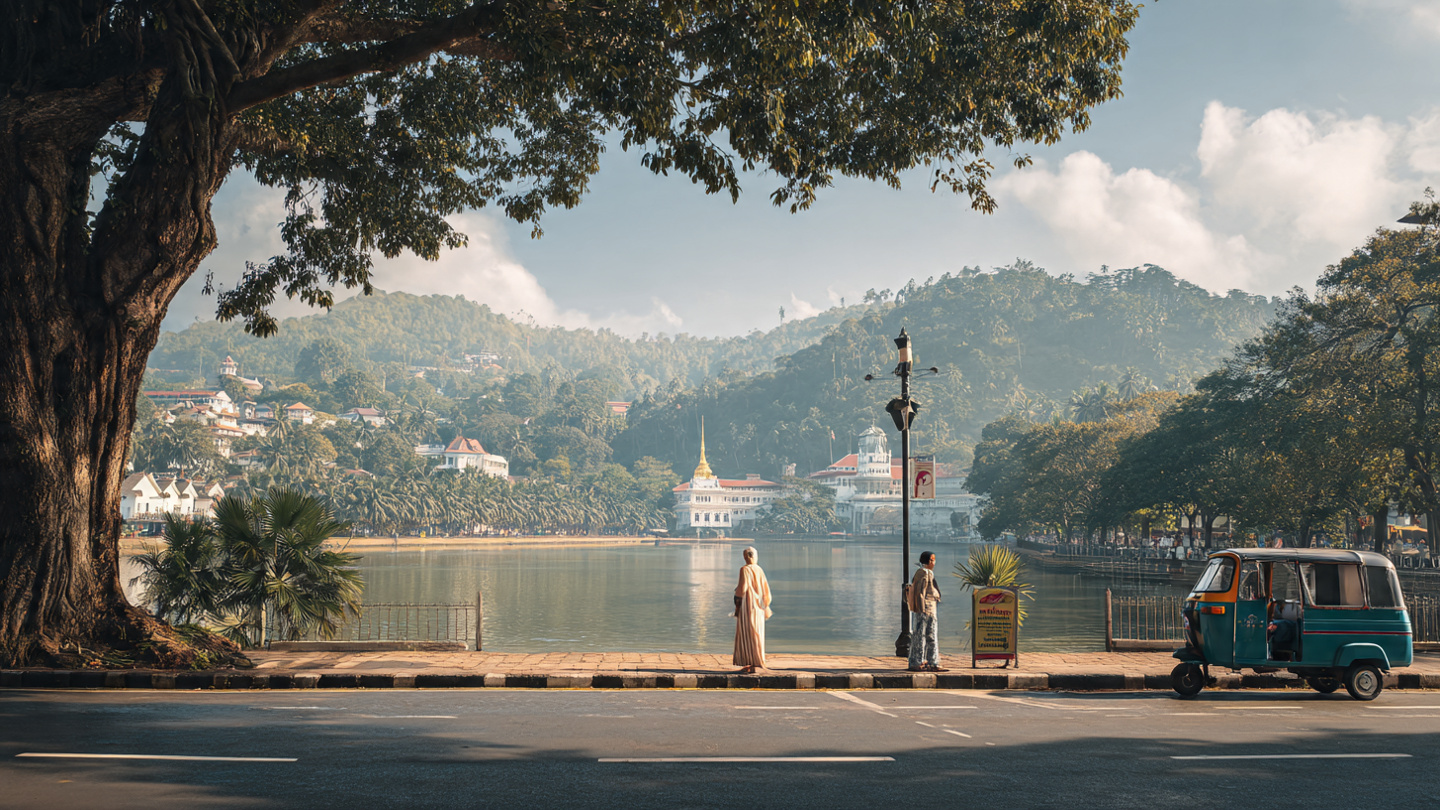
Understanding Local Etiquette and Daily Norms
A reliable Kandy travel guide prepares travelers for everyday interactions, not just attractions. Kandy follows traditional social norms, especially around religious spaces and public behavior. Modest clothing matters when entering temples, and quiet, respectful movement earns appreciation from locals.
Greetings remain polite and reserved. Smiles go a long way, but loud or rushed behavior often feels out of place. Observing how locals move and interact helps visitors blend in more naturally.
Dressing Comfortably and Respectfully
Clothing choices affect comfort and access. Lightweight fabrics work well due to humidity, but coverage remains important. Shoulders and knees should stay covered when visiting temples, even during hot weather.
Carrying a light scarf or shawl solves many situations easily. This small habit reduces stress and avoids last-minute adjustments. Comfortable footwear also matters, especially for walking around the city and removing shoes at religious sites.
Managing Money and Daily Expenses
Cash still plays an important role in Kandy. While larger hotels and restaurants accept cards, small shops and tuk-tuks usually prefer cash. Carrying small denominations helps with daily transactions.
Prices remain reasonable compared to major tourist cities, but budgeting prevents surprises. Negotiation works for transport and markets, though it should stay polite and fair. A calm approach keeps interactions positive.
Staying Connected and Using Mobile Services
Mobile coverage in Kandy remains strong, especially in central and residential areas. Local SIM cards offer affordable data and work well for navigation and communication. Most accommodations provide Wi-Fi, though speeds vary.
Using mobile maps helps with orientation, but local advice often proves more accurate. Asking directions often leads to helpful conversations and unexpected tips.
Health, Safety, and Personal Comfort
Kandy feels safe for most travelers, including solo visitors. Normal precautions apply, especially in crowded areas. Keeping valuables secure and staying aware prevents common issues.
Hydration matters due to humidity. Drinking bottled or filtered water reduces discomfort. Planning rest periods during hotter hours improves energy levels and enjoyment.
Timing affects how Kandy feels. Early mornings and late afternoons offer quieter streets and cooler temperatures. Midday traffic and crowds build around central areas.
A practical Kandy travel guide encourages flexible scheduling. Starting early, taking midday breaks, and resuming activities later creates a smoother flow and reduces fatigue.
Respecting Cultural Spaces and Photography
Photography requires sensitivity, especially around religious sites. Some areas restrict photos, while others allow them with respect. Asking permission when unsure avoids misunderstandings.
Observing before acting often answers questions naturally. Respectful behavior opens doors to meaningful moments rather than rushed snapshots.
Suggested Itineraries for 1, 2, and 3 Days in Kandy
One Day in Kandy: A Gentle Introduction
If time feels limited, a single day can still offer a meaningful introduction. A focused Kandy travel guide approach works best here. Start early to avoid traffic and heat. Spend the morning walking near the city center and lake to get oriented. This sets context and helps you understand how the city moves.
Late morning suits a cultural visit, followed by lunch at a simple local place. Keep the afternoon light. Choose one calm activity rather than several rushed stops. As evening approaches, slow down. A quiet walk or relaxed dinner helps the day feel complete rather than compressed.
Two Days in Kandy: Balance and Depth
Two days allow a more balanced experience. On the first day, focus on the city itself. Walking, cultural observation, and short rest periods help build familiarity. Avoid packing the schedule too tightly. Let the city set the pace.
Use the second day to explore areas slightly beyond the center. Nature, viewpoints, or quieter neighborhoods add contrast. This structure suits travelers using a Kandy travel guide to combine cultural insight with personal space. Evenings often feel more relaxed once orientation settles.
Three Days in Kandy: Slow Travel Approach
With three days, Kandy reveals more depth. The first day builds orientation. The second allows exploration beyond core areas. The third creates space for reflection and choice. Some travelers revisit favorite spots, while others explore new ones.
A travel guide to Kandy that supports three days emphasizes rhythm over coverage. Mornings stay active, afternoons slow down, and evenings remain flexible. This approach reduces fatigue and increases enjoyment.
Adjusting Itineraries Based on Energy Levels
Not every traveler moves at the same pace. Some prefer full mornings and quiet evenings. Others enjoy late starts and extended walks. A flexible Kandy travel guide encourages adjustment rather than rigid schedules.
Weather, crowds, and personal energy influence daily flow. Allowing time buffers helps plans adapt naturally. Short breaks often improve the overall experience more than adding another stop.
Making the Most of Limited Time
Regardless of length, intention matters more than duration. Choosing fewer activities and engaging with them fully leads to better memories. Kandy does not reward rushing.
A thoughtful Kandy travel guide helps travelers align expectations with reality. When plans feel realistic, even a short stay can feel complete.
Final Thoughts on Visiting Kandy and Making the Most of the Experience
Slowing Down Changes How Kandy Feels
Kandy leaves a different impression on each traveler because it does not push itself forward. The city rewards patience rather than speed and observation rather than constant movement. A thoughtful Kandy travel guide reflects this reality. When travelers allow time for routine and quiet moments, the city begins to feel more personal and grounded.
Many visitors arrive with the idea that Kandy should be experienced quickly. That expectation usually fades. Short walks, early mornings, and unplanned pauses often create the strongest memories. Kandy works best when it sets the pace, not the itinerary.
Letting the City Shape the Experience
Timing and mindset matter more here than perfect planning. Weather changes, traffic builds, and cultural events reshape daily flow. Adapting to these shifts improves the experience. Travelers who remain flexible often feel less rushed and more connected to their surroundings.
Kandy fits into many types of journeys. Some visitors stay briefly, while others return more than once. For a few, it becomes a place to settle into routine. Each approach works when expectations stay realistic and open.
Why Kandy Stays With You
Kandy does not rely on spectacle. Instead, it offers depth, balance, and continuity. Daily rituals, steady rhythms, and cultural presence create a sense of place that lingers after leaving.
The best way to experience Kandy is to slow down enough to notice it. Listen to the sounds of the city, observe how people move, and allow daily life to unfold naturally. When approached with curiosity and respect, Kandy leaves an impression that lasts beyond the journey itself.
Frequently Asked Questions About Visiting Kandy
General Travel Planning
Yes, Kandy offers strong value for first-time visitors to Sri Lanka. It combines cultural heritage, daily life, and hill-country atmosphere in one place. Unlike destinations focused on a single experience, Kandy provides variety without feeling overwhelming, which makes it a natural stop on many itineraries.
Most travelers find that two to three days feel ideal. One day works for a brief introduction, but it often feels rushed. Two days allow better balance, while three days support a slower, more comfortable pace. The right length depends on travel style and energy levels.
Safety and Comfort
Kandy generally feels safe for solo travelers, including women. Public areas remain active, and locals tend to be helpful. As with any city, basic precautions apply, especially in crowded areas or during busy festival periods.
Crowd levels vary by season and time of day. Festival periods increase activity, while off-season months feel calmer. Even during busy times, quieter neighborhoods and green spaces remain accessible if you adjust your timing.
Getting Around the City
Parts of Kandy are walkable, especially around the city center and lake. However, hills, traffic, and heat can affect comfort. Many visitors combine walking with short tuk-tuk rides to manage distance and elevation.
Early mornings offer the calmest experience, with cooler temperatures and fewer crowds. Late afternoons and evenings also work well. Midday exploration often feels less comfortable due to heat and traffic.
Guided vs Independent Travel
Yes, many travelers explore Kandy independently. The city layout is manageable, and locals often help with directions. However, guided experiences can add cultural and historical context for those who want deeper understanding.


