

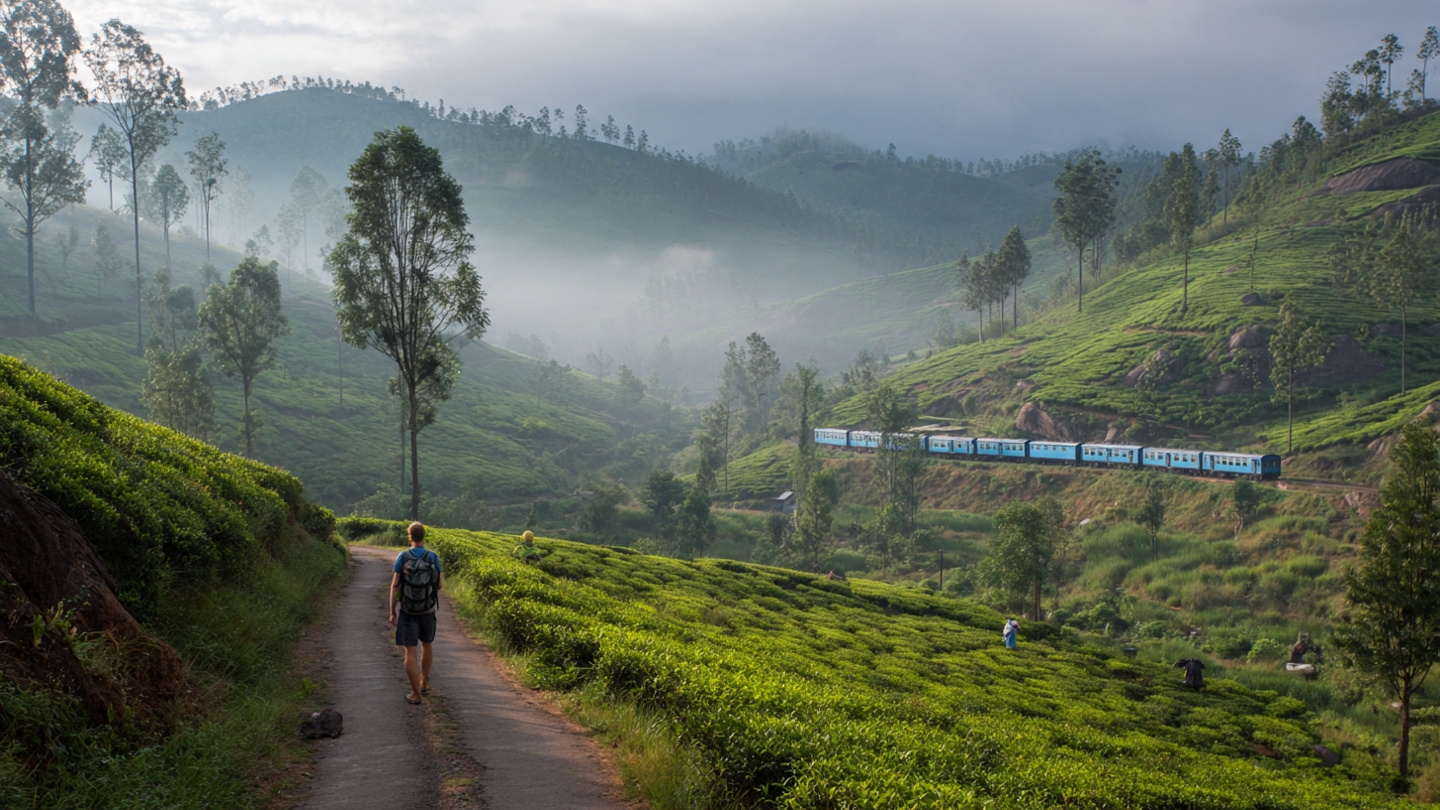
When most international travelers think about tea tourism in Sri Lanka, they imagine colonial-era bungalows, curated plantation walks, and polished experiences designed for upscale travelers. However, there are also options for budget tea tourism in Sri Lanka that cater to travelers seeking affordability and authenticity. This perception did not appear randomly. Much of the online content about tea travel highlights heritage hotels and guided estate tours. In addition, premium packages quietly assume a higher daily budget.
While these experiences exist, they represent only a small part of tea country. Unfortunately, they dominate search results and travel blogs. This leads many travelers to assume that exploring Sri Lanka’s tea regions requires luxury spending. As a result, budget-conscious visitors often rule out tea tourism before realizing how accessible it actually is.
To understand how budget experiences fit into the bigger picture of Sri Lanka’s tea culture, it helps to explore the complete Sri Lanka Tea Travel Guide, which explains the country’s tea regions, history, and travel planning in detail.
The Reality of Tea Country Travel on a Budget
What surprised me most when I started exploring tea regions independently was how open these landscapes are. Tea estates in Sri Lanka are not designed as closed tourist attractions. They are working environments connected by public roads, footpaths, and rail lines that locals use every day.
This makes a major difference for travelers on a budget. You do not need private transport to reach tea-growing areas. Public trains and buses pass directly through plantations. Many factories operate as functional workplaces first and tourist stops second. Because of this, visitors can often enter without paying an entrance fee or booking in advance.
Budget travel here is not about cutting corners. It is about understanding how tea country functions in real life and aligning your plans with that rhythm.
Why International Travelers Miss Affordable Tea Experiences
One reason budget tea tourism in Sri Lanka remains overlooked is the disconnect between search intent and available content. Travelers looking for tea-related experiences are often shown product pages selling packaged tea. Sometimes they see outdated travel articles that focus heavily on luxury stays.
Another factor is uncertainty. International travelers, especially those visiting South Asia for the first time, may worry about navigating rural areas or visiting factories unannounced. They may also worry about using local transport. Without clear guidance, many assume that organized tours are the only safe or acceptable option. This happens even when they are not necessary.
Clear, practical information is what is missing. When that information is available, tea tourism becomes far less intimidating and far more affordable.
Who This Guide Is Really For
This guide is written for international travelers, particularly those coming from the United States and other long-haul destinations, who want to experience Sri Lanka’s tea culture without committing to luxury travel. It assumes curiosity and flexibility. Also, it assumes a willingness to engage with everyday environments rather than curated experiences.
It is not written for locals who already understand the system, and it is not aimed at travelers seeking resort-style comfort. Instead, it focuses on realistic budgets and transparent costs. It features experiences that feel genuine rather than staged.
Throughout this article, I rely on observation and practical planning rather than promotional language. The goal is to help you understand what budget tea tourism in Sri Lanka actually looks like today. This will help you make informed decisions and avoid common misconceptions.
In the next section, I will explain what “budget tea tourism” truly means in the Sri Lankan context. This includes what you should expect, what you should not expect, and how to plan without unnecessary expenses.
What “Budget Tea Tourism” Really Means in Sri Lanka

Understanding Budget Travel in Tea Country
Budget tea tourism in Sri Lanka does not mean rushing through plantations or skipping meaningful experiences. It means understanding how tea regions function day to day and planning your visit around that reality. Tea country was built for production and transport, not for tourism. Because of that, many experiences exist naturally rather than as paid attractions.
For international travelers, especially those coming from the United States, this distinction is important. In many countries, visiting agricultural regions usually involves guided tours, ticketed experiences, or private transport. In Sri Lanka, tea landscapes are part of public life. Trains cut directly through estates, villages sit beside factories, and plantation roads double as walking paths.
Budget travel here is less about spending as little as possible and more about spending intentionally.
What You Should Expect as a Budget Traveler
As a budget traveler, you should expect experiences that are simple but authentic. Tea factories may not have polished visitor centers or scripted explanations. Instead, you might be guided briefly by a staff member who is working between shifts. Information may be practical rather than theatrical, but it is often more honest.
Accommodation in tea regions tends to be modest. Guesthouses and small hotels under 30 USD per night are common, especially outside peak seasons. These stays may not offer luxury amenities, but they often provide something more valuable: proximity. Many are located closer to plantations than higher-end resorts.
You should also expect slower travel. Public transport in tea country is scenic but not fast. Trains stop frequently, buses wind through hills, and schedules are flexible rather than strict. For budget travelers, this slower pace often becomes part of the experience rather than a drawback.
What You Should Not Expect
Budget tea tourism does not include constant hand-holding. You should not expect every experience to be clearly signposted or marketed toward tourists. Some factories do not actively promote visits even though they allow them. Asking politely and showing patience goes a long way.
You should also not expect luxury aesthetics. Tea country is beautiful, but it is working beauty. You may see muddy paths, aging buildings, or equipment in use. This is part of the reality of tea production and should be approached with respect rather than disappointment.
Another misconception is that budget travel limits access. In Sri Lanka’s tea regions, this is rarely true. Many luxury experiences simply offer comfort and exclusivity, not fundamentally different access to tea landscapes.
How Budget Tea Tourism Differs From Luxury Tea Experiences
Luxury tea tourism in Sri Lanka focuses on comfort, storytelling, and curated views. Budget tea tourism focuses on proximity, realism, and flexibility. Both have value, but they serve very different travelers.
Luxury experiences often involve private transport, fixed schedules, and packaged activities. Budget experiences allow you to move freely, change plans easily, and discover places that are not designed for visitors. For many international travelers, especially those staying longer than a week, this flexibility makes tea country feel less like a destination and more like a lived environment.
From a cost perspective, the difference is significant. A luxury tea stay can easily exceed 250 USD per night. A budget-based tea itinerary, including accommodation, food, and transport, can realistically stay under 50 USD per day without sacrificing depth.
Why This Approach Works Especially Well for International Visitors
For travelers coming from far away, Sri Lanka’s tea regions often represent a once-in-a-lifetime experience. Budget tea tourism allows you to spend more time in these areas without rushing or overspending early in your trip.
It also reduces pressure. When you are not tied to expensive bookings, you can adjust your plans based on weather, energy levels, or unexpected discoveries. This flexibility is especially valuable in hill country, where mist, rain, and light conditions change quickly.
Most importantly, this approach encourages engagement rather than observation. Budget tea tourism in Sri Lanka invites you to walk, watch, ask, and learn instead of simply consuming a packaged experience.
In the next section, I will cover free and low-cost tea factory visits, including how they work, what to expect when you arrive, and how to approach them respectfully as an international visitor.
Free and Low-Cost Tea Factory Visits in Sri Lanka
How Tea Factories Really Handle Visitors
Many international travelers assume that visiting a tea factory in Sri Lanka requires advance booking or an organized tour. In reality, most working factories were never designed primarily for tourism. They exist to process tea, not to entertain visitors. This is precisely why many of them remain accessible to budget travelers.
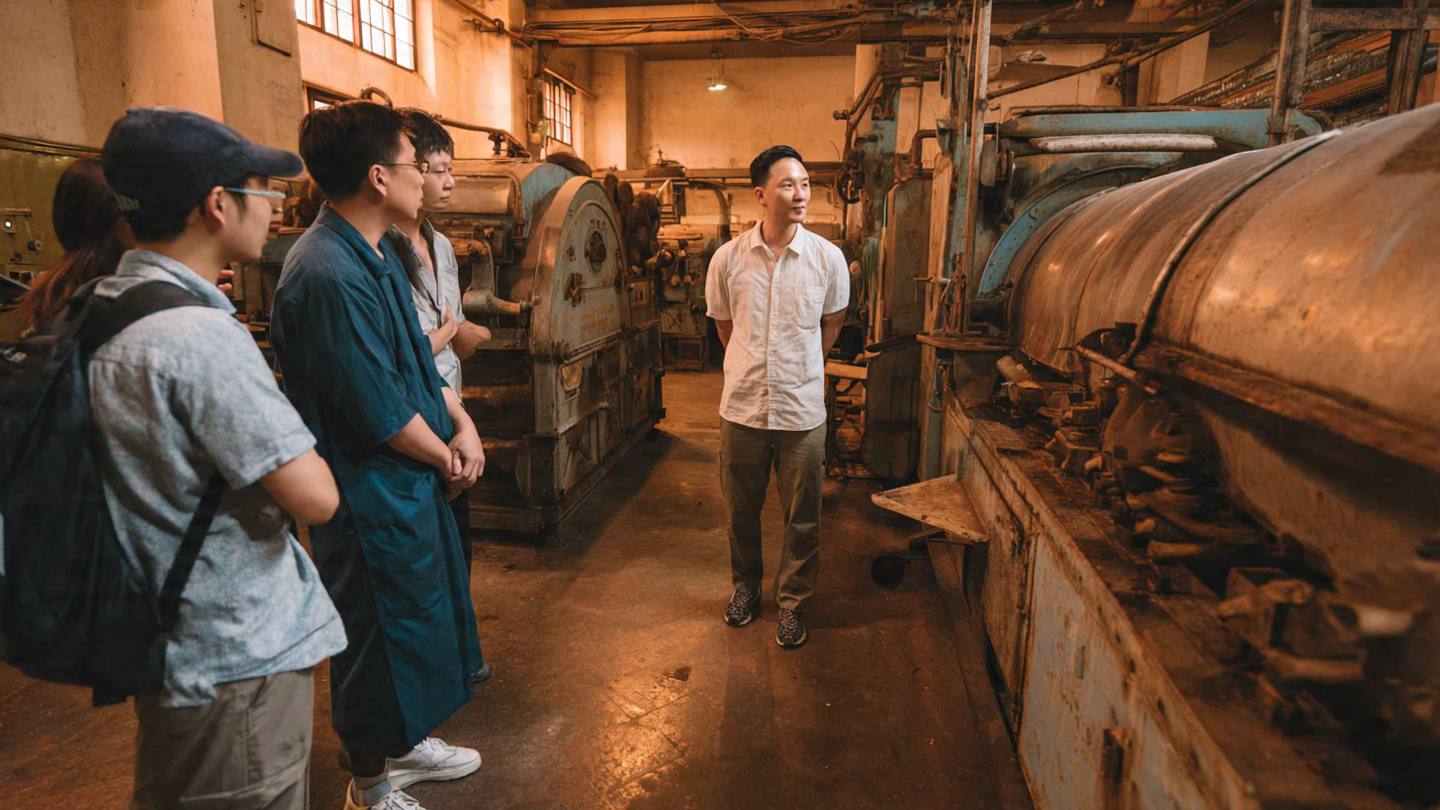
In several tea-growing areas, especially outside major tourist hubs, factories allow visitors to enter informally during working hours. This usually involves checking in at a small office, explaining that you are interested in learning about tea production, and waiting briefly for permission. There may not be a formal ticket counter or guide desk. Instead, a staff member may walk you through the basic stages of production while continuing their regular work.
This approach can feel unfamiliar to travelers from the United States, where factory visits are often structured experiences. In Sri Lanka, simplicity is normal.
When Factory Visits Are Free and When They Are Not
Free visits are most common at small to mid-sized factories that do not actively market themselves as tourist attractions. These visits tend to be brief but informative. You may be shown the withering troughs, rolling machines, fermentation rooms, and drying areas without a detailed explanation of every step.
Some factories request a small contribution or tip, usually equivalent to a few dollars. This is not always presented as an official fee. It is more a gesture of appreciation for the time taken to explain the process. In my experience, offering a modest tip is respectful and helps maintain goodwill toward future visitors.
Larger factories or those near popular destinations may charge a fixed entrance fee. Even then, costs remain relatively low compared to similar experiences in other countries.
Best Times of Day for Budget-Friendly Visits
Timing matters more than many travelers realize. Tea production follows a daily rhythm, and visiting at the right time increases both access and value.
Mornings are generally the best time to visit working factories. Production is active, staff availability is higher, and the atmosphere feels purposeful rather than rushed. Arriving late in the afternoon increases the chances that key processing stages have already finished for the day.
Avoid peak tourist hours when possible. Midday visits from tour groups can strain small factories, making informal access less likely. Early arrival, polite communication, and flexibility greatly improve your chances of a positive experience.
What You Will Learn Without a Paid Tour
Even without a formal guide, free or low-cost factory visits offer valuable insight into how Sri Lankan tea is actually produced. You will see differences in scale, equipment, and workflow that vary by region and altitude. These details are often missing from scripted tours.
Because these factories focus on production rather than presentation, explanations tend to be practical. You learn what workers do, not what brochures say. For travelers interested in understanding tea beyond branding, this authenticity is a major advantage.
Etiquette and Respect in Working Factories
Budget tea tourism relies heavily on mutual respect. These are active workplaces, not museums. Always ask before taking photos. Follow instructions closely and stay within permitted areas. Dress modestly and wear closed shoes if possible.
A friendly attitude matters. Simple courtesy often determines whether a visit feels welcoming or transactional. Small gestures, such as thanking staff members personally or leaving a modest tip, help maintain positive relationships between travelers and factory communities.
In the next section, I will cover affordable accommodation options in tea regions, including realistic price ranges, location tips, and how budget stays compare to luxury estates in terms of access and experience.
Thanks Sallay! Tour was amazing. Amazing introduction as well as experience of picking the tea. Would do it again. Worth every penny.
Read more about tea experience of travelers on Tripadvisor
For travelers who want to go deeper into choosing the right estates and understanding what different plantation visits offer, the detailed guide on tea plantation visits in Sri Lanka breaks down the best options, visitor expectations, and practical tips.
Affordable Accommodation in Sri Lanka’s Tea Regions

What Budget Accommodation Really Looks Like in Tea Country
When international travelers search for places to stay in Sri Lanka’s tea regions, they often see colonial bungalows, boutique tea estates, and luxury lodges dominate the results. These properties photograph well, but they do not reflect the full range of accommodation available on the ground.
In reality, tea country offers a wide network of guesthouses, small hotels, and family-run stays that cater to local travelers, long-stay visitors, and budget-conscious foreigners. These places rarely market themselves as tea tourism accommodation, yet many sit closer to plantations than high-end resorts.
Budget accommodation here focuses on function, location, and hospitality rather than design. For travelers who value access to tea landscapes over luxury finishes, this works extremely well.
Realistic Budget Ranges for International Travelers
For travelers coming from the United States or Europe, accommodation prices in tea regions often feel surprisingly low. In most tea-growing areas, you can find clean and comfortable rooms under 30 USD per night, especially outside peak seasons.
At this price range, you can expect a private room, basic furnishings, hot water, and Wi-Fi. Some guesthouses also include breakfast, which often features local food rather than Western options. While amenities remain simple, comfort usually exceeds expectations for the cost.
Spending slightly more, around 35 to 45 USD per night, opens access to better views, quieter locations, or newer buildings. Even at this level, costs remain far below what similar scenic regions charge in many other countries.
Why Guesthouses Often Beat Tea Estate Hotels
Budget guesthouses often outperform tea estate hotels in one important way: proximity to daily life. Many guesthouses operate inside small towns or along plantation roads, which allows you to walk directly into tea fields without arranging transport.
In contrast, some luxury properties isolate guests within private grounds. While this offers privacy, it limits spontaneous exploration. Budget travelers usually benefit more from being able to step outside and immediately engage with the surrounding environment.
Guesthouse owners also tend to share practical advice. They know factory schedules, walking routes, and local transport timings because they live there. This kind of information rarely appears in guidebooks but makes a significant difference when planning budget-friendly days.
Location Matters More Than Comfort Level
In tea regions, location often matters more than room size or décor. Staying near a railway line, plantation road, or factory entrance saves both time and money. You avoid repeated transport costs and gain flexibility to explore early mornings and late afternoons, which are the most atmospheric times in tea country.
I found that staying slightly outside popular hubs often produced better results. Smaller villages feel quieter, prices drop, and access to working plantations improves. Even a short bus or train ride can shift you away from tourist-heavy zones into more authentic surroundings.
Common Mistakes Budget Travelers Make
One common mistake is booking accommodation far in advance without understanding the area. Tea regions offer many walk-in options, especially outside high season. Booking too early can lock you into locations that look appealing online but sit far from actual tea landscapes.
Another mistake involves assuming higher price equals better experience. In tea country, this is not always true. Some of the most memorable stays come from modest rooms with direct plantation views rather than expensive heritage properties.
Budget travelers should prioritize flexibility, location, and local advice over brand names or polished photos.
How Accommodation Choices Shape the Tea Experience
Where you stay shapes how you experience tea country. Budget accommodation encourages slower mornings, unplanned walks, and casual conversations. These moments often lead to deeper understanding than structured activities.
By choosing affordable stays, you also extend your time in tea regions. Instead of rushing through in one or two nights, you can stay longer, observe daily rhythms, and explore different elevations without pressure.
In the next section, I will build a realistic budget tea itinerary, including daily costs, transport choices, and how international travelers can experience multiple tea regions without overspending.
A Realistic Budget Tea Itinerary for International Travelers

How to Think About Itineraries in Tea Country
Many international travelers try to plan tea country with rigid schedules, fixed hotel nights, and tightly packed days. That approach often increases costs and reduces flexibility. Tea regions in Sri Lanka reward a looser structure that allows weather, light, and transport rhythms to shape each day.
A budget-friendly itinerary focuses on flow rather than speed. Instead of covering many locations quickly, it prioritizes staying longer in fewer places. This reduces transport costs and creates space for spontaneous experiences, which often cost nothing.
The itinerary below reflects how budget tea tourism works best in practice, not how packaged tours advertise it.
A Three-Day Budget Tea Experience Under 50 USD per Day
This sample itinerary assumes you already reached Sri Lanka and want to explore tea regions without luxury spending. Costs reflect average prices for international travelers and remain realistic rather than optimistic.
Day One: Arrival and First Plantation Walk
Arrive in a tea region via public train or bus. Trains usually offer the best value and scenery, while buses fill gaps when train schedules do not align. Once you reach your destination, check into a budget guesthouse within walking distance of plantations.
Spend the afternoon walking along plantation roads rather than seeking formal attractions. These roads often pass through working tea fields and offer unobstructed views without any entrance fees. Late afternoon light creates strong visual contrast across rolling hills, making this an ideal time for exploration.
In the evening, eat locally. Small cafés and guesthouse kitchens serve filling meals at low cost. Dining locally also reduces transport expenses and keeps daily budgets predictable.
Day Two: Factory Visit and Scenic Train Segment
Start early. Morning hours offer the best opportunity to visit working tea factories. Walk or take a short local bus ride to a nearby factory and politely ask if visits are possible. Even brief walkthroughs provide valuable insight into tea production.
After the factory visit, plan a short scenic train ride rather than a full-day journey. Many travelers assume the most famous routes require long rides, but even short segments pass through dramatic tea landscapes. Buying regular second- or third-class tickets keeps costs low while preserving the experience.
Return to your accommodation area in the afternoon. Use this time to revisit favorite viewpoints, explore village paths, or simply rest. Budget travel in tea regions benefits from unstructured time.
Day Three: Elevation Change and Departure
On the final day, change elevation if possible. A short bus or train ride to a slightly higher or lower area reveals how tea landscapes shift with altitude. Leaf size, harvesting patterns, and views often change noticeably over short distances.
Spend the morning walking or visiting a second factory if available. Then prepare for departure using public transport rather than private transfers. Ending the trip this way reinforces how accessible tea regions remain even without organized tours.
Cost Breakdown for This Itinerary
Accommodation usually forms the largest daily expense. Budget guesthouses under 30 USD per night keep overall costs manageable. Food rarely exceeds 10 USD per day when eating locally. Transport costs remain low due to short distances and public options.
Factory visits often cost nothing or require only small tips. Plantation walks remain free. Scenic experiences do not require premium purchases when planned carefully.
Altogether, daily costs commonly stay under 50 USD while still offering depth and variety.
Why This Itinerary Works for International Visitors
This itinerary avoids rushed movement and unnecessary upgrades. It works well for travelers adjusting to Sri Lanka’s pace and climate, especially those arriving from the United States or Europe.
It also reduces stress. When plans remain flexible, unexpected delays or weather changes do not disrupt the experience. Budget tea tourism thrives on adaptability rather than control.
Most importantly, this approach encourages observation and engagement rather than consumption. You experience tea country as a lived environment, not a staged destination.
In the next section, I will explain how to move between tea regions cheaply, covering trains, buses, and common mistakes international travelers make when planning transport.
Explore major tea regions and budget estates on Google Maps
Getting Between Tea Regions Cheaply and Efficiently

Why Transport Strategy Matters for Budget Tea Tourism
Transport decisions shape both cost and experience in Sri Lanka’s tea regions. Many international travelers overspend simply because they assume private transport is necessary in hill country. In reality, public transport connects most tea areas effectively and often delivers better views than private vehicles.
Budget tea tourism works best when you treat transport as part of the experience rather than a hurdle to overcome. Trains, buses, and short walks often place you directly inside tea landscapes instead of skirting around them.
Using Trains as the Backbone of Tea Country Travel
Trains provide the best value for traveling between tea regions. They cut directly through plantations, follow elevation changes gradually, and connect major hill country towns without requiring advance planning.
For budget travelers, second- and third-class tickets offer excellent value. They cost a fraction of first-class options and still provide open windows, flexible seating, and constant scenery. Many international travelers worry about comfort, but on shorter segments, these classes work well and create more interaction with local life.
Instead of planning one long, famous train journey, break travel into shorter segments. This approach reduces fatigue, lowers costs, and allows you to stop overnight in smaller towns that many travelers overlook.
When Buses Make More Sense Than Trains
Buses fill gaps that trains do not cover. They reach villages, factory areas, and secondary routes that trains bypass. For budget tea tourism, buses often provide the most direct connection between specific locations.
Local buses operate frequently during daylight hours. While they move slower on winding roads, they reduce the need for transfers and keep costs extremely low. Choosing buses also allows you to adjust plans easily if you discover new places or want to change direction.
For international travelers, the key is timing. Start bus journeys early in the day to avoid crowding and delays. Afternoon services often slow down due to weather and traffic conditions in hill country.
Common Transport Mistakes That Increase Costs
One common mistake involves relying on taxis for inter-town travel. While taxis feel convenient, they raise daily costs quickly and disconnect you from the landscape. Another mistake involves booking private drivers for short distances that public transport already covers efficiently.
Some travelers also underestimate distances. Tea regions appear close on maps but require time due to elevation and road conditions. Planning fewer moves reduces both cost and stress.
Another frequent issue is overbooking train seats in advance. While reserved seats feel reassuring, they limit flexibility. In many cases, purchasing tickets locally works just as well and costs less.
Walking as a Transport Strategy
Walking plays a larger role in tea regions than many travelers expect. Plantation roads, footpaths, and village trails often connect factories, viewpoints, and accommodation areas directly.
By choosing accommodation near plantations, you reduce transport needs dramatically. Morning and evening walks often replace paid activities while delivering richer experiences. Walking also allows you to observe harvesting routines, weather shifts, and daily movement patterns that vehicles bypass.
How Smart Transport Choices Shape the Experience
Smart transport choices do more than save money. They slow you down and place you inside tea country rather than outside it. You hear machines running, see workers moving through fields, and notice subtle changes in landscape that fast travel hides.
Budget tea tourism in Sri Lanka benefits from this pace. When transport aligns with environment, the experience feels cohesive rather than fragmented.
In the next section, I will cover food costs and eating well on a budget in tea regions, including what international travelers should expect, where value comes from, and how food choices affect daily budgets.
Explore train routes & bus-connected towns on Google Maps
Eating Well on a Budget in Sri Lanka’s Tea Regions
Why Food Costs Stay Low in Tea Country
Food remains one of the easiest areas to control costs in Sri Lanka’s tea regions. Unlike major cities or resort areas, hill country towns cater mainly to local residents and workers. This keeps prices grounded and portions generous.
For international travelers, especially those from the United States, food costs often feel unexpectedly low. Even when eating three meals a day, daily food expenses usually stay well below what travelers budget for other destinations.
More importantly, budget eating here does not mean sacrificing quality. Tea regions produce fresh vegetables, rice, and spices locally, which keeps meals flavorful and filling without added cost.
Where Budget Travelers Actually Eat
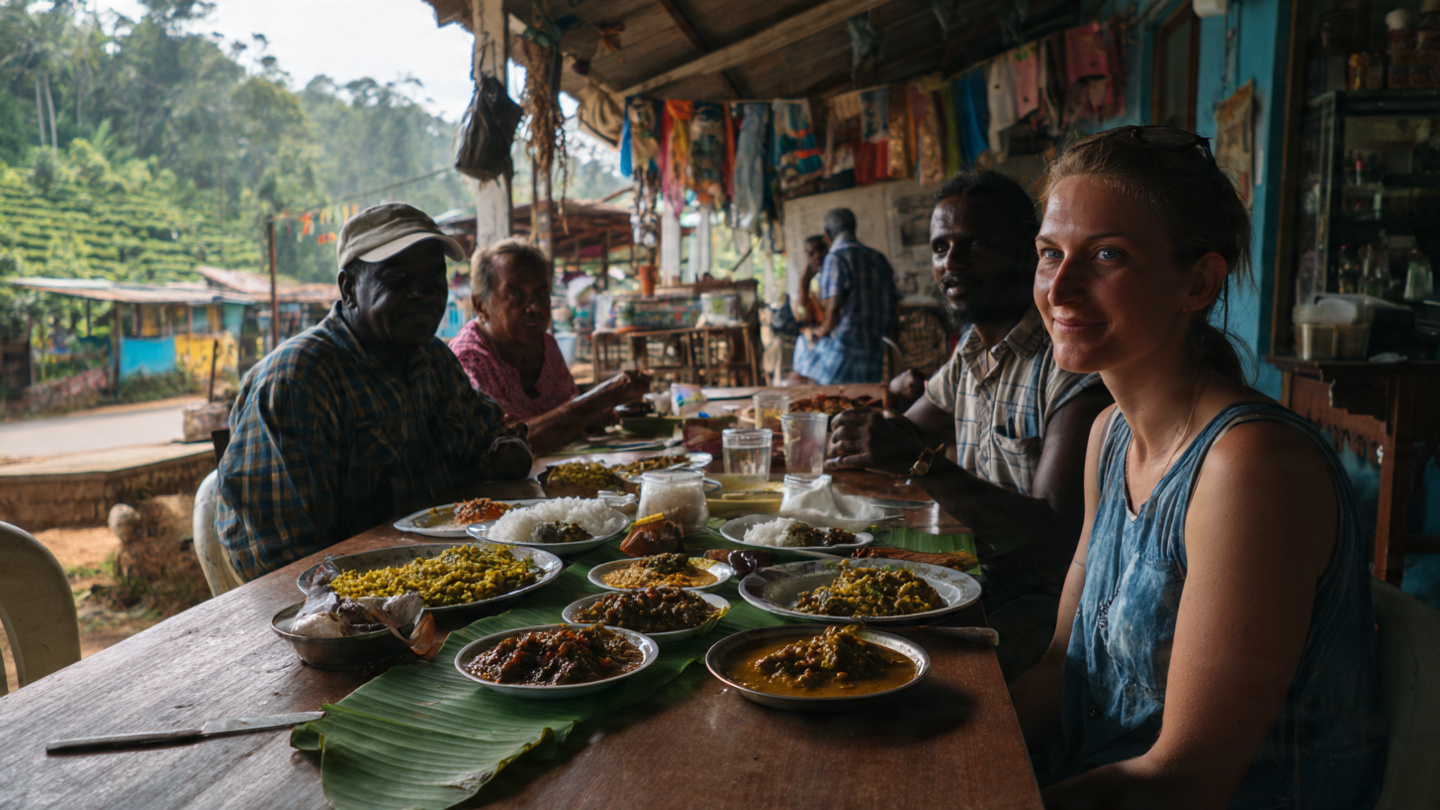
Most budget travelers eat where locals eat. Small cafés, roadside restaurants, and guesthouse kitchens provide the best value. These places rarely appear on travel blogs, but they form the backbone of daily life in tea towns.
Roadside cafés usually serve rice and curry combinations at lunchtime. These meals include rice, several vegetable curries, sambol, and sometimes egg or fish. Portions are large, and prices remain low. Evening meals often feature noodles, fried rice, or simple rotis, which work well after long days of walking.
Guesthouses sometimes offer dinner for a small additional charge. While this option costs slightly more than roadside cafés, it saves time and eliminates transport needs at night, especially in smaller villages.
Managing Expectations as an International Traveler
International travelers should approach food in tea regions with an open mindset. Menus may be limited, and English descriptions may remain minimal. Rather than searching for variety, focus on freshness and balance.
Western-style food exists in some towns, but it often costs more and delivers less value. Budget travelers usually benefit from embracing local meals rather than trying to recreate home comforts.
Spice levels vary by region and establishment. If you prefer milder food, asking politely usually helps. Most small cafés adjust heat levels without hesitation when asked clearly.
Daily Food Budgets and What They Include
A realistic daily food budget in tea regions stays modest. Breakfast often comes included with accommodation or costs very little at local cafés. Lunch and dinner combined rarely exceed a modest amount when eating locally.
Snacks, fruit, and tea remain inexpensive and widely available. Tea stalls appear throughout hill country towns, offering fresh tea at minimal cost. These stops add comfort without affecting budgets.
Even with occasional splurges, such as a Western-style coffee or dessert, daily food spending stays manageable when planned intentionally.
Eating as Part of the Tea Experience
Food forms part of the tea country experience rather than a separate activity. Meals follow work schedules, harvesting cycles, and weather patterns. Eating when locals eat often leads to casual conversations and shared spaces that feel authentic rather than staged.
For budget tea tourism, this integration matters. You experience tea regions as functioning communities, not curated destinations. Food supports this connection while keeping costs predictable.
In the next section, I will discuss seasonality and timing, including when budget travelers get the best value, how weather affects tea experiences, and when international visitors should plan trips to avoid unnecessary costs.
What travelers say about restaurants : ” We loved this place. Beautiful building – an old officers mess from colonial times. We had bar food and beer. The chicken tikka and Dahl dishes were delicious and such good value.”
Read more reviews on Triadvisor
Seasonality, Timing, and Getting the Best Value

Why Timing Matters More Than Budget Alone
In Sri Lanka’s tea regions, timing often affects value more than budget choices. Weather patterns, harvesting cycles, and tourist seasons influence everything from accommodation prices to visibility across tea fields. International travelers who plan around these factors often spend less while seeing more.
Unlike destinations with extreme seasonal closures, tea country remains accessible year-round. However, the experience changes noticeably depending on when you arrive.
Understanding Tea Seasons Without Overcomplication
Tea grows continuously in Sri Lanka, but harvesting intensity varies by region and season. This means tea fields always look green, yet production activity shifts throughout the year.
For budget travelers, this consistency works in your favor. You do not need to chase peak harvest seasons to have meaningful experiences. Even during slower periods, factories operate, plantations remain active, and landscapes stay visually rich.
Rather than focusing on harvest timing alone, pay attention to weather and visibility. Clear mornings often matter more than production volume when it comes to walking through tea fields or enjoying scenic views.
When Budget Travelers Get the Best Value
Shoulder seasons often deliver the best balance between cost and experience. During these periods, accommodation prices drop slightly, transport crowds thin out, and popular viewpoints feel less congested.
International travelers from the United States often plan trips months in advance. If your schedule allows flexibility, traveling just outside peak holiday periods usually results in better value without sacrificing access.
Rain patterns differ by region, so conditions rarely affect all tea areas at once. When one region experiences heavier rain, another often remains drier. This allows budget travelers to adjust plans without abandoning tea tourism altogether.
How Weather Shapes Daily Planning
Weather in tea regions changes quickly. Mornings tend to offer clearer views, while afternoons bring mist or light rain. Budget travelers who plan activities early in the day often gain better visibility and avoid weather-related disruptions.
Walking and factory visits work best before midday. Afternoon hours suit rest, local exploration, or short transport segments. This rhythm reduces frustration and prevents unnecessary spending on transport or alternative activities.
Carrying simple rain protection matters more than booking expensive indoor attractions. Light rain rarely ruins the experience and often enhances atmosphere when approached calmly.
Avoiding Peak-Cost Traps
Peak seasons increase prices primarily in accommodation and transport reservations. Budget travelers avoid these traps by booking closer to arrival or choosing lesser-known towns within tea regions.
Another cost trap involves overbooking scenic train segments during peak demand. While these journeys remain beautiful, short segments during quieter times often deliver the same visual impact without added cost or stress.
Flexibility remains the strongest budget tool. When plans adapt to conditions rather than fighting them, costs stay controlled.
Why Slower Travel Improves Value
Budget tea tourism rewards patience. Staying longer in one area reduces daily transport costs and allows weather windows to work in your favor. You stop chasing ideal conditions and start noticing subtle changes that rushed itineraries miss.
For international travelers, especially those adjusting to time zones and climate, this slower approach improves both comfort and value.
In the next section, I will cover common mistakes international travelers make in tea regions and how to avoid unnecessary expenses, misunderstandings, and missed opportunities.
Since weather, elevation, and harvest patterns vary across the country, understanding how each area differs can help you plan better, which is clearly explained in the guide to the seven tea regions of Sri Lanka.
Common Budget Mistakes International Travelers Make in Tea Regions

Assuming Organized Tours Are the Only Option
One of the most common mistakes international travelers make is assuming that tea experiences require organized tours. This belief often comes from travel norms in other countries, where factory visits and agricultural tourism usually operate through formal bookings.
In Sri Lanka’s tea regions, this assumption leads to unnecessary spending. Many travelers book day tours without realizing they could access similar experiences independently through public transport and short walks. While tours offer convenience, they rarely offer deeper access for budget travelers.
Understanding that tea country functions as a working landscape, not a closed attraction, helps avoid this trap.
Overpaying for Transport Out of Uncertainty
Uncertainty drives many budget mistakes. Travelers unfamiliar with local systems often rely on taxis or private drivers because they feel safer or simpler. While this makes sense emotionally, it quickly inflates daily costs.
Public trains and buses serve tea regions reliably. Learning how to use them saves money and often improves the experience. Even short conversations with guesthouse owners can clarify routes and schedules.
Budget tea tourism rewards confidence built through small, informed choices rather than expensive shortcuts.
Choosing Accommodation Without Understanding Location
Another common mistake involves booking accommodation based on photos alone. Properties may look appealing online but sit far from plantations, factories, or transport routes. This forces reliance on paid transport and reduces spontaneous exploration.
Budget travelers benefit most from staying near plantation roads, railway lines, or village centers. These locations allow walking to replace paid activities and transport. Checking maps carefully before booking prevents this issue.
Location matters more than room aesthetics in tea country.
Treating Tea Regions as a Checklist Destination
Some travelers approach tea country as a box to tick rather than a place to experience. They rush through multiple locations in a short time, chasing famous viewpoints without allowing space for observation or rest.
This approach increases costs and reduces value. Frequent transport, rushed schedules, and missed weather windows often lead to frustration. Budget tea tourism works best when travelers slow down and let daily rhythms guide plans.
Depth consistently delivers more value than speed.
Misunderstanding Etiquette in Working Environments
Tea factories and plantations are active workplaces. Travelers who treat them like museums risk awkward encounters or restricted access. Simple etiquette makes a difference.
Asking permission, following instructions, and showing patience often open doors that aggressive sightseeing closes. Small gestures of respect cost nothing but improve access.
Budget travel relies heavily on these human interactions.
Ignoring Small Daily Costs That Add Up
While individual expenses remain low, small daily choices can add up. Bottled drinks, frequent taxis, and unnecessary entrance fees slowly raise budgets without adding value.
Being mindful of these habits keeps daily spending predictable. Tea regions offer many free experiences, so spending should remain intentional rather than automatic.
How Avoiding These Mistakes Improves the Experience
Avoiding these common mistakes does more than save money. It creates a calmer, more immersive experience. You spend less time managing logistics and more time engaging with tea country as it exists.
For international travelers, especially those new to Sri Lanka, this shift transforms tea tourism from a stressful planning exercise into a rewarding journey.
In the next section, I will share practical planning tips specifically for first-time international visitors, including preparation, safety, and mindset adjustments that improve both comfort and value.
Practical Planning Tips for First-Time International Visitors

Preparing for Tea Country Without Overplanning
First-time visitors often overprepare for Sri Lanka’s tea regions. While preparation matters, excessive planning usually creates rigidity rather than confidence. Tea country works best when you arrive informed but flexible.
Focus on understanding transport basics, realistic daily budgets, and general regional layouts rather than locking in every detail. This approach reduces stress and allows you to adjust plans once you see how distances, weather, and timing actually feel on the ground.
A rough outline beats a fixed schedule in tea regions.
What to Pack for Budget Tea Travel
Packing smartly helps avoid unnecessary expenses. Tea regions experience cooler temperatures, especially in the mornings and evenings. Light layers work better than heavy clothing. Comfortable walking shoes matter more than specialized gear.
Rain protection deserves attention. Light rain appears frequently, even outside peak seasons. A compact rain jacket or poncho saves money and avoids last-minute purchases. Sunscreen and basic medication also help reduce unexpected costs.
You do not need specialized equipment to enjoy tea country. Simplicity works best.
Safety and Comfort in Tea Regions
Tea regions feel calm and community-oriented. Violent crime remains rare, and locals generally look out for visitors. Basic precautions apply, as they would anywhere. Keep valuables secure, avoid isolated areas after dark, and follow local advice.
Public transport feels safe, especially during daylight hours. Trains and buses remain social spaces rather than isolated environments. Traveling early in the day improves comfort and reliability.
For international travelers, adjusting expectations matters. Things move at a different pace, and systems rely more on human interaction than automation. Patience improves both safety and enjoyment.
Communicating and Asking for Help
You do not need fluent language skills to navigate tea regions. Basic English works in most towns, especially near transport hubs. When language barriers appear, gestures and simple phrases usually solve problems.
Asking for help rarely creates inconvenience. Locals often enjoy assisting travelers who show genuine interest and respect. Guesthouse owners, shopkeepers, and café staff frequently offer advice that improves plans without added cost.
Budget travel thrives on these small exchanges.
Managing Expectations Around Comfort
Comfort in tea regions differs from comfort in urban hotels. Rooms may feel simpler, power outages may occur briefly, and hot water systems may require patience. These conditions remain normal rather than problematic.
International travelers who accept these differences often enjoy the experience more. Budget tea tourism focuses on environment, rhythm, and observation rather than constant convenience.
Adjusting expectations reduces frustration and prevents unnecessary spending on upgrades that do not improve the experience meaningfully.
Mindset Shifts That Improve Value
The most important planning tool is mindset. When you approach tea country as a living landscape rather than a curated attraction, value increases naturally. You stop comparing experiences to luxury benchmarks and start appreciating access, proximity, and time.
Budget tea tourism in Sri Lanka rewards curiosity, patience, and openness. These qualities cost nothing but return far more than money spent on packaged experiences.
In the next section, I will bring everything together with final thoughts and who this guide is best suited for, helping readers decide whether budget tea tourism aligns with their travel style and expectations.
Final Thoughts on Budget Tea Tourism in Sri Lanka

Who This Style of Travel Is Best Suited For
Budget tea tourism in Sri Lanka works best for international travelers who value experience over presentation. If you enjoy walking through landscapes rather than viewing them from a distance, this approach fits naturally. It suits travelers who prefer flexibility, curiosity, and time over tightly scheduled itineraries and curated narratives.
This style also works well for long-haul visitors from the United States, Europe, and Australia who want to stretch their time in Sri Lanka without compromising depth. When travel budgets remain realistic, you stay longer, move slower, and notice more.
If you expect luxury finishes, constant guidance, or Western-style convenience, budget tea tourism may feel challenging. But if you want to understand how tea country actually functions, it offers unmatched value.
Why Budget Tea Tourism Delivers More Than It Promises
One of the most surprising aspects of budget tea tourism is how much it gives back. Free plantation walks often become the most memorable moments. Informal factory visits explain more than scripted tours. Guesthouse conversations reveal details no brochure includes.
Because costs stay low, pressure drops. You stop evaluating experiences by price and start valuing time, access, and perspective. This shift changes how you move through tea regions and how you remember them later.
Budget travel does not limit the experience. In Sri Lanka’s tea country, it often deepens it.
How This Guide Fits Into a Larger Sri Lanka Journey
Tea regions connect naturally with other parts of Sri Lanka. Budget-friendly transport allows you to integrate tea country into broader itineraries without treating it as a separate luxury segment. You can move from cultural cities to hill country to coastal areas without reworking your budget.
This flexibility matters for international travelers planning multi-week trips. Tea tourism becomes a living chapter within a longer journey rather than a costly detour.
By understanding how to experience tea regions affordably, you remove barriers that often prevent deeper exploration.
A Final Perspective Before You Plan
Sri Lanka’s tea country does not require permission, premium access, or high spending. It asks for awareness, patience, and respect. Budget tea tourism works because the landscape remains open, functional, and human.
When you walk plantation roads, ride local trains, and eat where workers eat, you step into a system that existed long before tourism and continues long after it. That continuity gives tea country its strength.
If you approach it with the right mindset, budget tea tourism in Sri Lanka becomes not just affordable, but deeply rewarding.
Frequently Asked Questions About Budget Tea Tourism in Sri Lanka
General Questions About Tea Tourism
When you visit tea plantations you’ll walk through lush green fields, possibly enter a tea factory, and often enjoy a tea tasting at the end. Many plantations in areas like Nuwara Eliya, Ella, and Kandy are scenic and offer panoramic views of rolling hills and misty valleys.
Yes. Even without premium tours, visiting plantations offers rich cultural insight, scenic landscapes, and a firsthand look at tea production. Many travelers find the authenticity of independent visits more memorable than expensive packaged tours.
Many tea estates include a tea tasting with their tours, especially those that are visitor-friendly. A typical visit combines a walk through the fields, a glimpse inside the factory, and tea tasting.
Costs and Budget Planning
Yes. Many working tea factories allow visitors without a formal entrance fee or official booking. In these cases, a small thank-you contribution for the staff is appreciated but not mandatory.
A realistic daily budget for tea regions, including accommodation, food, and local transport, can stay under about 50 USD per day if you choose budget guesthouses, eat locally, and use public transport.
Tea tours vary widely in price. Independent visits and informal walks through plantations are typically very affordable or free, while organized tours with guides and transport cost more. Choosing local transport and self-guided experiences keeps costs low.
Transport and Accessibility
Public trains and buses are the most cost-effective ways to travel between tea towns and plantations. Trains pass through scenic landscapes and often connect major areas directly, while local buses reach smaller villages and less touristy spots.
No. Many international travelers explore tea regions using public trains, buses, and walking routes without needing private cars. Guesthouse owners often help with local routes and schedules.
Season and Timing
Tea country weather varies by region, but mornings throughout the year often offer clearer views for plantation walks. Shoulder seasons (outside peak holidays) usually combine better prices with fewer crowds.
Tea grows year-round, but harvesting intensity and factory activity shift with seasons. Even during slower periods, plantations remain green and interesting to visit — so timing isn’t critical for a meaningful experience.
Practical Tips for International Visitors
For free or low-cost visits, you usually do not need advance booking. Simply arrive during working hours, communicate politely at the factory entrance, and ask about visiting. Advance booking applies mainly to premium tours.
Some attractions like the Ceylon Tea Museum in Kandy have specific entry fees and are worth visiting for deeper historical context on Sri Lanka’s tea industry.
Yes. Plantation walks are family-friendly, scenic, and educational. Choosing flatter walking paths and shorter routes makes it easy for children and older travelers.


