

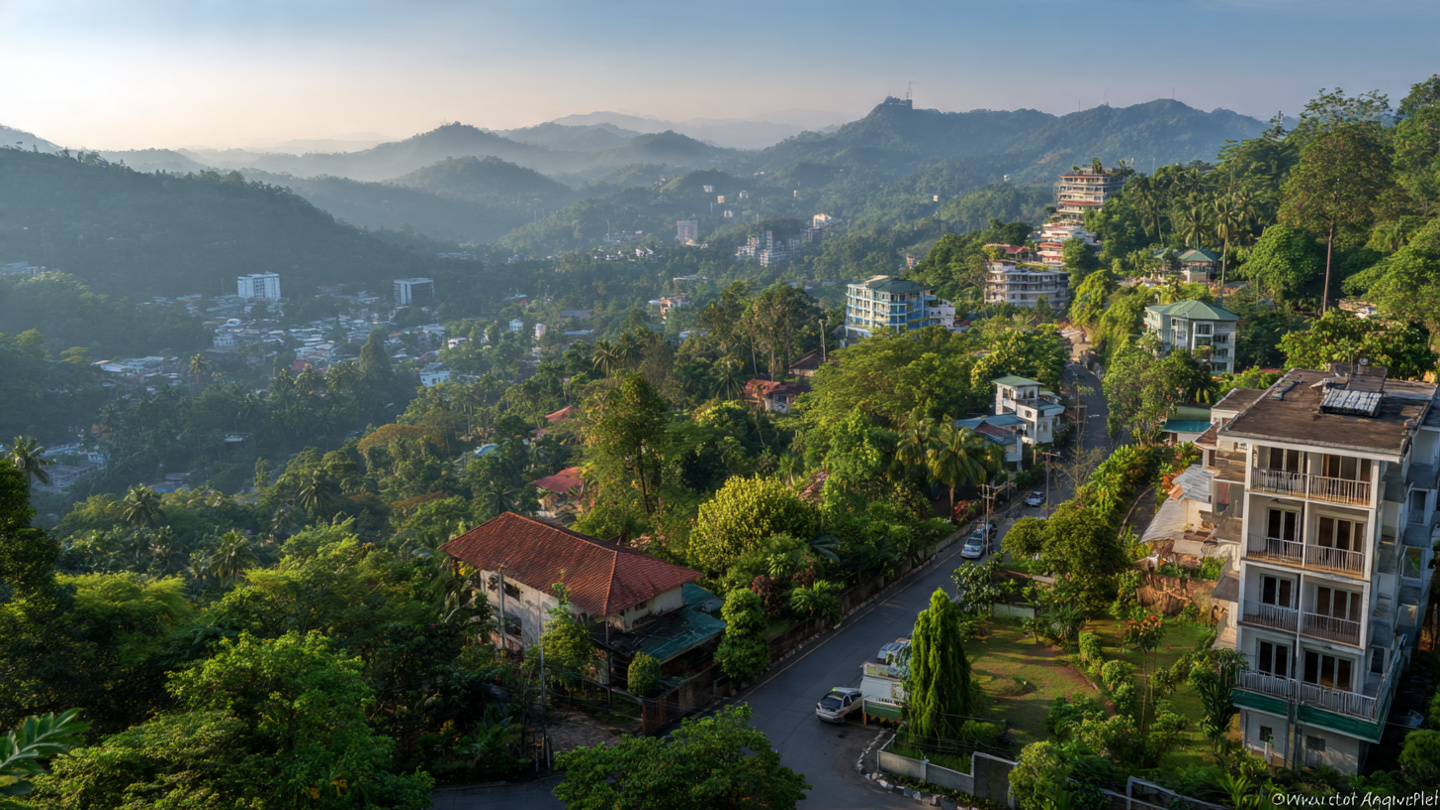
Purchasing property in the city of Kandy has started to attract the attention of foreign property investors who are looking for something different from the typical coastal or capital city property buying experiences. While it is not uncommon for foreign investors to first learn about Sri Lanka through its coastal regions or the Colombo business districts, the purchase of property in the city of Kandy is an entirely different shopping proposition altogether.
For travelers and long-term planners alike, understanding the full richness of this region goes beyond property investment, so be sure to explore the comprehensive Kandy travel guide for culture, history, and practical visit tips.
For foreign buyers, particularly those in America and other Western nations, property purchase considerations seldom boil down to price alone. Lifestyle factors, security, and investment in value over time carry far more weight. Acquiring property in Kandy falls seamlessly into this due to its blend of heritage, geographic features, and living convenience, which very few other cities in this region have to offer.
A City With Long-Term Relevance, Not Seasonal Demand
One of the strongest reasons foreign buyers look at Kandy is consistency. Unlike coastal towns that depend heavily on tourism seasons, buying property in Kandy functions as a year-round city. Government institutions, universities, hospitals, religious centers, and local commerce keep the city active regardless of tourist cycles. This stability reduces risk for overseas buyers who are thinking long-term rather than seeking fast returns.
Kandy has served as a central city for centuries. That role has never disappeared. Instead of being replaced by modern development elsewhere, Kandy evolved while maintaining its importance. For property buyers, this means demand is not tied to trends. People continue to live, work, study, and invest here for structural reasons rather than temporary popularity.
This matters greatly for international buyers who cannot monitor the market daily. A stable city lowers the chance of sudden value drops caused by shifting tourism patterns or overdevelopment.
Cultural Significance That Protects Property Value
Kandy’s cultural importance plays a quiet but powerful role in protecting property value. As a UNESCO-recognized heritage city and a major religious center, Kandy is subject to long-term planning controls. Large-scale uncontrolled construction is limited. Height restrictions, zoning regulations, and heritage protections slow speculative overbuilding.
For foreign buyers, this is often an advantage rather than a limitation. Limited supply supports property values over time. Unlike rapidly expanding cities where new developments can flood the market, buying property in Kandy grows at a measured pace. Properties that are well-located tend to retain desirability because the surrounding character does not change drastically.
International buyers who value preservation, scenery, and continuity often see this as a safeguard for their investment.
Climate and Geography That Support Year-Round Living
Climate plays a larger role in property decisions than many investors initially expect. Kandy’s elevation creates a noticeably milder climate compared to much of Sri Lanka. Temperatures remain comfortable throughout the year, with fewer extremes than coastal regions.
For overseas buyers considering long stays, partial relocation, or retirement planning, this climate becomes a major advantage. Daily life feels easier. Homes require less artificial cooling. Outdoor spaces remain usable for most of the year.
If you plan to stay in Kandy while exploring property options or evaluating neighborhoods, a detailed guide on where to stay in Kandy will help you find ideal accommodations and understand local living conditions.
Geographically, Kandy is surrounded by hills, forests, and water bodies, which enhances privacy and views. Many houses for sale in Kandy offer natural surroundings that would be difficult or expensive to replicate in major cities. This combination of livability and scenery is a strong motivator for foreign buyers seeking a second home rather than a purely financial asset.
A Different Alternative to Colombo
Many international buyers initially explore Colombo before expanding their search. While Colombo offers commercial energy and modern infrastructure, it also comes with congestion, higher prices, and faster-paced living. Buying property in Kandy presents an alternative that appeals to buyers who want depth rather than density.
Property prices in Kandy remain more accessible than comparable areas in Colombo, particularly for houses and land-based properties. This allows foreign buyers to enter the market without competing directly with large-scale commercial developers.
Kandy also offers a sense of separation. It feels removed from the pressure of capital city life while remaining connected through road and rail links. For overseas investors who plan to visit periodically rather than live full-time, this balance is especially attractive.
Growing Interest Without Oversaturation
Another reason international buyers are paying attention to Kandy is timing. The market is active but not saturated. Unlike some coastal areas that have seen rapid foreign-driven development, buying property in Kandy remains relatively underrepresented in international property discussions.
This creates an opportunity for buyers who prefer early-stage markets where long-term appreciation is more likely than short-term volatility. Interest from overseas buyers is increasing slowly, often driven by word-of-mouth, personal visits, or cultural curiosity rather than aggressive marketing.
This gradual growth supports healthier market behavior. Prices tend to rise steadily rather than spike. Properties are more likely to be purchased for genuine use rather than speculative flipping.
Lifestyle-Oriented Investment Appeal
For many international buyers, buying property in Kandy is not strictly about rental yield. It is about lifestyle alignment. Some buyers plan extended stays. Others consider future relocation or retirement. Some view the property as a base for exploring the central highlands of Sri Lanka.
Kandy supports all of these motivations. Healthcare access, education institutions, and essential services are well established. Daily life functions smoothly without relying solely on tourist infrastructure. This reassures overseas buyers who prioritize reliability over novelty.
At the same time, Kandy offers cultural immersion that cannot be replicated in newer developments. The city’s rhythm, traditions, and surroundings create a sense of place that many foreign buyers actively seek.
Understanding Property Ownership Rules for Foreign Buyers in Sri Lanka

International buyers often approach property markets with confidence shaped by their home countries. Sri Lanka follows a very different legal structure. Anyone considering buying property in Kandy must understand these rules before reviewing listings or discussing prices. Legal clarity matters more than negotiation at this stage, especially for overseas buyers who cannot resolve issues in person.
Sri Lanka does not prohibit foreign interest in real estate, but it controls how foreigners can enter the market. These controls shape what type of property international buyers can access and how ownership works in practice.
What Foreign Buyers Can and Cannot Buy
Foreign nationals cannot directly purchase freehold land in Sri Lanka. This rule applies across the country, including Kandy and its surrounding areas. The restriction covers standalone houses built on land as well as vacant plots. Because of this, many first-time overseas buyers misunderstand what “buying property” actually means in the Sri Lankan context.
Foreign buyers can legally purchase apartments or condominiums located above the ground floor in registered condominium developments. This option remains the most common and secure entry point for international buyers. Condominium ownership grants full ownership rights over the unit, along with shared ownership of common areas.
In Kandy, this means that most foreigners focus on apartments, serviced residences, or mixed-use developments rather than traditional houses. While this may feel limiting at first, it simplifies legal risk and reduces long-term complications.
Leasehold Structures as an Alternative
Some international buyers explore long-term leasehold arrangements as an alternative to direct ownership. Lease agreements often range from 30 to 99 years. In these cases, the buyer does not own the land but secures exclusive usage rights for the lease period.
Leasehold arrangements can work well for buyers seeking lifestyle use rather than generational ownership. However, the lease terms must clearly define renewal rights, resale conditions, and exit options. Buyers should treat leasehold property as a long-term expense rather than a permanent asset.
In Kandy, leasehold houses appear more frequently in hillside and suburban areas where freehold sales remain restricted to locals. Overseas buyers should approach these opportunities cautiously and only with strong legal review.
Condominium Law and Why It Matters in Kandy
Sri Lanka’s Apartment Ownership Law governs condominium purchases. This law defines ownership boundaries, management responsibilities, and buyer protections. For foreign buyers, this framework offers predictability and structure.
In Kandy, condominium supply remains limited compared to Colombo. This scarcity increases demand for well-managed developments. Foreign buyers benefit from focusing on projects with clear approvals, functioning management corporations, and documented maintenance plans.
A properly registered condominium protects buyers from land disputes, boundary confusion, and inheritance conflicts. These risks appear more often in standalone properties, which is another reason condominiums dominate foreign ownership.
Government Taxes and Restrictions Foreign Buyers Must Know
Foreign buyers face additional financial requirements beyond the purchase price. Sri Lanka applies a foreign ownership tax on qualifying property transactions. This tax increases total acquisition cost and must be factored in early.
The government also monitors inward remittances. Buyers must transfer funds through approved banking channels and maintain documentation proving the source of funds. These steps ensure compliance but also slow the buying process if buyers delay preparation.
In Kandy, banks and legal offices handle foreign transactions regularly, but delays still occur when buyers underestimate documentation requirements.
Why Legal Guidance Is Not Optional for Overseas Buyers
Property law in Sri Lanka relies heavily on documentation, historical records, and administrative approvals. Foreign buyers should never rely solely on agents or sellers for legal interpretation.
A qualified property lawyer verifies ownership history, confirms zoning compliance, checks condominium registration, and ensures that foreign ownership rules apply correctly to the transaction. This step protects buyers from disputes that may surface years later.
International buyers who skip legal review often face resale difficulties rather than immediate problems. Clear title and compliant ownership determine how easily a buyer can exit the investment in the future.
When planning life beyond property, understanding the experiences that make Kandy special can help you choose the right neighborhood and lifestyle, so check out the full things to do in Kandy to explore culture, attractions, and memorable experiences.
Types of Properties Available in Kandy for Foreign Buyers

Foreign buyers searching for property in Kandy quickly notice that the market looks different from what they may expect in the United States or Europe. Listings may use familiar language, but the underlying structure of ownership and availability follows Sri Lankan regulations. Understanding which property types realistically suit international buyers saves time and prevents confusion early in the process.
Kandy offers several property categories, but only some align well with foreign ownership rules and long-term investment goals.
Apartments and Condominiums as the Safest Entry Point
Apartments and condominiums remain the most practical option for international buyers. Sri Lankan law allows foreigners to own condominium units located above the ground floor in approved developments. This legal clarity makes apartments the preferred choice for overseas buyers who want security and ease of ownership.
In Kandy, condominiums tend to appear in central areas and along key access roads. Many developments cater to professionals, long-term residents, and visiting academics rather than short-term tourists. This creates stable demand and reduces seasonal volatility.
Foreign buyers often favor newer developments with modern layouts, parking facilities, and on-site management. These features simplify maintenance for owners who do not live in Sri Lanka full-time.
Houses for Sale in Kandy and Why Access Is Limited
Many international buyers search online for houses for sale in Kandy, expecting to find standalone homes similar to those available to local buyers. In practice, direct freehold ownership of houses remains restricted to Sri Lankan citizens.
Some listings marketed to foreign buyers represent leasehold arrangements rather than ownership. Others may involve complex corporate structures that attempt to bypass restrictions. These approaches introduce legal risk and often complicate resale.
Foreign buyers who prioritize safety and compliance usually avoid standalone houses unless they pursue long-term lease agreements with full legal review. Even then, buyers should treat these properties as lifestyle choices rather than traditional investments.
Villas and Holiday Homes Around Kandy
Villas and holiday-style homes appear mainly in areas surrounding Kandy rather than within the city center. These properties attract overseas buyers seeking privacy, scenic views, and retreat-style living.
However, villas fall under the same land ownership restrictions as houses. Most villa opportunities available to foreigners rely on leasehold structures or special arrangements. While some buyers accept this trade-off for personal use, it does not suit buyers focused on long-term asset security.
Villas near Kandy often require additional maintenance, staff management, and local oversight. Buyers should evaluate whether distance and operational complexity align with their expectations.
Serviced Residences and Mixed-Use Developments
Serviced residences offer a middle ground between apartments and villas. These properties often operate within managed developments that provide maintenance, security, and rental support. Foreign buyers benefit from simplified ownership and predictable expenses.
In Kandy, mixed-use developments remain limited but gradually increase. These projects often include residential units, retail spaces, and shared facilities. For international buyers, this structure offers convenience and professional management.
Serviced residences suit buyers who want occasional personal use combined with rental income potential without direct involvement.
Land Purchases and Why They Rarely Suit Foreign Buyers
Foreign buyers cannot purchase land directly in Sri Lanka. Some buyers explore land through corporate entities or long-term leases, but these routes involve higher complexity and ongoing compliance.
Land investments in Kandy also face zoning, slope stability, and access considerations. Without local knowledge and constant oversight, land ownership becomes difficult to manage from overseas.
For most international buyers, land purchases do not align with risk tolerance or practical goals.
Choosing the Right Property Type as a Foreign Buyer
Foreign buyers succeed in Kandy’s property market when they align expectations with legal reality. Apartments and approved condominiums offer the clearest path. Leasehold houses and villas suit niche buyers with lifestyle priorities rather than investment objectives.
Understanding these distinctions early allows buyers to focus on realistic options and avoid costly detours.
Best Areas to Buy Property in and Around Kandy

Location shapes property value more than any other factor, especially for international buyers who view real estate as a long-term decision rather than a short-term opportunity. In Kandy, neighborhood selection matters even more because terrain, access, and zoning rules vary sharply within short distances. Buyers who understand these differences make stronger choices and avoid mismatched expectations.
Foreign buyers rarely evaluate areas the same way locals do. Lifestyle quality, accessibility, views, and future stability usually carry more weight than proximity to family networks or traditional boundaries. The following areas stand out when viewed through an international buyer’s lens.
Explore their location on Google Maps
Kandy City and Immediate Surroundings
Properties within Kandy city limits attract foreign buyers who value walkability and proximity to services. Apartments near hospitals, schools, religious sites, and commercial centers offer convenience for extended stays. These locations also support steady rental demand from professionals and long-term visitors.
City-based properties suit buyers who want minimal travel time and dependable infrastructure. However, city locations come with higher density and limited expansion potential. Foreign buyers who prefer quieter surroundings often look just beyond the core.
Peradeniya and the Academic Corridor
Peradeniya appeals to buyers who prioritize greenery, calm surroundings, and academic influence. The presence of the university shapes demand for long-term rentals and professional housing. Properties here often feature larger plots, mature trees, and lower congestion.
International buyers interested in stability rather than rapid appreciation often find Peradeniya attractive. The area balances access to Kandy with a slower pace of life. Apartment availability remains limited, which increases competition for approved developments.
Katugastota and Northern Access Routes
Katugastota serves as a key access point to Kandy from the north. Infrastructure development and improved road connectivity increase its appeal. Properties here often cost less than those within the city center while still offering practical access.
Foreign buyers who plan to travel frequently appreciate Katugastota’s positioning. Residential developments in this area focus on functionality rather than luxury, which aligns well with long-term occupancy rather than short stays.
Kundasale and Emerging Residential Zones
Kundasale attracts attention from overseas buyers looking for newer developments and modern layouts. Planned residential zones and open land support controlled growth. This area suits buyers interested in future appreciation rather than immediate city proximity.
Foreign buyers considering Kundasale should focus on approved projects with clear access roads and completed infrastructure. The area rewards patience but requires careful project selection.
Ampitiya and Hillside Living
Ampitiya appeals to buyers seeking views, privacy, and natural surroundings. Hillside homes and apartment projects offer scenery that feels distinctly different from urban living. This area attracts lifestyle-focused buyers rather than yield-driven investors.
Foreign buyers drawn to Ampitiya often value tranquility over convenience. Travel times increase, but the environment compensates. Properties here require attention to slope stability and access quality.
How International Buyers Should Choose the Right Area
Foreign buyers benefit most when they match area selection with intended use. City locations suit frequent visits and rentals. Suburban zones support long-term stays and quiet living. Emerging areas align with appreciation-focused strategies.
Property Prices in Kandy: What International Buyers Should Expect

Anyone buying property in Kandy from overseas quickly realizes that pricing does not follow a single pattern. Values shift based on location, access, property type, and legal structure. For international buyers, understanding these price ranges helps set realistic expectations and prevents confusion when comparing listings.
The property market in Kandy remains more accessible than Colombo, but it still reflects strong demand in well-located areas. Buyers who understand how pricing works make better decisions and avoid overpaying for limited advantages.
Typical Price Ranges for Property in Kandy
Apartments dominate foreign purchases, and prices vary based on age, location, and facilities. Modern apartments in central Kandy or near major institutions usually command higher prices. Older units or those located farther from the city core tend to cost less but may require additional maintenance.
When buying real estate in Kandy, international buyers often notice wide differences even within short distances. A five-minute change in travel time can significantly affect value. Properties with reliable road access, parking, and uninterrupted utilities maintain stronger demand.
Leasehold houses and villas usually appear less frequently and often show lower advertised prices. However, these figures do not reflect long-term cost or resale complexity. Buyers should compare legal structure alongside price rather than viewing price alone.
Why Location Has a Stronger Impact Than Size
In the Kandy property market, location outweighs property size more than many buyers expect. Smaller apartments in well-connected areas often outperform larger units in remote zones. Access to hospitals, schools, and transport routes directly influences value stability.
International buyers benefit from prioritizing accessibility over square footage. Properties near city routes or established neighborhoods maintain demand even when market conditions shift.
Comparing Kandy Prices With Colombo and Coastal Areas
Buying property in Kandy offers a different value proposition than purchasing in Colombo or beach destinations. Colombo prices reflect commercial demand and rapid development, while coastal prices depend heavily on tourism trends.
Kandy prices remain steadier. This stability appeals to overseas buyers seeking predictable long-term performance rather than quick appreciation. While price growth may appear slower, risk remains lower.
What Drives Price Differences in Kandy
Several factors shape property prices in Kandy:
-
Road access and travel time
-
Infrastructure reliability
-
Legal clarity and condominium approval
-
Views and environmental surroundings
-
Distance from the city core
International buyers who evaluate these elements rather than focusing solely on price usually achieve better outcomes.
Knowing about local dining options and food culture can make settling in easier, so take a look at the best restaurants and food delivery in Kandy for insights on everyday conveniences and culinary favorites.

Many international buyers focus heavily on listing prices when buying property in Kandy. While the purchase price matters, it rarely reflects the full financial picture. Several additional costs appear during and after the transaction, and overseas buyers often underestimate their impact. Understanding these expenses early prevents budget surprises and supports better planning.
When buying real estate in Kandy, hidden costs can influence long-term returns more than small differences in purchase price.
Taxes and Government Charges Foreign Buyers Must Pay
Foreign buyers face additional taxes beyond standard transfer fees. Sri Lanka applies a foreign ownership tax on eligible property purchases. This tax significantly increases the total acquisition cost and must be paid through approved channels.
Stamp duty and registration fees also apply. These charges vary based on property value and legal structure. Buyers who calculate budgets without including these items often face delays when funds fall short at the final stage.
International buyers should always request a full tax breakdown before signing any agreement.
Legal Fees and Due Diligence Costs
Professional legal support is not optional when buying property in Kandy as a foreigner. Lawyers charge fees for title verification, contract drafting, regulatory checks, and coordination with government offices.
While legal fees may appear small compared to the property price, they protect buyers from disputes that could cost far more later. Overseas buyers should view legal costs as a safeguard rather than an expense to minimize.
Banking, Currency Transfer, and Compliance Expenses
Foreign buyers must transfer funds through regulated banking channels. Banks require documentation proving the source of funds and the purpose of the transfer. Delays often occur when buyers prepare these documents late.
Currency conversion fees and bank charges also apply. These costs vary by bank and transfer method. Buyers planning to purchase property in Kandy should factor in these charges when calculating final budgets.
Ongoing Ownership Costs in Kandy
After completing the purchase, ownership costs continue. Apartment owners pay monthly management fees that cover maintenance, security, and shared services. These fees differ by development and service level.
Additional costs include utilities, insurance, and occasional repairs. For buyers who do not live in Sri Lanka full-time, property management services may add another layer of expense.
International buyers who plan for these recurring costs experience fewer surprises and manage properties more smoothly.
The Property Buying Process in Kandy Step by Step

For international buyers, the process of buying property in Kandy feels unfamiliar at first. The steps differ from those in the United States and many other countries. Clear structure and preparation reduce delays and protect buyers from unnecessary risk. Understanding the sequence helps overseas buyers move forward with confidence.
When buying real estate in Kandy, patience and documentation matter more than speed.
Step One: Defining the Right Property Type and Area
Foreign buyers should begin by confirming which property types they can legally purchase. Apartments and approved condominiums usually offer the safest path. At this stage, buyers should also narrow down preferred areas based on lifestyle goals, access needs, and long-term plans.
This step prevents wasted time reviewing unsuitable listings and helps buyers focus on realistic options in the Kandy property market.
Step Two: Working With Agents and Shortlisting Properties
After defining criteria, buyers typically work with real estate agents to identify available properties. International buyers should request clear documentation early, including condominium registration details and proof of ownership.
Shortlisting properties remotely requires detailed photos, floor plans, and location information. Buyers who request this information upfront make better comparisons and avoid later disappointment.
Explore key property-related locations in Kandy on Google Maps
Step Three: Engaging a Property Lawyer Early
Legal review should begin before price negotiation. A qualified lawyer checks title history, zoning compliance, condominium approval, and foreign ownership eligibility. Early legal involvement prevents wasted negotiations on non-compliant properties.
Foreign buyers who delay legal review often discover issues after committing emotionally or financially.
Step Four: Price Negotiation and Agreement Signing
Once legal checks confirm eligibility, buyers negotiate price and terms. Negotiations in Kandy tend to move slower than in Western markets. Buyers benefit from patience and clear communication.
After reaching agreement, parties sign a sale agreement outlining payment terms, timelines, and conditions. This document carries legal weight and should reflect all negotiated terms.
Step Five: Fund Transfer and Regulatory Compliance
Foreign buyers must transfer funds through approved banking channels. Banks verify compliance with foreign exchange regulations and ownership rules. Buyers should coordinate closely with both lawyer and bank to avoid delays.
Proper documentation at this stage ensures smooth registration later.
Step Six: Final Transfer and Registration
After completing payments and approvals, the transaction proceeds to registration. The buyer receives official ownership documentation for the property. This step completes the buying process.
International buyers should retain all documents carefully, as they support future resale or transfer.
Using a Lawyer and Real Estate Agent as a Foreign Buyer

For international buyers, professional guidance plays a central role when buying property in Kandy. Distance, unfamiliar legal systems, and different market practices increase risk. A competent lawyer and a reliable real estate agent help reduce that risk and protect the buyer’s position throughout the process.
Foreign buyers who choose their advisors carefully experience smoother transactions and fewer long-term complications.
Why a Lawyer Matters More Than an Agent
In the Kandy property market, a lawyer safeguards legality while an agent facilitates access. These roles do not overlap. Agents introduce properties and coordinate viewings, but they do not verify ownership or regulatory compliance.
A property lawyer confirms whether a foreign buyer can legally purchase the selected property. This includes reviewing title history, checking condominium registration, verifying approvals, and ensuring compliance with foreign ownership rules. Buyers who rely solely on agents expose themselves to hidden risks.
International buyers should treat legal review as the foundation of any purchase.
How to Identify a Reliable Property Lawyer
Foreign buyers should look for lawyers with direct experience handling overseas transactions. Familiarity with foreign exchange rules, banking procedures, and condominium law matters more than general legal practice.
Clear communication also matters. Buyers should expect timely responses, written explanations, and documented progress. Lawyers who avoid direct answers or delay explanations often create future problems.
A good lawyer explains risks clearly rather than minimizing them.
The Role of Real Estate Agents in Kandy
Real estate agents help buyers navigate available listings and local pricing. In Kandy, many agents operate independently rather than through large firms. This makes due diligence on agents important.
International buyers benefit from working with agents who understand foreign buyer restrictions and focus on compliant properties. Agents who regularly deal with overseas clients usually manage expectations more accurately.
Red Flags International Buyers Should Watch For
Certain behaviors signal risk. Agents who push quick decisions, discourage legal review, or promise workarounds to ownership rules should raise concern. Lawyers who avoid written confirmation or downplay restrictions may not prioritize buyer protection.
Foreign buyers should pause transactions when pressure replaces transparency.
Coordinating Lawyer and Agent Effectively
The most successful transactions occur when lawyer and agent work in parallel. Buyers should authorize communication between both parties. This alignment reduces misunderstandings and speeds up verification.
International buyers who maintain clear oversight and documented communication retain control even from abroad.
Buying Property in Kandy as an Investment
International buyers rarely approach buying property in Kandy purely as a lifestyle decision. Even those planning personal use often evaluate long-term financial performance. Understanding how property in Kandy performs as an investment helps buyers align expectations with reality and avoid assumptions based on other markets.
Kandy does not behave like a fast-moving speculative market. Instead, it rewards patience, correct location selection, and legal clarity.
Long-Term Value Stability in the Kandy Property Market
Property investment in Kandy centers on stability rather than rapid appreciation. The city’s cultural importance, limited large-scale development, and controlled expansion protect long-term value. These factors reduce volatility and support steady price growth over time.
International buyers who prefer predictable performance often find Kandy more suitable than high-risk emerging markets. While returns may not spike quickly, value erosion remains uncommon in well-located properties.
Rental Demand Drivers in Kandy
Rental demand in Kandy comes from multiple sources. Professionals, academics, medical staff, and long-term visitors create year-round demand that does not rely entirely on tourism. This consistent base supports investment properties focused on long-term rentals.
Foreign buyers purchasing apartments near hospitals, universities, or transport routes often experience more stable occupancy. These locations outperform tourist-driven areas during off-peak seasons.
It cover most of your shopping needs with vast variety of stalls. There is a decent indoor play area for kids at reasonable prices and well trained staff. Play zones issue tickets valid for 30 mins.
Read more reviews on Tripadvisor
Investment Property Types That Perform Best
Apartments remain the strongest investment option for foreign buyers. Approved condominiums simplify ownership, reduce legal risk, and attract reliable tenants. Units with parking, security, and functional layouts perform better over time.
Leasehold houses and villas appeal less to investors due to resale complexity and maintenance costs. While they may offer lifestyle benefits, they introduce challenges that reduce investment efficiency.
If you like hiking, like jungle, don’t afraid of monkeys, dogs, birds or any animals. I suggest you. Calm, fresh air, wonderful sounds.
Read more reviews on Tripadvisor
Realistic Expectations for International Investors
International buyers should approach property in Kandy with realistic goals. The market favors capital preservation and steady income rather than rapid appreciation. Buyers seeking short-term profit may feel disappointed, while those planning long-term ownership often feel satisfied.
Clear investment strategy matters more than market timing. Buyers who focus on compliant properties in strong locations achieve better outcomes.
Detailed, organized and spacious place. There is an entrance fee. Don’t miss out if you are in Kandy, especially if you are visiting “Maligawa”.
Read more reviews on Tripadvisor
Can Foreigners Make Rental Income from Property in Kandy?

Many international buyers consider rental income alongside personal use when buying property in Kandy. While Sri Lanka allows foreigners to earn rental income, the structure and expectations differ from Western markets. Understanding how rental income works helps overseas buyers choose the right property type and avoid unrealistic projections.
Rental income in Kandy favors consistency over high short-term returns.
Long-Term Rentals vs Short-Term Rentals
Long-term rentals dominate the Kandy rental market. Professionals, university staff, medical workers, and long-stay visitors create stable demand throughout the year. Apartments near institutions and main access routes perform best in this segment.
Short-term rentals exist but play a smaller role compared to coastal tourist destinations. Kandy attracts cultural and religious visitors rather than leisure-focused tourists. As a result, short stays fluctuate more and depend heavily on seasonality.
International buyers seeking predictable income usually prefer long-term leasing.
Legal Considerations for Foreign Rental Income
Foreigners can legally earn rental income from approved properties. However, buyers must ensure that the property structure allows lawful rental activity. Condominium bylaws and local zoning rules may restrict short-term rentals in certain developments.
Income must flow through approved banking channels, and buyers should maintain proper documentation. Tax obligations apply to rental income, and professional advice helps manage compliance efficiently.
Buyers who clarify these details early avoid complications later.
Property Management for Overseas Owners
International buyers rarely manage rentals personally. Property management services handle tenant coordination, maintenance, and rent collection. While management fees reduce net income, they protect owners from operational stress.
In Kandy, reliable management services focus on long-term tenants rather than vacation turnover. Buyers should evaluate service quality rather than choosing the lowest fee.
Setting Realistic Income Expectations
Rental income in Kandy remains moderate compared to high-tourism markets. However, occupancy tends to remain steady. Buyers who balance rental income with long-term value preservation usually feel more satisfied.
Foreign buyers should view rental income as a supplementary benefit rather than the sole reason for purchase.
Risks and Challenges Foreign Buyers Should Know Before Buying

Buying property in Kandy offers long-term advantages, but international buyers should approach the market with a clear understanding of potential risks. These challenges do not make the market unsuitable. They simply require awareness, preparation, and realistic expectations. Buyers who acknowledge risks early tend to make stronger decisions and avoid costly mistakes.
Title clarity remains one of the most important risk factors in Sri Lanka. Property ownership records may span decades, and inconsistencies sometimes appear in older documentation. Foreign buyers who skip detailed title verification expose themselves to future disputes, even if the property appears legitimate at first glance.
Apartments with proper condominium registration reduce this risk significantly. Buyers should still confirm that approvals match the unit being sold and that no outstanding legal issues exist within the development.
Overreliance on Verbal Assurances
International buyers sometimes place too much trust in verbal assurances from sellers or agents. Promises about future approvals, rental returns, or ownership flexibility should never replace written confirmation.
In the Kandy property market, only documented agreements and registered approvals carry legal weight. Buyers should treat informal assurances as non-binding opinions rather than commitments.
Infrastructure and Access Challenges
Terrain affects infrastructure in and around Kandy. Some properties offer excellent views but rely on narrow roads, steep access, or limited utilities. These issues may not appear significant during short visits but affect daily life and long-term usability.
Foreign buyers should assess access routes, parking availability, water supply, and drainage before committing. Properties that seem attractive visually may carry practical limitations.
Cultural and Administrative Differences
Sri Lanka’s administrative processes move more slowly than those in many Western countries. Approvals, registrations, and banking procedures take time. Foreign buyers who expect rapid completion often experience frustration.
Patience and flexibility help manage these differences. Buyers who plan timelines realistically reduce stress and avoid rushed decisions.
Resale and Exit Considerations
Foreign buyers should consider resale from the beginning. Properties with clear legal structure, approved condominium status, and accessible locations resell more easily. Leasehold properties and complex ownership structures often limit buyer pools during resale.
Planning the exit strategy early helps buyers choose properties that remain flexible in the future.
Is Buying Property in Kandy Worth It for International Buyers?

After reviewing legal rules, property types, pricing, and risks, international buyers often ask a simple question. Does buying property in Kandy make sense in the long run? The answer depends less on market timing and more on buyer profile, expectations, and purpose.
Kandy rewards buyers who value stability, cultural depth, and long-term positioning rather than fast-moving returns.
Who Buying Property in Kandy Suits Best
Buying property in Kandy suits international buyers who prioritize lifestyle, capital preservation, and steady demand. Buyers planning extended stays, partial relocation, or long-term holding often find Kandy aligned with their goals.
Those seeking a second home with cultural character rather than resort-style living usually feel more satisfied here. Kandy also works well for buyers who want exposure to Sri Lanka without entering highly speculative or overbuilt markets.
Investors who value predictable performance over aggressive growth often view Kandy as a safe regional choice.
Who Should Reconsider Buying in Kandy
Buying property in Kandy may not suit buyers seeking rapid appreciation or short-term rental profits. The market does not behave like tourism-driven coastal towns or fast-developing urban centers.
Buyers who expect quick resale or high seasonal rental yields may feel limited. Kandy favors patience and long-term thinking rather than fast exits.
Many notable and interesting plants and trees.
Read more reviews on Tripadvisor
Long-Term Outlook for the Kandy Property Market
The long-term outlook for property in Kandy remains steady. Cultural protection, limited land availability, and controlled development support value retention. Infrastructure improvements and growing international awareness may gradually increase demand without destabilizing the market.
International buyers who enter with realistic expectations often benefit from this balance.
A Practical Recommendation for Overseas Buyers
Buying property in Kandy works best when buyers focus on legally compliant apartments in well-connected areas. Clear documentation, professional guidance, and conservative financial planning reduce risk and improve outcomes.
Kandy may not deliver dramatic returns, but it offers something many markets cannot. Consistency.
We are travel to kandy tooth temple with our family great place for buddhism peoples and others. Calm place for any one. Historical place in sri lanka
Read more reviews on Tripadvisor
Final Thoughts and Practical Advice for First-Time Foreign Buyers
Buying property in Kandy offers a distinct experience for international buyers. The city does not promise rapid gains or speculative excitement. Instead, it provides cultural depth, long-term relevance, and a stable environment for ownership.
Foreign buyers achieve the best results when they align expectations with local realities. Apartments in approved developments offer the safest entry point. Clear legal review, professional guidance, and conservative planning reduce risk significantly.
Kandy rewards buyers who approach property ownership as a long-term commitment rather than a short-term transaction. Those who value consistency, lifestyle quality, and steady demand often find the experience worthwhile.
Frequently Asked Questions About Buying Property in Kandy
Legal Ownership Rules for Foreign Buyers
Foreigners cannot purchase freehold land in Kandy. However, they can legally buy approved condominium units located above the ground floor. This structure provides full ownership of the apartment unit under Sri Lankan law.
Most houses for sale in Kandy are restricted to local ownership. Some properties marketed to foreigners operate under leasehold agreements rather than ownership. Buyers should always confirm the legal structure before proceeding.
Investment and Market Suitability
Buying real estate in Kandy suits buyers focused on long-term stability rather than rapid appreciation. The market favors capital preservation, steady demand, and lower volatility compared to tourism-driven locations.
International buyers seeking lifestyle value, cultural depth, and predictable long-term performance often find Kandy suitable. Buyers expecting quick resale or high short-term returns may prefer other markets.
Rental Income and Property Use
Yes. Foreign buyers can legally earn rental income from approved properties. Long-term rentals dominate the market. Buyers should confirm that condominium rules permit rentals and comply with local tax requirements.
Short-term rentals exist but play a smaller role than in coastal destinations. Long-term leasing offers more consistent occupancy and aligns better with Kandy’s demand profile.
Costs, Taxes, and Timelines
Foreign buyers pay additional taxes, including foreign ownership-related charges, stamp duty, registration fees, and legal costs. Buyers should request a complete cost breakdown before signing agreements.
The process typically takes longer than in Western countries due to legal checks, banking approvals, and registration procedures. Buyers who prepare documentation early experience fewer delays.


