

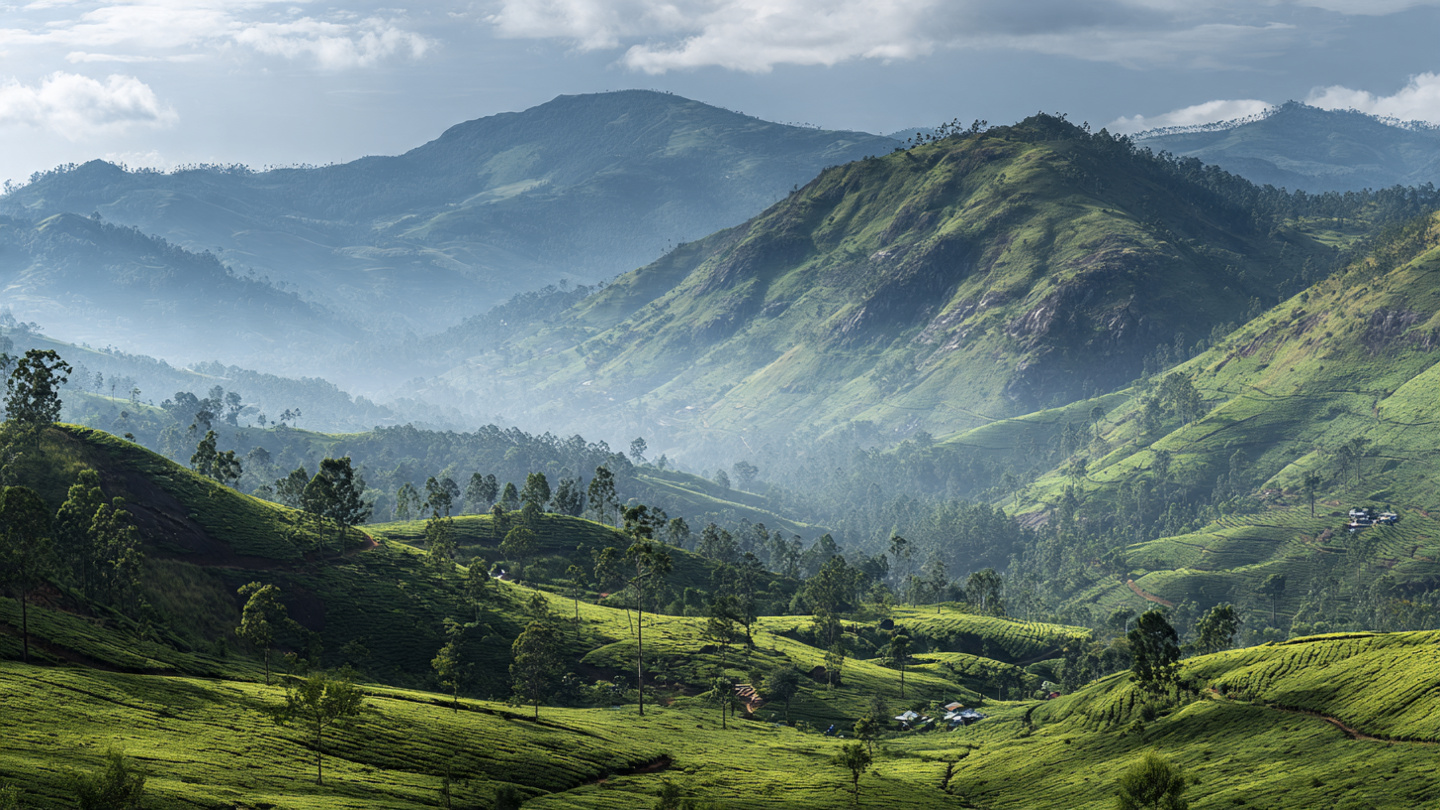
Ceylon tea Sri Lanka is often known worldwide as a product, yet for travelers, it represents an entire landscape shaped by hills, climate, and daily life. Once the tourist leaves the coast behind, the landscape changes rapidly. The heat gives way to cooling, the roads rise steeply, and rolling fields of tea stretch out as far as the eye can see. At this point, the real start of the tea landscape as a destination, rather than a product, is reached.
When it comes to international travelers, Sri Lanka tea is never in one place. Rather, it is always grown in several different areas, and each location provides a different experience for the tourist. Due to this, knowing more about the regions in which tea is grown is as important as knowing more about Sri Lanka tea.
Why Tea Regions Matter for Travelers
Most online information about Sri Lankan tea focuses on export quality, processing styles, or brand names. That approach serves buyers and collectors, but it does very little for people planning a journey. Travelers need different answers. They want to know where landscapes are most scenic, which areas feel crowded or quiet, and how tea country fits into a realistic travel route.
Sri Lanka officially recognizes seven tea-growing regions. These are not marketing labels. They are geographically defined areas shaped by altitude, rainfall, and terrain. From a travel perspective, each region offers a distinct experience. Some are cool and colonial in character. Others feel remote and rural. A few are easy to reach from major cities, while others reward slow exploration.
By viewing tea regions as destinations rather than production zones, travelers gain clarity. It becomes easier to choose where to stay, how long to spend in each area, and which regions align with personal interests such as photography, hiking, or cultural immersion.
For broader travel context and seasonal planning related to Sri Lanka’s hill country and inland regions, the Sri Lanka Tourism authority offers official guidance for international visitors.
How This Guide Is Structured
This guide explains the seven tea regions of Sri Lanka through a traveler-focused lens. Instead of technical descriptions, each region is presented in terms of landscape, climate, accessibility, and overall travel experience. The goal is to help international visitors decide which regions belong in their itinerary and why.
The regions are organized from higher elevations to lower ones. This order reflects how many visitors naturally move through tea country as they travel inland from the coast and later descend toward southern or western routes.
For readers who want a broader overview of tea travel across Sri Lanka, including history, transport, and how tea culture connects with other destinations, this comprehensive resource provides that context: Sri Lanka Tea: The Complete Travel Guide to Ceylon Tea Country
This article focuses specifically on regional understanding. Later sections will explore how these regions differ, what kind of traveler each suits best, and how they can be combined into a well-paced journey.
For readers interested in historical and geographic background beyond travel planning, editorial sources such as Encyclopaedia Britannica provide broader context on Sri Lanka’s tea heritage.
Overview of the Seven Tea Regions of Sri Lanka

How Sri Lanka’s Tea Landscape Is Organized
Sri Lanka divides its tea country into seven officially recognized regions. Each region follows natural boundaries created by elevation, rainfall patterns, and terrain. These factors influence how tea grows, but they also shape the travel experience in very visible ways.
As you move through the island, you do not pass through tea country in a single continuous stretch. Instead, tea regions appear as distinct zones. Roads climb sharply, weather changes within minutes, and scenery shifts from dense forest to open hillsides. These transitions help travelers feel when they enter a new tea region, even before signs or maps confirm it.
Understanding this structure helps international visitors plan realistic routes. It prevents rushed travel days and allows time to appreciate how each region differs from the next.
High-Grown, Mid-Grown, and Low-Grown Regions
Travelers often hear tea regions described using elevation terms. These categories matter because they affect climate, scenery, and comfort levels during a visit.
High-grown regions sit at the highest elevations. They offer cool temperatures, misty mornings, and some of the most iconic tea landscapes in Sri Lanka. These areas appeal strongly to first-time visitors and photographers.
Mid-grown regions sit slightly lower. They experience warmer days, fewer crowds, and more variation in terrain. Many of these regions reward slow travel, scenic drives, and walking routes through tea villages.
Low-grown regions stretch across warmer and wetter parts of the island. Tea grows closer to the coast, surrounded by dense vegetation. These regions attract fewer tourists, but they fit well into itineraries that combine beaches, rainforests, and rural travel.
This guide follows that elevation-based flow because it mirrors how most international travelers move through the country.
The Seven Regions at a Glance
Sri Lanka’s seven tea regions include:
-
Nuwara Eliya
-
Uda Pussellawa
-
Dimbula
-
Uva
-
Kandy
-
Ruhuna
-
Sabaragamuwa
Each region plays a role in Sri Lanka’s tea identity, but no two feel the same to visit. Some regions feel polished and well-developed for tourism. Others remain quiet and locally focused. A few lie directly along popular travel routes, while others require deliberate planning.
Rather than ranking these regions, this guide explains how they differ so travelers can choose based on personal interests. Scenic views, climate comfort, crowd levels, and accessibility often matter more than tea production details.
Choosing Regions That Match Your Travel Style
International travelers approach tea country with different expectations. Some want dramatic landscapes and cool weather. Others prefer quieter roads, fewer visitors, and deeper local interaction. A few travelers want tea experiences that fit easily into a packed itinerary without long detours.
The sections ahead break down each tea region using those priorities. For each region, you will see what the landscape looks like, how it feels to spend time there, and which type of traveler benefits most from including it.
This approach helps you design a journey that feels balanced rather than overwhelming. Instead of trying to see everything, you can focus on the regions that truly match your pace and interests.
For official classification and background on how Sri Lanka defines its tea-growing regions, the Sri Lanka Tea Board provides authoritative reference material on Ceylon tea geography.
High-Grown Tea Regions of Sri Lanka

What Defines High-Grown Tea Country
High-grown tea regions sit at the highest elevations in Sri Lanka, usually above 5,000 feet. These areas experience cooler temperatures, frequent mist, and slower-paced daily life. For international travelers, the change feels immediate. Heat fades, air turns crisp, and landscapes open into rolling hills covered with carefully maintained tea fields.
High elevations also shape how towns developed. Many roads, bungalows, and estates reflect colonial-era planning. Visitors often describe these regions as calm, orderly, and visually striking. Because of these qualities, high-grown regions often form the first mental image travelers associate with tea country.
Sri Lanka has two officially recognized high-grown tea regions: Nuwara Eliya and Uda Pussellawa. While they share altitude, they offer very different travel experiences.
Explore Nuwara Eliya tea estates area & Uda Pussellawa tea belt on Google Maps
Nuwara Eliya: The Iconic Tea Highlands
Nuwara Eliya sits at the heart of Sri Lanka’s central highlands. Many travelers refer to it as “Little England” because of its cool climate, colonial architecture, and neatly arranged estates. Roads wind through open valleys, with tea fields spreading across gentle slopes in every direction.
This region attracts the highest number of tea-focused visitors. Its popularity comes from easy access, scenic viewpoints, and a wide selection of visitor-friendly tea estates. Travelers can explore tea landscapes without long detours or complex planning.
Nuwara Eliya suits travelers who:
-
Visit tea country for the first time
-
Prefer cooler weather
-
Want scenic views with minimal effort
-
Enjoy well-developed tourist infrastructure
However, popularity brings trade-offs. During peak seasons, traffic increases and popular viewpoints draw crowds. Travelers who prefer quiet exploration often limit their stay or visit surrounding areas early in the morning.
We booked a tour for two weeks at the end of February 2023. The car was very comfortable and the driver was knowledgeable and very helpful.
Read more reviews on Tripadvisor
Uda Pussellawa: Misty and Less Explored Highlands
Uda Pussellawa lies close to Nuwara Eliya but feels noticeably different. Heavy mist, frequent rain, and rugged terrain give this region a raw, atmospheric character. Tea fields appear less manicured, and settlements feel smaller and more rural.
Fewer travelers pass through Uda Pussellawa, mainly because major tourist routes bypass it. That makes the region appealing to visitors who want to experience high-grown tea country without crowds. Roads narrow, views feel more dramatic, and daily life moves at a slower pace.
Uda Pussellawa suits travelers who:
-
Prefer quiet landscapes
-
Enjoy moody weather and dramatic scenery
-
Travel slowly and value atmosphere over convenience
-
Avoid heavily commercialized destinations
Accommodation options remain limited, and transport requires more planning. For many visitors, that challenge becomes part of the appeal rather than a drawback.
Best Time to Visit High-Grown Regions
The best conditions for visiting high-grown tea regions usually occur between January and April. During this period, skies clear more often, visibility improves, and walking through tea fields feels comfortable throughout the day.
Outside these months, mist and rain increase. While visibility drops at times, the landscapes gain a dramatic quality that many photographers appreciate. Travelers who value mood and atmosphere over clear views often enjoy visiting during quieter months.
How High-Grown Regions Fit Into an Itinerary
High-grown tea regions often work best as the first inland stop after leaving the coast or cultural triangle. They provide a clear shift in climate and scenery, helping travelers slow down after busy travel days.
Many visitors combine high-grown regions with nearby destinations such as scenic train routes, waterfalls, and short walking trails. Others use them as a base for deeper exploration of tea country before descending into mid-grown regions.
Mid-Grown Tea Regions of Sri Lanka
Why Mid-Grown Regions Feel More Balanced
Mid-grown tea regions sit between the cool highlands and the warmer lowlands. Elevations usually range from 2,000 to 5,000 feet. This middle zone creates a balance that many international travelers find comfortable. Days feel warm without being hot, evenings cool down naturally, and landscapes feel more varied.
These regions often receive fewer visitors than Nuwara Eliya. Roads pass through tea fields, forests, villages, and river valleys instead of open hills alone. Because of this mix, mid-grown regions feel more lived-in and less curated. Travelers often connect more easily with daily life here.
Sri Lanka recognizes three mid-grown tea regions: Dimbula, Uva, and Kandy. Each offers a distinct experience even though they share similar elevations.
Dimbula: Lush Valleys and Scenic Drives
Dimbula stretches across the western slopes of the central highlands. Rainfall remains high, which keeps the landscape dense and deeply green. Tea fields follow the contours of valleys rather than spreading across wide open hills.
Travelers often pass through Dimbula without realizing it. Major routes link nearby destinations, and tea estates line the roads quietly. This makes the region ideal for travelers who enjoy scenic drives and unplanned stops.
Dimbula suits travelers who:
-
Enjoy road trips through green landscapes
-
Prefer quiet surroundings
-
Want tea scenery without tourist crowds
-
Appreciate layered views and river valleys
Accommodation options range from small guesthouses to estate stays, though choices remain more limited than in Nuwara Eliya.
Before our tour we had trouble finding a ride, but the tour operator (Yohan) helped us our tuktuk driver/guide Juli was very helpful, patient and polite person.
Read more reviews on Tripadvisor
Uva: Open Hills and Seasonal Contrast
Uva lies on the eastern side of the central highlands. Wind and drier conditions shape this region’s character. Tea fields stretch across open slopes, and light changes dramatically throughout the day.
Uva remains one of the least visited tea regions. Fewer tour buses reach this side of the hills, and many travelers experience Uva only while passing through on the way to Ella or the eastern plains.
Uva suits travelers who:
-
Prefer open landscapes and wide views
-
Travel outside peak tourist routes
-
Enjoy seasonal variety
-
Seek quieter, less commercialized areas
The region shines between May and September, when weather conditions differ sharply from the western slopes.
Kandy: Tea Integrated with Culture
Kandy sits at a lower elevation within the mid-grown category, but it plays a unique role in tea travel. Unlike other regions, tea here blends into a cultural setting rather than dominating the landscape.
Tea estates appear on the outskirts of the city, often surrounded by forests and temples. Travelers usually visit these estates as part of a broader cultural itinerary rather than a dedicated tea journey.
Kandy suits travelers who:
-
Have limited time
-
Combine tea experiences with cultural sites
-
Prefer easy access and short travel distances
-
Want a brief introduction to tea country
For travelers interested in visiting estates that welcome guests and offer guided experiences, this detailed guide helps plan those visits efficiently: Tea Plantation Visits in Sri Lanka
Explore Mid-Grown Tea Regions of Sri Lanka on Google Maps
Best Time to Visit Mid-Grown Regions
Mid-grown regions remain accessible throughout the year, but conditions vary by slope. Western areas receive more rain during certain months, while eastern regions such as Uva experience drier seasons at the same time.
This variation allows travelers to adjust routes seasonally. When one side of tea country experiences rain, another often offers clearer skies.
How Mid-Grown Regions Fit Into an Itinerary
Mid-grown regions work well as transition zones. They connect highland tea country with lowland destinations and coastal routes. Many travelers slow down here, spending time on scenic drives, short walks, and relaxed estate stays.
Because these regions sit between major travel hubs, they suit travelers who want flexibility rather than fixed schedules.
It was a great experience and a very nice staff. We were a big group and everyone got their drink very quickly. I highly recommend it.
Read more reviews on Tripadvisor
Low-Grown Tea Regions of Sri Lanka

How Low-Grown Regions Shape Ceylon Tea Sri Lanka
Low-grown tea regions sit closer to sea level and experience warmer temperatures throughout the year. These areas play a major role in defining ceylon tea Sri Lanka, even though they receive far fewer visitors than the highlands. Heat, humidity, and dense vegetation create a very different atmosphere from the cool tea hills most travelers imagine.
For international travelers, low-grown regions feel less polished and more organic. Tea grows alongside rainforests, rivers, and rural settlements. The landscape feels fuller and less open, with fewer panoramic viewpoints but stronger immersion into everyday life.
Sri Lanka has two officially recognized low-grown tea regions: Ruhuna and Sabaragamuwa. Both contribute significantly to the identity of ceylon tea Sri Lanka, yet tourism infrastructure remains limited.
Ruhuna: Tea Near the Southern Routes
Ruhuna stretches across southern Sri Lanka, close to popular beach destinations and coastal highways. Unlike the central highlands, tea fields here blend into tropical surroundings rather than standing apart on open hills.
Travelers often encounter Ruhuna tea while moving between beach towns or inland nature reserves. Tea estates appear unexpectedly along roads that wind through thick vegetation.
Ruhuna suits travelers who:
-
Combine tea exploration with beach travel
-
Prefer warm climates
-
Enjoy spontaneous stops rather than planned estate visits
-
Want to understand how ceylon tea Sri Lanka adapts to low elevations
Because tourism remains minimal, visitors should expect fewer guided experiences and limited accommodation near estates.
We have just checked out of W15 Hanthana and miss it already! We had a wonderful stay and can’t wait to return one day.
Read more reviews on Tripadvisor
Sabaragamuwa: Rainforest Tea Country
Sabaragamuwa lies along the southwestern edge of the central hills. Heavy rainfall shapes this region, creating lush forests and deeply green landscapes. Tea fields often appear carved into hillsides surrounded by jungle.
This region feels raw and untouched compared to other tea areas. Roads remain narrow, villages small, and tourism nearly absent. Travelers who reach Sabaragamuwa usually do so intentionally, not by chance.
Sabaragamuwa suits travelers who:
-
Seek authentic rural environments
-
Enjoy nature-focused travel
-
Value exploration over comfort
-
Want to experience a lesser-known side of ceylon tea Sri Lanka
The region works best for slow travel rather than short stops.
Best Time to Visit Low-Grown Tea Regions
Low-grown regions remain accessible year-round, but rainfall patterns vary. Afternoon showers occur frequently, especially in Sabaragamuwa. Mornings usually offer the clearest conditions for travel and photography.
Because temperatures stay warm, travelers should plan early starts and relaxed pacing.
How Low-Grown Regions Fit Into a Tea-Focused Journey
Low-grown tea regions rarely form the main focus of a first tea trip. Instead, they complement highland and mid-grown experiences. Travelers often pass through these regions while moving between coastlines, rainforests, and cultural sites.
Including a low-grown region adds contrast. It shows how ceylon tea Sri Lanka changes across climates and landscapes, creating a fuller understanding of the country’s tea identity.
Comparing the Seven Tea Regions for International Travelers

Why Comparison Matters When Planning Tea Travel
For international visitors, choosing where to go matters as much as understanding what each place offers. While all seven regions contribute to ceylon tea Sri Lanka, they do not serve the same type of traveler. Therefore, comparing them side by side helps avoid rushed itineraries and unnecessary travel days.
Rather than trying to visit every region, most travelers benefit from selecting two or three that match their pace, interests, and climate preferences. As a result, the journey feels more intentional and far less exhausting.
Climate and Comfort Differences
Climate plays a major role in how tea regions feel on a daily basis. For example, high-grown regions offer cool mornings and crisp evenings, which many travelers from warmer climates find refreshing. However, frequent mist can reduce visibility at times.
Mid-grown regions, on the other hand, strike a balance. Temperatures remain comfortable, and weather changes feel less extreme. Because of this, these regions often suit longer stays and flexible schedules.
Meanwhile, low-grown regions stay warm and humid throughout the year. While this climate may feel challenging to some travelers, it also supports dense greenery and a strong sense of immersion. Therefore, visitors who enjoy tropical environments often appreciate these areas more than expected.
Scenery and Visual Experience
Scenery varies significantly across tea country. High-grown regions deliver open views, rolling hills, and postcard-style landscapes. As a result, they attract photographers and first-time visitors in large numbers.
In contrast, mid-grown regions present layered scenery. Valleys, rivers, forests, and tea fields combine to create visual variety. Because roads pass through multiple environments, the journey itself often becomes the highlight.
Low-grown regions feel different again. Dense vegetation replaces wide views, and tea fields blend into rainforest surroundings. Although panoramic viewpoints remain rare, the sense of depth and richness increases. Consequently, these regions appeal to travelers who value atmosphere over spectacle.
Crowd Levels and Travel Pace
Crowd levels influence how travelers experience tea regions. High-grown areas, especially around Nuwara Eliya, draw the largest number of visitors. Therefore, planning early starts or shoulder-season visits becomes important.
Mid-grown regions receive fewer tourists overall. As a result, travelers often enjoy quieter roads, relaxed walks, and more spontaneous stops. This makes them ideal for slow travel.
Low-grown regions experience very little tourism. Because of this, visitors encounter minimal infrastructure but maximum authenticity. Travelers who accept this trade-off often find these regions deeply rewarding.
Accessibility and Route Planning
Accessibility also shapes regional choices. High-grown regions connect well to established travel routes and rail lines. Therefore, they fit easily into most itineraries.
Mid-grown regions act as connectors. They link highlands with lowlands and coastal areas. Because of this, they offer flexibility and allow travelers to adjust plans based on weather or time constraints.
Low-grown regions require more deliberate planning. Roads narrow, signage decreases, and public transport options remain limited. However, travelers who plan carefully gain access to landscapes that feel untouched by tourism.
Choosing the Right Combination of Regions
Ultimately, the best tea journey does not involve seeing everything. Instead, it involves selecting regions that complement one another. For example, combining one high-grown region with one mid-grown region often provides contrast without fatigue.
Adding a low-grown region later can deepen understanding of ceylon tea Sri Lanka, especially for travelers interested in rural life and tropical environments. Therefore, thoughtful selection leads to a richer and more balanced experience.
When to Visit Sri Lanka’s Tea Regions

Why Timing Shapes the Tea Travel Experience
Timing plays a critical role in how travelers experience ceylon tea Sri Lanka. While tea grows throughout the year, weather patterns change noticeably across regions. Therefore, understanding seasonal differences helps travelers choose routes that feel comfortable and visually rewarding.
Because Sri Lanka’s tea regions sit on different slopes of the central hills, they do not share the same weather at the same time. As a result, when one region experiences rain, another often enjoys clearer skies. This contrast allows travelers to adjust plans instead of postponing trips.
Best Months for High-Grown Tea Regions
High-grown regions such as Nuwara Eliya and Uda Pussellawa experience their most stable weather from January to April. During these months, mornings feel clear, temperatures remain cool, and visibility improves across tea fields.
However, even outside this period, these regions still attract visitors. Mist and light rain add atmosphere, especially for photographers. Therefore, travelers who value mood and quiet landscapes often choose shoulder months over peak season.
Seasonal Patterns in Mid-Grown Regions
Mid-grown regions show more variation. Western-facing areas receive heavier rainfall during certain monsoon periods, while eastern regions such as Uva follow a different cycle.
Because of this, Uva often offers favorable conditions between May and September. Meanwhile, western mid-grown regions feel more comfortable earlier in the year. Therefore, travelers can shift routes seasonally instead of avoiding tea country altogether.
Visiting Low-Grown Tea Regions Year-Round
Low-grown regions remain accessible throughout the year. Temperatures stay warm, and vegetation remains dense. However, afternoon rain becomes common, especially in rainforest zones.
For this reason, travelers often plan early starts and relaxed afternoons. Mornings provide the best conditions for exploration and photography. As a result, pacing matters more than timing in these regions.
Planning a Flexible Tea Itinerary
Instead of locking in fixed dates for every region, many international travelers benefit from flexible planning. By understanding how ceylon tea Sri Lanka responds to seasonal shifts, travelers can move between regions based on current conditions.
This approach reduces weather-related frustration and increases the chance of experiencing tea country at its best. Ultimately, flexibility turns potential challenges into advantages.
Matching Season to Travel Style
Some travelers prefer clear skies and open views. Others enjoy mist, rain, and dramatic light. Because each tea region responds differently to seasons, travelers can align timing with personal preferences rather than following generic travel advice.
For this reason, there is no single perfect time to visit all tea regions. Instead, the best time depends on which regions you choose and how you want to experience them.
How to Combine Tea Regions Into a Realistic Travel Route

Why Route Planning Matters in Tea Country
Tea regions may appear close together on a map. However, travel time often feels longer than expected. Winding roads, elevation changes, and weather conditions slow movement through tea country. Therefore, building a realistic route becomes essential for enjoying ceylon tea Sri Lanka without exhaustion.
Instead of hopping between regions daily, most international travelers benefit from staying longer in fewer places. As a result, the journey feels calmer and more immersive.
Starting From the Coast or Cultural Triangle
Many travelers begin their journey from Colombo, the southern coast, or the cultural triangle. From these points, moving gradually inland works best.
For example, travelers coming from the coast often reach Kandy first. Because of this, Kandy serves as a gentle introduction to tea landscapes before higher elevations. Meanwhile, travelers coming from Sigiriya or Dambulla also find Kandy a natural transition point.
For travelers deciding which tea regions to visit based on cost and accessibility, this practical guide to budget tea tourism in Sri Lanka shows how to experience different areas without overspending.
Moving Up Into High-Grown Tea Regions
After Kandy, routes usually climb toward high-grown regions. This change marks a clear shift in climate and scenery. Therefore, travelers often slow their pace at this stage.
Nuwara Eliya works well as a first highland base. However, travelers who prefer quieter environments may choose nearby areas instead. As a result, high-grown regions often become the emotional highlight of ceylon tea Sri Lanka for first-time visitors.
Descending Through Mid-Grown Regions
From the highlands, routes naturally descend into mid-grown regions such as Dimbula and Uva. These areas connect tea country with popular destinations like Ella and the eastern plains.
Because of this position, mid-grown regions suit flexible planning. Travelers can shorten or extend stays depending on weather and energy levels. Meanwhile, scenic drives and short walks provide variety without requiring structured activities.
Integrating Low-Grown Regions Thoughtfully
Low-grown regions rarely serve as the main focus of a tea journey. Instead, they add contrast. Travelers often encounter them while heading toward southern beaches or rainforest areas.
For this reason, low-grown regions work best as part of a broader itinerary rather than a standalone destination. Including even a brief stop deepens understanding of how ceylon tea Sri Lanka adapts across climates.
Avoiding Common Routing Mistakes
Many travelers try to see too much too quickly. However, frequent base changes reduce enjoyment and increase fatigue. Therefore, choosing two or three regions and exploring them deeply often leads to better experiences.
Another common mistake involves ignoring elevation changes. Sudden climate shifts can feel tiring. As a result, gradual movement between regions creates a smoother travel rhythm.
Creating Balance Between Tea and Other Experiences
Tea regions do not exist in isolation. They connect naturally with waterfalls, hiking trails, cultural sites, and scenic train journeys. Because of this, travelers should treat tea country as part of a wider experience rather than a single-purpose trip.
Ultimately, thoughtful routing transforms ceylon tea Sri Lanka from a checklist into a meaningful journey.
What Each Tea Region Is Best Known For

Understanding Regional Strengths Before You Choose
Each tea region contributes differently to the identity of ceylon tea Sri Lanka. While all regions grow tea, they do not offer the same travel value. Therefore, understanding what each region does best helps travelers avoid disappointment and align expectations with reality.
Instead of ranking regions by quality, this section highlights how each one stands out from a visitor’s perspective.
Nuwara Eliya: Classic Tea Scenery and First Impressions
Nuwara Eliya defines the classic image many travelers associate with ceylon tea Sri Lanka. Neatly trimmed tea fields, colonial-era buildings, and cool weather create a polished introduction to tea country.
Because of its accessibility and infrastructure, this region suits first-time visitors and short stays. However, popularity brings crowds during peak months. Therefore, early mornings and off-season visits often provide the best experience.
Uda Pussellawa: Atmosphere and Untouched Landscapes
Uda Pussellawa stands out for its mood rather than convenience. Mist, rain, and rugged terrain shape a dramatic environment that feels distant from mainstream tourism.
Travelers who value solitude and atmosphere often connect deeply with this region. As a result, it appeals strongly to photographers and slow travelers who enjoy quiet exploration.
Dimbula: Scenic Drives and Layered Views
Dimbula rarely draws attention, yet it delivers some of the most scenic road journeys in tea country. Valleys, rivers, and tea fields overlap, creating constantly changing views.
Because travelers usually pass through rather than stay, Dimbula rewards those who slow down. Therefore, unplanned stops often become the highlight of visiting this region.
Uva: Space, Light, and Seasonal Contrast
Uva offers openness. Wide slopes, strong winds, and changing light give the region a distinct personality. Unlike western regions, Uva follows different seasonal patterns.
As a result, Uva often provides better conditions when other regions receive rain. Travelers who time their visit well experience a quieter and more expansive side of ceylon tea Sri Lanka.
Kandy: Tea Within a Cultural Setting
Kandy blends tea into a broader cultural environment. Tea estates sit close to temples, lakes, and historical sites. Therefore, travelers often experience tea as part of a cultural itinerary rather than a separate journey.
This region suits visitors with limited time who want a brief introduction without traveling deep into tea country.
Ruhuna: Tea Along Coastal Routes
Ruhuna integrates tea into lowland travel routes near southern beaches. Tea fields appear unexpectedly, surrounded by tropical vegetation.
Because tourism remains minimal, travelers experience Ruhuna casually rather than through structured visits. As a result, this region adds contrast rather than focus.
Sabaragamuwa: Depth and Authenticity
Sabaragamuwa feels raw and deeply local. Dense forests, heavy rainfall, and limited infrastructure define the region.
Travelers who reach this area usually seek authenticity over comfort. Therefore, Sabaragamuwa appeals to those who want to understand ceylon tea Sri Lanka beyond postcard images.
Choosing Based on Experience, Not Reputation
Ultimately, no single region suits every traveler. Some regions offer beauty and convenience. Others offer solitude and immersion. Therefore, choosing based on travel style leads to a more satisfying experience than following popularity alone.
Common Mistakes International Travelers Make in Tea Country

Why Expectations Often Miss Reality
Many international travelers arrive with a fixed image of ceylon tea Sri Lanka. They expect endless viewpoints, daily factory tours, and easy movement between regions. However, tea country works differently. Therefore, understanding common mistakes helps travelers plan with clarity rather than assumption.
Trying to Visit Too Many Regions
One of the most common mistakes involves overloading the itinerary. Because the island looks small on a map, travelers often assume short travel times. In reality, mountain roads slow progress significantly. As a result, frequent base changes create fatigue instead of enjoyment.
Instead, choosing two or three tea regions allows deeper exploration. Consequently, travelers experience landscapes more fully and avoid rushed days.
Expecting Constant Estate Access
Another common misconception involves visitor access. While tea fields stretch across vast areas, not every estate welcomes visitors. Therefore, assuming spontaneous entry often leads to disappointment.
Travelers who want structured visits should plan ahead and understand where access exists. Otherwise, enjoying tea country through scenery, walking routes, and local interactions often proves more rewarding.
Ignoring Seasonal Differences Between Regions
Some travelers plan tea visits without considering seasonal variation. However, rainfall patterns differ sharply between regions. Because of this, weather can feel excellent in one area and challenging in another at the same time.
By adjusting routes based on season, travelers maintain flexibility. As a result, they avoid unnecessary weather-related frustration.
Focusing Only on Famous Locations
High-profile regions attract attention, but they do not represent the entire experience of ceylon tea Sri Lanka. Travelers who visit only well-known areas often miss quieter and more authentic regions.
Therefore, balancing popular stops with lesser-known regions creates contrast. This approach deepens understanding and often leads to more memorable experiences.
Underestimating Travel Pace
Tea country invites slower movement. Long drives, cool mornings, and quiet afternoons encourage rest rather than constant activity. Travelers who maintain city-style pacing often feel rushed.
In contrast, travelers who slow down tend to connect more deeply with the environment. Consequently, fewer activities often result in stronger memories.
Learning From These Mistakes
Avoiding these common issues does not require complex planning. Instead, it requires realistic expectations and flexible thinking. Therefore, understanding how tea regions function allows travelers to enjoy ceylon tea Sri Lanka on its own terms rather than forcing it into rigid schedules.
Tea Regions and Travel Styles

Matching Tea Regions With How You Like to Travel
Every traveler approaches tea country differently. Some seek scenic viewpoints and mild weather. Others prefer quiet roads, slow mornings, and fewer crowds. Because of this, choosing tea regions based on travel style leads to better experiences than following popularity alone.
Understanding how each region aligns with specific travel preferences helps international visitors enjoy ceylon tea Sri Lanka without unnecessary compromise.
For First-Time Visitors to Tea Country
First-time visitors often want clear views, easy access, and well-developed infrastructure. Therefore, high-grown regions usually feel more comfortable.
These regions offer:
-
Cooler temperatures
-
Open landscapes
-
Clear signage and transport options
Because expectations match reality, first-time travelers often feel satisfied even during short stays.
For Slow Travelers and Long Stays
Some travelers value depth over highlights. They prefer staying longer in one place rather than moving frequently. Mid-grown regions support this style well.
These regions offer:
-
Varied landscapes
-
Fewer tourists
-
Flexible routing
As a result, travelers can explore at their own pace while still experiencing the diversity of ceylon tea Sri Lanka.
For Off-the-Beaten-Path Explorers
Adventurous travelers often avoid mainstream routes. They seek authenticity, solitude, and local rhythm. Low-grown and less-visited mid-grown regions suit this mindset.
These regions offer:
-
Minimal tourism infrastructure
-
Strong local presence
-
Deeper immersion
However, travelers should prepare carefully. Planning transport and accommodation in advance reduces friction and improves comfort.
For Photographers and Visual Storytellers
Photographers often prioritize light, atmosphere, and mood. High-grown regions provide iconic views, while misty regions offer dramatic conditions.
Because weather changes quickly, photographers benefit from flexibility. Early mornings and quiet seasons often produce the strongest results.
For Travelers Combining Tea With Other Interests
Many international visitors combine tea exploration with hiking, waterfalls, culture, or scenic rail journeys. Because tea regions connect naturally with these experiences, travelers can blend interests without difficulty.
Mid-grown regions often serve as the best connectors. They allow travelers to shift between activities without major detours.
Choosing What Fits You Best
No tea region fits every traveler equally. However, aligning travel style with regional character creates a smoother journey. Therefore, understanding how each region supports different preferences helps travelers experience ceylon tea Sri Lanka with confidence and intention.
Final Thoughts on Exploring the Seven Tea Regions of Sri Lanka
Seeing Tea Country as a Journey, Not a Checklist
Exploring tea regions works best when travelers treat the experience as a journey rather than a checklist. While it may feel tempting to visit every region, doing so often reduces enjoyment. Therefore, selecting regions thoughtfully creates a more meaningful connection with ceylon tea Sri Lanka.
Tea country reveals itself gradually. Landscapes shift, temperatures change, and daily rhythms slow. Because of this, allowing time for adjustment becomes just as important as choosing where to go.
Building a Personal Connection With Tea Regions
Every traveler connects with tea country differently. Some feel drawn to open hills and cool air. Others prefer dense forests and quiet roads. There is no single correct way to experience these regions.
Instead, the value lies in choosing places that match your pace and curiosity. When travelers align destinations with personal interests, the journey feels natural rather than forced.
Letting Regions Shape the Experience
Tea regions influence travel in subtle ways. Weather affects mood. Elevation affects energy. Landscape affects how time passes. Because of this, listening to the environment often leads to better decisions than following rigid plans.
Travelers who remain flexible tend to discover moments that guidebooks never mention. These moments define long-lasting memories of ceylon tea Sri Lanka.
A Thoughtful Approach Leads to Deeper Travel
Understanding the seven tea regions provides clarity, but it also encourages restraint. Rather than chasing every viewpoint or estate, travelers can focus on presence and pace.
Ultimately, tea country rewards patience. By slowing down and choosing regions intentionally, international visitors gain a richer and more personal experience of Sri Lanka’s tea landscapes.
Frequently Asked Questions About Sri Lanka’s Tea Regions
General Questions About Tea Regions
Sri Lanka has seven officially recognized tea regions. These regions are defined by geography, elevation, and climate rather than administrative boundaries. Each region contributes differently to the overall identity of ceylon tea Sri Lanka.
Not always. Some tea regions overlap with well-known destinations, while others remain largely rural. Travelers often pass through certain regions without realizing they are in a tea-growing area. Understanding the regions helps travelers plan more intentionally.
No. Tea landscapes vary widely across the island. High-grown regions feature open hills and cooler weather, while low-grown regions feel tropical and dense. These differences strongly affect how each region feels to visit.
Planning and Itinerary Questions
First-time visitors often feel most comfortable in high-grown regions because of cooler temperatures, scenic views, and better infrastructure. These regions provide a clear introduction to tea country without complex planning.
Most international travelers enjoy visiting two or three regions on a single trip. Visiting more often leads to rushed travel days. Fewer regions allow deeper exploration and a more relaxed pace.
Yes. Tea regions such as Kandy or nearby highland areas work well for shorter trips. Travelers with limited time often combine one tea region with cultural or coastal destinations.
Best Time and Weather Questions
The best time depends on the region. High-grown areas usually feel most comfortable from January to April. Eastern regions follow different seasonal patterns, which allows flexibility when planning routes.
Tea regions remain accessible year-round. Rain affects visibility and road conditions at times, but it rarely stops travel completely. Many travelers enjoy the atmosphere rain brings to tea landscapes.
Yes. Visiting outside peak season often means fewer crowds and lower prices. While visibility may change, landscapes remain lush, and the experience feels more personal.
Experience and Expectations
In many areas, travelers can walk along roads and paths that pass through tea fields. However, estates are working environments, so visitors should respect boundaries and local activity.
Not necessarily. Many travelers enjoy tea regions through scenery, walking routes, and estate stays rather than guided factory tours. Planning depends on how structured you want the experience to be.
Yes, especially high-grown and mid-grown regions with cooler climates and easy access. Families often enjoy scenic drives, short walks, and relaxed stays in tea country.
Choosing the Right Region
High-grown regions offer open views and soft light, while misty regions provide dramatic atmosphere. Photographers often prefer early mornings and flexible schedules.
Mid-grown and low-grown regions generally receive fewer visitors. Travelers seeking quiet landscapes and slower travel often choose these areas.
Yes, especially for travelers interested in rural life and tropical environments. These regions add contrast and help travelers understand how ceylon tea Sri Lanka changes across climates.


