

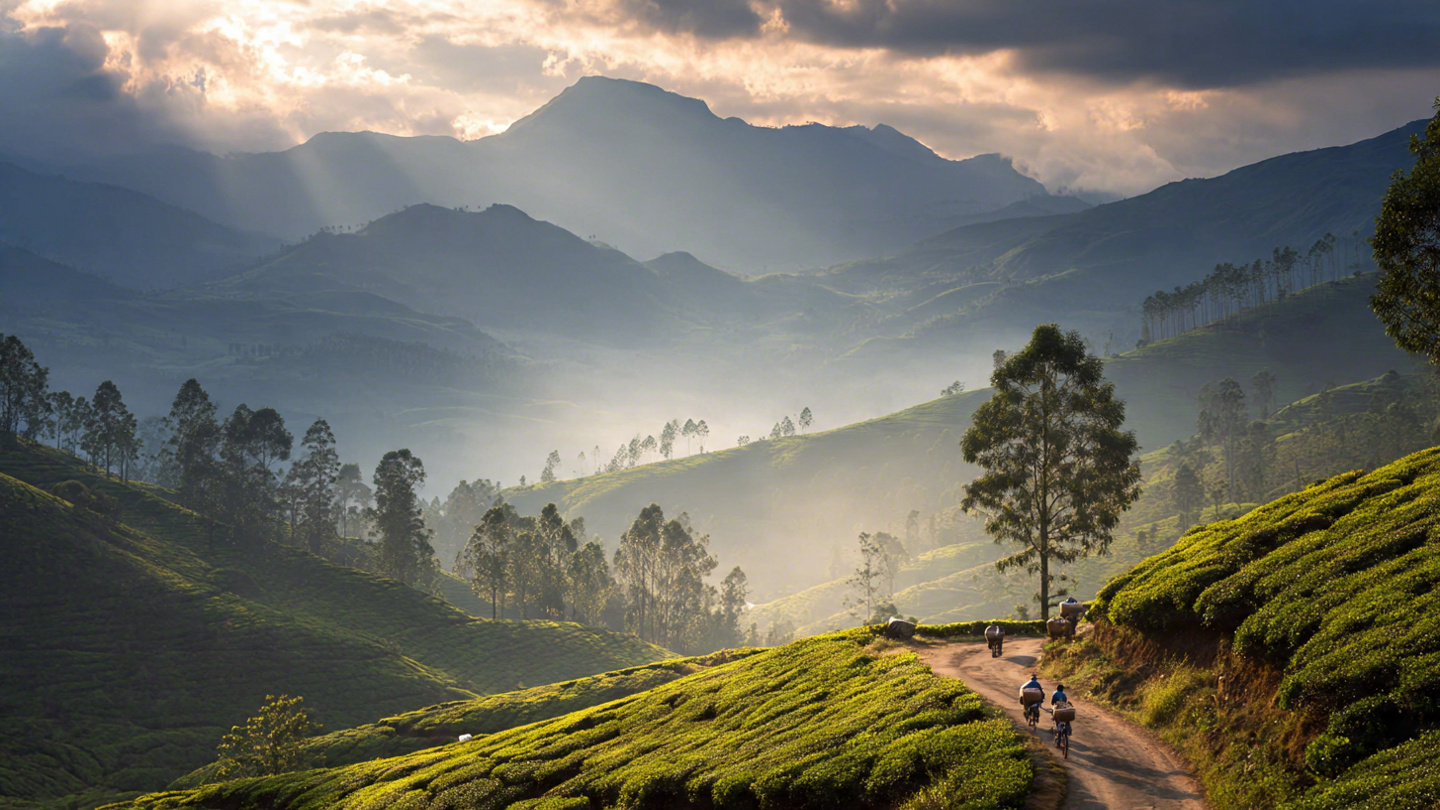
Plantation Visit in Sri Lanka: A tea plantation visit in Sri Lanka is an experience that begins even before one enters a tea factory or a tea plantation. The journey itself is a prelude to such a visit. The moment one moves along the roads leading to hill stations, there is a transition in landscape. The warm climate and air in coastal areas give way to a cool climate and valleys that bloom into a series of green hills.
To understand how individual tea plantation visits fit into the wider landscape of tea regions, travel routes, and cultural context, this experience connects naturally with the complete Sri Lanka Tea travel guide Before choosing which estates to visit, it helps to understand how tea-growing areas differ across the country, and this guide to the seven tea regions of Sri Lanka explains the geography, climate, and travel character of each region.
Tea plantations are seldom situated in the bustling center. They are situated above the town, and the linkage between them and the town passes through roads in the tea estates. This gives an initial idea that tea estates are neither fun spots nor an attraction. They are working places, which are determined by the regular, rather than visitor, routine. Visiting the tea plantations in Sri Lanka would provide an insight into all this.
The Scale and Landscape of Tea Estates
One of the first impressions most visitors have is the sheer scale of tea cultivation. Tea bushes stretch across hills as far as the eye can see, forming repeating patterns that follow the natural curves of the land. Photographs rarely capture how extensive these fields truly are in a tea plantation Sri Lanka.
Walking through these areas highlights how closely tea production is tied to geography. Steep slopes, narrow paths, and uneven terrain make large machinery impractical. This explains why human labor remains central to tea harvesting. Observing this relationship between land and work gives visitors a deeper appreciation of how tea shapes both the landscape and livelihoods. Experiencing a tea plantation in Sri Lanka provides insights beyond the tea fields themselves.
Inside a Working Tea Factory
For many travelers, entering a tea factory becomes the most memorable part of the visit. These factories are not polished exhibition spaces. They are active, functional environments filled with sound, heat, and movement. Machines roll, dry, and sort tea continuously, creating a rhythm that reflects the production process.
The sensory experience stands out. The scent of fresh leaves mixes with warm air, and the constant motion of equipment makes it clear that tea production is ongoing, not staged for tourists. Guides explain each step, but understanding deepens when visitors watch leaves transform from harvest to finished product in real time. This transformation is a testament to the unique processes found on a tea plantation in Sri Lanka.
A Slower Pace That Encourages Observation
Tea plantation visits move at a noticeably slower pace than many popular attractions. There is rarely pressure to rush through explanations or walk quickly from one point to another. Visitors are encouraged to observe, ask questions, and take time to understand what they are seeing.
This slower rhythm allows travelers to absorb details that might otherwise be missed. The way leaves are handled, how machines are adjusted, and how workers move confidently through familiar spaces all contribute to a fuller understanding of the process. Time feels less structured, which helps the experience feel authentic rather than transactional.
Human Interaction on the Estates
Another element that surprises many visitors is the level of informal interaction. Estate workers, guides, and managers often engage casually with travelers. These conversations may be brief, but they provide valuable context.
Through small exchanges, visitors learn how long families have lived on estates, how seasons affect daily work, and how tea influences life beyond tourism. These moments add depth to the visit and help humanize what might otherwise feel like a technical process.
Different Types of Plantation Experiences
Not all tea plantation visits are the same. Some estates focus heavily on education, offering detailed explanations of processing stages and tea grading. Others prioritize scenic views, photography opportunities, or relaxed tasting sessions. A few combine these elements with colonial-era buildings or landscaped gardens.
Understanding these differences matters. Travelers who align their expectations with the type of estate they visit tend to enjoy the experience more. A plantation designed for learning will feel different from one designed primarily for atmosphere or leisure.
How Regions Shape the Experience
Regional variation also plays a role in how plantation visits feel. Climate, elevation, and terrain influence both tea production and visitor experience. Cooler, higher regions often feel quieter and slower, while lower areas may feel warmer and more active.
Even when tours follow similar formats, these environmental differences subtly affect how visitors perceive the experience. Over time, travelers begin to recognize how each region brings its own character to tea cultivation.
Leaving with a Broader Understanding
By the end of a plantation visit, most travelers take away more than information about tea. They gain insight into how Sri Lanka’s hill country functions as a system shaped by agriculture, labor, and environment. This understanding often influences how visitors experience the rest of their journey through the interior regions of the country.
Tea plantations become more than scenic stops. They act as entry points into the history, economy, and daily life of Sri Lanka’s highlands, making each tea plantation Sri Lanka visit a culturally enriching experience.
If you are planning to visit tea estates while keeping costs low, this detailed guide to budget tea tourism in Sri Lanka explains how to explore plantations, factories, and tea regions affordably.
Best Tea Plantations to Visit in Sri Lanka (Expanded Comparison-Based Guide)

Choosing where to visit a tea plantation in Sri Lanka is not a matter of finding the most famous estate. It is about understanding how different plantations function as visitor experiences. Factors such as location, accessibility, tourism exposure, and production focus shape what travelers actually encounter on site. This section expands on those differences to help travelers make informed choices rather than relying on generic recommendations.
Why “Best” Depends on Experience, Not Reputation
Many travel guides label certain plantations as the best without explaining why. In practice, the quality of a visit depends on alignment between the plantation and the traveler’s expectations. Some estates are optimized for education, others for scenery, and some for efficiency. None of these approaches are inherently superior, but each serves a different type of visitor.
Travelers who understand this distinction tend to enjoy their visits more. A plantation that feels rushed to one traveler may feel perfectly structured to another. Recognizing this helps prevent disappointment and encourages more intentional planning.
Educational-Focused Tea Plantations
Some tea plantations prioritize explaining how tea is produced in a clear and structured way. These estates typically offer guided factory tours with step-by-step explanations of each production stage. Visitors are walked through processes slowly, with time allocated for questions.
These plantations suit travelers who want to leave with a solid understanding of how tea moves from leaf to cup. They are especially useful for first-time visitors who want clarity rather than atmosphere. The experience here feels instructional rather than exploratory, which appeals to travelers who value learning over wandering.
However, these estates may not offer expansive tea field walks or dramatic viewpoints. The focus remains on the factory and process rather than landscape immersion.
Scenic-Oriented Tea Plantations
Other plantations place greater emphasis on visual experience. These estates are often located on steeper slopes or higher elevations, where tea fields create strong visual impact. Walks through the fields may be informal, allowing visitors to explore paths and viewpoints at their own pace.
Factory tours in these locations are often shorter. The assumption is that visitors are there for atmosphere rather than technical detail. These experiences suit travelers who enjoy photography, walking, and observation.
While educational depth may be lighter, the emotional connection to place tends to be stronger. Travelers who enjoy absorbing landscapes often find these visits more memorable than detailed factory explanations.
Efficient and Time-Friendly Tea Estates
Some tea plantations are well suited for travelers with limited time. These estates are easy to reach, operate on predictable schedules, and offer compact tours that fit neatly into half-day plans.
Efficiency does not mean low quality. In fact, these estates often excel at delivering essential information without overwhelming visitors. They suit travelers moving quickly through the hill country or combining tea visits with cultural or transport-heavy days.
The trade-off is depth. These visits provide overview rather than immersion, but for many travelers, that balance is ideal.
Quiet and Less Touristed Tea Plantations
Less-visited regions offer a different category of experience altogether. Tea plantations in quieter areas often operate primarily for production rather than tourism. As a result, visits feel less curated.
Guides may explain processes in a more informal way, and visitors may observe work unfolding naturally rather than on a fixed schedule. These plantations appeal to experienced travelers who value authenticity over convenience.
Reaching these estates often requires more planning, but the reward is a sense of space and calm that is increasingly rare in popular regions.
How Crowd Levels Affect the Experience
Crowd density changes how tea plantations feel. Busy estates move visitors through more quickly and limit time for questions or observation. Quieter estates allow slower movement and deeper engagement.
Travelers sensitive to crowds benefit from visiting early in the day or choosing less popular regions. Those who do not mind busier environments may prioritize accessibility instead.
Understanding crowd dynamics helps travelers set realistic expectations before arriving.
Choosing Based on Travel Style
Rather than ranking plantations from best to worst, it is more useful to match them to travel style. Travelers seeking learning benefit from educational estates. Those drawn to landscapes prefer scenic plantations. Short-stay visitors benefit from efficient locations. Explorers enjoy quieter regions.
This approach shifts planning from comparison anxiety to intentional choice. Tea plantation visits become more satisfying when travelers understand what each type of estate offers.
Tea Estates Near Kandy vs Nuwara Eliya vs Ella (A Detailed Comparison)

When travelers plan to visit tea estates in Sri Lanka, they often face a practical choice rather than a simple preference. Time, route, and travel rhythm usually determine whether Kandy, Nuwara Eliya, or Ella fits best. Although all three areas offer access to tea plantations, the experience differs in meaningful ways depending on location, elevation, and surrounding travel context.
This comparison focuses on how each area feels to visit, not just what is available.
Kandy: Short Visits and Structured Experiences
Tea estates near Kandy are shaped by accessibility. Kandy acts as a major hub in the central highlands, and many travelers pass through the city even on short itineraries. Because of this, plantation visits in this area tend to be efficient and well organized.
Tours usually follow a clear structure. Visitors move quickly from factory introduction to processing explanation and tasting. Walks through tea fields are shorter and less demanding. This makes Kandy-based estates suitable for travelers who want to understand tea production without committing a full day.
The surrounding landscape is greener than lowland areas but less dramatic than higher elevations. Views exist, but they are not the primary focus. These estates work best for travelers who value clarity, time efficiency, and ease of access.
Explore plantations in Kandy on Google Maps
Nuwara Eliya: Classic Tea Country Immersion
Nuwara Eliya sits at a higher elevation, and that difference is immediately noticeable. Cooler air, misty mornings, and wide valleys define the region. Tea estates here feel more expansive, and visits tend to be longer and more immersive.
Walking through tea fields in this area often becomes part of the experience rather than an optional addition. The terrain encourages slower movement and observation. Factory tours still follow clear explanations, but there is usually more time spent on-site.
Because Nuwara Eliya is a popular destination, visitor numbers can increase during peak seasons. Early mornings or weekdays often provide quieter conditions. Travelers who want the traditional image of Sri Lanka’s tea country usually find it here.
Explore plantations in Nuwara Eliya on Google Maps
Ella: Scenic Focus and Flexible Exploration
Ella’s tea estates feel different in tone. The region attracts travelers interested in views, hiking, and relaxed exploration. Tea plantations here blend into the surrounding scenery rather than standing as separate destinations.
Visits in this area are often informal. Travelers may walk through tea fields independently or combine plantation stops with nearby viewpoints. Factory tours exist, but they tend to be shorter and less detailed.
This region suits travelers who enjoy combining tea experiences with outdoor activities. Those seeking deep educational tours may feel the experience is lighter, but visitors focused on atmosphere and landscape often find Ella highly rewarding.
Explore plantations in Ella on Google Maps
Climate and Comfort Differences
Climate plays a significant role in shaping visitor experience. Kandy remains warmer and more humid, which can limit walking comfort during midday. Nuwara Eliya stays cool throughout the day, making longer visits more comfortable. Ella falls between the two, with warm afternoons balanced by breezes at higher viewpoints.
These differences affect not only comfort but pace. Cooler regions encourage longer stays, while warmer areas favor shorter visits.
Travel Flow and Itinerary Fit
Choosing between these regions also depends on overall travel plans. Kandy fits well into cultural routes and short stays. Nuwara Eliya works best for travelers dedicating time to the highlands. Ella integrates naturally into scenic train journeys and slow travel routes.
Rather than choosing a single best location, travelers benefit from understanding how each area fits into their journey. Tea estate visits feel most rewarding when they complement surrounding experiences instead of interrupting them.
Free vs Paid Tea Factory Tours in Sri Lanka

One of the most common questions travelers have when planning tea plantation visits is whether paid tours offer better value than free factory visits. Across Sri Lanka’s tea regions, both options exist, and the difference between them is not always obvious from the outside. Understanding what each type of visit includes helps travelers choose experiences that match their expectations and travel style.
What Free Tea Factory Tours Usually Include
Free tea factory tours are common throughout the hill country, especially near Kandy, Nuwara Eliya, Ella, and Haputale. These visits typically focus on explaining the basic stages of tea production. Visitors are guided through processing areas where fresh leaves are weighed, rolled, dried, and sorted.
The explanation is usually brief and practical. Guides cover essential steps without going into technical detail. Tours often end with a short tasting session and a visit to a small sales area.
Free tours work well for travelers who want a general understanding of tea production without dedicating much time. They are especially suitable for first-time visitors or those passing through an area on a tight schedule.
Limitations of Free Tours
While free tours provide useful insight, they also have limitations. Time spent in each area is often short, especially during busy periods. Guides may move groups quickly to accommodate multiple visitors.
Access is sometimes restricted to certain sections of the factory, and opportunities for questions can be limited. Tea field walks are not always included, and historical or regional context may be minimal.
Travelers expecting a deep educational experience may find free tours somewhat surface-level, particularly if they already have basic knowledge about tea.
What Paid Tea Plantation Experiences Offer
Paid tea plantation experiences usually include additional elements beyond factory visits. These may involve guided walks through tea fields, more detailed explanations of processing methods, and structured tasting sessions that compare different grades or styles of tea.
Some paid experiences also include historical context, estate background, and explanations of how climate and elevation influence tea characteristics. The pace tends to be slower, allowing visitors to spend more time observing and asking questions.
These experiences suit travelers who want depth, structure, and a more immersive understanding of tea production rather than a quick overview.
When Paid Tours Are Worth It
Paid tours offer the most value when travelers are genuinely interested in tea or plan to visit only one plantation during their trip. Instead of repeating similar free tours at multiple factories, a single in-depth experience can provide broader understanding.
They are also worthwhile for travelers interested in tasting differences between teas or learning about production decisions rather than just observing machinery. Visitors who enjoy guided explanations and structured learning tend to appreciate paid experiences more.
Choosing Based on Travel Style
The decision between free and paid tours depends largely on travel priorities. Free tours suit flexible itineraries, spontaneous stops, and travelers focused on scenery rather than education. Paid tours align better with travelers seeking intentional experiences and deeper insight.
Both options can be valuable. Knowing what each offers helps travelers avoid disappointment and choose visits that align with their expectations.
What You Actually See During a Tea Plantation Visit

Many travelers arrive at a tea plantation with vague expectations shaped by photographs and short descriptions. In reality, what visitors see during a plantation visit follows a consistent sequence, regardless of region. Understanding this sequence helps travelers appreciate each stage rather than feeling unsure about what to focus on.
Tea Fields and Harvest Areas
The visit usually begins outdoors, where tea bushes cover slopes in long, curved rows. Visitors see how plants are maintained at waist height to encourage new leaf growth. Guides often explain which leaves are picked and why only specific parts of the plant are harvested.
In active estates, visitors may observe workers harvesting leaves by hand. This moment often leaves a strong impression, as it highlights the physical effort involved. Even without direct interaction, watching the rhythm of harvesting helps travelers understand how labor-intensive tea production remains.
Weighing and Sorting Fresh Leaves
After harvesting, fresh leaves are brought to collection points. Visitors see leaves weighed and checked before processing begins. This step ensures quality control and prevents damaged leaves from entering production.
This stage often passes quickly, but it represents an important transition. Fresh leaves begin their journey from raw agricultural product to processed tea.
Withering and Rolling Stages
Inside the factory, visitors encounter large troughs where leaves are spread out to wither. This reduces moisture and prepares leaves for further processing. Guides explain how timing affects flavor and quality.
Rolling machines come next. These machines twist and break leaves to release essential oils. Visitors often notice the sound and movement here, which contrasts with the calm of the fields outside.
Oxidation and Drying Areas
Oxidation areas are typically warmer and darker. Guides explain how exposure to air changes leaf color and aroma. Drying machines then stop the process at the desired point.
This stage often surprises visitors, as small timing differences can produce noticeable changes in the final product. Watching this transformation helps travelers understand why tea from different regions tastes distinct.
Sorting, Grading, and Packing
After drying, tea is sorted by size and quality. Visitors see machines that separate leaves into grades used for different markets. Some factories allow visitors to see packing areas, where finished tea is prepared for sale.
This final stage connects the production process to what travelers recognize as tea. It provides closure to the factory tour and reinforces how many steps occur between field and cup.
Tasting Sessions and Observation Spaces
Most visits end with a tasting session. Visitors sample one or more teas, often while overlooking fields or valleys. This moment allows travelers to connect flavor with everything they have just seen.
Even simple tastings encourage reflection. Visitors begin to notice aroma, color, and texture rather than drinking tea absentmindedly.
Viewing Daily Estate Life
Beyond structured tours, visitors often notice daily life unfolding around them. Workers move between tasks, vehicles transport leaves, and managers oversee operations. These unscripted moments add authenticity to the experience.
Tea plantations function as communities as well as production sites. Observing this reality helps travelers see tea not just as a product, but as a system shaping daily life in the hill country.
Practical Tips for Visiting Tea Plantations in Sri Lanka

Tea plantation visits feel relaxed on the surface, but a little preparation makes a noticeable difference. These estates are working environments shaped by weather, terrain, and production schedules, not controlled tourist attractions. Understanding a few practical details helps travelers stay comfortable and get more value from the experience.
Best Time of Day to Visit
Morning visits usually provide the best overall experience. Factories are more active earlier in the day, and guides have more time to explain processes before visitor numbers increase. Light conditions are also better for observing tea fields and surrounding landscapes.
Afternoons can feel warmer at lower elevations and busier in popular regions. In higher areas, mist often rolls in later in the day, which can limit visibility. Travelers focused on scenery and photography benefit most from earlier visits.
What to Wear and Bring
Tea plantations involve walking on uneven ground, both indoors and outdoors. Comfortable walking shoes with good grip are important, especially on sloped paths or damp surfaces. Closed footwear is often required inside factories for safety reasons.
Light layers work best. Hill country weather can change quickly, with cool air in the morning and warmer conditions by midday. A light jacket or long-sleeved shirt helps maintain comfort throughout the visit.
Bringing water is useful, particularly during longer visits or field walks. Some estates offer refreshments, but this varies by location.
Tipping and Local Etiquette
Tipping is not always expected, but it is appreciated when guides spend time explaining processes or answering questions. A small tip offered discreetly at the end of a tour is considered polite.
Visitors should be respectful when observing workers. Photography is often allowed, but asking permission before photographing people shows consideration. Avoid interrupting work or entering restricted areas without guidance.
How Much Time to Allocate
Simple factory visits typically take between 30 and 45 minutes. More immersive experiences, including field walks and tastings, can last one to two hours.
Travelers should also factor in transport time. Tea estates are often located away from main roads, and reaching them may take longer than expected. Rushing through visits reduces enjoyment, so allowing buffer time improves the overall experience.
Transport Considerations
Public transport rarely reaches tea estates directly. Most visitors arrive by tuk tuk, private car, or hired driver. In some regions, walking from nearby towns is possible, but steep terrain can make this challenging.
Confirm access details in advance, especially in less-visited areas. Some estates require prior notice for visits, while others accept walk-ins during operating hours.
Seasonal Factors to Keep in Mind
Tea production continues year-round, but weather affects visibility and comfort. Clear conditions are more common during dry periods, while rainy seasons bring mist and slippery paths.
Even during wetter months, plantation visits remain possible. Travelers should simply adjust expectations and prepare for changing conditions rather than avoiding visits altogether.
Who Tea Plantation Visits Are Best For (Different Traveler Types)

Tea plantation visits appeal to a wide range of travelers, but the experience resonates differently depending on interests and travel style. Understanding who benefits most from these visits helps travelers decide how much time and effort to invest and which estates to prioritize.
First-Time Visitors to Sri Lanka
For travelers visiting Sri Lanka for the first time, tea plantations provide valuable context. They offer insight into the country’s history, economy, and daily life in the hill country. Even a short visit helps explain why tea plays such a central role in shaping landscapes and settlements.
First-time visitors often appreciate estates near major routes, where tours are structured and easy to follow. These visits create a foundation for understanding the regions travelers pass through later.
Thanks Sallay! Tour was amazing. Amazing introduction as well as experience of picking the tea. Would do it again. Worth every penny.
Read more reviews on Tripadvisor
Travelers Interested in Culture and Daily Life
Tea estates are not isolated attractions. They function as communities where work, housing, and tradition intersect. Travelers interested in cultural understanding often find plantation visits meaningful because they reveal how people live and work in rural highland areas.
Observing daily routines and interacting briefly with workers adds depth that goes beyond sightseeing. These travelers tend to value quieter estates where conversation and observation feel more natural.
Fascinating tour, we learnt a lot about tea and how it is processed! The staff were very friendly and great place to buy tea!
Read more reviews on Tripadvisor
Nature and Landscape-Oriented Travelers
Travelers drawn to scenery and outdoor environments often enjoy tea plantations for their visual impact. Rolling hills, layered valleys, and shifting light create strong connections between nature and agriculture.
These visitors may prioritize regions with expansive views and walking opportunities. For them, the experience lies as much in moving through the landscape as in learning about production.
Families and Slower-Paced Travelers
Tea plantation visits can work well for families, especially when estates are easy to access and walking distances are manageable. Children often find machinery and tasting sessions engaging, while adults appreciate the relaxed pace.
Short, structured tours suit families better than long, technical explanations. Choosing estates with clear paths and facilities improves comfort for all ages.
Experienced Travelers and Repeat Visitors
Travelers who have already visited popular destinations in Sri Lanka often seek deeper or less crowded experiences. For them, tea plantations in quieter regions provide opportunities for exploration without heavy tourism presence.
These visitors may prefer estates where tourism feels secondary to production. The lack of polish becomes part of the appeal, offering a more grounded understanding of tea culture.
Travelers Who May Not Enjoy Plantation Visits
Not every traveler finds tea plantations engaging. Those who prefer fast-paced itineraries, shopping-focused travel, or nightlife-heavy destinations may find the experience slow.
Understanding this helps travelers make intentional choices. Tea plantation visits reward patience, curiosity, and observation rather than constant stimulation.
Final Thoughts on Choosing the Right Tea Plantation Experience in Sri Lanka

Understanding That There Is No Single Best Plantation
When planning tea plantation visits in Sri Lanka, many travelers search for one perfect estate. In practice, the experience depends far more on personal travel style than reputation. Each plantation offers a slightly different balance of learning, scenery, pace, and atmosphere.
Rather than aiming to visit the most famous estate, travelers benefit from choosing plantations that fit naturally into their route and schedule. A well-timed visit often feels more rewarding than a longer or more complex one that disrupts travel flow.
Matching the Experience to Your Travel Pace
Tea plantation visits work best when they align with how a traveler prefers to move. Some people enjoy short, focused stops that provide clear explanations without taking much time. Others prefer slower experiences that allow walking, observation, and conversation.
Both approaches are valid. The key is recognizing whether tea is a central interest or a supporting experience within a broader journey. When expectations match reality, satisfaction increases significantly.
Seeing Tea Plantations as Working Environments
Tea estates exist primarily for production, not tourism. Machines operate on schedules, workers follow daily routines, and weather affects what visitors see. Accepting this helps travelers appreciate the experience for what it is rather than expecting polished presentations.
Understanding that not everything is staged allows visitors to observe details more thoughtfully. Small moments, such as watching leaves being moved or workers navigating familiar paths, often leave the strongest impressions.
The Role of Tea Plantations in a Sri Lanka Itinerary
Tea plantations often act as transition points within a journey. They mark movement from lowland regions into the interior hills, offering a natural pause between destinations. This makes them ideal for reflection and slower exploration.
Many travelers find that these visits balance busier sightseeing days. The quieter rhythm contrasts well with cultural sites, transport-heavy routes, or urban environments.
Creating a More Meaningful Experience
The most memorable tea plantation visits tend to be intentional rather than rushed. Taking time to observe, ask questions, and connect what is seen to the surrounding landscape adds depth.
When travelers view tea estates not as checklist attractions but as places shaped by land and labor, the experience becomes more personal. That shift often transforms a simple visit into a lasting memory of Sri Lanka’s hill country.
Frequently Asked Questions About Tea Plantation Visits in Sri Lanka
Planning and Timing Questions
Most visitors spend between 30 minutes and two hours at a tea plantation, depending on the type of visit. A simple factory tour usually takes less than an hour, while experiences that include tea field walks and tastings take longer. Travel time to and from the estate should also be considered.
Some estates allow visitors to walk through tea fields independently, especially in regions like Ella. However, factory areas usually require a guide for safety and operational reasons. Guided visits provide clearer explanations and better access to processing areas.
Many tea factories operate on most weekdays, but schedules can vary by estate and region. Some factories reduce activity on weekends or holidays. Visiting earlier in the day improves the chances of seeing full production in progress.
Cost and Access Questions
Yes, many tea factories offer free visits that include basic explanations and tastings. Paid experiences are also available and usually include additional elements such as guided field walks, detailed tastings, or historical context.
Most free factory visits do not require advance booking. Paid or specialized experiences may require reservations, especially during peak travel seasons. Checking in advance helps avoid disappointment.
Public transport rarely reaches tea estates directly. Visitors often rely on tuk tuks, private vehicles, or hired drivers. In some areas, walking from nearby towns is possible but can be physically demanding due to steep terrain.
Experience and Expectations
Visitors typically see fresh leaves being weighed, withered, rolled, oxidized, dried, sorted, and packed. The environment is active and industrial rather than polished. The experience focuses on observing real production rather than staged demonstrations.
Most plantations offer at least one tasting at the end of a visit. Some paid experiences include guided tastings that compare multiple teas. The depth of tasting varies by estate.
Yes, many estates are suitable for families. Short tours with clear explanations and visible machinery often keep children engaged. Parents should ensure children follow safety instructions inside factories.
Photography and Etiquette
Photography is generally allowed in tea fields and public areas. Inside factories, restrictions may apply due to safety or operational reasons. It is polite to ask before photographing workers.
Comfortable walking shoes and light layers are recommended. Factory floors can be slippery, and weather conditions in the hill country can change quickly.
Tipping is not mandatory but is appreciated when guides provide detailed explanations or spend extra time with visitors. Small, respectful tips are customary.
Choosing the Right Region
Areas near Kandy are well suited for first-time visitors due to easy access and structured tours. These visits provide a clear introduction without requiring extensive travel.
Regions such as Haputale, Talawakele, and parts of Uva offer less crowded experiences. These areas appeal to travelers who value immersion and a slower pace.
Yes. Tea estates often fit naturally into routes that include scenic train journeys, hiking, or cultural sites. Planning visits as part of a broader itinerary improves flow and enjoyment.


