


When I first visited a small gem shop in Ratnapura, the owner placed a glowing peach-pink stone in my palm. “This,” he said proudly, “is the heart of Ceylon.” That moment began my fascination with the Padparadscha sapphire price in Sri Lanka — a gem so rare and so vivid that it seems to hold the color of a tropical sunset.
Among all the sapphires mined in Sri Lanka, none carries the same poetic beauty or emotional value as the Padparadscha. Its color, a perfect balance between pink and orange, has made it one of the most desired gemstones in the world. And when discussing padparadscha stone pricing, it becomes clear. Understanding it requires more than admiration — it demands insight into rarity, color science, and authenticity.
Why Padparadscha Sapphire Price Matters in 2026
In 2026, the global gemstone market continues to reward rarity and verified origin. The Padparadscha sapphire price in Sri Lanka has steadily climbed due to limited natural supply and strong collector demand. Countries like Japan, Switzerland, and the U.S. contribute significantly to this demand. For those who buy locally in Sri Lanka, the advantage lies in direct access to ethical mines and skilled cutters. This impacts padparadscha sapphire prices significantly.
But the challenge is clear — prices vary drastically. A 1-carat stone may cost between USD 900 and 2,000, while a perfectly colored, certified 3-carat Padparadscha can exceed USD 10,000 per carat. Without understanding the underlying factors — hue, tone, clarity, and treatment — even seasoned buyers risk paying more for less. Familiarizing yourself with these elements, particularly regarding the price of padparadscha sapphires, can greatly aid in making informed purchases.
That’s why this Padparadscha sapphire price guide exists. It will walk you through every aspect — from identifying genuine stones to knowing where to buy them safely in Sri Lanka. By the end, you’ll understand not only what drives value but also how to find the right gem for your budget and purpose. If you’d like a broader understanding of Ceylon sapphires before exploring prices, check out our ultimate guide to Sri Lankan sapphires, where we cover history, origins, and everything that makes these gems world-famous. As you explore pricing, consider the unique factors affecting the padparadscha sapphire price.
The Purpose of This Guide
This guide was written for travelers, collectors, and gem investors who want to explore Padparadscha sapphire prices in Sri Lanka with confidence. You’ll learn how experts assess the true worth of this rare gem, what affects pricing, and how to avoid common scams in the local market.
Each section combines market data, gemological facts, and personal observations from visiting Ratnapura and Beruwala — the two hubs of Ceylon’s sapphire trade. Whether you’re buying a jewelry piece or considering gemstone investment, this guide helps you navigate the 2026 market. You will gain practical insight and emotional appreciation of how padparadscha sapphire prices operate.
By understanding how Padparadscha sapphire price varies from shop to shop, you’ll see that it’s more than a number — it’s a reflection of color balance, craftsmanship, and origin.
What Is a Padparadscha Sapphire?
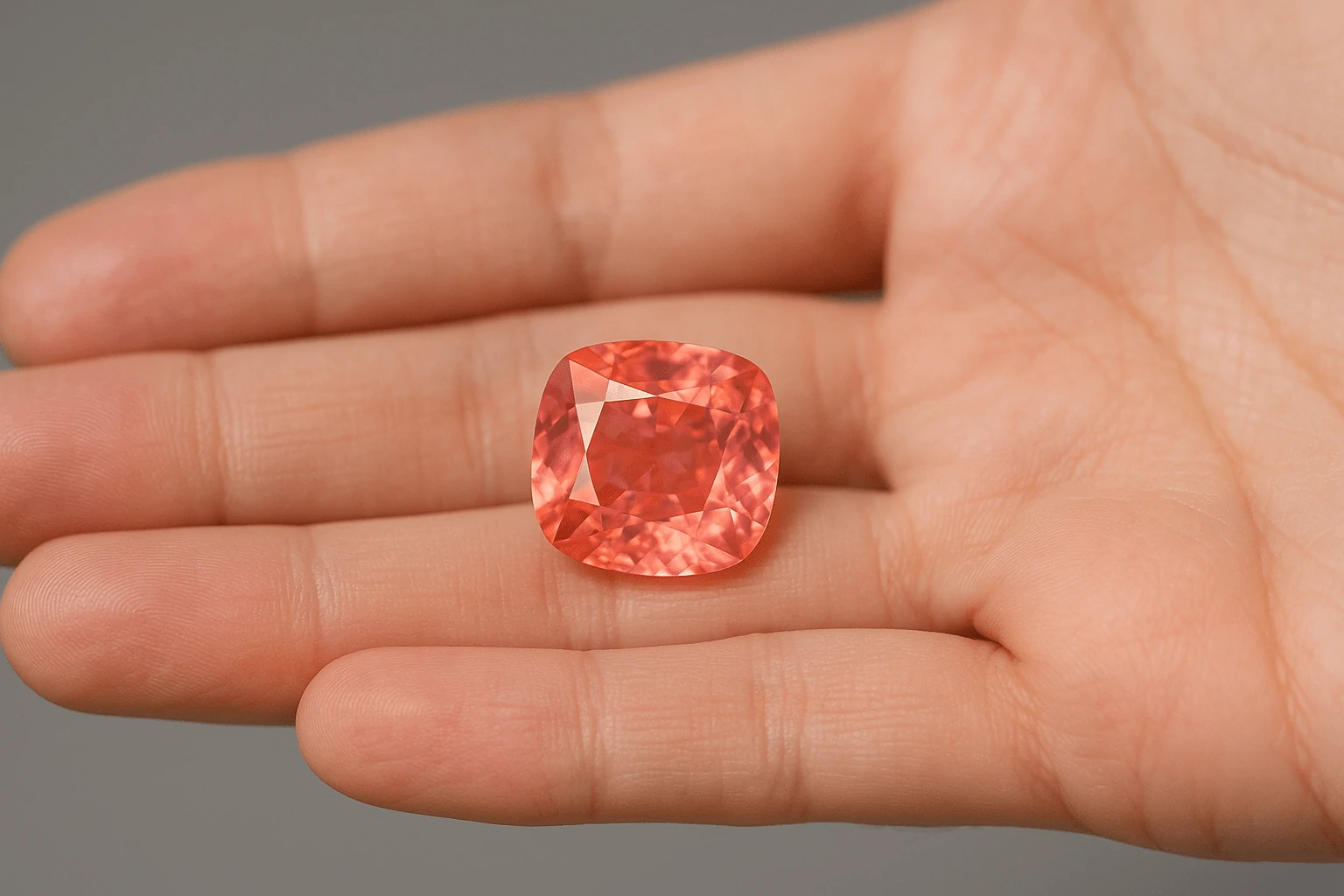
The Meaning Behind the Gem
The name Padparadscha comes from the ancient Sinhalese phrase padma raga, which translates to lotus color. This term perfectly describes the stone’s soft blend of pink and orange — a color so balanced that gemologists still debate its definition. When evaluating Padparadscha sapphire price in Sri Lanka, understanding this delicate hue is the first step.
A genuine Padparadscha sapphire must display harmony between both tones. Too pink and it becomes a pink sapphire; too orange and it’s classified differently. Only the rare middle ground — often described as peach or salmon — qualifies for the true label. That balance dramatically affects Padparadscha sapphire price.
Origins in Sri Lanka’s Gem-Rich Heart
Sri Lanka is globally recognized as the birthplace of Padparadscha sapphires. Ancient traders once called the island Serendib — the land of unexpected treasures — and for good reason. Most of the world’s natural Padparadschas still come from Sri Lanka’s alluvial deposits in Ratnapura, Balangoda, and Elahera.
These gem fields yield stones with the soft, glowing pastel hues buyers seek. Because origin adds prestige, stones verified as “Ceylon Padparadscha” consistently achieve higher Padparadscha sapphire prices in Sri Lanka and international markets alike.
Miners here still rely on traditional hand-dug pits and water sieving. It’s a slow but respectful method that preserves both the gem and the land. Each rough crystal reflects the island’s 500-million-year geological story. They are shaped by trace elements like iron and chromium.
View Ratnapura on Google Maps — Sri Lanka’s historic gem mining capital.
Rarity, Symbolism, and Emotional Value
Padparadscha sapphires are among the rarest gems on Earth — less than 2 percent of Sri Lanka’s total sapphire output meets the ideal color standard. This scarcity is one reason Padparadscha sapphire price in Sri Lanka continues to rise each year. The International Gem Society’s Sapphire Price Guide lists price trends for untreated stones.
Beyond their rarity, these gems hold symbolic meaning. In Sri Lankan culture, they represent balance, peace, and prosperity — the union of fire and water within one stone. Jewelers often call them “living light,” because their hue seems to shift gently between warm and cool under changing illumination.
When you hold a true Padparadscha sapphire, you’re holding centuries of history and nature’s rarest equilibrium. Its beauty isn’t just visual — it carries emotion, heritage, and an enduring sense of wonder. This explains why collectors willingly pay premium Padparadscha sapphire prices worldwide.
Why Sri Lanka Is the Best Source for Padparadscha Sapphires
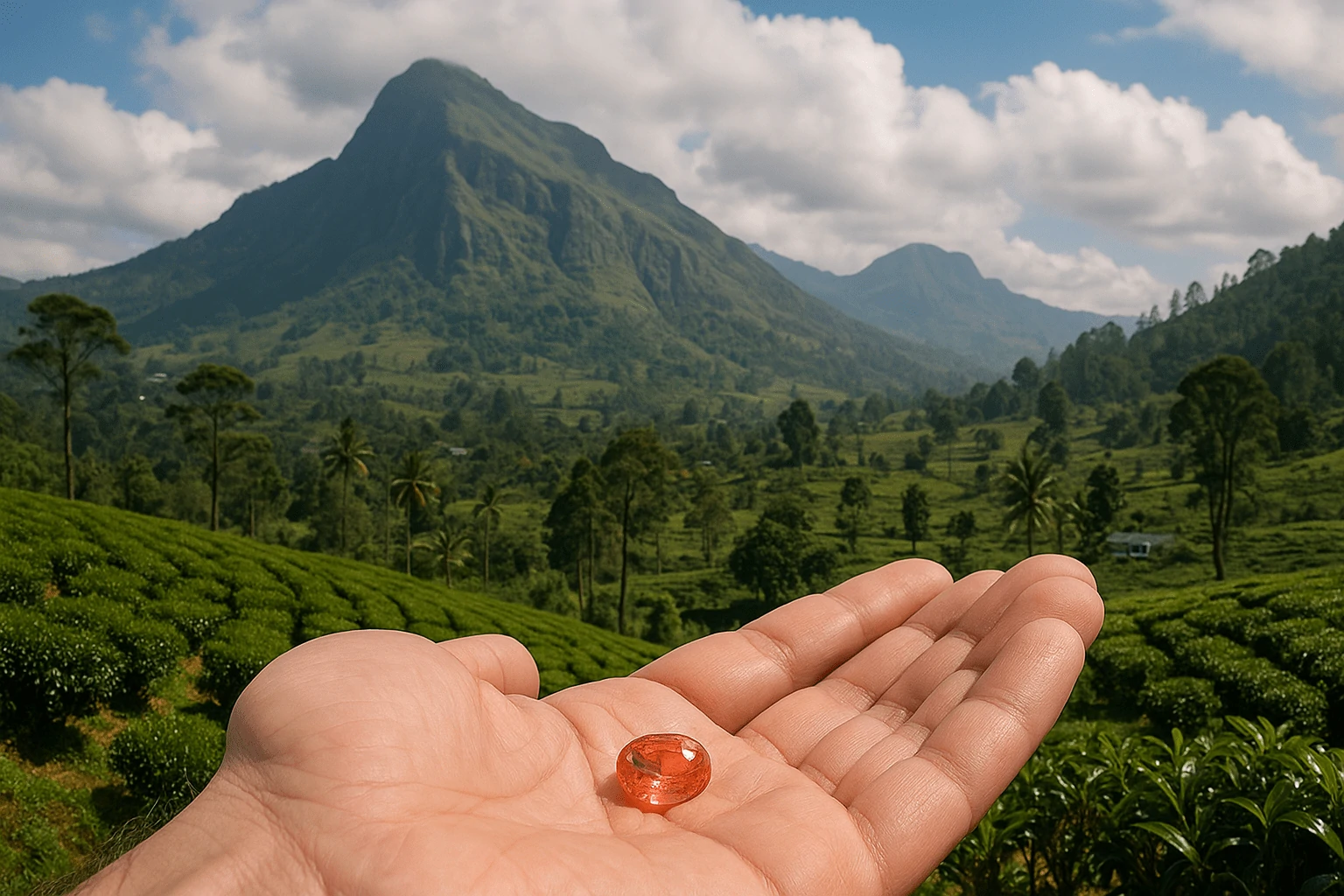
The Legacy Behind Ceylon Padparadscha Sapphires
Every conversation about Padparadscha sapphire price in Sri Lanka begins with its heritage. For more than two thousand years, the island—once known as Serendib—has supplied gems to kings, merchants, and collectors across Asia and Europe. The soft pink-orange glow of the Padparadscha was treasured long before gemology became a science.
Historical records show that ancient traders valued the Ceylon Padparadscha higher than any other fancy sapphire. That tradition continues: buyers around the world still recognize Sri Lanka as the standard of authenticity. When gem dealers list origin certificates, the words Ceylon Padparadscha often command premium Padparadscha sapphire prices on the global market.
Geological Perfection Creates Natural Beauty
The island’s unique geology explains why Sri Lanka remains unmatched. Gem fields such as Ratnapura, Balangoda, and Elahera sit atop metamorphic rock formations more than 500 million years old. Within these layers, trace amounts of iron and chromium create the balanced hue that defines true Padparadscha sapphires.
Because the right chemical mix is so rare, only a small fraction of stones found each year display this perfect lotus shade. That scarcity directly shapes Padparadscha sapphire price in Sri Lanka. Collectors understand that even a one-carat stone with ideal color can be rarer than dozens of blue sapphires of equal size.
Traditional Mining and Local Expertise
In Ratnapura—the heart of Sri Lanka’s gem trade—miners still use time-tested techniques. Hand-dug pits and water-sieving protect both the soil and the community’s way of life. Each stone extracted from these alluvial gravels carries a story of patience and respect for nature.
Once mined, the gems move to skilled cutters in Beruwala and Colombo. Here, generations of artisans shape each crystal to maximize brilliance without losing color depth. Their craftsmanship ensures that a locally finished stone often sells for higher Padparadscha sapphire prices abroad. Cutting too deep can dull the glow; cutting too shallow can wash out the tone. Sri Lankan cutters know how to find the perfect balance.
Was a very interesting day trip starting from our hotel in Negombo. Everything was running best. Driver was very friendly and helpful. Thanks for that great experience!
See more reviews on TripAdvisor
Ethical Mining and Global Recognition
Another reason investors trust Sri Lanka is transparency. The National Gem and Jewellery Authority (NGJA) regulates trade and enforces ethical standards. Compared with large-scale industrial mining elsewhere, Sri Lanka’s small-scale system protects workers and the environment. This ethical origin adds both moral and monetary value to the final Padparadscha sapphire price.
International labs such as GIA, SSEF, and GRS frequently label certified stones as Ceylon origin. That single word—Ceylon—can raise a stone’s value significantly. For many collectors, owning one means owning a genuine piece of Sri Lanka’s heritage.
Padparadscha Sapphire Price in Sri Lanka (2026 Update)
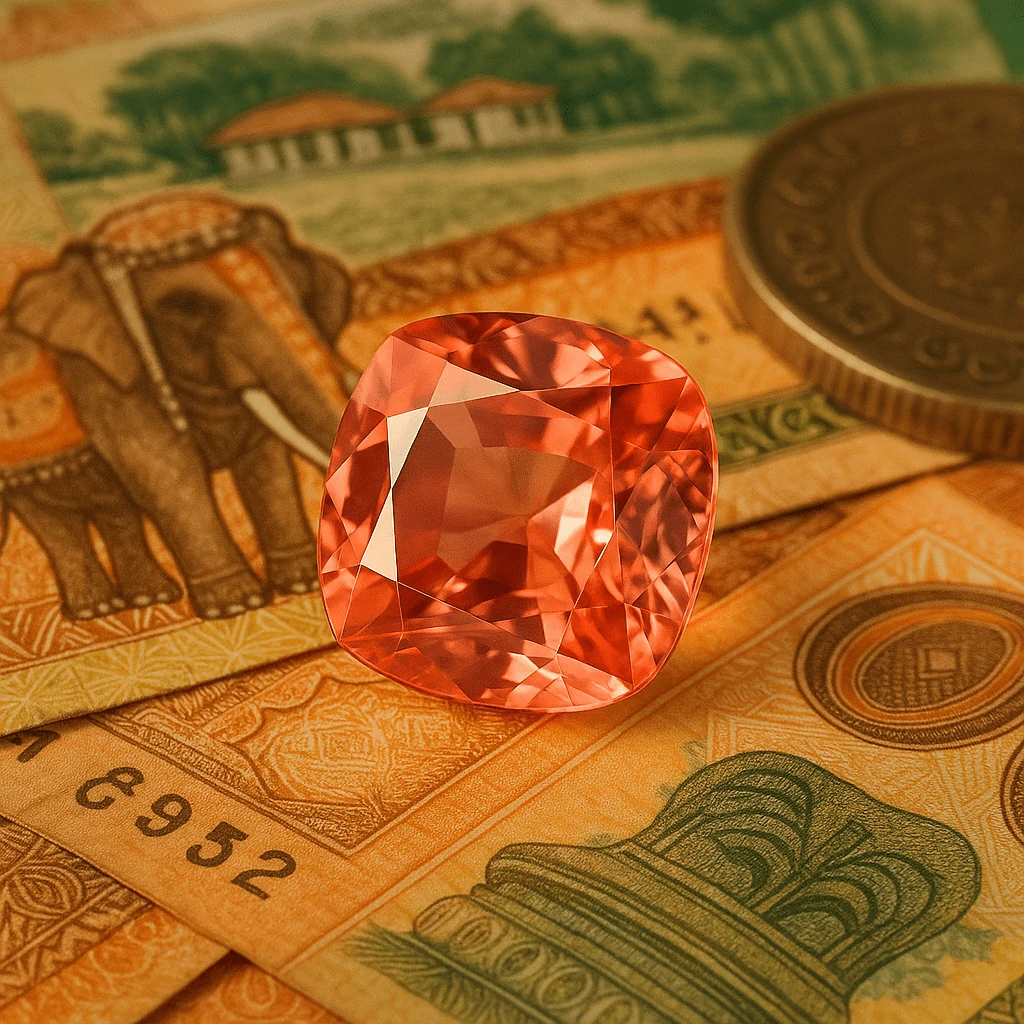
Understanding the Modern Market
In 2026, the Padparadscha sapphire price in Sri Lanka remains one of the most talked-about topics in the global gem industry. As natural supply tightens and buyer demand grows, even small stones command impressive figures. Collectors from Japan, Europe, and the U.S. continue to compete for top-quality Sri Lankan stones, creating upward pressure on prices each quarter.
In local gem hubs such as Ratnapura, a buyer can still find natural, certified stones at slightly lower prices than in international markets. This price gap makes Sri Lanka one of the best places to purchase investment-grade gems directly from the source.
However, buyers must understand how the market is structured — prices vary depending on color tone, clarity, carat weight, cut, and certification. Even two stones of the same size can differ in value by thousands of dollars per carat.
Padparadscha Sapphire Price Range in 2026
The following are general retail price estimates for natural, untreated Padparadscha sapphires found in Sri Lanka during 2026:
| Carat Weight | Quality Grade | Approximate Price Range (USD per carat) |
|---|---|---|
| 0.50 – 1.0 ct | Good commercial color, minor inclusions | 800 – 1,800 |
| 1.0 – 2.0 ct | Fine color balance, eye-clean clarity | 2,000 – 4,500 |
| 2.0 – 3.0 ct | Top color, high brilliance, certified | 5,000 – 8,000 |
| 3.0 – 5.0 ct | Investment-grade, rare pastel tone | 9,000 – 15,000 |
| 5.0 ct + | Exceptional collector’s quality | 18,000 – 25,000+ |
These figures show how Padparadscha sapphire price in Sri Lanka increases almost exponentially with carat weight and purity of color. The larger the stone, the rarer it becomes to find the ideal pink-orange tone without heavy inclusions.
Buyers often pay a premium when the stone has lab certification confirming it’s untreated and of Ceylon origin — two factors that directly influence the gem’s final value.
Factors That Influence Padparadscha Sapphire Price
1. Color Quality
Color is the most significant factor determining Padparadscha sapphire price. The most sought-after stones have a balanced mix of pink and orange — neither too vivid nor too pale. Gemologists describe the ideal shade as “lotus blossom.”
If the stone leans heavily toward pink or orange, the price drops, even if clarity is perfect. Buyers in Sri Lanka often test stones under natural daylight to judge tone accuracy before purchase.
2. Clarity and Inclusions
Inclusions, or internal imperfections, can affect transparency and brilliance. Eye-clean stones are rare and fetch premium Padparadscha sapphire prices in Sri Lanka. Minor inclusions that don’t affect sparkle are acceptable for smaller stones but reduce value in larger ones.
3. Carat Weight
Since Padparadschas are scarce, finding large, naturally colored stones is unusual. As carat weight increases, the price per carat rises steeply. A 5-carat natural stone can cost more than ten times the price of a 1-carat gem of similar color.
4. Cut and Shape
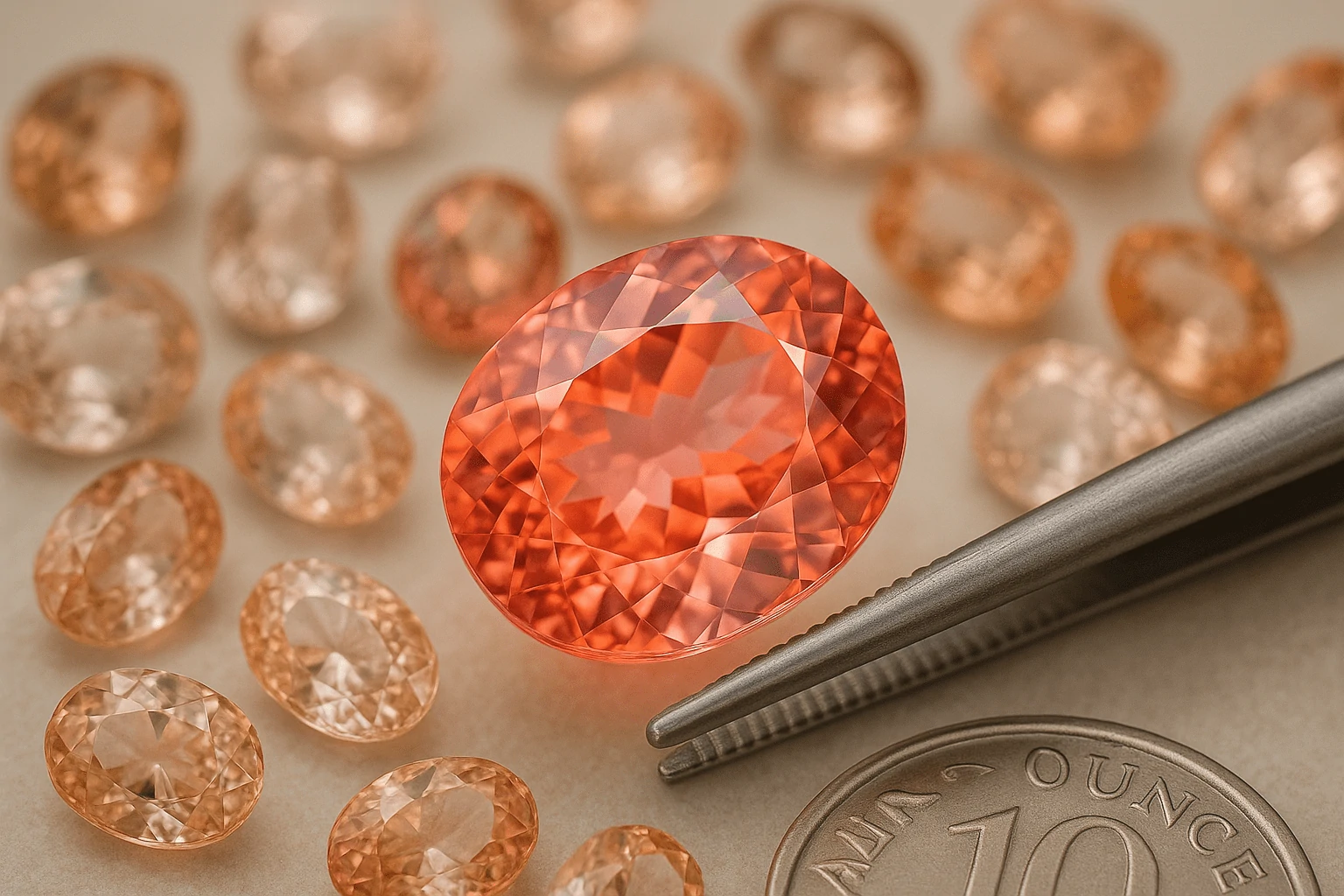
Sri Lankan cutters prefer oval, cushion, or mixed brilliant cuts that showcase maximum color reflection. A well-cut gem appears lively and symmetrical, which directly adds to the Padparadscha sapphire price.
5. Treatment and Certification
Untreated stones hold the highest value. Any signs of heat treatment, diffusion, or fracture filling can lower the gem’s price by up to 60%. Always request certification from recognized laboratories such as NGJA, GIA, or SSEF when purchasing in Sri Lanka.
Sri Lanka vs. International Market Prices
One advantage of buying in Sri Lanka is access to the source market. For example, a 2-carat, untreated Padparadscha sapphire that sells locally for around USD 3,500 per carat could retail for USD 5,000–6,000 once exported to international boutiques.
Travelers who buy directly from licensed dealers can benefit from these price differences, but authenticity is everything. Genuine documentation and proper export clearance ensure that your Padparadscha sapphire price reflects fair market value rather than inflated tourist pricing. To learn more about how local pricing compares to international markets, check our detailed guide on whether sapphires are cheaper in Sri Lanka.
Trend Analysis for 2026
Market trends show a consistent 10–15% annual increase in Padparadscha value over the past three years. Experts predict this will continue through 2026 due to limited natural supply and increasing interest in ethically sourced gemstones. For investors, buying in Sri Lanka remains a strategic opportunity.
As the island strengthens its position in sustainable gem mining, more global collectors view the Padparadscha sapphire price in Sri Lanka as both a financial investment and a contribution to preserving artisanal mining traditions.
How to Identify Genuine Padparadscha Sapphires
Why Identification Matters
As Padparadscha sapphire prices in Sri Lanka climb higher each year, so does the number of imitation and treated stones entering the market. The beauty of this gem lies in its delicate color balance — something that’s nearly impossible to fake convincingly, yet easy to misjudge for an untrained eye.
When you walk through gem markets in Ratnapura or Beruwala, you’ll see dozens of stones that look similar at first glance. Some sellers may label them “Padparadscha” even when they lean too pink or orange. Others may enhance color through heat treatment or diffusion. Understanding how to identify a genuine stone helps ensure the Padparadscha sapphire price you pay reflects true value, not a manipulated imitation. To understand certification standards and how to evaluate authenticity more deeply, see our complete guide on buying Sri Lankan sapphires.
During my visits to Sri Lankan gem traders, I learned that authenticity is determined not by appearance alone but by science — gemological testing, certification, and expert evaluation.
According to the National Gem and Jewellery Authority of Sri Lanka, all legally traded sapphires should come with NGJA certification.
Recognizing Natural vs. Treated Stones
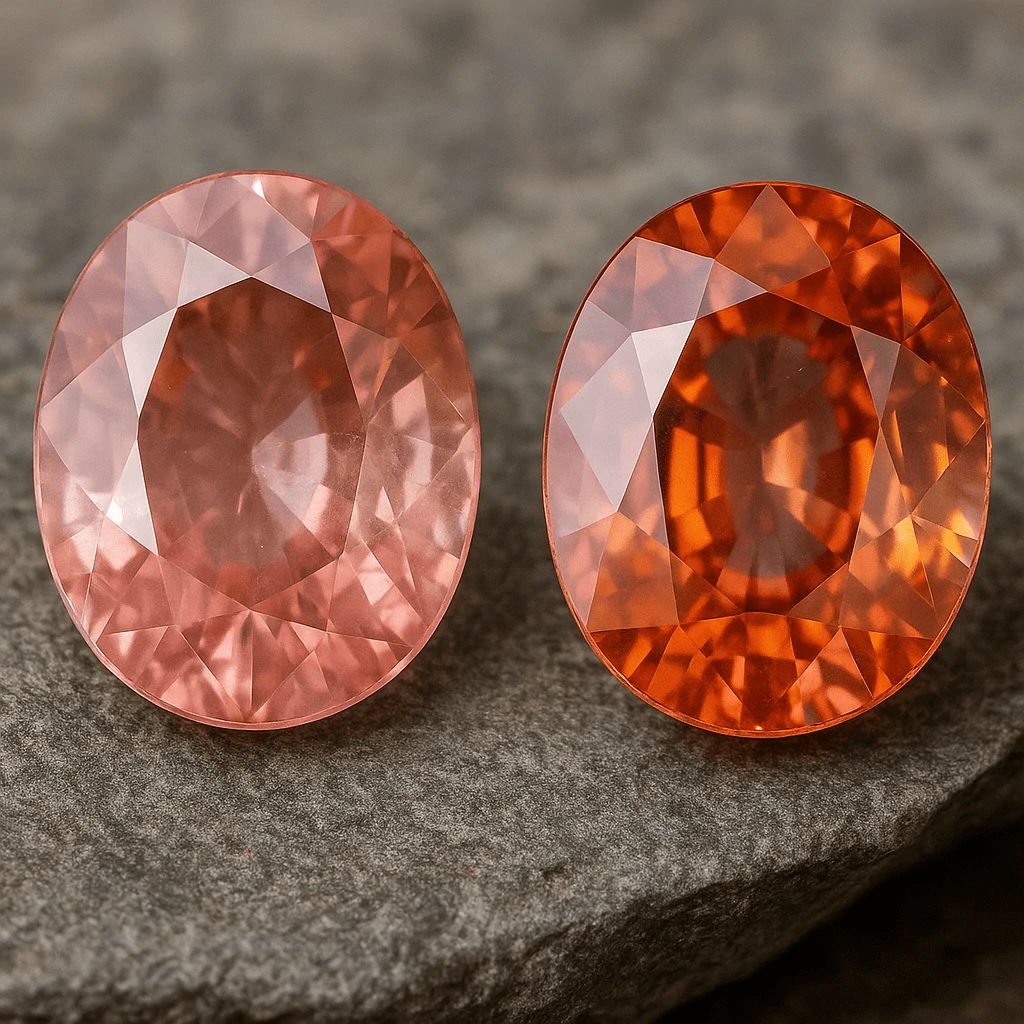
One of the most important distinctions in determining Padparadscha sapphire price in Sri Lanka is whether the stone is natural or treated. A natural, untreated Padparadscha commands a much higher value because it retains its original geological beauty. Treated stones, though visually attractive, lose some authenticity and long-term investment potential.
The Gemological Institute of America explains that color treatments can enhance appearance but reduce value.
1. Heat Treatment
Heat treatment is common in the gemstone trade. While it enhances color, it also reduces rarity. A heated Padparadscha sapphire can sell for 40–60% less than an untreated one. Under magnification, experts can often spot heat treatment by detecting tiny stress fractures or melted inclusions inside the gem.
2. Diffusion Treatment
This method involves adding elements like beryllium during heating to create an artificial color zone. Although it may look similar to a natural Padparadscha, diffusion-treated stones often display uneven color near edges or facets. Always request certification before trusting any Padparadscha sapphire price that seems unusually low.
3. Color Zoning
Natural stones typically show subtle transitions of color under magnification — small gradients between pink and orange. Synthetic or diffusion-treated gems tend to show harsh, abrupt zones. A loupe or microscope can reveal these differences easily.
Certification and Trusted Laboratories
To confirm authenticity, certification is essential. In Sri Lanka, every serious buyer should insist on documents from recognized labs before finalizing a Padparadscha sapphire price agreement.
Leading Gem Labs for Verification
-
NGJA (National Gem and Jewellery Authority, Sri Lanka): The official government body that validates gem origin and authenticity.
-
GIA (Gemological Institute of America): Internationally respected, provides detailed color and treatment reports.
-
SSEF (Swiss Gemmological Institute): Used by high-end dealers for global valuation.
-
GRS (GemResearch Swisslab): Known for precise hue grading in fancy sapphires.
A certified report will specify whether the stone is natural or treated, confirm if the color falls within the accepted “Padparadscha” range, and often state “Ceylon origin.” The latter can significantly enhance Padparadscha sapphire price in Sri Lanka as well as resale value abroad.
Practical Buyer Tips
When buying in person, always test the gem’s behavior under both daylight and artificial light. True Padparadschas retain their delicate balance across lighting conditions — they don’t shift to overly pink or orange.
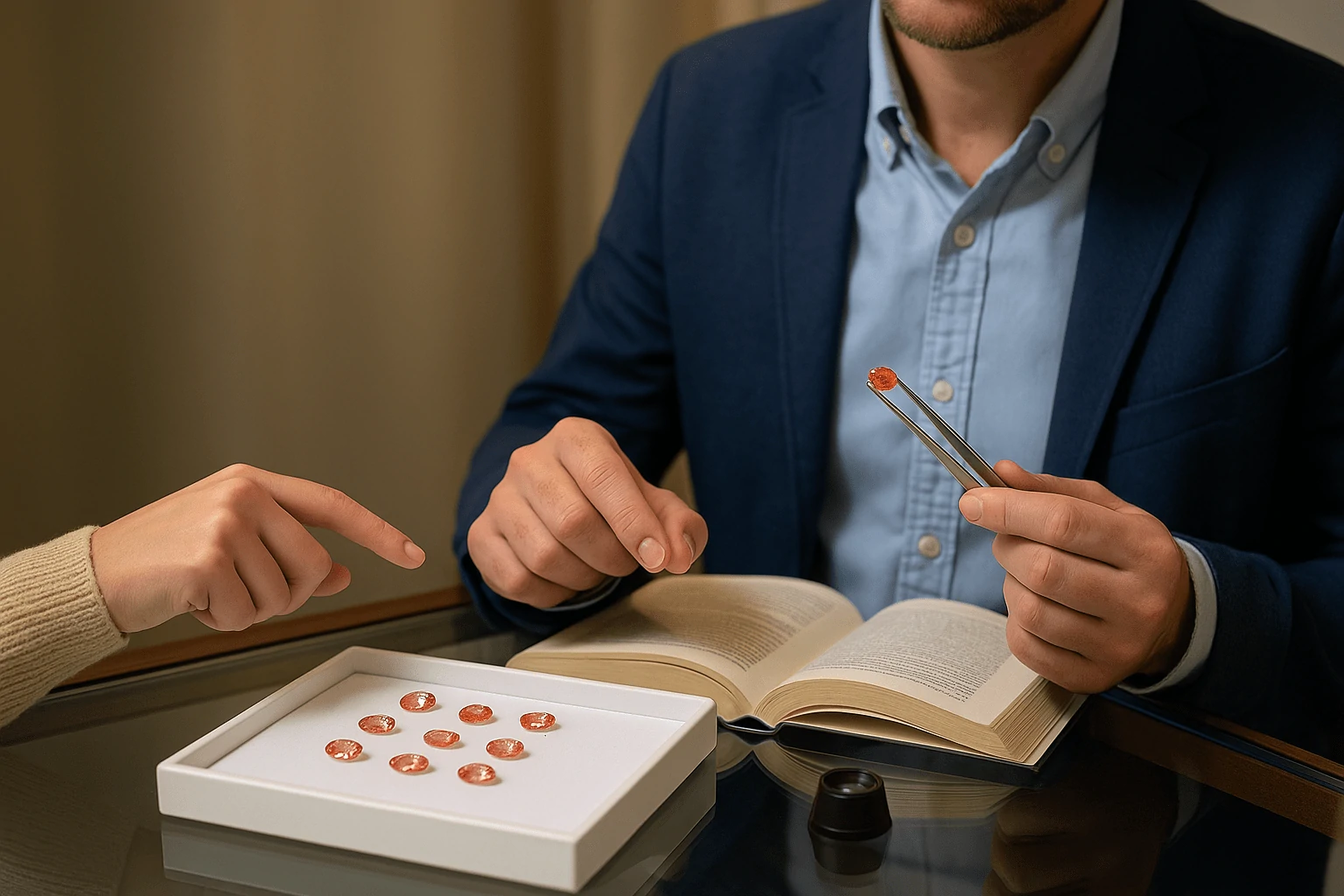
Ask sellers to place multiple stones side by side. Comparing colors helps your eye recognize the subtle lotus tone. If you’re unsure, seek help from an independent gemologist before paying. Remember, a legitimate dealer will never hesitate to provide certification or testing access.
Authenticity is not just about beauty; it’s about protecting your investment. A properly identified stone ensures that the Padparadscha sapphire price you pay reflects the real, lasting worth of a natural masterpiece — not an enhanced imitation.
Where to Buy Padparadscha Sapphires in Sri Lanka
Finding Trusted Sellers in the Gem Island

For anyone interested in Padparadscha sapphire prices in Sri Lanka, the experience of buying directly from the source is unforgettable. The island’s gem trade thrives in several key cities where tradition, trust, and transparency meet. Knowing where to look — and who to trust — ensures you get a genuine stone that matches the price you pay.
Most buyers start their search in Ratnapura, Beruwala, or Colombo, where hundreds of dealers specialize in Sri Lankan sapphires. These hubs differ slightly in atmosphere and buying style, but each offers a glimpse into the country’s deep-rooted gem culture.
Before finalizing any purchase, it’s crucial to confirm authenticity, verify certification, and understand local price norms. A well-informed approach can save you thousands and help you secure the right Padparadscha sapphire price. For a more detailed look at Sri Lanka’s gem hubs and reliable dealers, explore our article on the best places to buy sapphires in Sri Lanka.
Explore Sri Lanka’s gem-trading cities: Ratnapura, Beruwala & Colombo on Google Maps
Ratnapura: The Heart of Gem Mining
Ratnapura — meaning City of Gems — is Sri Lanka’s oldest and most famous gem trading center. Here, miners, cutters, and merchants gather daily in open markets to trade stones freshly unearthed from nearby rivers and pits.
You’ll find both raw and polished Padparadscha sapphires, but prices vary widely depending on quality. The best deals come from licensed dealers who work directly with miners. They typically provide NGJA-approved certificates and are transparent about treatments.
Travelers often find the most competitive Padparadscha sapphire prices in Sri Lanka within Ratnapura’s local market, especially for stones under 3 carats. Still, it’s wise to bring a gemologist or use a portable loupe to check for clarity and color balance before purchasing.
Beruwala: The Trading Capital
If Ratnapura is where the stones are found, Beruwala is where they’re showcased to the world. This coastal town hosts one of the largest gemstone trading complexes in Asia, attracting international buyers weekly.
Dealers here often specialize in higher-grade and certified gems. The atmosphere is more structured, with showrooms displaying stones under controlled lighting — ideal for assessing subtle color variations. Prices tend to be slightly higher than in Ratnapura, but the quality consistency and authenticity checks are excellent.
Because Beruwala’s dealers export regularly, their understanding of international pricing helps you gauge fair Padparadscha sapphire prices across both local and global markets.
I’m currently a gem trader in this market and there are really good gemstones. But should be carefully to get a valid gem certificate to verify your gem stone.
See more reviews on TripAdvisor
Colombo: The Gateway for Luxury Buyers
Colombo, Sri Lanka’s capital, caters to travelers and collectors seeking convenience, certification, and presentation. Upscale jewelry houses in Colombo’s gem district often sell investment-grade stones, complete with international certification from GIA or SSEF.
While Padparadscha sapphire prices in Colombo can be 10–20% higher than in mining regions, the peace of mind is unmatched. Buyers can view curated collections, request appraisals, and even have their stone mounted into fine jewelry before export.
For investors, Colombo is the ideal choice when purchasing a single high-value gem rather than browsing through dozens of rough stones.
One of the legit gem stores in Sri Lanka they have lots of varieties and the staff is really professional and helpful.
See more reviews on TripAdvisor
Tips for Buying Safely
-
Insist on Certification: Always request an NGJA or GIA report before confirming the Padparadscha sapphire price.
-
Compare Offers: Check the same stone’s price in multiple showrooms or dealers to avoid inflated tourist rates.
-
Verify Business Licenses: Licensed dealers display official NGJA authorization in their shops.
-
Avoid Street Vendors: Their stones are often treated or synthetic, and prices may not reflect true market value.
-
Inspect Under Daylight: Always check color in natural light; true Padparadscha sapphires show balanced pink-orange hues without drastic shifts.
Buying a Padparadscha sapphire in Sri Lanka is more than a transaction — it’s a cultural experience. Each city, each dealer, and each gem carries part of the island’s story. When approached wisely, you’ll walk away with a genuine treasure whose Padparadscha sapphire price mirrors both its beauty and authenticity.
Investment & Global Demand Trends (2026)

The Rising Value of Padparadscha Sapphires
Over the past decade, Padparadscha sapphire prices in Sri Lanka have shown remarkable consistency in growth. What was once a collector’s niche stone has now entered mainstream global demand. This steady appreciation stems from three key factors — rarity, ethical sourcing, and aesthetic appeal.
In 2026, gem dealers report an average 10–15% annual increase in the price of top-grade stones, particularly those verified as natural and untreated. The global gemstone market continues to favor Padparadscha sapphires because no laboratory-grown or treated gem can fully replicate their natural hue.
Investors recognize these stones as both beautiful and reliable assets. They don’t depreciate easily, and their limited supply means every high-quality piece adds long-term stability to a collector’s portfolio.
Global Demand in Key Markets
The strongest demand for Ceylon Padparadscha sapphires comes from Japan, Europe, and the United States. In Japan, the gem’s warm color symbolizes balance and prosperity, making it especially popular for engagement rings. European designers often feature it in high-end jewelry collections for its rarity and soft elegance.
In the U.S., rising awareness about ethical sourcing has led collectors to favor Sri Lankan gemstones over other regions. The government’s strict mining regulations add credibility to Padparadscha sapphire prices in Sri Lanka, giving international buyers confidence in origin and authenticity.
Because of these cultural and ethical preferences, Sri Lanka’s gemstone exports continue to grow steadily each year, and Padparadschas rank among the top contributors.
Investment Outlook for 2026 and Beyond
1. Scarcity as a Strength
Geological experts agree that naturally occurring Padparadscha deposits are becoming increasingly rare. Fewer new finds each year directly translate into higher Padparadscha sapphire prices. For serious investors, this rarity provides an advantage — as supply shrinks, existing stones rise in value.
2. Certification Enhances Value
Investors should always prioritize certified gems. A Padparadscha sapphire accompanied by reports from GIA, NGJA, or SSEF not only guarantees authenticity but also secures resale potential. Certified gems consistently outperform non-certified ones in international auctions.
3. Ethical Sourcing Attracts Modern Buyers
As consumers worldwide move toward sustainable luxury, Sri Lanka’s ethical mining practices position its stones ahead of competitors. Collectors are willing to pay more for gems with clear origins, which further boosts Padparadscha sapphire prices in Sri Lanka. The Responsible Jewellery Council promotes transparency and fair trade in the global gem market.
Why It’s Considered a Smart Investment
Unlike stocks or real estate, gemstones carry intrinsic beauty — and the Padparadscha sapphire combines visual rarity with emotional appeal. Each stone is unique, and market fluctuations tend to favor long-term holding rather than short-term trading.
When I spoke to a veteran gem trader in Colombo, he explained it best:
“A Padparadscha sapphire doesn’t just rise in price — it matures in character.”
That statement captures the enduring truth behind these gems. They are heirlooms, assets, and art pieces all in one.
If you’re planning to invest, focus on untreated, eye-clean stones of at least 2–3 carats, verified by a reputable lab. Such stones hold the strongest potential for appreciation. In the next few years, analysts predict Padparadscha sapphire prices in Sri Lanka will continue to rise as global collectors compete for limited supply.
How to Avoid Scams and Fake Stones

Why Awareness Protects Your Investment
With rising Padparadscha sapphire prices in Sri Lanka, counterfeit and treated gems have flooded the market. Some appear convincing at first glance, making it difficult even for experienced buyers to tell the difference without expert help.
Many newcomers to the gem trade assume every pastel sapphire labeled “Padparadscha” is authentic — but that’s rarely true. Some sellers enhance color through heat or chemical treatment, while others import lower-grade stones from Madagascar or Tanzania and falsely market them as Sri Lankan.
Understanding these deceptive tactics is essential. Knowing what to look for helps ensure that the Padparadscha sapphire price you pay truly reflects the gem’s rarity and value.
Common Scams Found in the Local Market
1. Mislabeling Treated Stones
The most frequent issue in Sri Lanka’s gem trade is selling heated or diffused stones as natural. These stones may look stunning under indoor lighting but lose their brilliance over time. Always insist on a certification report that verifies natural origin before accepting any Padparadscha sapphire price.
2. Synthetic or Lab-Grown Imitations
Advancements in technology have made synthetic sapphires remarkably realistic. Lab-grown stones are chemically identical to natural ones but lack rarity — their abundance makes them nearly worthless as investments. If a deal sounds too good to be true, it probably is.
3. Overpriced Tourist Stones
In some tourist areas, vendors may quote inflated rates, relying on visitors’ unfamiliarity with the market. Without certification or professional guidance, it’s easy to overpay. Comparing Padparadscha sapphire prices in Sri Lanka across multiple shops is the best defense.
How to Spot Fake or Treated Gems
Check for Color Uniformity
A natural Padparadscha sapphire usually shows subtle color transitions from pink to orange when viewed under natural daylight. If the color looks perfectly uniform or overly vivid, it may be treated or synthetic.
Inspect Under Magnification
Using a loupe, look for fine inclusions, silk fibers, or natural growth lines — signs that the stone is genuine. Perfectly flawless stones are rare in nature and often indicate lab creation.
Request Dual Lighting Examination
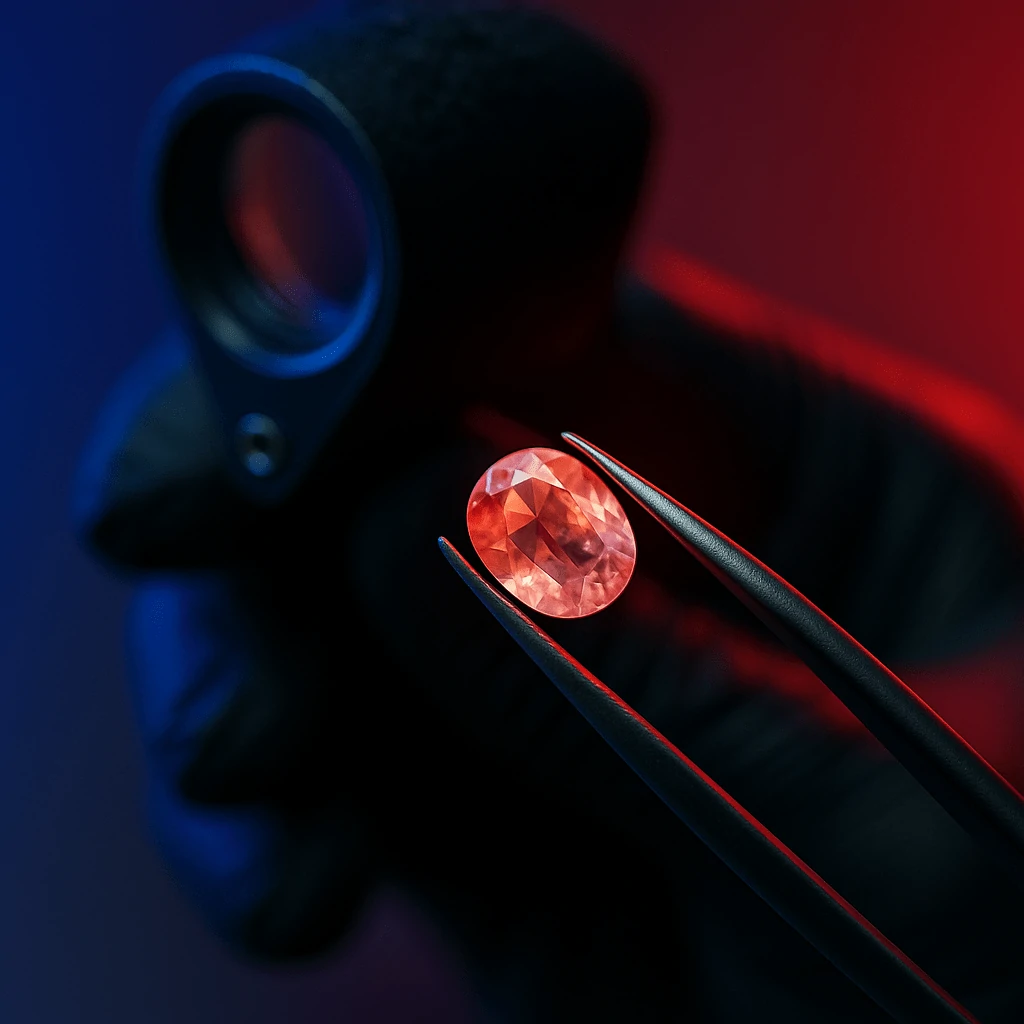
Authentic stones maintain their lotus tone under both warm indoor light and cool daylight. If a gem drastically changes hue under different lights, question its authenticity.
Demand Documentation
Always request a certificate from trusted institutions like NGJA, GIA, or SSEF. A valid report protects your purchase and helps maintain accurate Padparadscha sapphire pricing when reselling or insuring the gem later.
Tips to Stay Safe When Buying
-
Buy from Licensed Dealers Only: Authorized sellers in Ratnapura, Beruwala, and Colombo display NGJA registration visibly in their shops.
-
Get an Independent Appraisal: Before confirming the Padparadscha sapphire price, have an unbiased gemologist examine the stone.
-
Avoid Street Vendors: Unlicensed sellers may disappear after selling treated or synthetic stones.
-
Check Refund or Return Policies: Reputable dealers provide written agreements, giving you peace of mind.
-
Trust Your Instinct: If the seller seems evasive or discourages lab testing, walk away.
Buying a Padparadscha sapphire is an emotional experience — and like any major investment, it demands caution. By verifying authenticity and staying alert to common scams, you protect both your finances and your trust in the Sri Lankan gem trade.
When handled wisely, your Padparadscha sapphire price in Sri Lanka becomes more than a transaction — it’s a meaningful investment in beauty, craftsmanship, and culture.
Comparison with Other Sapphires
Why Comparing Padparadscha Sapphires Matters
Understanding how the Padparadscha sapphire price in Sri Lanka compares to other sapphire varieties helps buyers see why these gems are so valuable. While blue sapphires are known for their royal allure and pink sapphires for their romantic tone, Padparadschas embody the harmony between both — rare, balanced, and truly one-of-a-kind.
In gem trading, price differences are based not only on rarity but also on emotional and visual appeal. Every sapphire color has a story, but none carries the same mystique as the Padparadscha’s lotus-like glow.
Padparadscha vs. Blue Sapphire
The blue sapphire is Sri Lanka’s most famous gem export, with the island’s Ceylon blues admired worldwide for their depth and brilliance. While blue sapphires are more common and widely available, they do not possess the same rarity factor.
In 2026, a fine-quality 2-carat blue sapphire from Sri Lanka averages USD 1,200–3,000 per carat, while a similar-sized Padparadscha sapphire with ideal color balance can exceed USD 6,000 per carat. This dramatic gap in Padparadscha sapphire price in Sri Lanka stems from scarcity. Only a fraction of all sapphires mined meet the precise pink-orange balance that qualifies as true Padparadscha.
Blue sapphires, however, remain more durable in large sizes and are often preferred for engagement rings due to their hardness and availability. The two stones complement each other in the Sri Lankan gem industry — one represents classic royalty, the other embodies poetic rarity.
Padparadscha vs. Pink Sapphire
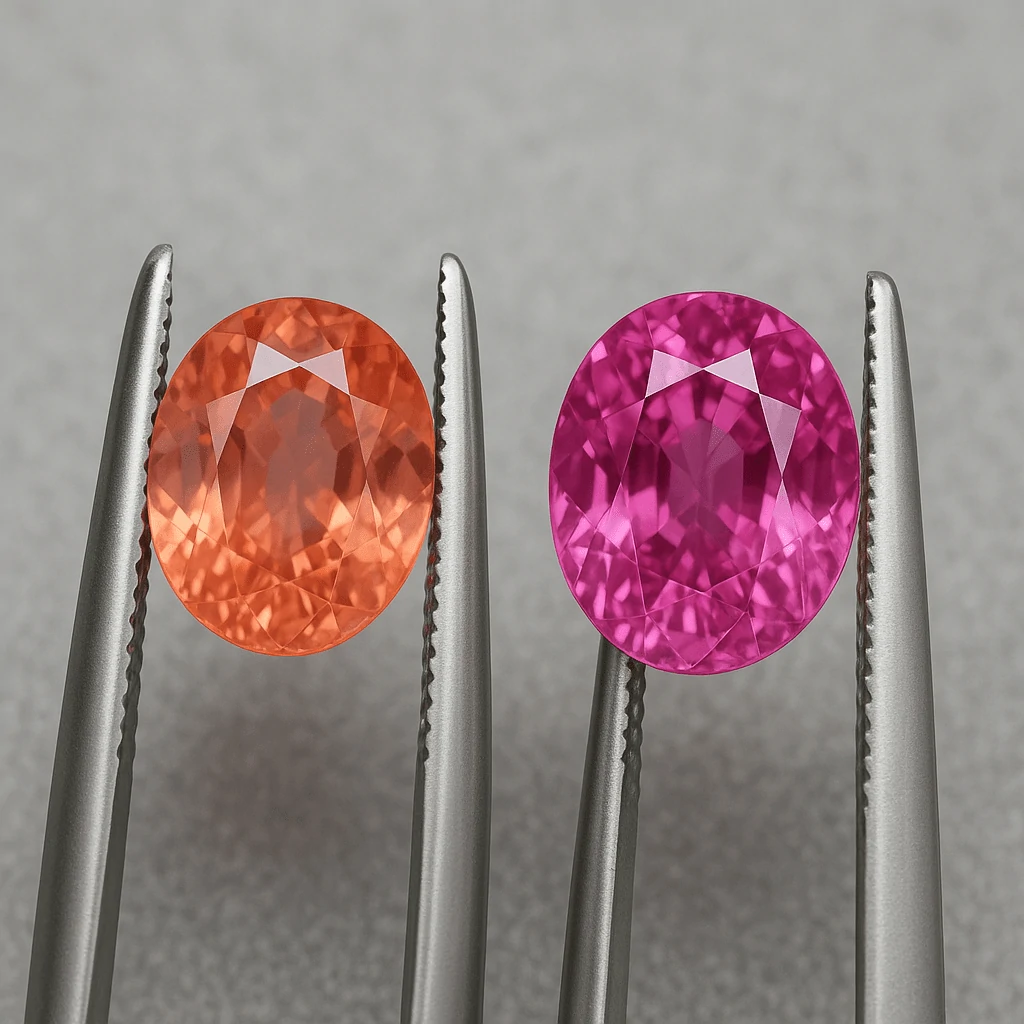
Pink sapphires share some visual similarities with Padparadschas, often confusing first-time buyers. The distinction lies in hue and light behavior. Padparadschas carry a visible orange undertone that gives them warmth and depth, while pink sapphires lean entirely toward cooler tones.
The Padparadscha sapphire price is significantly higher because it achieves a perfect color balance that pink sapphires lack. For example, a 1.5-carat untreated pink sapphire might cost around USD 1,000–1,500 per carat, while a Padparadscha of the same size and clarity easily doubles or triples that figure.
Buyers who confuse the two risk overpaying for pink sapphires mislabeled as Padparadscha. This is why certification from NGJA or GIA remains crucial when assessing Padparadscha sapphire prices in Sri Lanka.
Padparadscha vs. Fancy Orange Sapphire
Fancy orange sapphires are striking but often overly vivid compared to the gentle, pastel hue of true Padparadschas. Their brilliance is fiery, lacking the subtle transition between orange and pink that defines the lotus color.
Because fancy orange sapphires are more abundant, their prices remain lower — typically around USD 800–2,000 per carat for fine-quality stones. In contrast, the Padparadscha sapphire price in Sri Lanka starts higher and climbs steeply as size and balance improve.
Collectors often describe Padparadschas as “the poetry between pink and orange,” while orange sapphires are “the flame.” Both have their beauty, but only one achieves that calm, romantic glow that continues to define Sri Lanka’s global gemstone reputation.
The Distinctive Identity of Padparadscha Sapphires
When you place all sapphire varieties side by side — blue, pink, yellow, and orange — the Padparadscha stands apart. Its rarity, unique color balance, and historical link to Sri Lanka’s gem heritage make it the crown jewel of the corundum family.
No other sapphire commands such emotional and market value simultaneously. Buyers who truly understand Padparadscha sapphire price realize they’re not simply purchasing a stone — they’re acquiring a piece of Sri Lanka’s natural art.
Traveler’s Note – My Experience Buying in Ratnapura
Stepping into the City of Gems
When I first arrived in Ratnapura — the legendary City of Gems — I immediately understood why Sri Lanka is revered for its sapphires. The warm air carried the scent of rain and earth, and almost every street corner glimmered with small gem stalls. It was here that I truly began to grasp the emotional and financial value behind Padparadscha sapphire prices in Sri Lanka.
Unlike polished showrooms in Colombo, Ratnapura felt raw and authentic. Miners, traders, and cutters interacted in open markets, each with their trays of rough and polished stones. Bargaining wasn’t just expected — it was part of the ritual. Yet behind every transaction was a sense of mutual respect for the island’s geological treasures.
Meeting a Local Gem Merchant
One morning, I met a local gem merchant named Bandara. His small shop was simple — a wooden table, a loupe, and a single fluorescent lamp. On the table sat three Padparadscha sapphires that caught my eye. Each looked slightly different: one leaned more pink, another more orange, and one displayed that perfect lotus balance.
Bandara smiled when I pointed to it. “That’s the one you want,” he said. “It holds both sunrise and sunset.” His words perfectly described what makes this gem so remarkable — and why true stones command higher Padparadscha sapphire prices in Sri Lanka and abroad.
We spent nearly two hours examining the stone under different lights, discussing certification, and negotiating the price. He pulled out an NGJA report confirming the gem’s natural Ceylon origin and untreated status — two details that immediately justified its higher price tag.
Learning the Buying Process
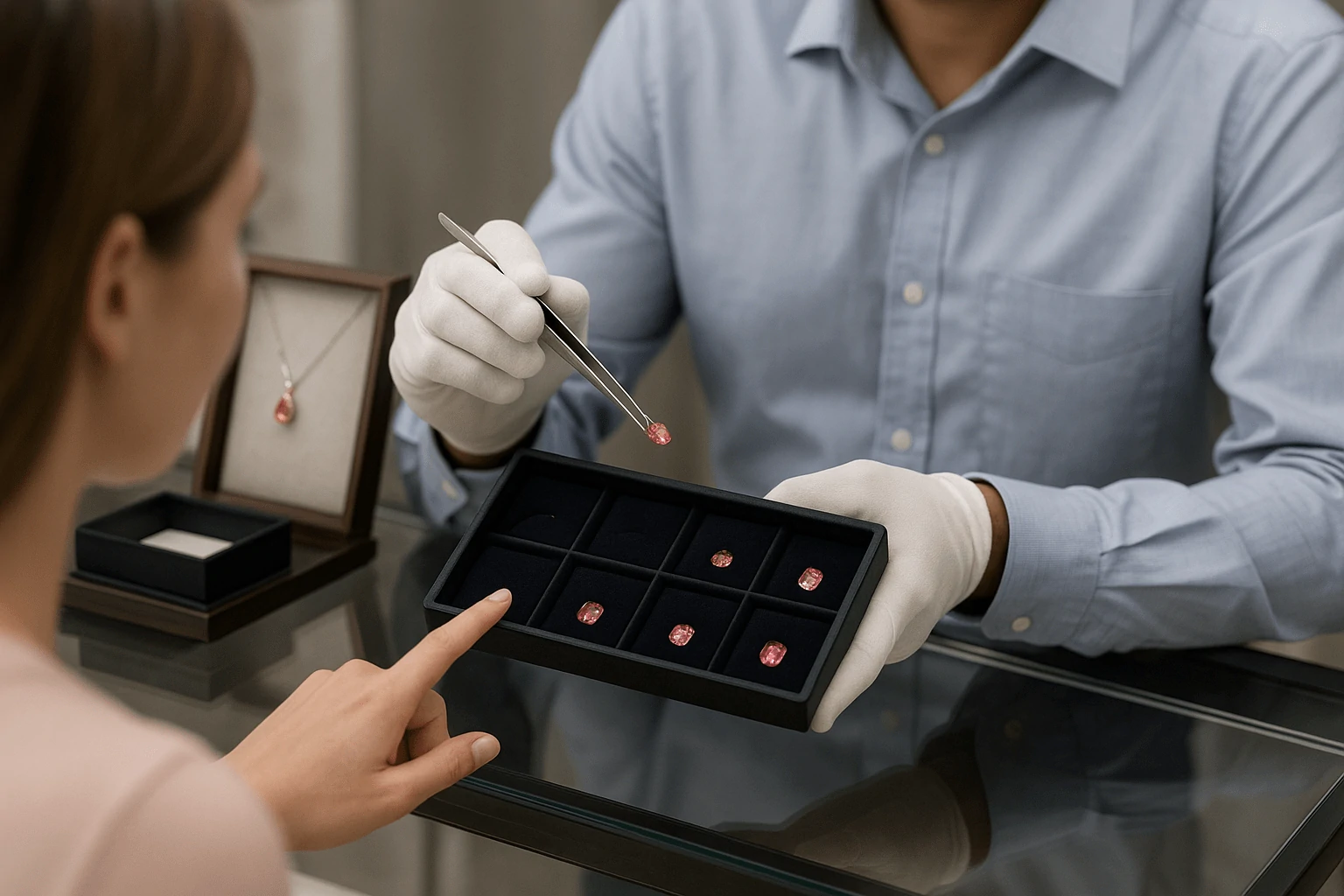
In Ratnapura, most gem dealers welcome buyers to test their stones under daylight. Some even take visitors outside to ensure color consistency. I followed the same process, holding the Padparadscha sapphire near a window. Its tone remained perfectly balanced — not overly pink or orange, but a soft, living glow. That’s when I knew I had found a genuine treasure.
Bandara explained that even locals struggle to find perfect Padparadschas. “For every hundred stones we mine,” he said, “maybe one is true Padparadscha.” That rarity, I realized, defines the Padparadscha sapphire price in Sri Lanka more than anything else.
The buying process taught me patience and attention to detail. You don’t rush a purchase like this — you observe, ask, compare, and only then make your decision.
Walking Away with a Gem and a Story
When I finally decided to buy, the moment felt more personal than transactional. Bandara carefully wrapped the stone in a small cloth, sealed it in a paper envelope, and handed it to me with both hands — a gesture of respect.
I left Ratnapura that evening with more than a gem. I carried a deeper appreciation for Sri Lanka’s gem culture — a blend of tradition, honesty, and artistry that has survived for centuries.
The next day, I had the stone appraised in Colombo, and the valuation confirmed what I already knew — I had made a fair deal. The Padparadscha sapphire price matched both market reality and craftsmanship quality, proving that when approached with care and curiosity, Sri Lanka remains the best place on Earth to discover these glowing wonders.
Conclusion – Why Padparadscha Sapphires Are Worth the Investment
A Gem Beyond Beauty
After exploring Sri Lanka’s gem markets, learning the science behind color balance, and understanding how rarity shapes value, it’s easy to see why the Padparadscha sapphire price in Sri Lanka holds such prestige. This gem isn’t just admired for its appearance — it’s celebrated for what it represents: harmony, authenticity, and the deep artistry of Sri Lankan craftsmanship.
Every Padparadscha sapphire carries a story written over millions of years beneath Ceylon’s ancient soil. Its fusion of pink and orange reflects balance — between fire and calm, sunrise and sunset, luxury and heritage. Whether you purchase it as a collector, a traveler, or an investor, you’re owning something that transcends trends and time.
Long-Term Value and Cultural Legacy
Over decades, Padparadscha sapphire prices in Sri Lanka have risen steadily because of enduring scarcity and unmatched quality. Certified natural stones appreciate in value, making them both emotional and financial investments. Few gemstones combine beauty, history, and sustainability as perfectly as this one.
The country’s ethical mining practices and local expertise ensure that every gem sold supports real communities. When you choose a Ceylon Padparadscha, you’re not just buying a gemstone — you’re preserving a tradition that defines Sri Lanka’s identity on the world stage.
Final Reflection
As I held my first Padparadscha sapphire under the sunlight in Ratnapura, its color shifted softly between peach and rose — alive, breathing, eternal. That’s when I realized this gem is more than a piece of jewelry; it’s a symbol of balance and hope.
If you ever travel through Sri Lanka, take time to visit the gem markets, speak with local traders, and experience this wonder firsthand. Whether you buy or simply observe, witnessing the glow of a Padparadscha sapphire in its homeland is something you’ll never forget.
In the end, the Padparadscha sapphire price represents more than monetary worth — it reflects the value of craftsmanship, nature, and human connection. Few treasures on Earth shine with such quiet, timeless grace.
Frequently Asked Questions About Padparadscha Sapphire Prices in Sri Lanka
General Knowledge and Origin
Their value lies in rarity. True Padparadschas display a perfect balance of pink and orange — a color blend so rare that less than 2% of sapphires mined in Sri Lanka qualify. This harmony directly affects Padparadscha sapphire price in Sri Lanka, making it one of the most sought-after gemstones in the world.
Sri Lanka’s unique geological makeup contains trace elements like iron and chromium in perfect proportion, forming the gem’s signature lotus tone. Mines in Ratnapura, Elahera, and Balangoda are famous for producing the best quality stones that set the global benchmark for Padparadscha sapphire prices.
Small deposits exist in Madagascar, Tanzania, and Vietnam, but their tones differ slightly. Collectors and gemologists generally consider Ceylon Padparadscha sapphires superior in clarity, tone stability, and authenticity, which justifies higher Padparadscha sapphire prices in Sri Lanka.
Pricing and Value Factors
In 2026, prices typically range between USD 1,000–8,000 per carat for fine-quality stones, while investment-grade gems over 3 carats can exceed USD 15,000 per carat. Factors such as color, clarity, and certification greatly influence the final Padparadscha sapphire price.
Buying directly from source markets eliminates middlemen. Travelers purchasing in Ratnapura or Beruwala often pay 20–40% less than retail buyers abroad, though certification and export documentation must still be verified to ensure the correct Padparadscha sapphire price.
Absolutely. Larger stones are exponentially rarer. A flawless 1-carat gem may cost USD 2,000 per carat, but a similar 5-carat stone can exceed USD 20,000 per carat. Size, color balance, and treatment status all determine value.
Authenticity and Certification
Genuine stones show soft transitions between pink and orange and maintain their color under both daylight and indoor light. Treated or synthetic stones often display uniform color and lack natural inclusions. Certificates confirming origin and treatment level are vital for assessing Padparadscha sapphire prices in Sri Lanka.
The National Gem and Jewellery Authority (NGJA), GIA, and SSEF are the most reliable. Each verifies authenticity, treatment, and origin, adding credibility to the Padparadscha sapphire price you pay.
They’re still beautiful but hold less long-term value. Treated stones can cost 40–60% less than natural ones. If you’re buying as an investment, focus on untreated stones with reputable certification.
Investment and Buying Advice
Yes. Demand for these gems has grown steadily due to their rarity and cultural prestige. Prices have increased 10–15% annually, and certified Ceylon stones continue to outperform many other gemstones in appreciation.
Ratnapura offers raw and polished stones at source-level rates. Beruwala is ideal for trading and certified showrooms, while Colombo caters to high-end, certified buyers. Each location offers different experiences and Padparadscha sapphire price ranges.
Always buy from licensed NGJA dealers, request certification, and compare offers between at least three shops. Avoid street vendors, and verify prices with an independent gemologist if possible. Authenticity and transparency protect your investment and ensure you pay the true Padparadscha sapphire price in Sri Lanka.


