


Few jewels capture light and history the way a Sri Lankan sapphire does. For more than two thousand years, this island — known once as Serendib and later Ceylon — has glittered on trade routes linking the East and West. Merchants from Rome, Persia, and China came seeking gems so clear and vivid that poets described them as “pieces of sky fallen to earth.”
When I first walked through Ratnapura, the “City of Gems,” I could hear the steady rhythm of picks against gravel and the gentle swish of water as miners washed river soil for hidden sparkles. Even today, that same ritual continues across the southern hills and river valleys. The Sri Lankan sapphire is more than a stone — it is part of the country’s cultural heartbeat, linking ancient craft with modern luxury.
Why Sri Lankan Sapphires Stand Apart
Every gem tells a story, but few speak with such clarity. Geologically, Sri Lanka sits on one of the world’s oldest crustal plates, rich in metamorphic rocks formed over 600 million years ago. These ancient conditions produced sapphires of uncommon purity and color stability. Compared with stones from Kashmir or Madagascar, the Sri Lankan sapphire is renowned for its luminosity — a bright, open blue that seems to glow even in soft light.
Gemologists often call this quality “Ceylon vibrance.” It comes from trace elements of iron and titanium in balanced amounts, producing brilliance without dark saturation. This is why royal jewels — including the famous blue sapphire engagement ring worn by Princess Diana and now Catherine, Princess of Wales — feature stones sourced from Ceylon. To truly understand where these dazzling Ceylon sapphires begin their journey, explore my detailed guide on Sri Lanka Sapphire Mines: Inside the Gem Valley — a closer look at the landscapes, miners, and traditions that keep this ancient craft alive.
💎 If you’re planning to take your interest beyond history and actually find where to shop, read our detailed guide on the best places to buy sapphires in Sri Lanka, covering trusted markets, certified stores, and insider shopping advice.
A Legacy of Trade and Trust
Historical records show that by the 2nd century BCE, Greek and Roman ships were already listing Ceylon as a source of precious gems. Arab traders during the medieval period called the island “Rathnadvipa” — the Land of Gems. Even Marco Polo wrote about its sapphires, noting their color and clarity. This long heritage of honest trade built a global reputation: when a merchant said “Ceylon sapphire,” buyers knew they were getting quality.
Today, that reputation continues through ethical mining and fair-trade certification. Small-scale miners work licensed plots, and many stones pass through local co-operatives that support community development. Owning a Sri Lankan sapphire is not just owning a gem; it is supporting an industry rooted in centuries of craftsmanship and integrity.
💎 If you’re planning to choose one for yourself, don’t miss our complete guide on Buying Sapphires in Sri Lanka: Price Guide & Best Authentic Shops — it explains how to identify genuine Ceylon stones, understand pricing, and find the most trusted dealers across Ratnapura and Colombo.
Color Variety Beyond Blue
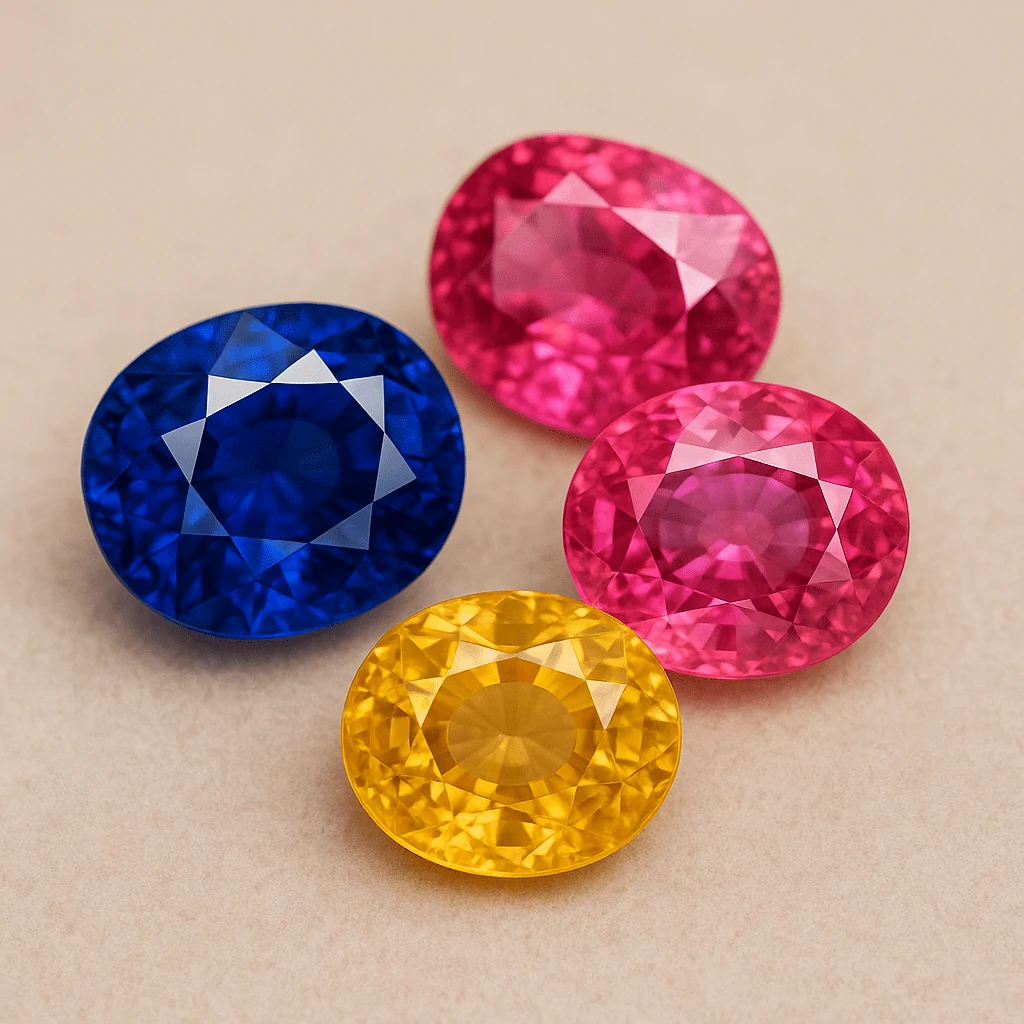
While blue is the signature shade, Sri Lanka produces over a dozen color varieties of sapphire. The most famous after blue is the padparadscha sapphire, a sunset blend of pink and orange unique to the island. Collectors value this rare hue for its romantic glow and limited availability. Yellow, green, and violet tones are also mined, along with color-changing stones that shift from blue to purple under different light.
Gem dealers in Ratnapura often say, “If you can dream a color, Sri Lanka can find it in a sapphire.” That diversity helps the country serve both luxury brands and affordable markets, making Sri Lankan sapphires accessible to collectors worldwide.
Quality and Grading
Every sapphire is graded by the “Four Cs” — color, clarity, cut, and carat. Among these, color is king. Ceylon sapphires are graded from pale cornflower to deep royal blue. The most sought tone is medium to medium-dark blue with bright luminosity. Clarity is also notable; Sri Lankan stones often have fewer inclusions than those from Myanmar or Thailand.
Skilled cutters in Beruwala and Colombo shape each stone to maximize light return. Unlike mass-produced gems from mechanized centers, these cuts are done by hand — a testament to human patience and eye precision. When you see the brilliance of a finished Sri Lankan sapphire, you are witnessing hours of meticulous artistry.
Symbolism and Spiritual Meaning
Across Asia, the sapphire symbolizes wisdom and divine favor. Buddhist texts mention gems as offerings that enhance clarity of mind. In Sri Lanka, many families gift a blue sapphire during engagements or major life milestones. Astrologers recommend wearing it to strengthen planet Saturn and bring discipline and prosperity. Even outside spiritual circles, travelers feel drawn to its cool glow — a symbol of peace and purity.
Cultural Continuity
From ancient temple treasures to modern luxury brands, the sapphire’s journey remains continuous. Many of Sri Lanka’s artisans are descendants of families who cut gems for kings and temples. Their skills have passed down through generations. When I spoke with a craftsman in Balangoda, he said quietly, “My father taught me to listen to the stone.” That respect for material is what keeps the Sri Lankan sapphire industry authentic even in a digital age.
Famous Sapphire Types in Sri Lanka
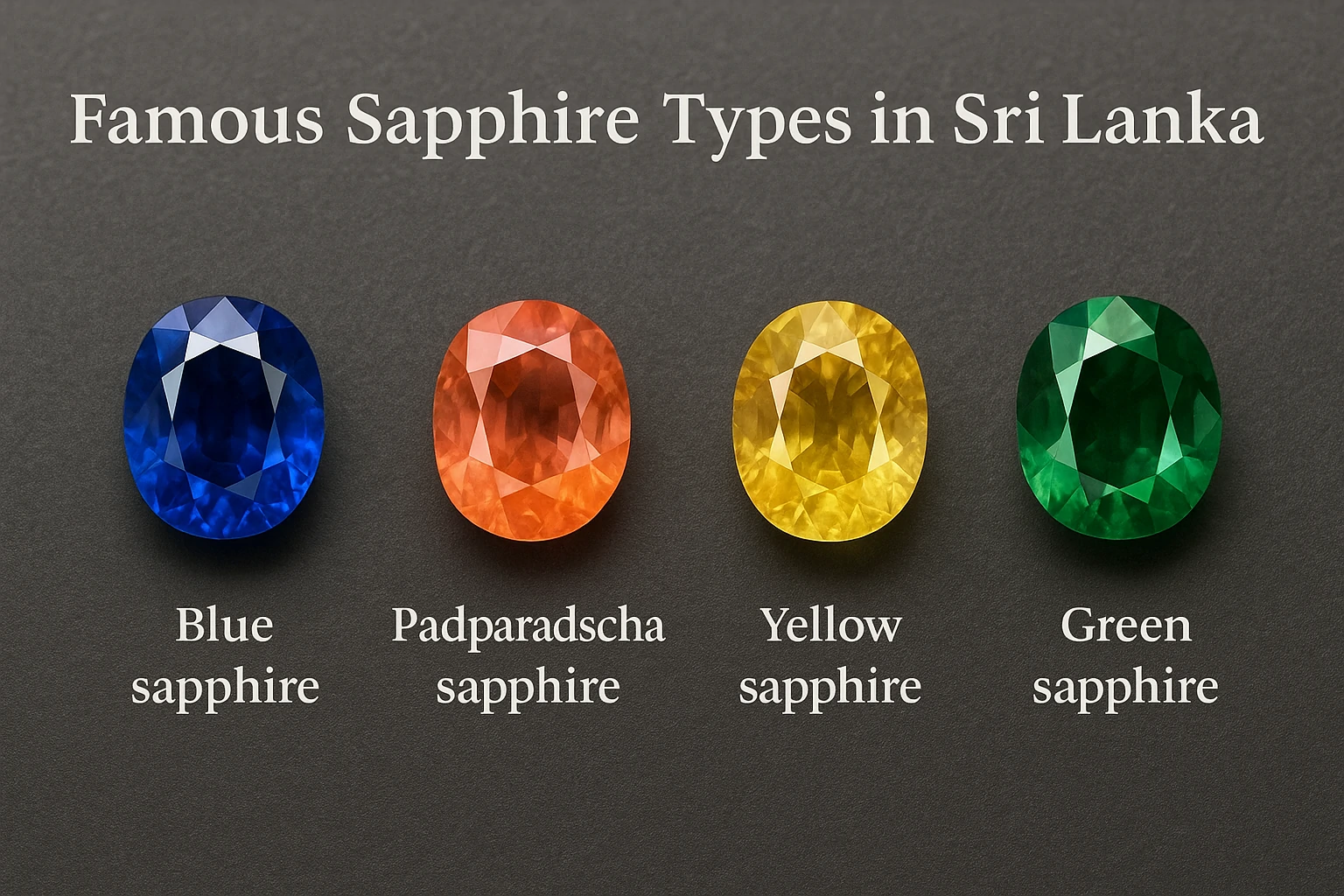
The rich geology of Sri Lanka has given rise to a remarkable range of sapphires. Each type possesses its own color tone, clarity, and cultural story. Collectors and jewelers around the world still use the term Ceylon sapphire as a mark of prestige and authenticity. To learn about current values and what affects Padparadscha sapphire prices, explore our complete 2025 guide to Padparadscha sapphire prices in Sri Lanka.
1. The Blue Sapphire – The Crown of Ceylon
The blue sapphire is Sri Lanka’s national gem and the most coveted variety of Sri Lankan sapphire. Its tone ranges from soft cornflower to deep royal blue. Unlike darker stones from Madagascar or Australia, Ceylon blues retain brightness under any light. Gem cutters value this balance of saturation and transparency because it produces the iconic “velvety glow.”
The world’s largest known blue sapphire, the “Blue Belle of Asia,” originated in Ratnapura and weighs over 400 carats. Its discovery in the 1920s cemented the island’s reputation as the home of legendary gems.
For a detailed breakdown of current market values and expert buying insights, see our full 2025 Blue Sapphire Price Guide to understand how each factor influences sapphire value in Sri Lanka.
2. Padparadscha – The Lotus Sapphire
Perhaps the most romantic of all Sri Lankan sapphires is the padparadscha. Its name means “lotus blossom” in Sinhalese, describing the rare fusion of pink and orange hues. True padparadscha stones are extremely scarce and often fetch higher prices than diamonds. Many jewelers consider Sri Lanka the only place where this perfect color mix occurs naturally.
Wearing a padparadscha is believed to bring love and creativity. Local artisans treat these stones with deep reverence, seeing them as the “heart” of the gem island.
3. Yellow and Golden Sapphires
Bright and sunny, yellow sapphires symbolize prosperity and wisdom in Sri Lankan culture. They range from pale lemon to rich gold. Many believers wear them for astrological benefits connected to planet Jupiter. Cutters often polish them into oval or cushion shapes to enhance warmth and fire.
Golden sapphires from Elahera are noted for their honey-like tone and high clarity. These stones pair beautifully with yellow gold settings, creating jewellery that glows like sunlight on skin. Among the many varieties, the Yellow Sapphire Sri Lanka stands out for its radiant golden hue and deep cultural symbolism. Learn how this gem represents prosperity, Jupiter’s blessings, and the island’s heritage in our detailed guide.
4. Green and Teal Sapphires
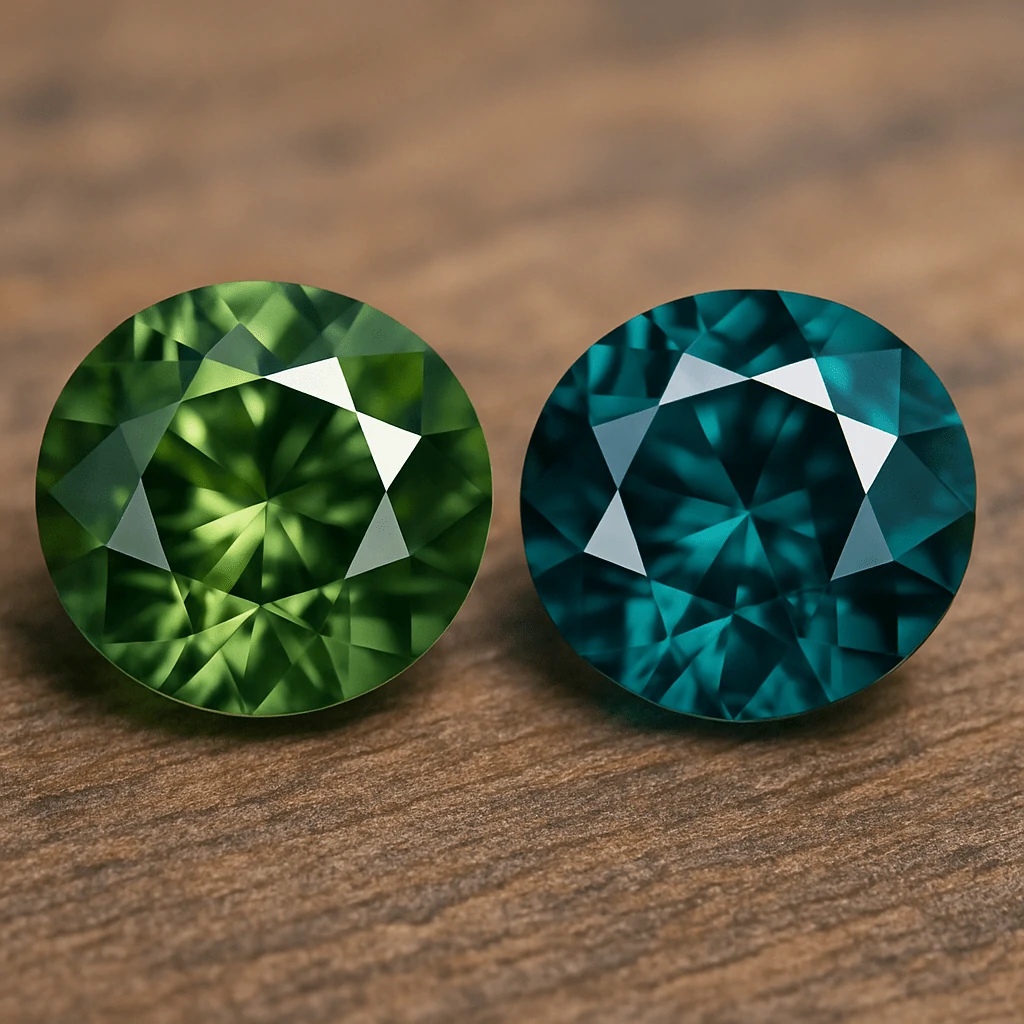
Green sapphires occur when iron traces dominate the crystal. They carry a soothing, earthy aura and are gaining popularity in modern designs. Some display a teal mix of blue and green, producing a mystical ocean-depth effect unique to Sri Lanka’s southern deposits.
Jewelers love these tones for sustainable collections that highlight nature’s diversity. A green Sri Lankan sapphire offers a distinct choice for buyers seeking something rare yet affordable. Among the rarer varieties, the green sapphire Sri Lanka stands out for its natural hues and deep connection to the island’s lush landscapes.
5. Color-Change Sapphires
In certain pockets of gem soil, Sri Lanka yields sapphires that shift from blue to violet depending on light. This phenomenon fascinates collectors. Under daylight, the stone appears blue; under incandescent light, it turns purple. Each gem seems to hold two personalities, making it a symbol of adaptability and mystery.
The Art of Sapphire Mining in Sri Lanka
Mining sapphires here is both a science and a heritage craft. More than 80 percent of Sri Lankan mines are small, family-run operations. Rather than large-scale excavation, miners use hand tools and eco-friendly methods that have changed little since ancient times.
Traditional Pit Mining
In Ratnapura, Elahera, and Pelmadulla, miners dig narrow shafts called “donavas.” Each pit is lined with wood to prevent collapse. Buckets of gravel are lifted by hand and washed in circular baskets until tiny flashes of color appear. The moment a Sri Lankan sapphire surface shines, the whole team cheers — it’s a small celebration of hope and heritage.
These operations minimize environmental damage and restore land after use, earning praise from ethical-trade organizations.
River and Alluvial Mining
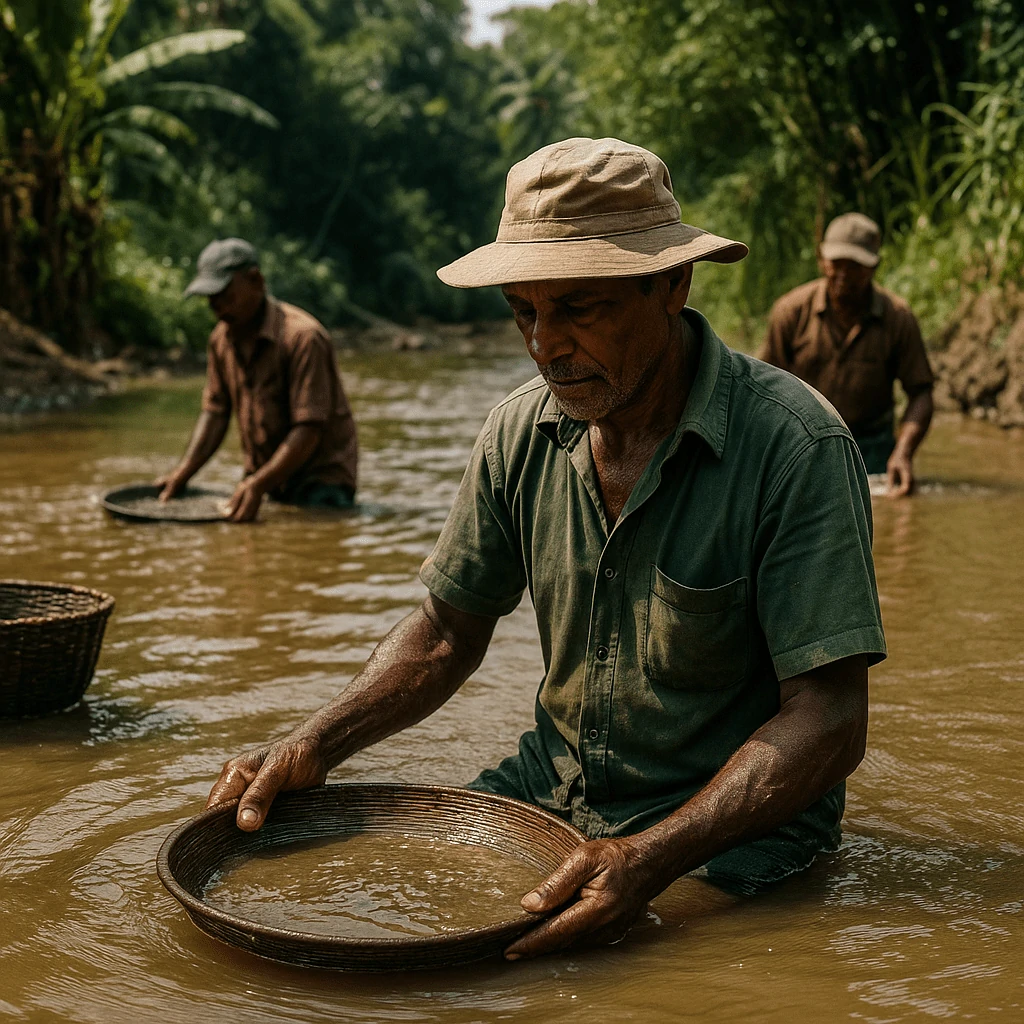
Rivers like Kalu and Mahaweli carry gem-bearing gravel from the highlands. Miners collect sediment from shallow banks and sift it with wooden trays. This gentle method keeps the ecosystem intact while revealing stones washed free by centuries of natural erosion.
Alluvial mines often produce smaller but exceptionally clear gems. Families along these rivers have worked the same spots for generations, passing down techniques as part of local identity.
Explore Ratnapura Gem Market & Ratnapura Mining Area on google maps
Modern Safety and Sustainability
Though tradition remains, technology has improved safety. The National Gem and Jewellery Authority monitors licensing and requires environmental impact assessments. Mechanized water pumps reduce manual strain, and co-operative ownership ensures fair profit sharing. For travelers, visiting a licensed mine offers a genuine look at responsible gem production.
Cutting and Polishing – The Soul of the Gem
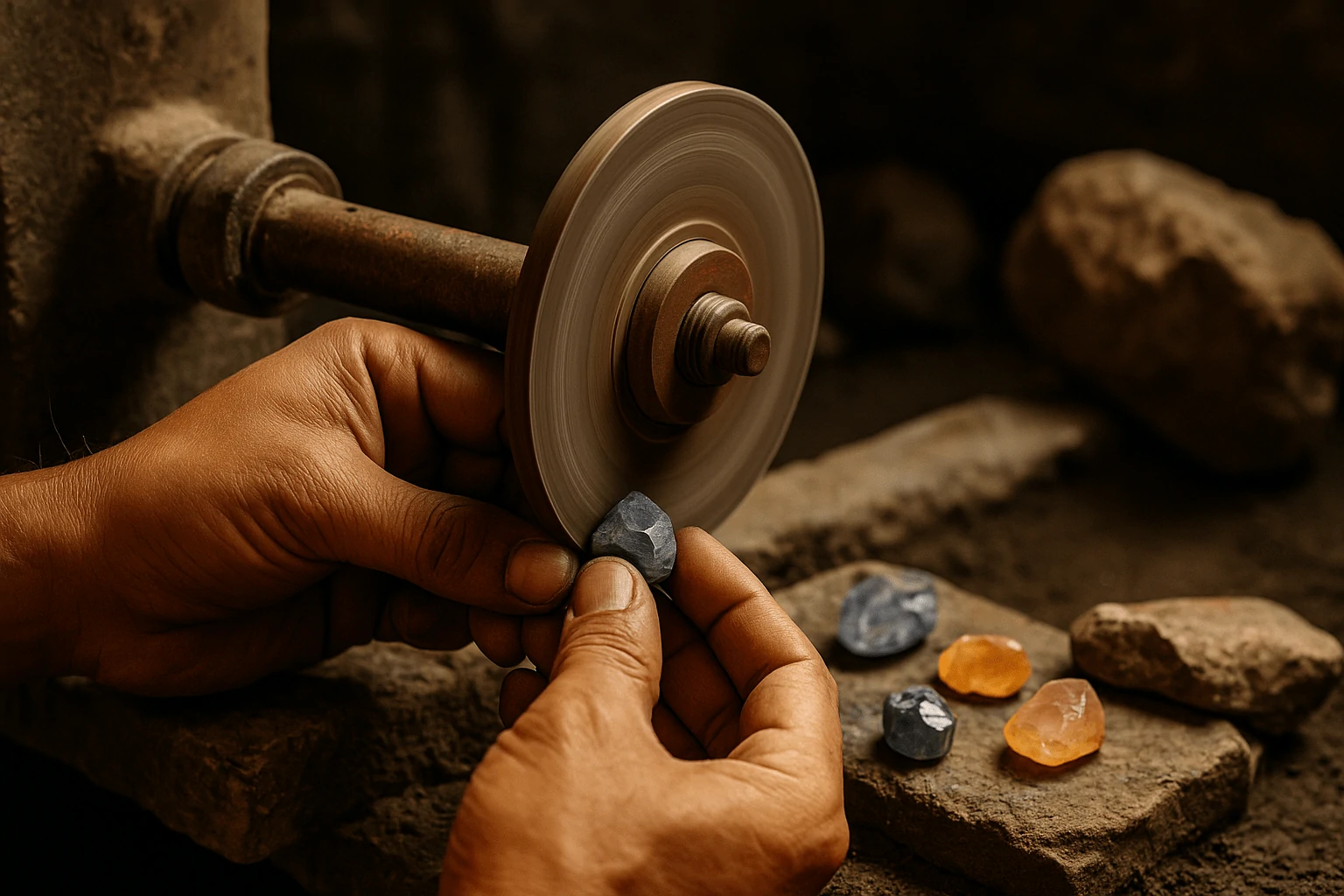
After mining, the journey of a Sri Lankan sapphire moves to cutting centers in Beruwala and Colombo. Here, craftsmen study each rough stone under natural light to decide the best orientation. Their goal is to maximize brilliance while preserving carat weight.
Each facet is ground on a rotating lap wheel with diamond powder. Water cools the stone and washes away dust, revealing sparkle slowly — almost ritualistically. A skilled cutter may spend days perfecting one gem. No two stones are identical; the cut is an artist’s signature.
Traditional hand cutting produces a distinct softness to light, a trait collectors call “Ceylon life.” Modern laser precision has entered the industry too, yet most buyers still prefer the human touch. It connects the modern market to ancient craftsmanship — the soul of Sri Lankan sapphires.
Buying a Genuine Sri Lankan Sapphire & Its Cultural and Historical Significance
Buying a Genuine Sri Lankan Sapphire
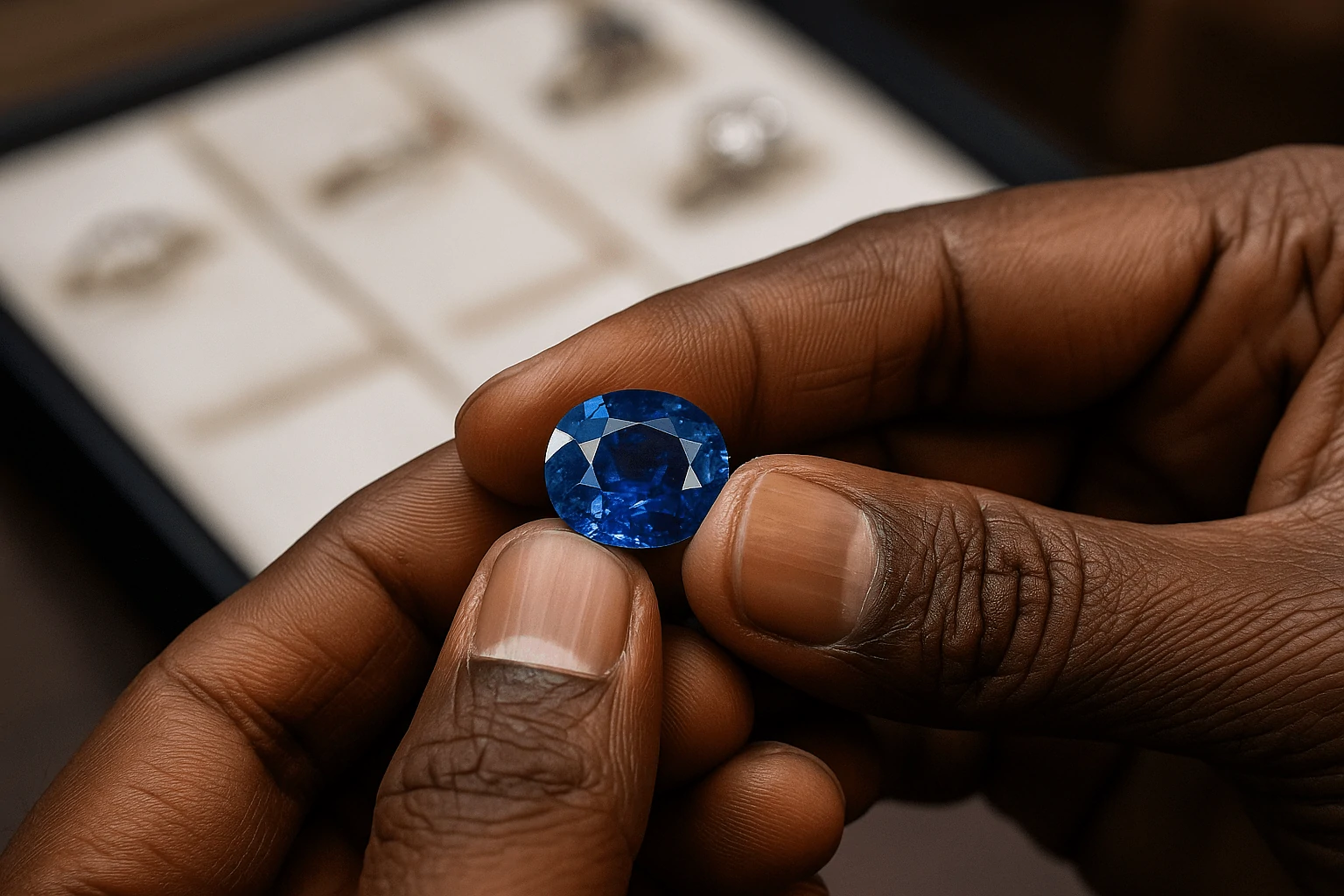
Owning a Sri Lankan sapphire is both a luxury and a responsibility. The market offers breathtaking pieces, but authenticity matters as much as beauty. Here’s how informed travelers and gem lovers can ensure their purchase is real, ethical, and valuable.
1. Know the Origin
Always confirm the stone’s origin before paying. Reputable dealers clearly label stones as Ceylon sapphire and provide certificates from recognized gem laboratories in Colombo or Ratnapura. Genuine documentation lists color, clarity, carat, and treatment details.
Local shops often allow you to watch the stone under natural and artificial light. A true Sri Lankan sapphire glows evenly in both; fakes may look dull indoors or overly dark outside. Asking for origin proof isn’t rude — it’s standard practice for serious buyers.
2. Check the Color and Cut
Color defines value. Pure medium-blue tones with bright transparency command higher prices than overly dark or pale stones. When you tilt a Sri Lankan sapphire, light should travel freely without “dead” patches. Skilled cutters align the crystal axis precisely to enhance brilliance.
Observe the symmetry of the cut: uneven facets or thick girdles usually signal low-quality work. In Sri Lanka, many cutters still shape gems by hand; a fine balance of art and science ensures the finished stone reflects its origin’s prestige.
3. Ask About Treatments
Heat treatment is common and accepted globally; it enhances color without altering composition. However, glass-filled or diffusion-treated sapphires lose natural value. A reliable seller will mention any process openly.
Most Sri Lankan sapphires are heated only to improve tone, not clarity. Such stones remain natural and retain excellent resale value. When a dealer guarantees “no heat” with lab proof, expect a premium — these gems are rare.
4. Trusted Places to Buy
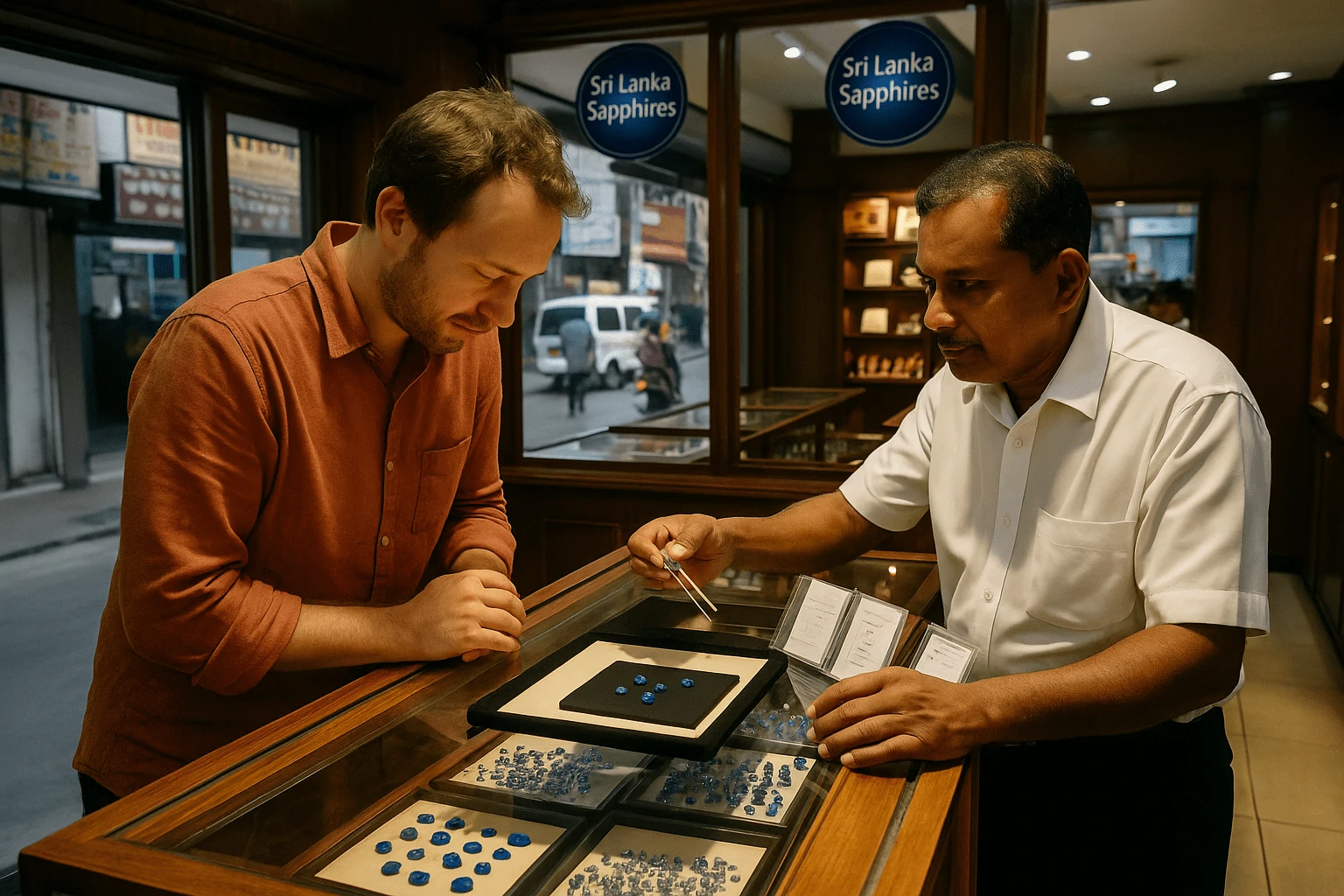
Ratnapura is the heart of the island’s gem trade, but authorized dealers also operate in Beruwala, Galle, and Colombo. Government-certified showrooms display licenses near entrances. Avoid street vendors offering “bargains”; genuine sapphires never sell for tourist-souvenir prices.
Buyers who prefer verified authenticity can visit the National Gem and Jewellery Authority Showroom in Colombo, where all stones are pre-certified. Private workshops sometimes allow visitors to watch cutting and polishing before selecting their piece — an unforgettable experience for gem enthusiasts.
Sri Lanka Gem & Jewellery Exchange is one of the best jewellery store I’ve been in Colombo, the staffs were very friendly and helped my best friend to find his fiancés dream ring.
See more reviews on tripAdvisor
5. Pricing Guide
The value of a Sri Lankan sapphire depends on four factors:
-
Color: vivid medium blue or padparadscha shades fetch the highest rates.
-
Clarity: eye-clean stones are rarer and more desirable.
-
Carat weight: prices rise sharply above 2 carats.
-
Origin proof: documented Ceylon origin adds prestige.
As of 2025, quality blue sapphires range roughly from USD 800 to USD 2 500 per carat, while padparadscha stones may exceed USD 5 000. The best advice is simple: buy for beauty, not speculation. A sapphire’s emotional value often outlasts market trends.
Cultural and Historical Significance
The Sri Lankan sapphire is more than commerce; it’s culture crystallized in stone. For centuries, these gems adorned crowns, temples, and stories that shaped national identity.
Ancient Legends
Old chronicles tell of kings who offered sapphires to Buddhist relics as acts of devotion. Temples in Anuradhapura once stored gem-studded caskets said to radiate blue light during full moons. Ancient mariners carried Sri Lankan sapphires as charms against storm and envy.
One legend claims that a sapphire from Serendib protected the Prophet Solomon on his journeys, symbolizing purity and truth. Whether myth or memory, these tales connect the gem to virtue and wisdom.
Royal Connections
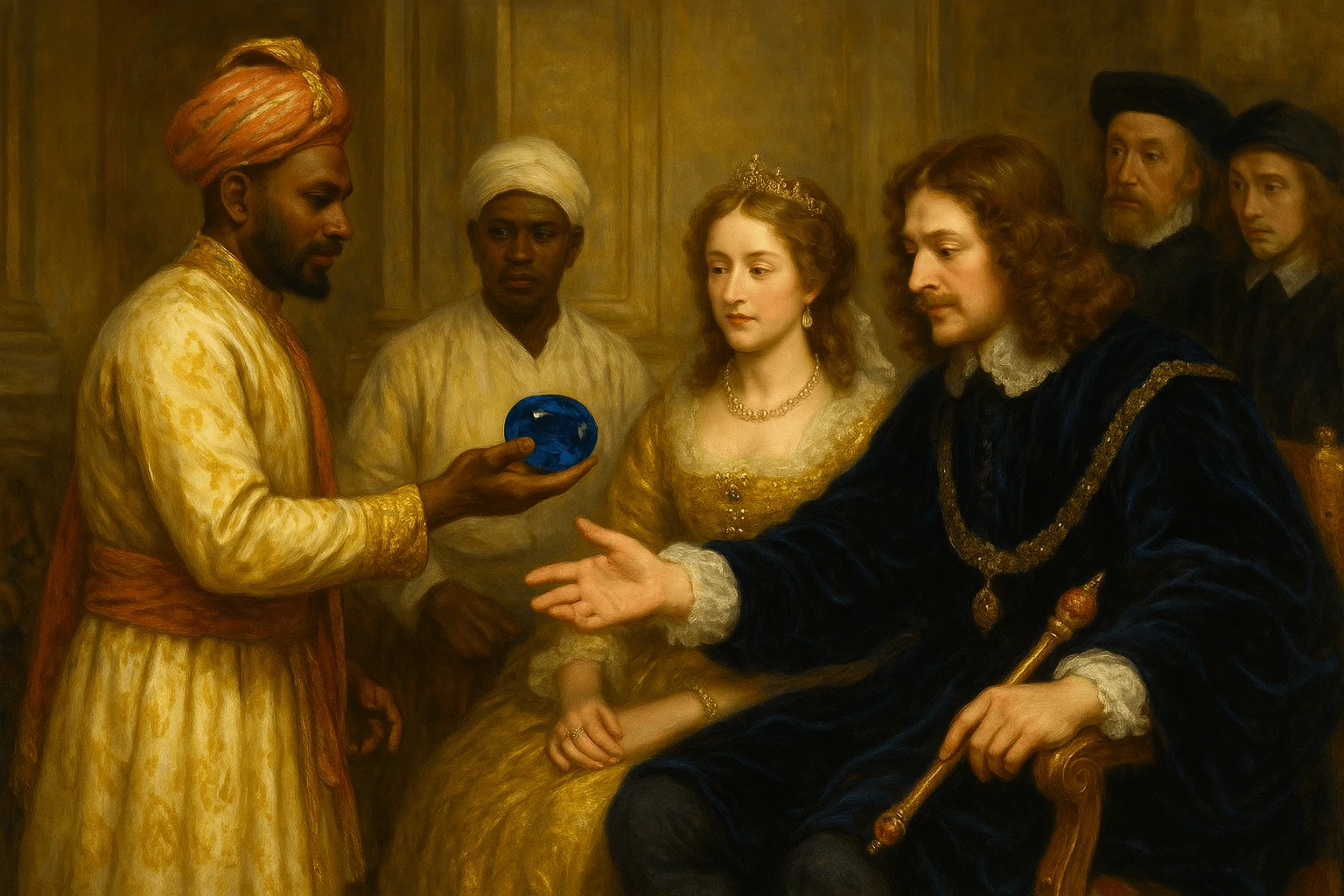
Ceylon’s stones reached royal courts from Persia to Britain. In 1881, a deep-blue Sri Lankan sapphire weighing over 300 carats was presented to Queen Victoria, beginning Europe’s obsession with “Ceylon blue.” Generations later, another Ceylon stone gained global fame in Princess Diana’s engagement ring, passing today to Princess Catherine.
Each royal association reaffirmed the island’s reputation. Collectors and designers continue to describe Sri Lanka as the “Heart of Sapphire World.”
Spiritual and Astrological Beliefs
In Sri Lankan tradition, wearing a blue sapphire aligns with the planet Saturn (Shani). Astrologers prescribe it to bring discipline, protection, and prosperity. Rituals before wearing include cleansing the gem in milk or holy water to honor natural energy.
Beyond astrology, people see sapphires as emblems of calm focus. Monks sometimes use small stones in meditation spaces, believing their cool color aids clarity. The gem’s physical hardness mirrors the inner resilience many Sri Lankans admire.
Cultural Craftsmanship
Jewelry making in Sri Lanka intertwines with family lineage. Goldsmiths in Galle and Kandy trace ancestry to artisans who served Kandyan kings. They still design pieces featuring the classic “peacock-feather” motif surrounding a Sri Lankan sapphire at its center.
Modern studios blend this heritage with global trends, creating engagement rings and pendants that travel the world while carrying island identity. For many young designers, working with sapphires is not only business but a continuation of ancestral pride.
To see how these exquisite stones are transformed into wearable masterpieces, explore our detailed guide on Ceylon Sapphire Jewellery: Timeless Elegance.
Ethical Meaning in Modern Times
Today’s buyers often ask where and how their gems are sourced. Sri Lanka stands out for transparency. Laws limit mechanized mining, ensuring small communities keep their livelihoods. The same villages that once supplied kings now send stones to international fashion houses, keeping traditions alive without harming nature.
Purchasing a certified Sri Lankan sapphire supports this cycle of ethical craftsmanship. Each gem represents clean trade, community growth, and cultural endurance. For conscious travelers, it’s a tangible way to connect with heritage while contributing to sustainability.
Traveler Experience & Modern Industry Evolution
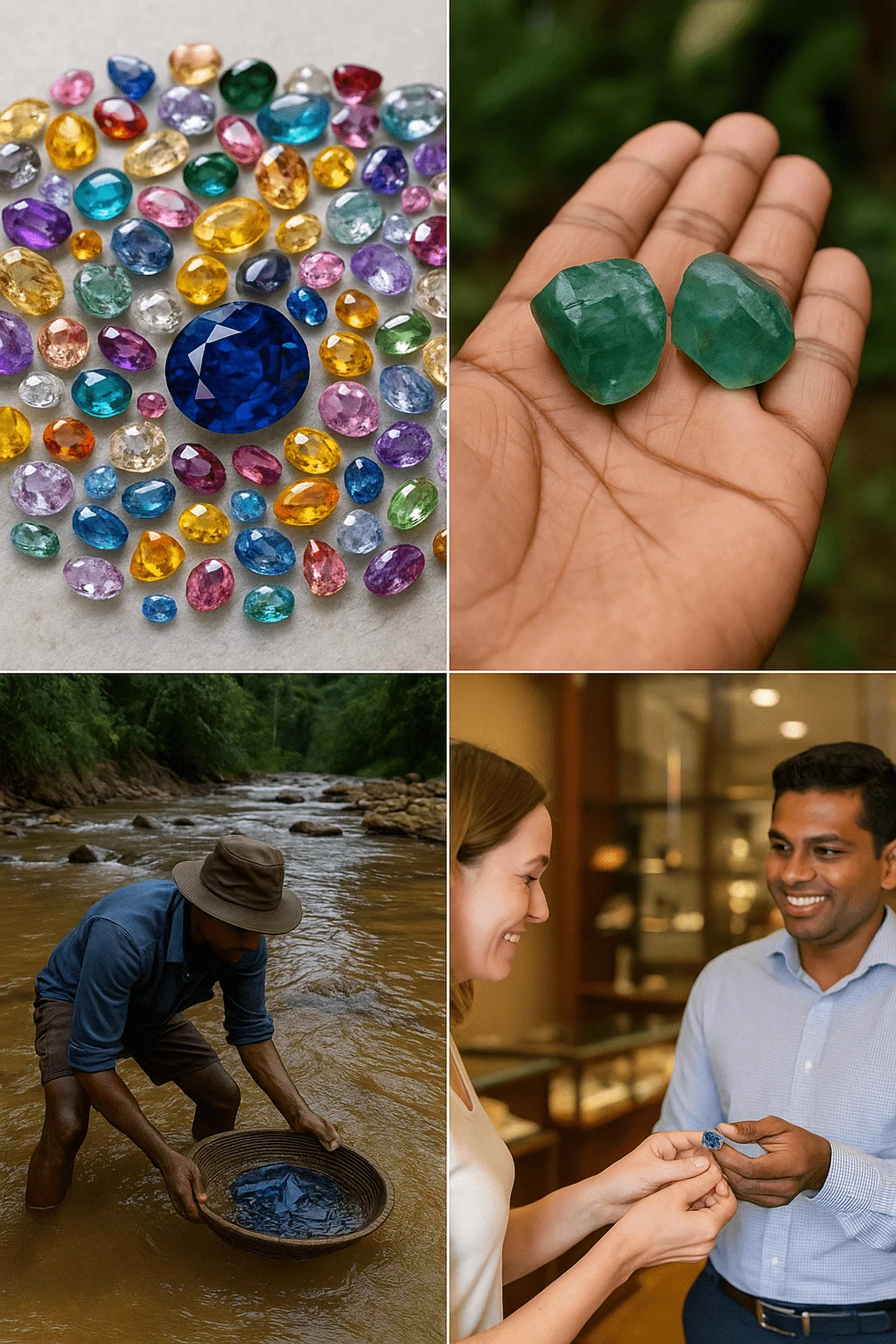
The Traveler’s Gem Journey
For many visitors, learning about a Sri Lankan sapphire becomes a highlight of their trip. The experience blends culture, adventure, and personal discovery. From Colombo’s polished showrooms to Ratnapura’s muddy pits, travelers can witness the entire story of a gemstone — from soil to sparkle.
When I joined a guided gem tour in Ratnapura, the air smelled of wet earth. Miners lowered baskets by rope into narrow shafts, their laughter echoing above ground. A guide explained how every scoop of gravel carries centuries of history. Watching those men search for hidden color made me appreciate the patience behind each finished gem.
After mining demonstrations, visitors often visit cutting workshops. There, artisans seated by open windows use foot-powered polishing wheels. The rhythm is hypnotic — a reminder that behind every Sri Lankan sapphire lies human endurance and art.
This is the residence, museum and Gem / Jewellery shop of this Gemological Family.This is 50 years of the gentlemans collection and its so amazing how he got hold of many of the things he has in his collection…
See more reviews on tripAdvisor
Learning from Local Experts
Several small museums now teach the science and folklore of sapphires. In Ratnapura’s Gem Museum, displays show rough stones beside their polished versions. Charts compare hues, clarity grades, and crystal forms. Even children lean close, fascinated by how dull pebbles transform into brilliance.
At these centers, gemologists explain the unique chemistry that gives the Sri Lankan sapphire its glow. You can hold magnifying loupes and study inclusions — tiny “fingerprints” proving a gem’s natural birth. Such hands-on education deepens respect for both nature and craftsmanship.
Many workshops allow visitors to design their own jewellery. Selecting a stone, choosing a setting, and watching goldsmiths assemble it creates a personal connection. A finished ring or pendant becomes a souvenir of experience rather than just an ornament.
Community and Hospitality
Gem towns in Sri Lanka welcome travelers warmly. Families invite guests for tea, proud to share stories about mining traditions. Women sort gravel under palm roofs while children play nearby — a scene that blends livelihood with daily life.
Staying overnight in Ratnapura or Balangoda lets you see early-morning trading sessions. Dealers gather in small courtyards, inspecting stones under natural light. Negotiations happen quietly, marked by nods and smiles rather than loud bargaining. As dawn brightens, dozens of tiny sapphires gleam on white paper — a sea of captured sky.
Such encounters turn tourism into cultural exchange. Visitors learn humility from people whose skill and honesty keep Sri Lankan gem trade respected worldwide.
From Heritage to Modern Industry
The gem industry has evolved while preserving its roots. In earlier centuries, traders carried gems on foot or by boat; today, stones move through global auctions and online marketplaces. Yet the Sri Lankan sapphire still owes its reputation to human expertise, not mass production.
Export and Global Demand
Sri Lanka exports millions of carats of cut and polished stones each year, contributing significantly to its economy. The government’s Gem and Jewellery Authority monitors quality and licensing, ensuring fair practice. International buyers from Europe, Japan, and the US prefer Sri Lankan suppliers for consistency and ethical sourcing.
Trade fairs in Bangkok, Hong Kong, and Geneva often highlight “Ceylon Blue” collections. Each time a jewel graces a red carpet, it subtly carries the island’s signature brilliance.
Technology Meets Tradition
Modern gem labs in Colombo use spectroscopy and imaging to analyze inclusions. Digital grading reports give confidence to distant buyers, while local cutters now use computer-aided design to plan complex facets. Despite these upgrades, most artisans still polish by hand — a blend of precision and soul.
Laser engraving helps track stones from mine to market, protecting authenticity. Such innovation keeps the Sri Lankan sapphire competitive against synthetic alternatives flooding the market.
Sustainability and Ethical Leadership
In recent years, Sri Lanka has become a model for responsible mining. Authorities require land restoration after extraction and promote tree planting around dig sites. Many cooperatives reinvest profits in schools and community projects.
Consumers value these efforts. Choosing a certified Sri Lankan sapphire means supporting an eco-friendly and socially fair supply chain. The gem’s beauty thus extends beyond its color — it reflects conscious craftsmanship.
Tourism reinforces this sustainability. Entrance fees to demonstration mines fund safety training and waste-water management. Local guides educate visitors on the environmental balance between mining and conservation. Travelers leave with admiration, knowing their curiosity helps preserve a centuries-old heritage.
Ceylon Sapphires in Modern Design
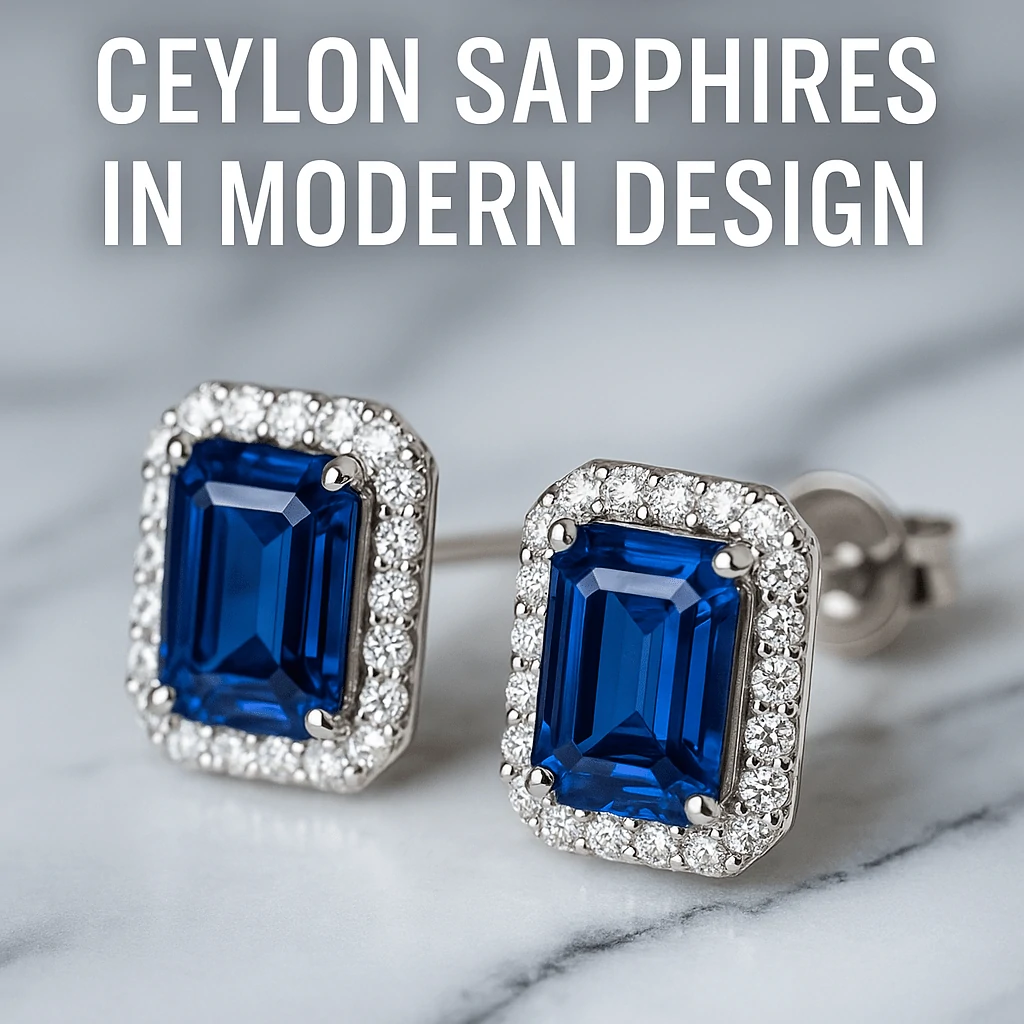
Luxury designers worldwide continue to celebrate Ceylon gems. From London to Tokyo, jewellery houses request stones with the “Ceylon Blue” certificate. Fashion magazines feature minimalist pieces set with Sri Lankan sapphires, showing how tradition adapts to modern style.
Young Sri Lankan designers blend old motifs — lotus petals, peacock feathers — with sleek lines and recycled metals. Their creations appear in international showcases, proving heritage and sustainability can shine together.
For couples seeking engagement rings beyond diamonds, a blue or padparadscha sapphire offers individuality. Each gem holds a story that began in tropical soil and traveled the world through skilled hands.
Traveler Tips for a Responsible Visit
-
Verify certifications: Always ask to see the gem license and mine registration number.
-
Support small workshops: Buying directly from family cutters ensures fair income.
-
Respect privacy: Many miners work on ancestral land; request permission before taking photos.
-
Visit museums first: Understanding grading helps you appreciate authenticity later.
-
Budget wisely: Focus on quality and documentation, not low prices.
💎 For travelers wondering about the cost of gemstones, read our in-depth guide — Are Sapphires Cheaper in Sri Lanka? — to understand why prices are lower on the island and what factors influence their value.
These actions help maintain integrity within the gem tourism sector and protect Sri Lanka’s reputation for honesty and craftsmanship.
The Emotional Connection
Owning a Sri Lankan sapphire often feels like holding a piece of sky. Travelers describe a quiet joy each time light touches the stone. It’s not only beauty that captivates them but the journey behind it — from muddy water to polished perfection.
Many buyers keep in touch with artisans, sending photos of finished jewellery abroad. This bond forms a circle of gratitude between maker and wearer. In that sense, the gem becomes more than a souvenir; it’s a shared story of culture, patience, and artistry.
The Science and Symbolism of Sapphires & Traveler Guides
The Science Behind the Sparkle
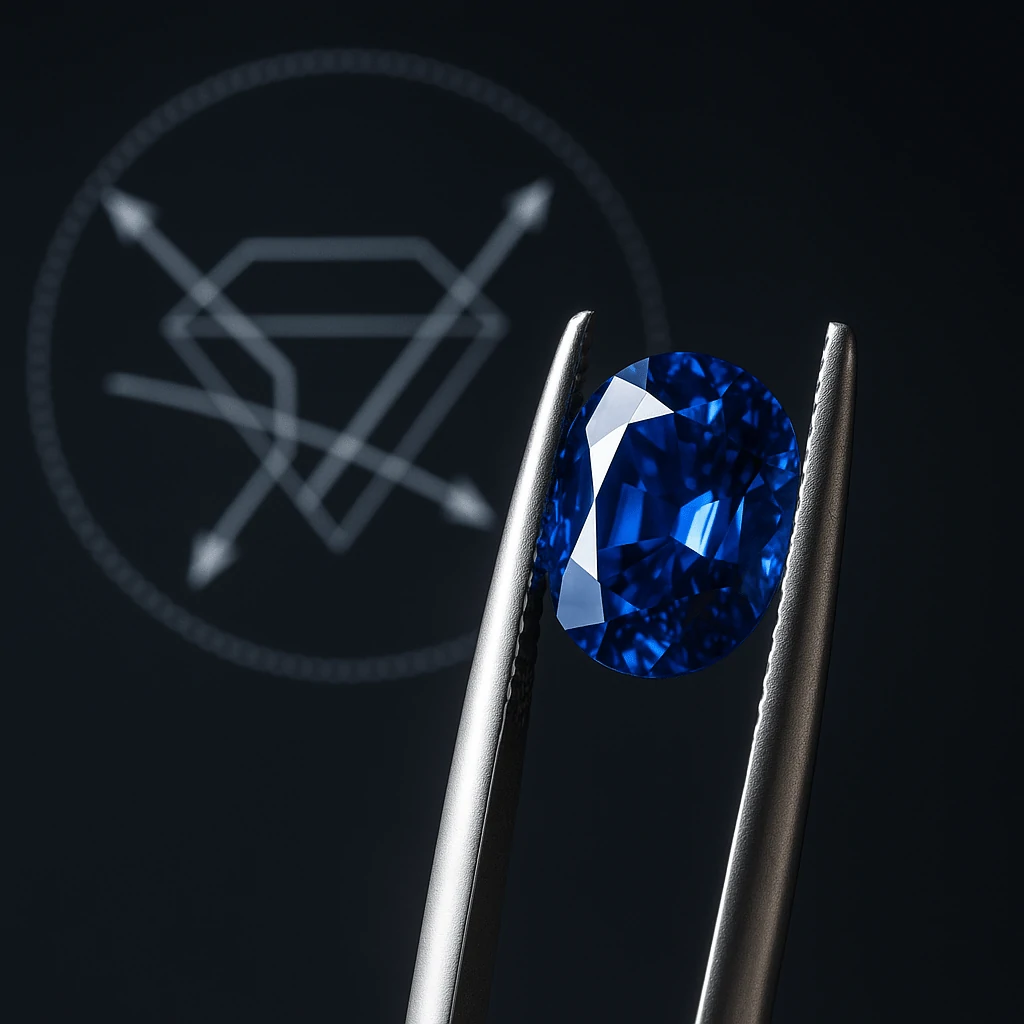
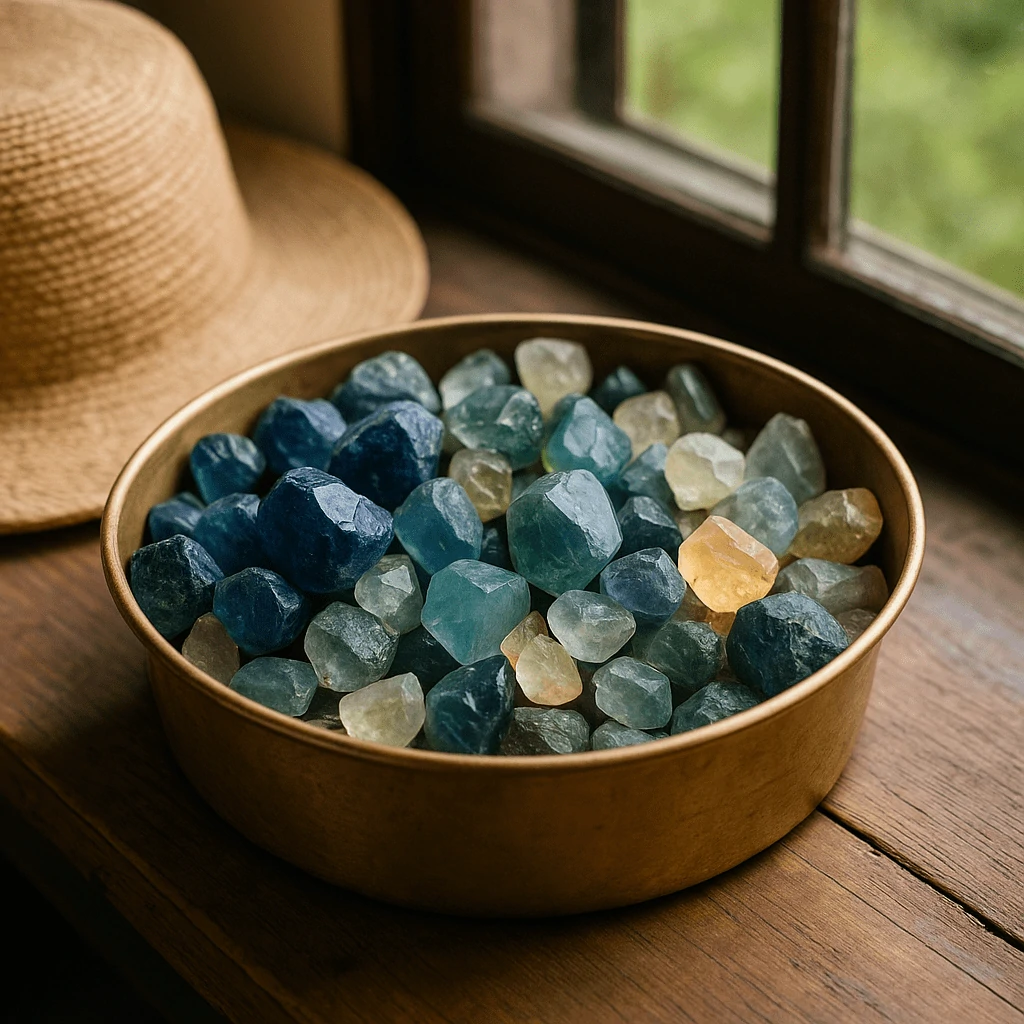
Behind every glittering Sri Lankan sapphire lies an extraordinary geological story. These gems belong to the corundum family — the second-hardest mineral on Earth after diamond. Their crystal lattice of aluminum and oxygen is flawless until nature adds trace elements. When iron and titanium mingle inside that lattice, the result is blue. Add chromium, and pink appears; mix both, and you get the fabled padparadscha hue.
Sri Lanka’s metamorphic rocks formed under intense heat and pressure over 600 million years ago. Ancient volcanoes, river movement, and tropical erosion slowly brought sapphires closer to the surface. That process explains why Ratnapura’s riverbeds remain rich in gem gravel today. Each new discovery is a time capsule from Earth’s deep interior — a scientific wonder wrapped in beauty.
Gem laboratories confirm authenticity using refractive index and spectroscopy tests. These methods reveal each stone’s optical fingerprint. No synthetic or treated stone can perfectly mimic the internal inclusions of a natural Sri Lankan sapphire.
The Durability Factor
Sapphires score 9 on the Mohs hardness scale, making them ideal for daily wear. This toughness symbolizes endurance and loyalty — traits that explain their popularity in engagement rings. When properly cut and mounted, a Sri Lankan sapphire can last generations without losing luster.
For travellers, learning this science deepens appreciation. When I saw a jeweller gently test hardness using a calibrated pen, I realized how much science supports artistry. Each sparkle you see on a finished gem is not accidental; it’s precise physics guided by human touch.
Symbolism Through Ages
Across civilizations, sapphires embodied nobility, truth, and divine favor. In Buddhist art, blue stones represent mental clarity. Ancient Persians believed the sky itself rested on a giant sapphire, giving the heavens their color. Kings in medieval Europe wore sapphires to protect against envy and deceit.
In Sri Lanka, the Sri Lankan sapphire still carries spiritual meaning. Astrologers link it to planet Saturn, known for discipline and strength. Many locals begin new ventures wearing a small stone set in gold on the middle finger — a ritual said to bring focus and resilience. The cool blue tone also aligns with mindfulness and calm, making it a symbolic antidote to modern chaos.
The Sapphire in Modern Culture
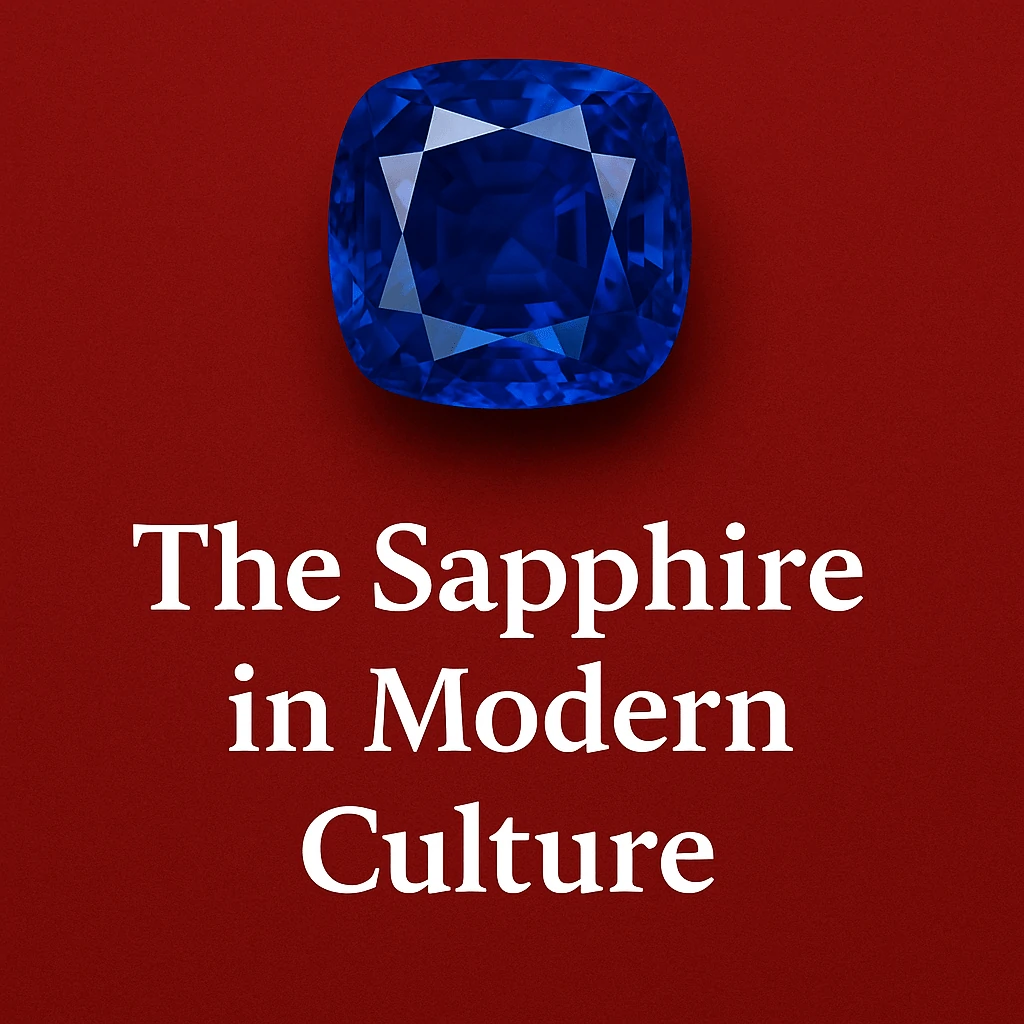
From fashion to film, sapphires continue to enchant. Global designers often mention “Ceylon Blue” as a specific color category. Celebrities choose Sri Lankan sapphires for red-carpet events because they reflect light vividly under camera flashes. In digital design, that luminous shade has inspired color palettes for luxury branding, connecting natural beauty with modern aesthetics.
Even sustainable-fashion advocates embrace Sri Lankan gems as ethical symbols — proof that luxury and responsibility can coexist. Owning one no longer means flaunting wealth; it means valuing heritage and sustainability.
Traveler Guides – Experiencing the Sapphire Trail
For travelers planning a gem-focused route, Sri Lanka offers several stops that blend learning and leisure.
1. Colombo – The Gateway to the Gem Trade
Begin at Colombo’s Gem Museum and the National Gem and Jewellery Authority. Exhibits explain formation, cutting, and export. Showrooms in Cinnamon Gardens and Galle Face display certified stones with lab reports. Even window shopping here feels like entering a gallery of color.
Wide variety of precious and semiprecious stones . Beautiful jewelry and excellent customer service. Highly recommend a visit when you are in Colombo. Extremely reasonable prices.
See more reviews on tripAdvisor
2. Ratnapura – The City of Gems
Two hours inland, Ratnapura hums with mining life. Travelers can join half-day mine tours to see pit operations and washing techniques. Local guides translate conversations with miners and explain folklore surrounding each discovery. When sunlight hits wet gravel, flashes of blue promise excitement.
Use the interactive map below to trace the gem trail from Colombo to Ratnapura and nearby gem villages.

3. Elahera and Balangoda
These highland towns yield both sapphires and scenic beauty. Small guesthouses organize visits to polishing centers. You can watch artisans facet stones under daylight — a meditative process that connects earth and art.
4. Galle and Kandy
Galle’s old fort houses antique jewellery boutiques, while Kandy’s goldsmiths craft ceremonial ornaments for temple use. Visitors often combine gem exploration with cultural tours, tasting local sweets between stops.
5. Gem Fairs and Museums
Annual exhibitions like the “Facets Sri Lanka” show in Colombo attract global traders. Walking among booths lets travelers witness the nation’s gem diversity — from star sapphires to spinels.
Practical Tips for Gem Travelers
-
Carry certified documentation. Customs officers may request proof when exporting gems.
-
Avoid unlicensed street dealers. Prices that sound unbelievable usually are.
-
Keep receipts and lab reports together. They protect authenticity for insurance or resale.
-
Combine visits. A mine tour in Ratnapura pairs well with a museum stop in Colombo for a full-circle understanding.
-
Respect local customs. Remove shoes when entering workshops attached to homes, and always ask before photographing workers.
Following these steps ensures your sapphire journey remains safe, educational, and memorable.
Frequently Asked Questions About Sri Lankan Sapphires
Authenticity & Identification
A genuine Sri Lankan sapphire shows crisp color and uniform brightness in both daylight and artificial light. Ask for a gem-lab certificate issued in Colombo or Ratnapura confirming its origin and any heat treatment. Natural stones often have small “silk” inclusions visible under magnification — a sign of authenticity.
No. Many stones are gently heated to enhance hue, but “no-heat” sapphires exist and cost more. Always request documentation that specifies the treatment type and temperature range.
Reliable documents come from the National Gem and Jewellery Authority (NGJA) or recognized labs such as GIC or SGL. Each report lists color, clarity, carat, and origin — vital for proof and insurance.
Value & Pricing
They combine brightness, clarity, and trusted heritage. Centuries of ethical mining and master cutting give each Sri Lankan sapphire global prestige. Buyers trust the name “Ceylon sapphire” as a symbol of honest trade and long-lasting beauty.
As of 2025, prices range from about USD 800 per carat for fine medium-blue stones to USD 2 500 or more for top-grade gems. Padparadscha stones are rarer and may exceed USD 5 000 per carat.
Color is king, followed by clarity, carat weight, and origin proof. Documentation from Sri Lanka increases collector confidence and resale value.
Care & Maintenance
Use warm soapy water and a soft brush. Avoid ultrasonic cleaners if the stone has surface fractures or treatments. Rinse well and dry with a lint-free cloth.
Yes. With a Mohs hardness of 9, the Sri Lankan sapphire is ideal for daily wear. Store it separately from softer gems to avoid scratches.
Keep the stone clean, avoid harsh chemicals, and have the setting checked annually. Even after decades, a properly cared-for sapphire retains its brilliance.
Culture & Meaning
It represents wisdom, truth, and protection. In local belief, it strengthens discipline and brings peace to the wearer. Its cool blue shade also reflects Sri Lanka’s serene spirit.
In Vedic astrology, blue sapphire is the stone of Shani (Saturn). Wearing a pure Sri Lankan sapphire is believed to invite focus and financial stability when aligned with one’s birth chart.
It remains a national symbol of heritage and craftsmanship. From royal crowns to modern wedding rings, the gem still links past and present Sri Lanka.
Travel & Ethical Tourism
Yes. Licensed tours in Ratnapura and Elahera allow visitors to see traditional mining firsthand. These visits support local cooperatives and eco-education projects.
Absolutely, as long as you obtain an invoice and a certificate from an authorized dealer. Present these documents at customs when leaving the country.
Every responsible visit generates income for miners and craftsmen, funds land-rehabilitation efforts, and preserves the authentic story of the Sri Lankan sapphire.
Closing Reflection
The Sri Lankan sapphire is not simply a jewel; it is living history — a piece of earth and art that shines with centuries of human hope. From the ancient riverbeds of Ratnapura to modern design studios in Colombo, its journey shows how tradition and innovation can coexist. Whether you buy one, study one, or merely admire its light, you are part of its story. That connection is what makes the Sri Lankan sapphire truly precious.


