


Buying sapphires in Sri Lanka is one of the most exciting experiences a traveler can have. From the soft blue shimmer of Ceylon stones to the rhythmic sound of gem polishers in Ratnapura, the island’s gem trade feels alive with history. When I first began exploring the markets here, I realized that every sapphire carried more than beauty — it held a legacy of skill, tradition, and the deep trust between miners and buyers.
Sri Lanka, known for centuries as Ratnadeepa — the Island of Gems — produces stones prized around the world. Yet, the process of buying them can feel complex for newcomers. Prices vary by cut and clarity, authenticity is critical, and knowing where to buy makes the difference between a lifetime treasure and an expensive mistake.
In this guide, I’ll share what I’ve learned from walking through Ratnapura’s bustling gem markets, talking to master cutters in Kandy, and comparing certified boutique prices in Colombo. Whether you’re a traveler searching for a souvenir, a collector investing in quality, or simply curious about the gem that made Sri Lanka famous, this comprehensive guide will help you navigate the world of Ceylon sapphires with confidence.
Why Buy Sapphires in Sri Lanka

A Legacy Written in Stone
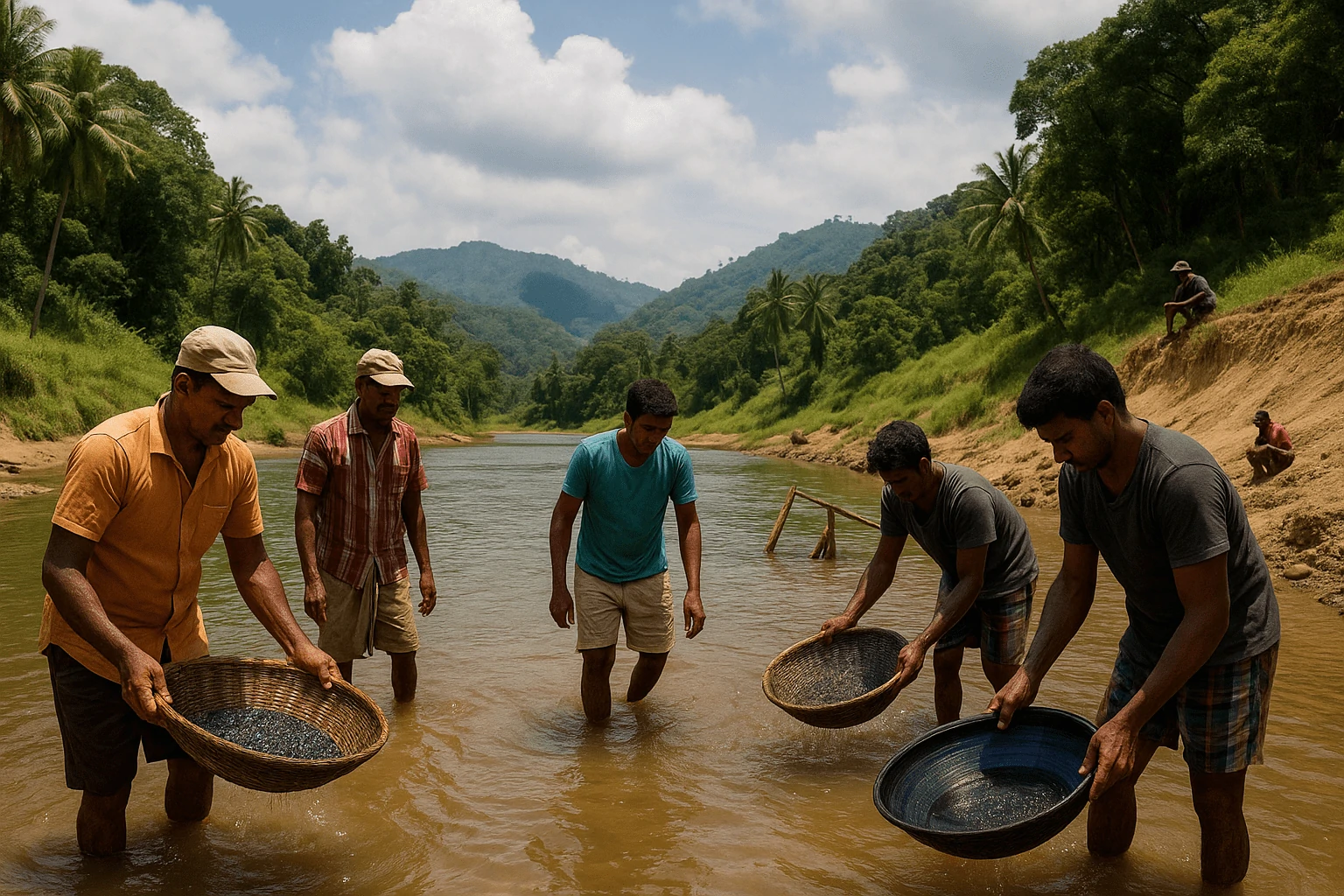
Few places in the world match Sri Lanka’s gemological heritage. Records from as early as the 2nd century BCE mention precious stones exported from the island to Persia, Rome, and China. Even today, the island’s sapphire trade continues in almost the same spirit — family-run mines, hand-washing gravel in riverbeds, and generations of lapidarists preserving ancient methods.
Ceylon sapphires gained their fame because of their exceptional transparency and brightness. Unlike darker stones from other origins, Sri Lankan sapphires capture light softly, creating that distinct “cornflower blue” glow collectors adore. The combination of purity, color stability, and skilled craftsmanship is why jewelers from Paris to Tokyo still source from this small tropical island.
The Ethical Advantage
Modern buyers also value where their stones come from. Buying sapphires in Sri Lanka supports an industry that, in many regions, remains artisanal rather than industrial. Many mines operate on small plots managed by local cooperatives, ensuring fair wages and sustainable practices. Organizations such as the Sri Lanka Gem & Jewellery Association (SLGJA) actively promote ethical sourcing and responsible mining, protecting both workers and Sri Lanka’s gem heritage. Some even offer traceable stones — you can follow a gem’s story from mine to market.
As a traveler, knowing your purchase contributes to a centuries-old community rather than a faceless supply chain adds emotional value. Every time I’ve purchased directly from certified local dealers, I felt part of that ethical exchange.
Accessibility and Expertise
One of the greatest advantages of buying sapphires in Sri Lanka is access. You don’t need to be a professional gemologist to find a high-quality stone. The island has government-regulated certification centers, official gem museums, and trained merchants who explain each stone’s grade and origin. Cities like Ratnapura, Colombo, and Kandy are dotted with NGJA-registered shops, many offering free gem-testing before you buy.
When I first visited the National Gem and Jewellery Authority (NGJA) in Colombo, I was surprised by how transparent their process was — every gemstone passed through quality control and verification before export. That level of accountability is rare in many parts of the world. If you’re drawn to gems that symbolize prosperity and Jupiter’s blessings, explore my full guide on the Yellow Sapphire Sri Lanka: Symbolism & Value to understand its spiritual meaning and how to buy the right one.
Understanding the Value of Ceylon Sapphires

Before buying, understanding how sapphires are valued will help you recognize fair prices and true quality. Gem valuation depends on a mix of science, art, and perception. The following are the major factors experts — and now, informed travelers — look for.
Color: The Soul of the Stone
Color is the single most important factor in pricing sapphires. The classic “Ceylon Blue” shows a vivid royal or cornflower shade that sparkles even in soft light. However, Sri Lanka also produces yellow, pink, purple, green, and even color-changing sapphires.
A deep yet bright tone without patches or dullness is ideal. Too dark, and the stone loses life; too pale, and it feels washed out. During one of my visits to a gem boutique in Kandy, I compared two blue sapphires of the same carat. The slightly lighter one appeared almost electric under daylight — and it was the one every buyer gravitated toward, despite being smaller.
Clarity: What Lies Within
Like all gemstones, sapphires often have natural inclusions — tiny crystals or needles inside the stone. A flawless sapphire is extremely rare. In fact, slight inclusions can even confirm natural origin, which is important for authenticity.
When buying sapphires in Sri Lanka, inspect clarity under both daylight and white lamp. Avoid stones with cloudy centers or visible cracks near the surface. Many certified sellers will let you view the gem through a jeweler’s loupe or magnifier before making a decision.
Cut: Where Craft Meets Light
A sapphire’s cut transforms its raw beauty into brilliance. The island’s lapidaries are world-renowned for their precision hand-cutting, often done without computer assistance. The perfect cut balances symmetry, proportion, and depth, allowing light to dance evenly across facets.
I still remember watching a craftsman in Ratnapura shaping a rough sapphire on a small spinning wheel. Each movement was measured in intuition and decades of practice. When I later compared his finished gem with one cut by machine abroad, the Sri Lankan stone simply felt alive. For a deeper look at what makes Ceylon stones uniquely luminous, see our pillar guide: Sri Lankan Sapphires: The Ultimate Guide to Ceylon’s Precious Gems.
Carat Weight and Size
Carat weight influences price exponentially rather than linearly. A 2-carat sapphire of excellent color and clarity can cost much more than two 1-carat stones combined. Yet, bigger is not always better — many smaller gems with exceptional hue outperform larger ones with poor saturation.
Most buyers find their ideal balance around 1 to 2 carats, perfect for rings or pendants. For collectors, 3 to 5-carat stones with certificates from NGJA or GIA are considered investment grade.
Origin: Why “Ceylon” Matters
Gem connoisseurs pay attention to origin certificates. “Ceylon” — the historical name of Sri Lanka — remains a hallmark of prestige. The term doesn’t just signify geography; it represents an optical character of brightness and purity found nowhere else.
When comparing stones from different regions, the subtle difference becomes clear. A Ceylon sapphire has an almost silky luminosity, while similar stones from Madagascar or Thailand tend to show a heavier tone. This is why leading jewelry houses highlight origin on their labels.
Heat Treatment and Enhancement
Many sapphires worldwide undergo heat treatment to improve color and clarity. While this process is accepted in the gem industry, knowing about it helps buyers make informed choices. Untreated stones with natural color are rarer and often command higher prices.
In Sri Lanka, dealers are required to disclose if a stone has been heated. I once examined two similar gems in a Colombo boutique: both were vivid blue, but one was unheated and priced almost 40 percent higher. The difference was visible only under magnification, but the value lay in authenticity.
Certification and Traceability
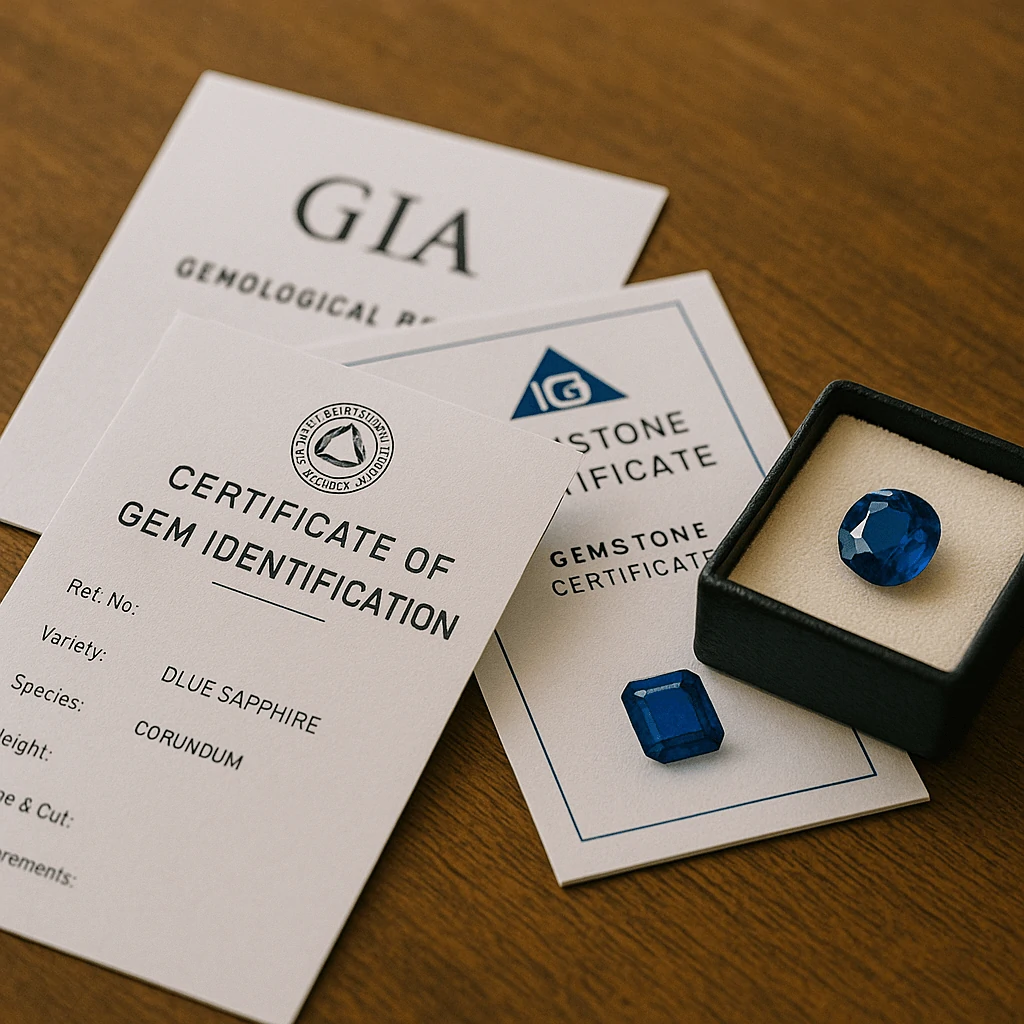
Always insist on certification when buying sapphires in Sri Lanka. Reputable stores provide documentation from the National Gem & Jewellery Authority (NGJA), the Gemological Institute of America (GIA), or the International Gem Testing Laboratory (IGTL). The National Gem & Jewellery Authority (NGJA) is Sri Lanka’s official body that regulates mining, certification, and exports of precious stones, ensuring every sapphire meets ethical and authenticity standards. Certificates list the gem’s color grade, carat, origin, and any treatments performed. The Gemological Institute of America (GIA) remains one of the world’s leading laboratories for gemstone grading, providing unbiased certification recognized by international jewelers.
Some top-tier merchants even use digital traceability systems — QR codes that track a stone’s journey from mine to showcase. This technology reassures buyers and strengthens Sri Lanka’s reputation as an ethical gem source.
Emotional and Cultural Value

Beyond beauty and rarity, Ceylon sapphires carry spiritual meaning. Locals associate the blue sapphire with wisdom, protection, and prosperity. In traditional astrology, wearing one is believed to bring clarity and success. Many Sri Lankans choose their birthstone or zodiac gem with guidance from monks or astrologers.
During my travels, I met a craftsman who told me: “Each sapphire chooses its owner.” Whether you believe that or not, holding a gem that has passed through centuries of history and human hands does feel special.
Price Guide: What You Can Expect to Pay
Buying sapphires in Sri Lanka can range from a few hundred dollars to tens of thousands, depending on quality and certification. Understanding price brackets helps travelers and collectors set expectations before entering a store.
Average Market Prices by Color
Sapphire pricing is heavily influenced by color. While blue remains the most desired, the island produces a rainbow of shades:
| Sapphire Color | Typical Price Range (per carat) | Notes |
|---|---|---|
| Blue (Ceylon Blue) | USD 300 – 3,000 | The most sought-after; vivid cornflower tones command the highest value. |
| Pink | USD 250 – 1,200 | Romantic hue, often used in engagement rings. |
| Yellow | USD 150 – 800 | Bright golden tones popular for custom jewelry. |
| Padparadscha (Pink-Orange Mix) | USD 2,000 – 10,000+ | Rarest and most valuable variety, native mainly to Sri Lanka. |
| Star Sapphire | USD 100 – 1,500 | Displays a six-rayed star effect; value depends on sharpness of the star. |
These are typical retail prices for certified stones as of recent years; bargaining and source location may shift the cost slightly. For collectors seeking the rarest type, explore our detailed Padparadscha sapphire price guide for 2025 to understand what makes this gem so valuable.
Price Factors Explained
-
Color Intensity: Pure, vivid hues cost significantly more than dull tones.
-
Clarity: Eye-clean stones (no visible inclusions) fetch a premium.
-
Cut Precision: Symmetrical, deep cuts reflect light evenly, adding to brilliance.
-
Carat Weight: Price increases exponentially; a 3-carat stone may cost 4–5 times a 1-carat equivalent.
-
Treatment Status: Unheated sapphires hold higher collector value.
-
Certification: Proper documents can raise price by 10–15% because they guarantee authenticity.
When I purchased my first Ceylon sapphire in Colombo, I noticed how transparency about these elements built trust. The merchant displayed certificates from NGJA and explained each line — something every buyer should insist on. For a closer look at where these gemstones originate and how the mining process shapes their value, read Sri Lanka Sapphire Mines: Inside the Gem Valley — a detailed journey through the heart of the island’s gem country.
Typical Price Categories
-
Entry-Level Stones: USD 100–300 — small, lighter-colored stones, good for casual souvenirs.
-
Mid-Range Stones: USD 400–1,000 — well-cut, vibrant gems ideal for fine jewelry.
-
High-End Stones: USD 1,500–5,000 — excellent clarity and color saturation.
-
Collector Grade: USD 6,000 and above — often unheated, large, or with Padparadscha coloration.
Avoiding Overpricing
Markets near tourist centers may quote inflated prices. Comparing several stores and requesting certificates narrows the gap between retail and fair value. Always ask if the price includes testing and certification — genuine dealers will not hesitate.
When unsure, a visit to the NGJA office in Colombo for verification is worthwhile. They test stones quickly and issue a short authenticity report. Once, I brought a gem bought from a street vendor; while it turned out to be real, the NGJA officer’s smile told me most tourists aren’t so lucky.
For updated 2025 market insights and current gemstone price comparisons, visit our latest Blue Sapphire Sri Lanka 2025 Price Guide to see how color, carat, and clarity shape real-world values.
Where to Buy Authentic Sapphires in Sri Lanka
Finding the right seller matters as much as the stone itself. Sri Lanka offers diverse buying experiences — from mining towns echoing with river sounds to elegant Colombo boutiques with glass showcases and gemologists on staff. Before visiting, you can review registered gem and jewellery service providers listed by Sri Lanka Tourism to ensure a safe and certified buying experience.
💎 Once you understand how to identify and value a real Ceylon gemstone, the next step is knowing where to find one. Read our in-depth travel guide on the best places to buy sapphires in Sri Lanka — from Ratnapura’s legendary gem markets to certified boutique stores in Kandy, Galle, and Colombo.
Ratnapura – The Gem City
Known as the City of Gems, Ratnapura sits about 100 kilometers southeast of Colombo. Here, gem mining is both heritage and livelihood. The city buzzes with traders, cutters, and buyers exchanging parcels wrapped in white paper.
Walking through Ratnapura’s Main Street, I found small shops displaying trays of sapphires under fluorescent lights. The experience felt raw and real — miners bringing freshly washed stones, merchants evaluating under magnifiers, and buyers negotiating respectfully.
While bargains can be found, exercise caution. Only buy from licensed traders with visible NGJA certificates. A genuine dealer will gladly show you the license and let you test stones on-site.
Tips for Buying in Ratnapura:
-
Visit during daytime for better light when judging color.
-
Take time to compare prices across shops.
-
Always insist on receipts and certificates before paying.
-
Ask if the gem was mined locally; some shops mix imported stones.
The charm of Ratnapura lies not only in prices but in the connection — buying directly from those who unearthed the gem.
The gem workshops in Ratnapura were fascinating! We learned how miners wash sapphires by hand — a must-see for gem lovers.”
— TripAdvisor Reviewer
Read more reviews on TripAdvisor →
Explore the gem capital of Sri Lanka, where the sapphire trade comes alive in every street.
Colombo – The Capital of Trust
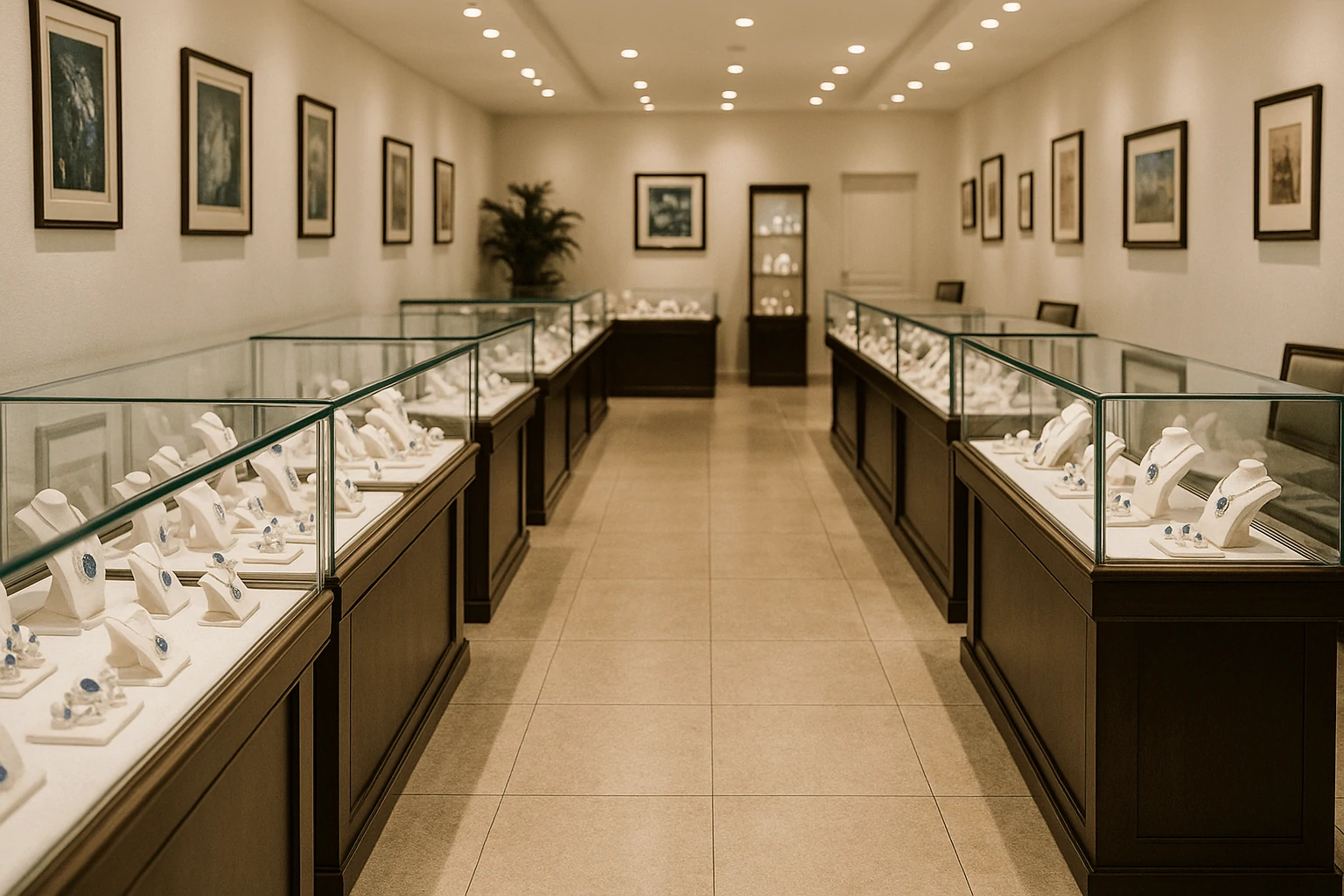
Colombo is Sri Lanka’s hub for certified gem showrooms. Upscale boutiques here offer curated selections with laboratory certificates and clear pricing. If you value convenience, safety, and professional guidance, this is the best starting point.
In areas like Galle Face, Bambalapitiya, and Colombo 07, you’ll find family-run establishments that have supplied stones to international jewelers for decades. Showrooms such as the Colombo Gem Bureau or Luster Blue Gems are known for transparent business practices.
What impressed me most during my visits was how these boutiques educate customers. They provide loupes for close inspection, show you the gem under different lighting, and even allow video documentation. This level of openness reassures first-time buyers that they are dealing with professionals.
Advantages of Buying in Colombo:
-
Highest authenticity assurance through NGJA and international certification.
-
Secure transaction environment with English-speaking staff.
-
Consistent pricing — usually higher than Ratnapura, but safer for beginners.
-
Options for custom jewelry settings and shipping.
Explore licensed NGJA-approved jewelers and gem bureaus in Sri Lanka’s capital on google maps
Kandy – The Cultural Gem Market
Kandy, located in the island’s hill country, offers a relaxed middle ground between Ratnapura’s raw trade and Colombo’s luxury. Several reputable gem museums and workshops line the streets near the Temple of the Tooth.
When I visited one such workshop, a craftsman demonstrated how rough stones are transformed into polished gems. After the tour, the store showcased finished sapphires with certificates, and prices were surprisingly fair.
Buying here supports small-scale artisans who combine tradition with artistry. Many stores offer demonstrations — a transparent way to see the journey from gravel to jewel.
They treated us very well and the product was top quality. It is a recommended place to buy a souvenir from your time in Sri Lanka. They give discounts and it’s
See more reviews on tripAdvisor
Galle and the Southern Coast
On the southern coast, Galle’s old fort houses charming boutiques catering to tourists. While variety is smaller, the atmosphere is warm and personal. I once purchased a pale yellow sapphire pendant from a coastal jeweler who proudly explained its Ratnapura origin and handed me an NGJA certificate.
Galle’s stores often sell ready-made jewelry rather than loose stones, making them ideal for travelers seeking wearable souvenirs. Prices are fixed, which simplifies the buying process.
Online and Auction Purchases

In recent years, several Sri Lankan dealers have launched verified online stores. While convenient, online buying demands careful vetting. Always check for:
-
Clear certification scans,
-
Return or inspection policies,
-
Verified business registration.
Avoid informal social-media sellers offering “cheap gems.” In most cases, authentic Ceylon sapphires come with professional documentation and transparent pricing.
Government and Cooperative Stores
Sri Lanka also operates government-supervised gem outlets in major cities. These include NGJA-affiliated showrooms where pricing follows standard valuation. Buying from these ensures authenticity and provides official receipts useful for export declarations at the airport.
When leaving Sri Lanka with gems, travelers are required to present purchase invoices and, if applicable, export permits for high-value stones. Certified shops handle this paperwork on your behalf — another reason to buy through legitimate channels.
Avoiding Gem Scams in Sri Lanka
Buying sapphires in Sri Lanka is rewarding, but like in any global gem destination, caution is essential. The gem industry attracts both skilled artisans and opportunists. Over the years, I’ve met travelers who found lifelong treasures—and others who paid premium prices for glass imitations. Knowing how to recognize red flags keeps your experience safe and enjoyable.
Common Tourist Scams
-
The “Friendly Guide” Trap
You might meet a driver or local “friend” who insists on taking you to a gem store with “special discounts.” Often, these stores inflate prices to pay the guide’s commission, which can reach 40–50%. Politely decline guided gem tours unless you’ve arranged them yourself. -
Synthetic or Glass-Filled Stones
Some vendors sell synthetic corundum or glass-filled sapphires disguised as natural. These stones look bright but lack the depth and fire of genuine gems. Always inspect under magnification—real sapphires reflect crisp, sharp facets, while fakes appear slightly soft or bubbly. -
“Mine-Direct” Stories
Street sellers may claim to sell stones “straight from the mine” at half the showroom price. While genuine miners exist, they rarely sell on sidewalks. In most cases, these stones are either low-grade or imported from elsewhere. -
Certificate Forgery
Fake certificates with copied logos or missing serial numbers are common. Cross-check the certificate number with the issuing lab’s website or contact them directly. Official NGJA certificates include holographic seals and microprint security marks. -
Switching Stones After Selection
In busy stores, dishonest sellers may swap your chosen gem for a similar but inferior one before packing. To avoid this, request sealing of the gem in a tamper-proof envelope in your presence and verify it before leaving.
How to Protect Yourself
-
Buy Only from Licensed Dealers: Look for NGJA license numbers displayed inside the shop.
-
Ask to See the Gem Under Multiple Lights: Examine under daylight, fluorescent, and warm light to reveal inconsistencies.
-
Get a Second Opinion: For expensive purchases, take the stone to an independent gem-testing lab before paying in full.
-
Pay by Card or Traceable Method: Avoid cash-only deals to ensure transaction records exist.
-
Request a Sales Invoice: Include the gem description, carat, color, and certification details.
I once tested a sapphire I bought impulsively in Kandy—thankfully genuine—but the experience taught me to never skip verification. Since then, I’ve followed a rule: if a gem’s price sounds too good to be true, it usually is.
How to Verify Authenticity
1. Certification from NGJA
The National Gem and Jewellery Authority (NGJA) is Sri Lanka’s governing body for gem trade. Their laboratories issue certificates confirming origin, species, treatments, and authenticity. When buying sapphires in Sri Lanka, insist on an NGJA or equivalent international certificate. Independent facilities like GIC Colombo Gem Testing Laboratory provide quick gem verification services and issue authenticity reports accepted worldwide.
Every NGJA report includes:
-
Gem type (Natural Sapphire)
-
Color and variety (e.g., Blue Sapphire, Padparadscha Sapphire)
-
Carat weight
-
Treatment disclosure (Heated / Unheated)
-
Country of origin
-
Report number and holographic seal
You can verify authenticity on the NGJA’s official website or by visiting their office in Colombo. This process takes less than 30 minutes and provides peace of mind.
2. Recognized International Certificates

Many reputable Sri Lankan dealers also provide certificates from global laboratories such as:
-
GIA (Gemological Institute of America)
-
IGSL (International Gemological Science Laboratory)
-
GRS (Gem Research Swisslab)
While NGJA certification is adequate for most buyers, international reports add value if you plan to resell abroad. Some boutiques even offer dual certification for higher-grade gems.
3. Understanding What Certificates Mean
Certificates identify a gem’s physical properties but don’t assign value. A “natural, unheated Ceylon sapphire” certificate assures authenticity but doesn’t guarantee worth. Price depends on color, clarity, and market demand.
Also note: “Heat-treated” doesn’t mean fake. It simply indicates the gem was exposed to high temperatures to enhance color—a standard industry practice. Unheated stones, however, remain rarer and command higher premiums.
4. Physical Signs of Authenticity
Even before testing, a few simple checks can help:
-
Weight: Real sapphires are heavier than glass imitations.
-
Temperature: Natural stones feel cool to the touch.
-
Surface: Look for crisp facet lines and consistent polish.
-
Magnification: Natural sapphires may show needle-like inclusions (rutile silk), absent in synthetics.
During my time in Ratnapura, a gem expert once handed me a magnifier and said, “A sapphire’s truth lies within.” He was right—the difference becomes obvious when you look closely.
5. Transparency and After-Sales Service
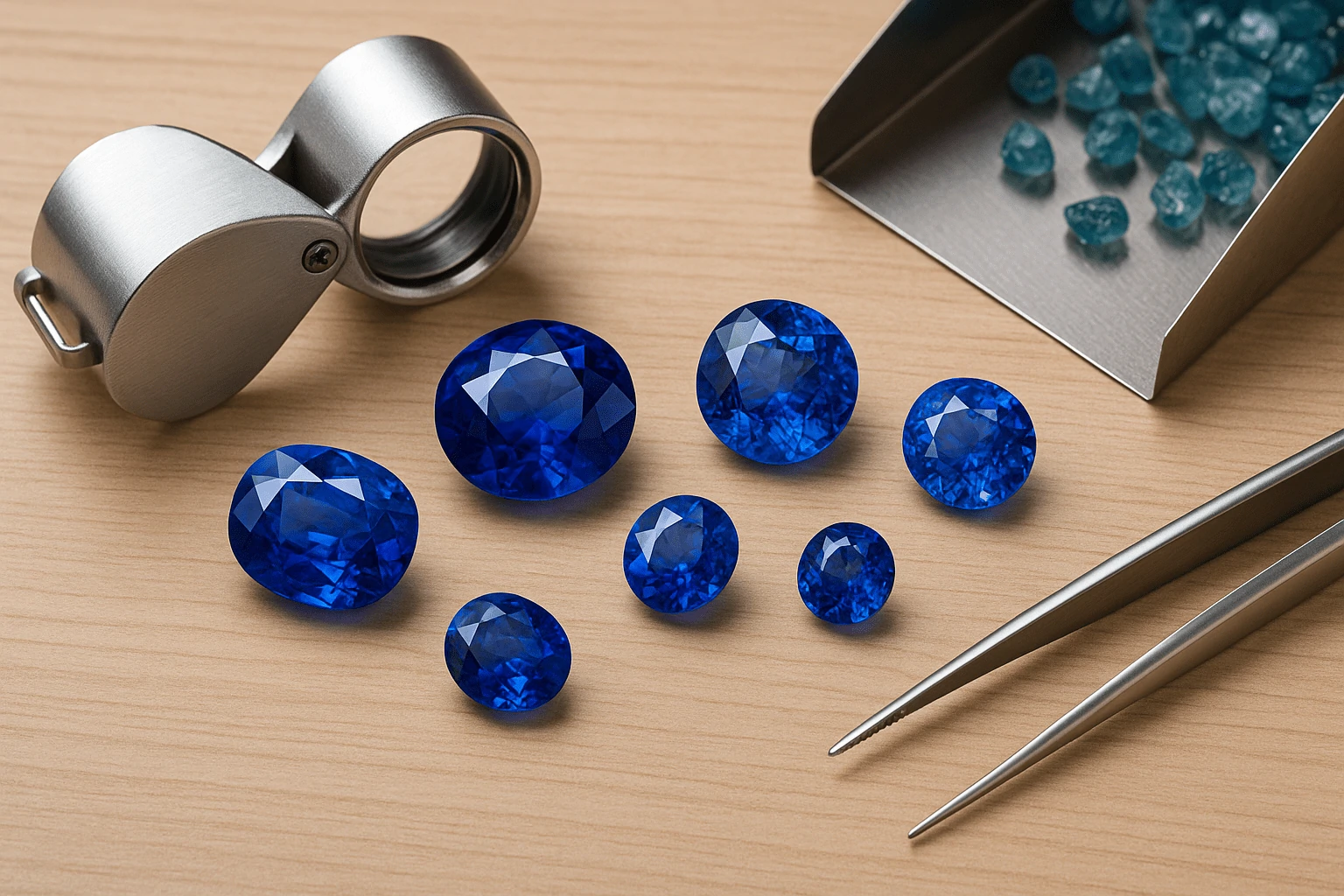
Trustworthy stores provide full documentation, warranties, and even cleaning or revaluation services. Many NGJA-approved dealers record your purchase for future verification, protecting you from export or resale issues. Always ask whether after-sales support is available; professional stores will gladly assist long after your visit.
Traveler’s Experience & Tips
Each time I’ve gone gem shopping in Sri Lanka, the experience felt like a cultural journey. Here are lessons gathered from years of observing, asking, and sometimes learning the hard way.
1. Take Time to Observe Before Buying
Spend your first day visiting several stores without purchasing anything. Watch how merchants handle stones, explain pricing, and respond to your questions. The most genuine ones will educate you rather than pressure you.
2. Understand Local Etiquette
In Sri Lankan gem markets, politeness goes a long way. A respectful conversation often leads to better deals. Bargaining is acceptable but should remain friendly. A smile and genuine curiosity about the stone’s story can open doors faster than aggressive negotiation.
3. Compare Rural and Urban Prices
Ratnapura may offer lower prices, but Colombo guarantees certification and export support. Some travelers split their budget: smaller souvenir gems from Ratnapura and one premium piece from a Colombo showroom. This approach combines adventure with assurance.
4. Keep Cultural Sensitivity in Mind
For many local miners, gem work is a family tradition passed down generations. Showing interest in their craft builds mutual respect. I often start conversations asking how long they’ve worked in mining — and nearly every time, their eyes light up with pride.
5. Check Lighting Conditions
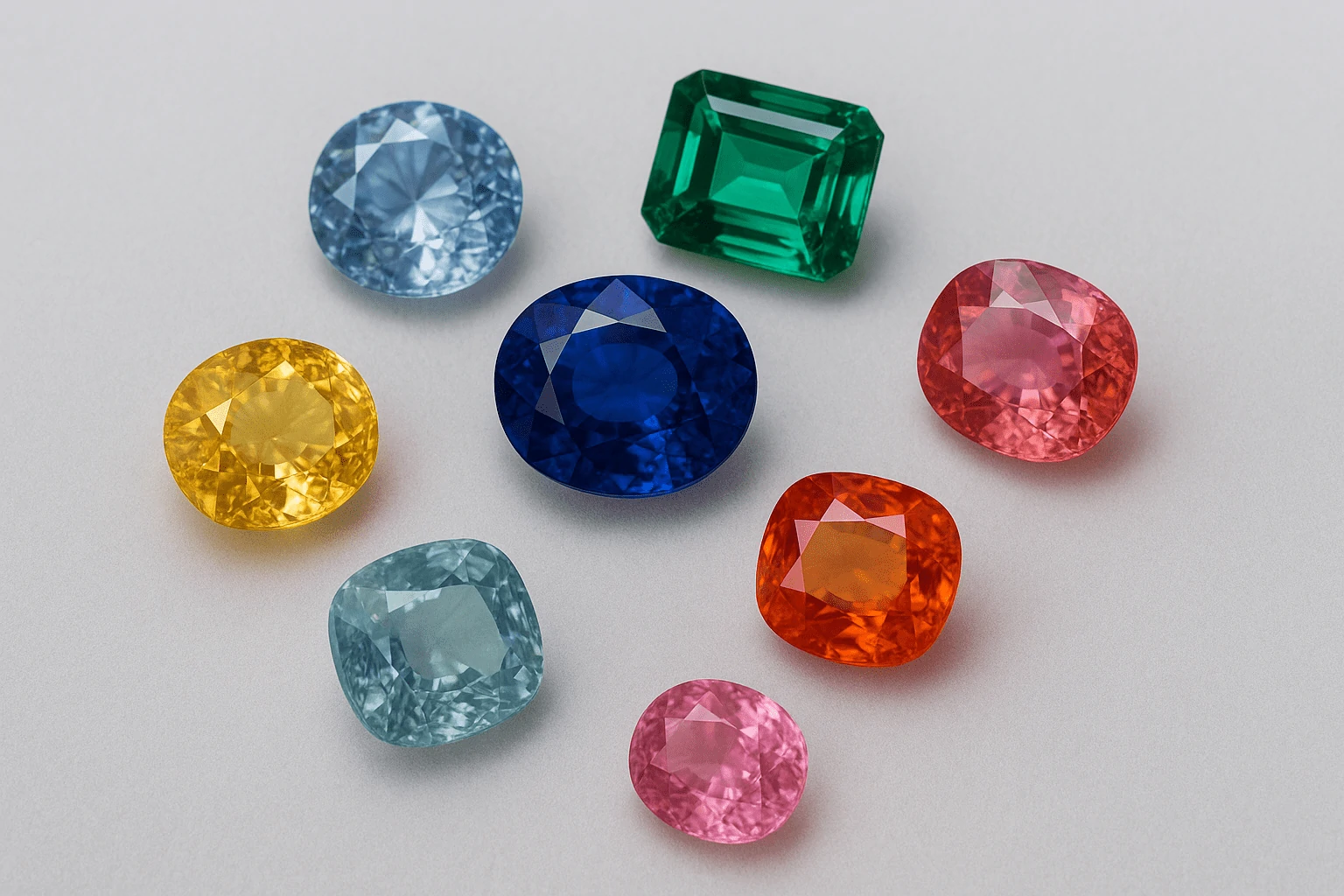
Sapphires reveal their truest color under natural daylight, especially morning sunlight. Indoor lighting can alter tones. If a seller hesitates to show a gem outside, consider it a warning sign.
6. Packaging and Export Tips
Before leaving Sri Lanka, ensure each gem is packed securely with its certificate. High-value purchases (over USD 1,000) may require export permits at the airport — certified shops handle this paperwork for you. Keep invoices handy during customs inspection. For travelers taking certified gems abroad, the Sri Lanka Customs Gem Unit outlines the procedures for export declarations and gemstone permits at airports. Once you’ve chosen your perfect gemstone, discover how it’s transformed into breathtaking jewellery in our feature on Ceylon Sapphire Jewellery: Timeless Elegance.
7. Combine Buying with Sightseeing
Gem towns often double as scenic destinations. Ratnapura’s lush hills, Kandy’s cultural charm, and Galle’s colonial beauty make the journey enjoyable even if you don’t buy anything. Visiting mines and workshops adds authenticity to your travel experience.
8. Support Ethical Trade
Whenever possible, buy from cooperatives that ensure fair wages and sustainable mining. Some Ratnapura-based groups even let visitors witness their mining process — a transparent initiative promoting responsible tourism. Supporting them means contributing to the preservation of Sri Lanka’s gem heritage.
Final Thoughts
Every sapphire tells a story, and buying sapphires in Sri Lanka lets you become part of that living history. From the gem-washed riverbeds of Ratnapura to the polished counters of Colombo showrooms, the island’s sapphire trade represents more than commerce—it’s culture, craftsmanship, and community woven together.
When I look back at my own experiences, one memory stands out: holding a small, unheated blue sapphire under morning light in Kandy. It wasn’t the biggest stone I’d seen, nor the most expensive, yet something about its purity captured the very spirit of Sri Lanka—bright, calm, and endlessly deep.
If you plan to buy, remember three essentials:
-
Education before emotion — understand color, clarity, and certification.
-
Authenticity over appearance — a verified gem will always outshine a questionable bargain.
-
Connection over collection — supporting ethical traders keeps this heritage alive for generations.
Buying sapphires in Sri Lanka isn’t simply a purchase; it’s an encounter with centuries of artistry. Whether you wear your gem as a keepsake or pass it down as a family treasure, it will forever carry the island’s light within it.
Frequently Asked Questions – Buying Sapphires in Sri Lanka
Pricing & Value
Yes. Because Sri Lanka is a mining and cutting center, prices are typically 20–40 percent lower than retail markets abroad. However, quality and certification determine real value, not location alone.
Some shops sell mine-direct stones, while others include design and export costs. Tourist-area boutiques often charge higher margins. Always compare at least three licensed dealers before deciding.
The Padparadscha sapphire, a pink-orange blend unique to the island, is the rarest and commands the highest price per carat.
Yes, polite bargaining is common in local markets like Ratnapura and Kandy. In Colombo’s certified showrooms, prices are more standardized, though small discounts may be offered for multiple purchases.
💎 After learning how to identify and verify genuine gemstones, you might also wonder about the cost difference. Discover the detailed comparison of local and international prices in our guide — Are Sapphires Cheaper in Sri Lanka?.
🔍 Authenticity & Certification
Request an NGJA or GIA certificate, inspect the holographic seal, and verify the serial number online. Genuine sapphires feel cool to touch and have crisp facet edges.
No. Heat treatment enhances color and clarity; it’s accepted globally. Unheated stones are rarer and valued higher, but both are natural.
It should state gem type, color variety, carat weight, treatment details, origin (Ceylon / Sri Lanka), report ID, and issuing lab seal.
Yes. Many reputable stores allow you to take the gem to an independent testing lab—usually for a small fee—before final payment.
🧭 Buying Locations & Shops
Colombo offers the safest start, with licensed, English-speaking dealers and reliable certification. Ratnapura is ideal for adventurous buyers familiar with gem grading.
Most airport shops are government-approved, but prices are higher. They’re suitable for last-minute gifts, not serious investments.
Yes. Keep your receipts and certificates. For high-value gems, certified stores prepare the necessary NGJA export documents, checked at customs before departure.
⚖️ Safety & Scam Prevention
Buy only from licensed stores, refuse unsolicited guides, verify certificates, and never rush decisions. If uncertain, visit the NGJA for official testing.
If purchased from a registered dealer with paperwork, you can contact the NGJA or the store for mediation. Keep digital copies of all receipts and certificates.
Yes, if declared properly. Pack them in hand luggage, sealed with certificates, and inform airport officers when required.
💎 Cultural & Traveler Insights
Yes. Blue sapphires are considered auspicious, symbolizing wisdom and protection. Many locals consult astrologers before choosing one aligned with their planetary chart.
Absolutely. Some mines in Ratnapura welcome visitors to observe the washing and sorting process. It’s a fascinating glimpse into the island’s heritage.
Yes. Kandy and Galle have lapidary demonstrations showing how rough stones become finished gems—an experience worth adding to any itinerary.
Beyond price, it’s the transparency, artisanal skill, and cultural warmth. Here, every purchase connects you to generations of miners and craftsmen who see gems as art, not mere commodities.
Traveler Reflection
Each gem I’ve purchased here carries a piece of Sri Lanka’s soul. The sparkle reminds me of misty mornings in Ratnapura and conversations with miners whose hands still shimmer faintly with dusted blue. For anyone visiting, buying sapphires in Sri Lanka is not only about value—it’s about being part of an ancient dialogue between earth and light.


