


There’s a moment on the climb to Mihintale in Anuradhapura when the wind changes. You might feel it just as the stone steps begin to rise beneath your feet. There’s a quiet shift that’s easy to miss unless you pay attention. I’ve noticed it every time I’ve visited, and it still surprises me with the same gentle calm.
Mihintale has that effect. Most travelers arrive expecting another historical stop on the mihintale anuradhapura trail. Yet, the place quietly pulls you into a slower rhythm. The mountain carries its history with an ease that feels almost human. Also, the stillness around the rocks and trees makes you pause without even realizing it.
For anyone exploring Anuradhapura’s sacred sites, Mihintale is more than a landmark. It’s the beginning of Sri Lanka’s Buddhist identity. It is a meeting point between nature, faith, and a story that continues to shape our culture. Whether you climb for the sunrise views, the spiritual atmosphere, or simply to understand what makes this mountain important, this guide walks you through Mihintale, a pivotal part of the mihintale anuradhapura experience. You will experience it the way locals do: gently, honestly, and with room for reflection.
What Is Mihintale?
People often describe Mihintale as the birthplace of Buddhism in Sri Lanka, yet that simple definition doesn’t capture its depth. The mountain rises quietly above the surrounding forest, holding ruins, shrines, viewpoints, and stone pathways that have survived centuries of sun and monsoon. Each level feels like a new layer of history waiting to be discovered.
If you visit early, the forest stirs long before the crowds arrive. Monkeys move across branches with quick flashes of motion, birds glide low across the paths, and somewhere above, a bell may ring from a distant shrine. These small sounds remind you that worship here began more than two thousand years ago, weaving the timeless nature of mihintale anuradhapura seamlessly into the narrative.
According to tradition, this is where Arahant Mahinda met King Devanampiyatissa in 247 BC. That encounter didn’t just change the king’s life; it reshaped the island’s cultural and spiritual direction. Many Sri Lankans still see Mihintale as a doorway — a beginning that influenced everything that followed in the mihintale anuradhapura region.
Perhaps that’s why the mountain feels different from other sites. It’s not just a collection of historical structures. It’s a place where an entire belief system took root.
Mihintale is only one part of the larger sacred landscape of Anuradhapura. If you want to explore the city’s temples, stupas, and royal sites in more depth, you can read my full guide here: Anuradhapura – What to See: Best Places to Visit in Sri Lanka’s Sacred Ancient Capital.
The Story of Mihintale – How Buddhism Began Here
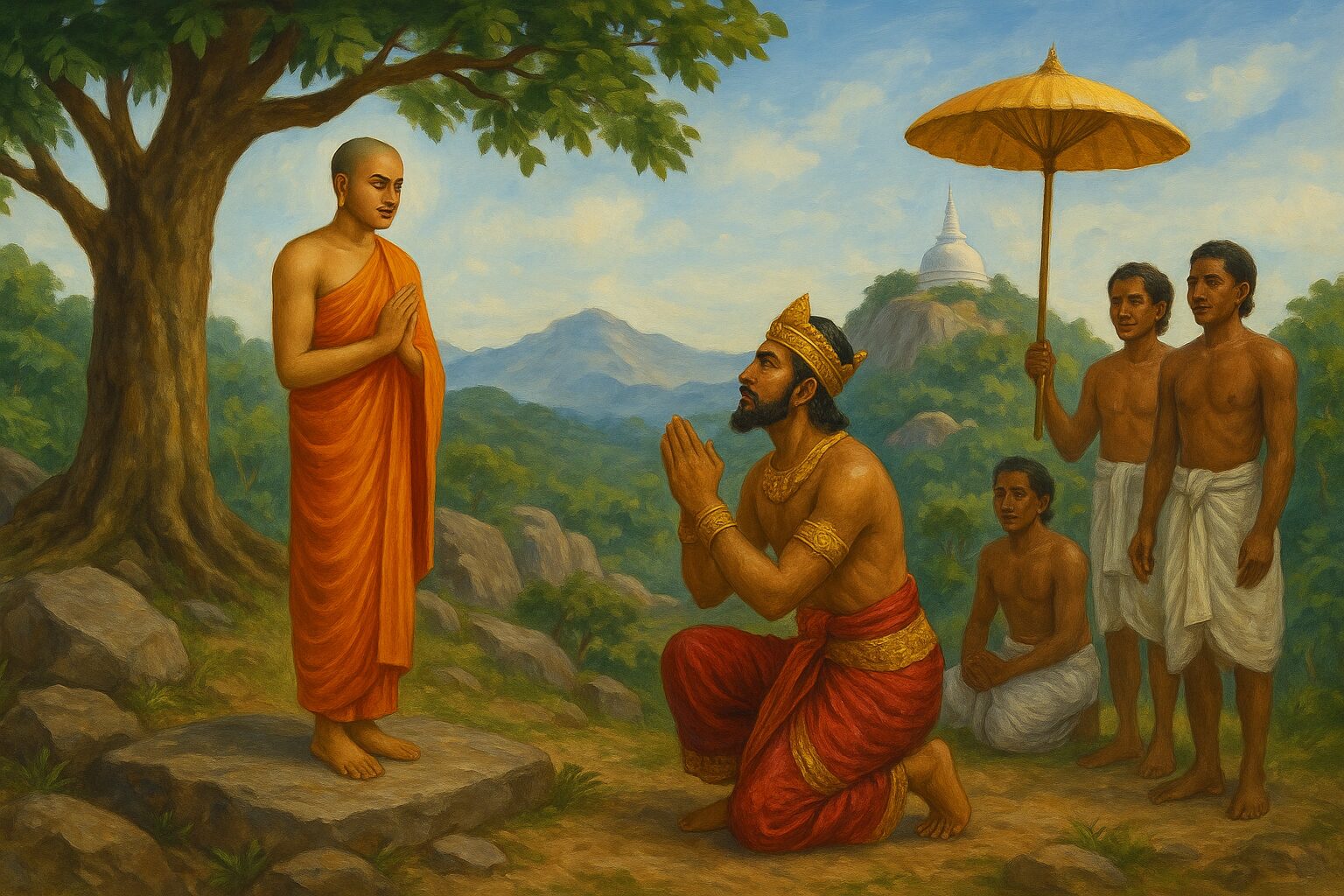
History books often summarize the origin of Buddhism in Sri Lanka in a single line: “Arahant Mahinda met King Devanampiyatissa at Mihintale.”
But when you stand on the mountain, the story feels much bigger — almost alive. You sense it in the breeze that moves through the Araliya trees and in the stillness that hangs over the ancient stone platforms, just as it permeates throughout Mihintale Anuradhapura.
According to the chronicles, Arahant Mahinda arrived from India during the reign of King Devanampiyatissa. The king was hunting on the mountain when Mahinda appeared, not with force or instruction, but with a simple conversation. Their dialogue opened a doorway that shaped everything that followed in Sri Lanka’s spiritual identity.
When I first walked through the shaded entrance path leading to the steps, I tried to imagine that moment. The king, surrounded by forest. The unexpected meeting. The shift in understanding that must have happened as the conversation unfolded. Even today, the mountain holds a sense of pause — as if it remembers.
Mihintale stands at the beginning of Sri Lanka’s Buddhist era, but it’s also a symbol of something very human: a moment of clarity that transforms a life. Travelers exploring the mihintale anuradhapura trail often say they feel a quiet emotional pull here, even if they aren’t Buddhist. It’s the connection between a story, a landscape, and the footsteps of people who came searching for meaning.
When you reach the first landing and see the ancient ruins spreading out between the trees, it becomes easier to understand why the meeting happened here. The mountain isn’t dramatic or overwhelming. Instead, it’s gentle — the kind of place where a meaningful conversation feels natural.
How to Get to Mihintale from Anuradhapura
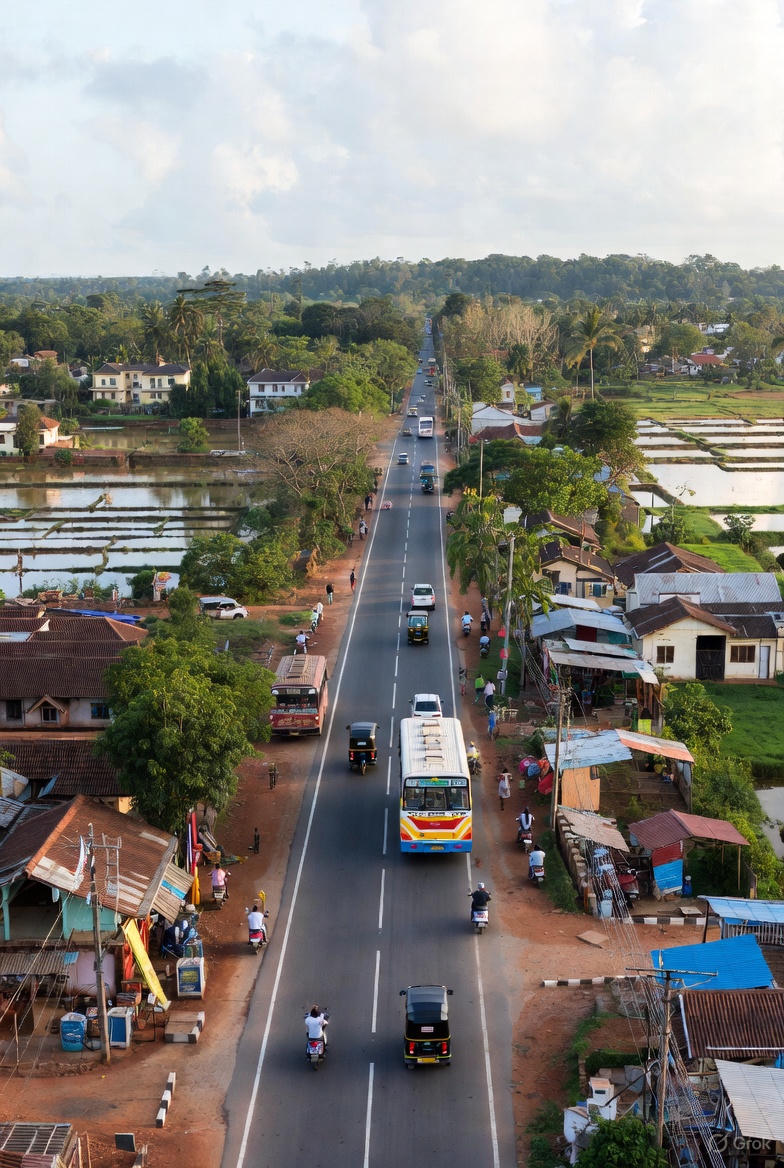
Tuk-Tuks – The Easiest and Most Common Option
Traveling to Mihintale is one of the easiest parts of exploring the mihintale anuradhapura area. The two places sit close enough that you can reach the mountain in less than half an hour, even if you take it slow. Most visitors choose tuk-tuks because they’re convenient and easy to find. Drivers know the route well and will take you straight to the entrance without any confusion.
Bus Services – Cheap and Local
Buses run frequently from the Anuradhapura bus stand. The ride is short, though it can get crowded during peak hours. If you enjoy traveling like locals do, the bus gives you a small window into everyday life — vendors calling out stops, schoolchildren stepping off in groups, and the familiar rattle of the engine as the road curves toward the mountain.
Scooters & Motorbikes – Freedom to Explore
Some travelers prefer renting a scooter or motorbike. This option gives you more freedom to explore side roads and viewpoints. The route passes through villages, patches of forest, and stretches of open farmland. It’s a peaceful ride, especially in the morning. You might even see a peacock wandering across the road with its slow, confident stride.
Walking – Possible, but Not Ideal
The distance is manageable on foot, but not recommended during hot hours. Sunlight in this region intensifies quickly, and you’ll want to save your energy for the climb itself. Most visitors choose a vehicle and start walking only once they reach the staircase.
What to Expect as You Approach the Mountain
Whichever method you choose, reaching Mihintale feels simple. The mountain rises gradually as you get closer, and you’ll notice pilgrims, families, and small shops selling flowers and water. This slow build-up toward the entrance becomes part of the experience — a quiet shift that prepares you for the sacred calm waiting above.
Explore the way to Mihintale on Google Maps
Best Time to Visit Mihintale (With Real Local Tips)

Mihintale changes with the light. The experience you have in the morning feels very different from what you’ll find in the afternoon or evening, and choosing the right time can make your visit far more meaningful. The weather in the mihintale anuradhapura region tends to be warm throughout the year, but the mountain’s atmosphere shifts depending on when you go.
🌅 Early Morning (Highly Recommended)
If you can make it before sunrise, you’ll see Mihintale at its most peaceful. The air feels cooler, the pathways stay shaded, and the forest wakes up slowly around you. Pilgrims also arrive at this time, moving quietly along the steps with offerings in their hands. The first light spreads across the stone platforms, revealing soft colors on the trees and stupas.
I’ve always felt that the morning brings out the calmest version of Mihintale. You walk without heat pressing on your shoulders, and the climb feels gentler than it does later in the day. It’s the ideal time for travelers who enjoy quiet reflection.
🌞 Late Morning to Afternoon
The sunlight grows stronger by mid-morning, and the stone steps warm quickly. Visitors who prefer photography sometimes choose this time because the sky turns bright blue and details on the ruins appear sharper. But the trade-off is heat. You’ll sweat more, and water becomes essential.
Afternoons can be a little challenging, especially during Sri Lanka’s dry season. Even locals take breaks under the trees when the sun reaches its peak. If your schedule pushes you toward this time, pace yourself and rest whenever you need to. There’s no rush at Mihintale — the mountain rewards slow steps.
🌤️ Evening & Sunset
Evenings at Mihintale feel different from any other time of day. Warm tones fall across the rock surfaces, and the wind grows steady as the heat fades. You’ll see families climbing together, monks walking toward the stupas, and travelers waiting on the higher platforms to watch the sunset. The changing colors make the entire site glow.
There’s something gentle about Mihintale at dusk. The light softens, and the noise of the world seems far away. If you enjoy photography, meditation, or simply absorbing the scenery, sunset is a beautiful option.
🌧️ Monsoon Season (October–December)
Rain comes in bursts during these months. The pathways turn slick, and climbing requires a bit more care. But there’s a hidden beauty in the rainy season too. The forests around the mihintale anuradhapura area grow deeper in color, and mist often hangs near the rocks in the early hours.
Visitors who appreciate quiet landscapes usually enjoy this season. You’ll experience fewer crowds and cooler air.
⭐ Local Timing Tip
If you want the perfect mix of comfortable weather, quiet surroundings, and soft natural lighting, try visiting between 6:00 AM and 8:00 AM or again at 4:30 PM to 6:00 PM. These windows feel just right — not too hot, not too crowded, and filled with the atmosphere that makes Mihintale special.
Step-by-Step Walk Through Every Landmark at Mihintale

Exploring Mihintale isn’t just a climb; it’s a gentle journey through layers of history spread across terraces, shrines, caves, and rocky viewpoints. Each stop has its own rhythm. Some feel quiet and shaded, while others open into wide views that pull your eyes across the entire mihintale anuradhapura landscape. Walking through these places slowly brings out the character of the mountain.
Below is a step-by-step guide to every major landmark you’ll encounter.
🟩 5.1 The Grand Stairway – Your First Ascent
The first thing you’ll see is the long flight of stone steps stretching upward beneath a canopy of trees. They’re not steep at the beginning, so you ease into the climb naturally. Small shops sit near the entrance selling water, flowers, and offerings. Vendors greet travelers with quiet smiles, and monks sometimes pass by with saffron robes fluttering in the breeze.
Halfway up, the forest grows thicker. You hear monkeys rustling through the branches and the echo of laughter from families climbing ahead. It’s a warm welcome — the kind that makes you feel you’ve joined a path shared with countless others across centuries.
🟩 5.2 Ambasthala Dagoba – The Heart of the Origin Story
At the top of the first section lies Ambasthala Dagoba, a white stupa that marks the legendary meeting between Arahant Mahinda and King Devanampiyatissa. The platform surrounding it stays bright in the sunlight, and the breeze moves across the stone like a soft ribbon.
Pilgrims often sit quietly here. Some place flowers near the stupa, while others simply rest after the climb. You feel a sense of pause in this spot — not dramatic, but gentle, as if the mountain encourages you to take a breath before moving on. It’s one of the most meaningful places in the entire mihintale anuradhapura region.
🟩 5.3 The Stone Ponds (Kaludiya Pokuna)
A short walk brings you to the ancient ponds, carved neatly into the landscape. Their still water reflects the sky, especially in the early morning. The area feels cooler here because of the shade from the surrounding trees.
Monks historically used these ponds for bathing and meditation. Even now, the quietness lingers. You may hear the soft splash of a bird landing on the edge or the sound of leaves brushing together in the wind.
🟩 5.4 The Refectory and Ancient Hospital Ruins
These ruins show practical life from the early monastic period. You’ll see stone foundations laid out in a pattern that once held rooms, corridors, and workspaces. The shapes might look simple at first, but walking through them gives you a faint sense of how monks lived — not only in prayer but also in daily routines that kept the monastery running.
The refectory includes a massive stone trough where rice and other meals were stored. It feels surprisingly large, and imagining the work involved in feeding hundreds of monks adds another layer to the experience.
🟩 5.5 Kantaka Chetiya – A Stupa with Intricate Elephant Carvings
Further along, you reach Kantaka Chetiya, one of the most beautiful stupas on the mountain. The stupa’s base features rows of elephant carvings, each slightly different. Time has softened the edges, yet the creativity behind them still shows.
The climb to reach this stupa isn’t demanding, but the view feels rewarding. From here, you start seeing the landscape spread wider below you. The mixture of forest, rock, and faraway rooftops creates a peaceful contrast you’ll remember long after leaving.
🟩 5.6 Aradhana Gala – The Famous Rock Peak
Aradhana Gala is the highlight for many visitors. The rock rises sharply into the sky, creating a silhouette you can spot from far away. The climb is steeper than the earlier sections, and the final stretch uses a railing for safety.
When you reach the top, the world opens. You see the plains of Anuradhapura, the temples scattered across the fields, and the green curve of the horizon. The wind stays strong at this height, carrying a coolness that feels like a small reward after the climb.
Standing here often makes people pause. The openness, the height, and the silence blend into a moment that stays anchored in your memory.
It’s a bit of a scramble over boulders but you will want to do it to ascend to the highest point at Mihintale. Mahinda made his first sermon about Buddhism from this site. The views are truly spectacular.
Read more reviews on Tripadvisor
🟩 5.7 Mahaseya Stupa – One of Mihintale’s Largest Structures
This enormous stupa sits on a raised platform overlooking some of the lower terraces. It is often quieter than the spots near the entrance, and many visitors rest here before descending. The stupa’s clean white curve stands out against the sky, especially during the late afternoon.
From this height, the mihintale anuradhapura landscape looks almost painted. Long stretches of green fields sit between ancient structures. As the light shifts, shadows from the nearby trees stretch slowly across the stone.
🟩 5.8 Naga Pokuna – The Cobra Pond
Tucked into a shady corner is Naga Pokuna, a pool with a carved cobra motif at the back. The carving rises above the stone like a guardian watching over the water. This site once supplied water to the monks living higher on the mountain.
The quietness at Naga Pokuna feels heavier than in other places — not in a negative way, but with a sense of deep stillness. It’s an ideal spot to sit for a moment, breathe deeply, and listen to the forest move around you.
🟩 5.9 The Ancient Cave Complex
Toward the end of your journey, you’ll walk past caves where monks lived long before the larger monasteries formed. Some caves include drip-ledges carved to prevent rainwater from entering. The natural rock surfaces stay cool, even under midday sun.
These caves remind you that, long before crowds and travelers arrived, Mihintale was shaped by people seeking quiet reflection. There’s something grounding about seeing where those early monks slept, meditated, and carried out their simple routines.
🟩 5.10 The Final Descent
Most visitors return using the same main stairway, but the descent feels different from the climb. You move with less effort, and the familiarity of the path allows you to notice small details you may have missed earlier — a carved stone hidden behind leaves, the sound of bells from a distant shrine, or the warm scent of incense drifting on the wind.
When you reach the bottom, the journey lingers. You carry a sense of calm with you — the kind only mountains like Mihintale can give.
Practical Tips for Visiting Mihintale (Based on Real Local Experience)

Mihintale is easy to enjoy when you know a few small things in advance. These details might seem simple, but they make the entire experience smoother, especially when you’re exploring the mihintale anuradhapura region for the first time.
Wear Light, Breathable Clothing
The climb includes several exposed areas, and the stone absorbs heat quickly. Light cotton or linen helps you stay comfortable. If you’re visiting in the middle of the day, a cap or hat becomes extremely useful.
Bring Plenty of Water
There are small shops near the entrance, but once you begin the ascent, access becomes limited. A single bottle isn’t enough for most people. Carry more than you think you’ll need, especially if you plan to climb Aradhana Gala.
Footwear Matters
Simple sandals can make the climb harder on the steeper sections. Comfortable shoes with a good grip are best. You’ll remove footwear at certain shrines, so choose something easy to slip on and off.
Protect Your Camera or Phone
Wind near the higher points can be surprisingly strong. If you enjoy taking photos, keep your strap around your wrist or neck. Many travelers have shared stories of nearly losing their phones while reaching for the perfect shot.
Start Early to Avoid Heat and Crowds
Morning visits offer softer light, cooler temperatures, and a quieter atmosphere. Evenings are beautiful too, but mornings often feel more peaceful.
Respect Cultural Norms
Mihintale is a sacred site. Wearing modest clothing shows respect to both locals and monks. Shoulders and knees covered is the standard expectation at Buddhist sites across the mihintale anuradhapura area.
Prepare for Steep Sections
The climb isn’t extremely difficult, but parts of it can be steep. The ascent to Aradhana Gala requires balance and attention. Take your time; the climb is part of the experience, not a race.
Keep an Eye on Your Belongings
Monkeys around Mihintale are curious and quick. Avoid carrying food in visible bags, and don’t leave belongings unattended near steps or viewpoints.
Plan Enough Time
Some travelers rush through Mihintale in an hour, but spending two to three hours makes a huge difference. You’ll have time to rest, explore side paths, and take in the atmosphere without hurrying.
Visit on Poya Days for a Different Energy
Poya days draw more pilgrims. The mountain feels more alive during these times, filled with chanting, families offering flowers, and monks guiding ceremonies. If you’re someone who appreciates cultural immersion, this can be a special experience.
Understanding the Spiritual Atmosphere of Mihintale

The spiritual energy of Mihintale feels different from the grand temples in the mihintale anuradhapura region. Those places are majestic, filled with towering dagobas, endless stone pillars, and crowds of pilgrims. Mihintale, on the other hand, carries a quieter kind of devotion — something softer and more personal.
When you walk through the shaded pathways, you notice how the mountain encourages silence. Conversations naturally drop to whispers. Footsteps slow without any conscious effort. Even the wildlife seems to move with a calmer rhythm here. It’s not forced reverence; it’s an atmosphere created by centuries of believers who climbed the same steps you’re walking on.
A Place Built for Reflection
Unlike many sacred sites that feel ceremonial, Mihintale feels reflective. The open rock surfaces give you long, uninterrupted views of sky and forest. These wide spaces make it easy to pause, breathe, and settle your thoughts. Many travelers who don’t usually meditate find themselves sitting quietly on the warm stone, just listening.
As someone who has visited multiple times, I’ve always felt that Mihintale encourages you to be present. You’re aware of your own breathing, of the wind brushing past your skin, and of the way the sunlight lands across the stone.
Gentle Sounds Guide the Experience
You won’t hear loudspeakers or overwhelming noise. Instead, small sounds guide your journey — the soft ring of a temple bell, the flutter of pigeons, and the rustle of leaves moving along the pathways. These natural layers create a sense of harmony that fits the mountain’s identity.
Pilgrims Add a Cultural Dimension
Seeing pilgrims adds another layer to the spiritual experience. Families carry lotus flowers. Older couples move slowly along the steps, taking their time with each part of the climb. Some people climb barefoot as an act of devotion. Watching these rituals makes you realize how deeply Mihintale is tied to everyday Sri Lankan life.
Visitors often feel a connection to this sincerity, even if they practice a different faith. The spiritual energy here isn’t something that belongs to one group alone — it’s something shared by everyone who climbs the mountain with an open heart.
The Energy Shifts Throughout the Day
Morning brings freshness and promise. Afternoon carries stillness. Evening feels like closure. Each period offers a slightly different emotional tone, yet all three keep the same underlying peace that defines Mihintale.
This is what separates Mihintale from other places in the mihintale anuradhapura region: it doesn’t overwhelm your senses. It calms them.
Special Moments You Shouldn’t Miss at Mihintale
Every place has moments that stay with you long after you leave. Mihintale has several, and they appear naturally throughout the climb. You don’t need to plan them or chase them — they happen on their own if you move slowly and pay attention. These small experiences often become the most meaningful memories from the mihintale anuradhapura journey.
Watching the Sunrise from Aradhana Gala

Climbing before sunrise might take a little effort, but standing on Aradhana Gala when the first light breaks across the horizon is something unforgettable. The sky starts with pale blue, shifts into soft orange, and finally brightens into gold. You feel the warmth gently spread over the rock while the wind circles around you with surprising strength.
From this height, the world below looks peaceful. The ancient city sits quietly in the distance, and the green plains stretch far beyond. Many travelers call this their favorite moment of the entire Anuradhapura trip.
Hearing the Bell at Ambasthala Dagoba
The bell near the stupa rings occasionally — not on a strict schedule, but whenever a pilgrim offers a blessing. The sound floats across the terraces, long and calm. It’s a simple note, yet it settles something inside you. Standing near the dagoba and listening to the bell ring feels like stepping briefly into the past.
Feeling the Wind Shift at the Upper Terraces
The wind at Mihintale has its own personality. It’s gentle near the lower steps, stronger near the refectory, and almost fierce at the peak. When you reach the upper levels, the breeze often changes direction without warning. This shift brings a strange sense of clarity, as if the mountain is reminding you to pause.
Stepping Into the Shade of an Ancient Bodhi Tree
You’ll find several old trees throughout the site. Their branches create patches of deep shade where the temperature drops noticeably. These shaded spots become natural resting points, especially when the sun grows strong. Sitting beneath them feels grounding — the kind of moment where time slows just enough for you to collect your thoughts.
Hearing the Forest Settle as Evening Arrives
Evenings wrap Mihintale in a different tone. Birds settle into the branches, and the light softens across the stone. You’ll hear faint chants from somewhere within the terraces or sometimes just the rustle of leaves. It’s a peaceful transition that gently marks the end of the day.
Watching Pilgrims Light Oil Lamps
Near some shrines, you may see visitors lighting small oil lamps. The tiny flames flicker against the breeze, creating a warm glow on the stone. It’s a simple ritual, but it feels meaningful to watch. These subtle acts of devotion show how deeply Mihintale is woven into people’s lives.
Realizing How Quiet the Mountain Can Be
Mihintale isn’t silent — it’s alive with soft sounds. But the quietness feels intentional, almost protective. You notice it when you stop walking, when you hold your breath for a moment, or when you sit on a rock and listen. The silence doesn’t feel empty; it feels full.
These small moments shape the Mihintale experience more than anything else. They stay with you, reminding you why so many people return to this mountain again and again.
Photography Guide – Capturing the Beauty of Mihintale

Photographers love Mihintale because the landscape changes constantly throughout the day. The mountain offers wide views, ancient structures, dramatic rock formations, and soft natural light that shifts beautifully across the mihintale anuradhapura region. Even if you’re not a professional, you’ll find plenty of moments worth capturing.
Use the Early Morning Light
Morning light softens the edges of the ruins and creates warm tones on the stone steps. You’ll also avoid strong shadows, which often appear later in the day. This is the best time to photograph Ambasthala Dagoba, the initial stairway, and the shaded pathways.
Sunrise on Aradhana Gala produces one of the most dramatic silhouettes in the entire area. If you enjoy capturing horizon shots, arrive early and allow extra time for the climb.
Late Afternoon Creates Depth
The hours before sunset give the mountain a golden glow. Shadows lengthen, creating texture on the rocks and stupas. This is the perfect time to photograph Mahaseya Stupa and the surrounding terraces. The light becomes richer and more emotional, especially when the sky carries streaks of orange and pink.
Late afternoon also works well for portraits or candid shots of pilgrims. The warm lighting brings out natural skin tones without the harsh contrast of midday.
Capture the Details, Not Only the Views
Many visitors focus on wide angles and panoramas, but Mihintale offers beautiful small details:
-
Elephant carvings at Kantaka Chetiya
-
Cobra sculpture at Naga Pokuna
-
Stone inscriptions near the refectory
-
Patterned floors worn smooth from centuries of footsteps
-
Flower offerings left on shrine ledges
These details bring a more personal feel to your collection.
Be Mindful of Monks and Pilgrims
Photography is welcome at Mihintale, but always be respectful. Monks sometimes prefer not to be photographed without being asked. Pilgrims engaged in prayer or offering flowers deserve privacy. A small nod or gentle gesture can help you understand whether someone is comfortable being in the frame.
Avoid Midday Shooting Unless Necessary

Midday brings intense light and high contrast, especially on white stupas. Shadows become harsh, and reflections from the stone pathways can make photos look washed out. If you must shoot at this time, look for shaded areas or use natural elements — like tree branches or cave entrances — to soften the light.
Stabilize Your Camera on Windy Sections
The wind near Aradhana Gala can be unexpectedly strong. If you’re shooting long exposures or panoramic shots, stabilize your camera against a rock or use a strap to avoid losing your grip. Many travelers underestimate the strength of the wind at the peak.
Don’t Forget Night Photography (If Allowed)
Sometimes during festivals or special days, the area remains active into the evening. The sky above Mihintale becomes clear enough for star photography, especially during the dry season. The contrast between stone and starlight creates beautiful long-exposure opportunities.
Think Emotionally, Not Just Visually
Some of the best photos at Mihintale come from moments that feel honest. A pilgrim pausing to catch their breath. A child offering flowers with two hands. A monk walking alone under the shade of a Bodhi tree. These images often hold more meaning than any perfect wide-angle shot.
Photography at Mihintale isn’t only about capturing what the mountain looks like — it’s about showing what it feels like.
Safety Tips and What to Watch Out For

Mihintale is generally safe for visitors, but the mountain has its own rhythm, and knowing how to move with it makes your experience smoother. These tips come from real local experience and from watching how other travelers handle the climb.
Watch Your Step on the Stone Paths
The stone steps leading up the mountain are sturdy, but they can turn slippery after rain or during early mornings when dew covers the surface. Walk slowly, especially on shaded areas where moisture stays longer. Some sections are uneven, so placing your foot carefully helps prevent small twists or slips.
Take Breaks During the Climb
Mihintale’s ascent isn’t extreme, but the heat in the mihintale anuradhapura area can build quickly. If you feel your breathing getting heavy or your legs tiring, pause under the shade of trees or at one of the flat terraces. The journey isn’t meant to be rushed.
Beware of Strong Winds Near the Peaks
When you reach Aradhana Gala or other higher points, the wind can become surprisingly strong. Hold onto your belongings, especially hats, scarves, or loose clothing. Keep your balance steady and avoid leaning over edges for dramatic photos.
Respect the Monkeys
Monkeys around Mihintale are curious and sometimes bold. They’re not aggressive unless provoked, but they will try to grab food or plastic bags. Keep snacks inside your backpack and avoid carrying anything that looks like food in your hands.
If a monkey approaches, step back slowly without waving your arms. They respond well to calm behavior.
Protect Your Skin
The climb exposes you to direct sunlight for long stretches. Sunscreen, a hat, and sunglasses help you stay comfortable. Even on cloudy days, UV levels remain high in this region.
Stay Hydrated, Especially During Midday

Carry more water than you think you need. Heat exhaustion can happen quickly in the dry season, particularly in April, May, and June. Sip often instead of drinking large amounts at once.
Use Handrails on Steeper Areas
Aradhana Gala includes a railing near the final ascent. Some travelers try climbing without using it because the rock looks stable, but the angle makes it necessary. Grip the rail, take steady steps, and keep your center of gravity close to the rock.
Visit With Proper Clothing
Sacred areas require modest attire. Shoulders and knees covered is the basic guideline for Buddhist sites throughout Sri Lanka. Light, comfortable clothing that follows these standards works best.
Avoid Walking Barefoot on Hot Surfaces
You’ll need to remove shoes at certain shrines, but the stone can get extremely hot under midday sun. Step carefully or move quickly across exposed areas. The shaded sections offer relief.
Keep Valuables Secure
Crowds come and go throughout the day. While theft is uncommon, it’s wise to keep phones, wallets, and cameras secure inside your bag. The climb requires movement, and it’s easy to lose track of things when you’re focused on the steps.
Pay Attention During Descent
The trip down feels easier, but this is when people slip most often. Gravity does the work, and legs sometimes loosen up too much. Walk with the same steady pace you used on the way up.
Safety at Mihintale isn’t complicated. With a bit of awareness and gentle pacing, the entire climb becomes a comfortable and meaningful part of your journey.
Cultural Etiquette – How to Behave Respectfully at Mihintale

Mihintale is more than a historic site. It’s a living place of worship, and understanding the etiquette helps you feel more connected to the atmosphere. Respectful behavior also creates a better experience for local pilgrims who come to the mountain for spiritual reasons.
Dress Modestly and Comfortably
Modest clothing is the simplest way to show respect. Covering your shoulders and knees is the standard expectation at Buddhist sites. Light fabrics keep you comfortable, especially in the heat of the mihintale anuradhapura region. Avoid tight or revealing outfits, not because anyone will confront you, but because it aligns with cultural norms.
Speak Softly
Many visitors come to Mihintale to meditate, offer prayers, or find a moment of quiet. Keeping your voice low helps preserve the peaceful environment. Conversations feel more natural when they blend gently with the surroundings.
Remove Hats at Sacred Areas
Hats are fine during the climb, but remove them near stupas, Bodhi trees, shrines, and the main dagobas. Covering the head in these places is considered disrespectful.
Walk Around Stupas in the Correct Direction
When circling a stupa, walk clockwise. This is a traditional practice in Buddhist worship. You’ll see pilgrims doing the same, moving slowly with flowers or incense in their hands.
Avoid Touching Sacred Objects
Some travelers mistakenly touch dagobas, relic chambers, or Bodhi tree rails without understanding the cultural meaning. Observing without touching is the best approach. These objects hold deep spiritual value for Sri Lankans.
Photography Etiquette
Photos are allowed in most areas, but be mindful of moments of prayer. Never take pictures of someone bowing or chanting unless they clearly allow it. When photographing monks, ask with a small gesture or gentle smile. Respect goes a long way.
Sit Calmly, Not on High Platforms Meant for Offerings
There are stone platforms used for rituals and offerings. Sitting on them can be disrespectful. Look for benches, shaded areas under trees, or open rock surfaces instead.
Avoid Showing Affection Publicly
Sri Lankan cultural norms lean conservative in sacred spaces. Holding hands is fine, but avoid hugging or other intimate gestures around shrines and stupas.
Don’t Feed the Monkeys
Feeding wildlife disrupts natural behavior and creates safety issues. Monkeys become aggressive when they expect food from visitors, which can cause problems for pilgrims.
Respect Rituals
If you come across a group performing a ceremony, give them space. Stand back, watch quietly if you like, and allow the moment to unfold without interruption. These rituals carry meaning that goes beyond tourism.
Be Patient With Crowds on Poya Days
Poya days bring large numbers of pilgrims. The energy shifts into something more vibrant and devotional. Instead of rushing or trying to avoid the crowds, move slowly and observe. You’ll gain a deeper understanding of how important Mihintale is to local people.
Cultural etiquette at Mihintale isn’t about strict rules. It’s about entering the space with awareness and appreciation — qualities that make your experience richer and more memorable.
Mihintale Entrance Fees, Opening Hours & Local Regulations

Knowing the practical details before you arrive helps you avoid surprises and lets you plan your visit more smoothly. The fees and rules at Mihintale are simple, but many travelers don’t learn them until they reach the gate. Having this information in advance makes your journey through the mihintale anuradhapura area more relaxed.
Entrance Fee
Foreign visitors pay a modest entrance fee, usually between 1,000–2,000 LKR, depending on seasonal adjustments or maintenance programs. Fees are often updated based on conservation needs. Locals enter free or at a significantly reduced price.
It’s best to carry cash, as card payments are rare at the site.
Opening Hours
Mihintale is generally open from 7:00 AM to 6:00 PM, but the experience often stretches beyond the formal schedule. Many visitors climb at sunrise or stay until just after sunset. Security guards allow reasonable flexibility as long as you behave respectfully and avoid restricted areas.
Early morning and late afternoon remain the best times for comfort, photography, and atmosphere.
Ticket Counters and Checkpoints
You’ll find the main ticket counter near the base of the staircase. Staff members are polite and used to guiding international visitors. Once you pass the entrance, smaller checkpoints appear at certain sections, but they’re mostly there to guide you, not to restrict movement.
Clothing Regulations
While there’s no strict dress code enforcement at the gate, respectful clothing is expected:
-
Shoulders covered
-
Knees covered
-
No swimwear or revealing outfits
These guidelines apply to all sacred sites across the mihintale anuradhapura region.
Footwear Rules
You’ll need to remove your shoes at stupas, shrines, and platforms with religious significance. Carrying a small bag for your sandals helps keep your hands free during the climb.
Photography Rules
Photography is allowed in almost all areas, but keep these in mind:
-
Avoid flash near sacred relics
-
Don’t photograph inside certain meditation caves
-
Be respectful when monks or devotees appear in your frame
There are no major photography restrictions, but cultural sensitivity matters.
Drones
Drone use is typically not allowed without special permission. Sacred locations across Sri Lanka restrict drones to protect cultural integrity and avoid disturbing pilgrims.
Food and Drinks
Bringing snacks is fine, but always store them securely. Open food attracts monkeys quickly. Water is essential, and vendors at the entrance sell bottles at reasonable prices.
Trash and Cleanliness
Mihintale remains clean thanks to both pilgrims and staff. There are bins near the main pathways, but not everywhere. Holding onto your trash until you find a bin helps maintain the mountain’s peaceful environment.
Local Regulations on Poya Days
Crowds increase significantly on full-moon Poya days. Additional volunteers usually assist with crowd control. The atmosphere becomes more spiritual, but it also becomes busier, so plan accordingly.
Understanding these practical details helps you move through Mihintale smoothly, giving you more time to enjoy the sacred spaces and the natural atmosphere around you.
Mihintale Travel Itinerary – 1 Hour, 2 Hours & Half-Day Plans

Mihintale can be explored in many ways depending on your energy level, timing, and what you want to experience most deeply. Some travelers visit quickly, focusing on the main landmarks. Others take their time, walking slowly and absorbing the spiritual calm. These simple itineraries help you plan your visit smoothly within the larger mihintale anuradhapura journey.
Option 1: 1-Hour Quick Visit
This plan is ideal if you’re short on time or passing through the area on a tight schedule.
Stops:
-
Grand Stairway (first ascent)
-
Ambasthala Dagoba
-
Main platform viewpoints
How it feels:
A short visit still gives you a sense of Mihintale’s spiritual atmosphere, especially if you arrive early in the morning. You won’t reach the higher peaks, but you’ll experience the historic heart of the site.
Recommended for:
-
Travelers on fast tours
-
Families with older members
-
Visitors exploring multiple Anuradhapura sites in one day
Option 2: 2-Hour Standard Visit
Most travelers follow this plan. It balances walking, learning, and enjoying the mountain without rushing.
Stops:
-
Grand Stairway
-
Ambasthala Dagoba
-
Refectory & ancient hospital
-
Kantaka Chetiya
-
Naga Pokuna (Cobra Pond)
How it feels:
You explore more layers of the mountain, walking through shaded areas, historical foundations, and beautiful carvings. This duration allows time for slow pacing and photography.
Recommended for:
-
Cultural travelers
-
Photographers
-
Visitors wanting a fuller understanding of Mihintale’s origins
Option 3: Half-Day Mihintale Experience
If you truly want to understand the sacred mountain, this is the best plan. It gives you the complete experience and leaves room for reflection.
Stops:
-
Entire Grand Stairway
-
Ambasthala Dagoba
-
Refectory & hospital ruins
-
Kantaka Chetiya
-
Aradhana Gala (must-visit peak)
-
Mahaseya Stupa
-
Naga Pokuna
-
Ancient monastic caves
How it feels:
A half-day visit lets you move at your own pace. You sit for a while near the stupas, climb Aradhana Gala without rushing, and explore the terraces deeply. This itinerary captures the full essence of the mihintale anuradhapura region, from open views to quiet meditation spaces.
Recommended for:
-
Nature lovers
-
Spiritual travelers
-
Anyone writing or creating content about Anuradhapura
-
Visitors who want to feel rather than just see the mountain
Local Tip: Combine With a Sunset or Sunrise
If possible, plan your itinerary so that you reach Aradhana Gala at sunrise or finish at Mahaseya Stupa during sunset. The light, the wind, and the calmness come together in a way that stays with you long after the climb.
Mihintale vs Other Sacred Sites in Anuradhapura

Anuradhapura is full of sacred places, each carrying its own story, energy, and importance. Travelers often ask how Mihintale compares to the larger temples and stupas scattered across the mihintale anuradhapura region. The truth is: every site offers something different. Some impress you with sheer size, others with history, and some — like Mihintale — with a quieter, more personal atmosphere.
Here’s a simple comparison to help you understand how Mihintale fits into the bigger spiritual landscape.
Mihintale vs Ruwanwelisaya
Ruwanwelisaya is grand, powerful, and visually impressive. Its massive white dome stands as one of the most striking symbols of Sri Lankan Buddhism. Pilgrims gather in large numbers, especially in the evenings.
Mihintale, by contrast, feels more intimate. You walk through forests, climb stone steps, and reach open viewpoints. It’s less about ceremony and more about reflection.
Best for:
-
Ruwanwelisaya: scale, architecture, rituals
-
Mihintale: nature, origins, spiritual solitude
Mihintale vs Jethawanaramaya
Jethawanaramaya was once one of the tallest structures in the ancient world. The red-brick stupa dominates the landscape and shows the engineering strength of ancient Anuradhapura.
Mihintale doesn’t shock you with height or scale. Instead, it guides you gently. The journey through terraces, caves, and rock peaks feels more like a story unfolding step by step.
Best for:
-
Jethawanaramaya: ancient engineering, impressive height
-
Mihintale: emotional connection, peaceful environment
Mihintale vs Abhayagiri Monastery
Abhayagiri is vast — a huge monastic complex with museums, carvings, ponds, and ruins spread across a large area. Exploring it can easily take several hours. It represents the intellectual and artistic side of ancient Buddhism.
Mihintale represents the beginning. Instead of a sprawling complex, you get a focused journey through the story of how Buddhism first took root on the island.
Best for:
-
Abhayagiri: archaeology, detailed ruins, cultural depth
-
Mihintale: simplicity, origins, spiritual atmosphere
Mihintale vs Sri Maha Bodhi
Sri Maha Bodhi is deeply sacred. The Bodhi Tree, planted from a branch of the original tree in India, draws pilgrims from across the country. The atmosphere feels ceremonial, respectful, and emotionally heavy for many Sri Lankans.
Mihintale offers a different feeling. It doesn’t carry the same emotional weight of ancient rituals, but it gives you space to breathe, climb, and reflect in silence.
Best for:
-
Sri Maha Bodhi: devotion, history, religious significance
-
Mihintale: exploration, sunset views, peaceful reflection
How Mihintale Completes the Anuradhapura Experience
If Anuradhapura’s major sites show you the power and devotion of ancient Sri Lankan Buddhism, Mihintale shows you the moment everything began. The climb, the wind, the open rock surfaces — all of these elements help you understand the foundation that shaped the rest of the mihintale anuradhapura region.
Visiting both gives you the full picture:
-
Mihintale = the beginning
-
Anuradhapura = the evolution
They complement each other perfectly.
Where to Eat Near Mihintale – Local Food Suggestions

Exploring Mihintale works up an appetite, especially after the climb. Fortunately, the area around the mountain offers several small restaurants and local food spots where you can enjoy simple, flavorful Sri Lankan meals. Most places aren’t fancy, but they serve warm, comforting dishes that match the relaxed atmosphere of the mihintale anuradhapura region.
Here are a few options worth considering:
Mihintale Junction Local Restaurants
Just a few minutes from the entrance, you’ll find small eateries serving rice and curry, hoppers, kottu, and fresh fruit juices. These places feel humble but genuine. Portions are generous, and prices remain affordable.
If you enjoy typical Sri Lankan rice and curry — especially pumpkin, beetroot, and dhal — the junction restaurants are a great choice.
The place is cozy, very cute and we eat very well. We Loved the Service and Recommend This Restaurant
Read more reviews on Tripadvisor
Ambasthala Food Stall Area
Small vendors near the base often sell snacks like:
-
Fresh king coconut
-
Vegetable roti
-
Patties
-
Manioc with sambol
These snacks are perfect if you want something quick before continuing your journey through the mihintale anuradhapura trail.
New Tissa Rest (Anuradhapura Road)
This restaurant sits between Anuradhapura and Mihintale, making it a convenient stop. The menu includes fried rice, noodles, curries, and short eats. It’s clean, simple, and reliable — a good choice if you prefer more variety.
Gami Gedara–Style Local Kitchens
Throughout the region, you’ll find small home-style eateries serving authentic Sri Lankan meals cooked over clay stoves. These spots offer the most “local” experience, with dishes like:
-
Jackfruit curry
-
Polos (young jackfruit)
-
Fish ambul thiyal
-
Coconut sambol made fresh
The flavors feel homely, and the atmosphere is relaxed.
Vegetarian-Friendly Options
Mihintale attracts pilgrims, so vegetarian meals are widely available. Many smaller restaurants offer:
-
Lentil curry
-
Vegetable roti
-
String hoppers with kiri hodi
-
Coconut sambol
-
Brinjal moju
If you’re vegetarian or prefer lighter meals after the climb, you’ll have plenty of choices.
Hydration After the Climb
King coconut is the best post-climb drink. The natural sweetness and cooling effect feel refreshing after being in the sun. Many visitors grab one before heading back toward Anuradhapura.
Tourist Restaurants in Anuradhapura
If you want something more polished, Anuradhapura town offers several options with wider menus. These are a 20–30 minute drive from Mihintale and include:
-
Lakeside dining
-
Buffet-style meals
-
Western dishes mixed with Sri Lankan flavors
-
Coffee shops with desserts
This option works well if you’re combining Mihintale with visits to other sacred sites in the mihintale anuradhapura region.
Eating near Mihintale isn’t about fine dining — it’s about enjoying simple, warm food after a meaningful climb. The dishes are comforting, the portions generous, and the flavors honest, making your visit feel complete.
Best Hotels Near Mihintale – Where to Stay for a Comfortable Visit

Most travelers base themselves in Anuradhapura when visiting Mihintale, because the city offers better accommodation, easier transport, and more dining options. Mihintale town has a few small guesthouses, but Anuradhapura gives you everything you need for a relaxed stay while exploring the mihintale anuradhapura region.
Here are some of the best types of accommodations depending on your budget and travel style.
Jetwing Lake (High-End Comfort)
Jetwing Lake sits around 25 minutes from Mihintale and remains one of the most popular hotels in the region. It offers a peaceful atmosphere with large rooms, a beautiful pool, and open views of the surrounding landscape. The mix of modern design and natural scenery helps you unwind after a long day of climbing and exploring.
If you prefer comfort, good food, and an elegant setting, Jetwing Lake works extremely well.
Aliya Resort & Spa (Mid to High Range)
The resort feels spacious and blends well with the environment. Its infinity pool looks toward the countryside, and the rooms feel warm and stylish. Travelers who want a mixture of nature, luxury, and cultural experiences often choose this hotel. It also makes a great base if you’re exploring other sacred sites besides Mihintale.
Rajarata Hotel (Mid-Range Option)
Rajarata Hotel is a dependable middle-range choice. The rooms are comfortable, the staff is friendly, and the property stays clean and organized. It’s located closer to the center of Anuradhapura, making it convenient for moving between attractions. The pricing suits travelers who want comfort without going into the luxury category.
The hotel provided us a superb service , the staff was very friendly and the meals were very tasty. Overall a pleasant experience
Read more reviews on Tripadvisor
Heritage Hotel Anuradhapura (Comfortable & Convenient)
This hotel sits near Nuwara Wewa and gives guests a calm, lakeside environment. The property includes a swimming pool, open dining areas, and wide garden spaces. Many travelers like it because the location makes it easy to visit both Mihintale and the main sacred sites in Anuradhapura.
Local Guesthouses in Mihintale Town
If you want to stay very close to the mountain, Mihintale has several family-run guesthouses. They are simple but welcoming. Rooms typically include:
-
Basic furniture
-
Ceiling fans or AC
-
Home-cooked meals
-
Friendly hosts
This option suits travelers who prefer a quiet, local experience rather than large hotels. If you want a detailed review of one of the best hotels near Mihintale, you can read my full experience here:
Anuradhapura Jetwing Lake Review – Everything You Need to Know Before Booking
Budget Hotels and Hostels

Budget-friendly accommodations are scattered throughout Anuradhapura. These provide clean rooms, basic amenities, and easy access to public transportation. Backpackers and solo travelers often choose them because they allow maximum flexibility.
Which Area Should You Choose?
If your main goal is to explore Mihintale deeply, staying within Anuradhapura gives you the best balance of comfort, food options, and transportation. You’ll also have easier access to the entire sacred city, making your visit feel more complete.
For travelers focusing specifically on the mihintale anuradhapura site, choosing a guesthouse in Mihintale town provides a quiet, authentic, and peaceful environment — especially if you enjoy early morning climbs.
Find Your Way to Mihintale Easily
Traveling in the mihintale anuradhapura region becomes much easier when you can see your route before you begin. The roads are straightforward, but having a visual guide helps you understand distances and plan your timing, especially if you’re trying to combine Mihintale with other sacred sites on the same day.
If you are planning to stay in Anuradhapura while exploring Mihintale, you can find my complete guide to the best luxury hotels here: Luxury Hotel Anuradhapura – The Best Places to Stay in Sri Lanka’s Ancient Capital.
Final Thoughts – A Personal Reflection on Mihintale
Every time I visit Mihintale, I leave with a slightly different feeling. Sometimes it’s the quiet that stays with me. Other times it’s the view from Aradhana Gala, where the wind sweeps across the rocks as if it’s carrying stories from centuries ago. No matter how many times I climb, the mountain has a way of offering something new.
There’s a gentleness to this place. You feel it when you pause on the stairs, when you walk past a Bodhi tree surrounded by the soft sound of leaves, and when you watch pilgrims offer flowers with steady hands. The mountain doesn’t rush you. It never forces you to move faster than you want. Instead, it invites you to slow down and breathe.
For travelers exploring the mihintale anuradhapura region, Mihintale becomes more than a stop on an itinerary. It feels like the beginning of something — a doorway into Sri Lanka’s spiritual identity and a reminder of the quiet strength that shaped the island’s history. Standing on the terraces, you sense how much meaning this place holds for so many people.
What I love most is that Mihintale speaks to everyone differently. Some visitors come for the history, others for the climb, and many for the spiritual calm. Yet almost all leave feeling a little lighter, as if the mountain took a small weight off their shoulders.
When you walk back down the steps, the world feels quieter than when you arrived. The day continues, the sun moves higher, and the roads grow busier, but something inside you stays steady — touched by the calmness that only a place like Mihintale can give.
It’s a mountain of stories, wind, light, and quiet understanding. And once you experience it, you carry a part of that calm with you long after your visit ends.
If you want to understand the spiritual and intellectual center that shaped Buddhist life in the ancient capital, you can explore our full guide here: Mahavihara Anuradhapura The Sacred Heart of Buddhism.
Mihintale Frequently Asked Questions – Answers to the Most Common Questions
Visiting & Practical Information
Most visitors spend 1–3 hours depending on how many terraces and viewpoints they explore.
The climb is moderate, with the final ascent to Aradhana Gala being the steepest.
Light clothing with shoulders and knees covered is recommended.
Early morning or late afternoon offers comfortable weather and beautiful light.
Basic restrooms are located near the entrance.
Yes. Buses and tuk-tuks run regularly from Anuradhapura.
Yes. Most travelers easily combine both.
Safety & Comfort
Yes, as long as they take their time and rest when needed.
They are common but harmless if food isn’t visible.
Yes. Hydration is essential during the climb.
Several terraces and trees provide shade along the path.
Cultural & Religious Etiquette
Shoes must be removed in shrines and stupa areas.
Visitors may observe respectfully. Offering flowers is welcomed.
Speak softly and ask before taking photos.
Always walk clockwise.
Photography & Media
Photos are allowed in most areas. Avoid moments of prayer.
Drones are usually not permitted without special approval.
Morning for soft light; sunset for warmer tones.
Fees & Facilities
Foreign visitors pay around 1,000–2,000 LKR.
Generally from 7:00 AM to 6:00 PM.


