


Among Sri Lanka’s most extraordinary landmarks, Sigiriya Rock Fortress stands as a symbol of both power and imagination. When considering places to see in Sigiriya, the Rock Fortress itself is an absolute must. Rising 200 meters above the central plains, this monumental rock has drawn travelers, historians, and photographers for centuries. Known as the Lion Rock, Sigiriya is not merely an archaeological site; it is a complete world of art, architecture, and ancient mystery preserved within the island’s heart.
When one arrives in Sigiriya, the first sight of the towering rock evokes awe. The vastness of the surrounding plains and the symmetry of its ancient gardens tell a story of ambition unmatched in South Asia. Every pathway, every fresco, and every carving reveals the mind of King Kashyapa — a ruler who turned a single rock into a royal citadel of wonder.
This travel guide to the places to see in Sigiriya offers more than directions. It is a journey through time — from the ancient water gardens below to the ruined palace at the summit. It explores the craftsmanship of the fresco painters, the brilliance of ancient engineers, and the tranquil beauty that still defines this UNESCO World Heritage Site.
2. The Legacy of Sigiriya: A Fortress in the Sky
Long before Sigiriya became a royal fortress, it was a monastic retreat. Buddhist monks settled around the rock’s caves as early as the 3rd century BCE, leaving behind inscriptions that mark the earliest known phase of the site. Centuries later, in the 5th century CE, King Kashyapa I transformed this tranquil monastic refuge into his fortified capital — an extraordinary blend of art, power, and paranoia.
The fortress was not built merely for defense. It was designed to reflect divine kingship. Kashyapa’s architects reimagined the rock as Mount Meru — the mythical home of gods. Every element, from the symmetrical gardens to the gilded palace atop the summit, followed sacred geometry and artistic perfection.
Even after Kashyapa’s fall, Sigiriya continued as a monastery for many centuries, its frescoes fading but never forgotten. Archaeological research during the 19th and 20th centuries later revealed that Sigiriya was among the world’s most advanced urban planning achievements, displaying hydraulic systems that still astonish engineers today.
3. The Marvel of the Lion Rock
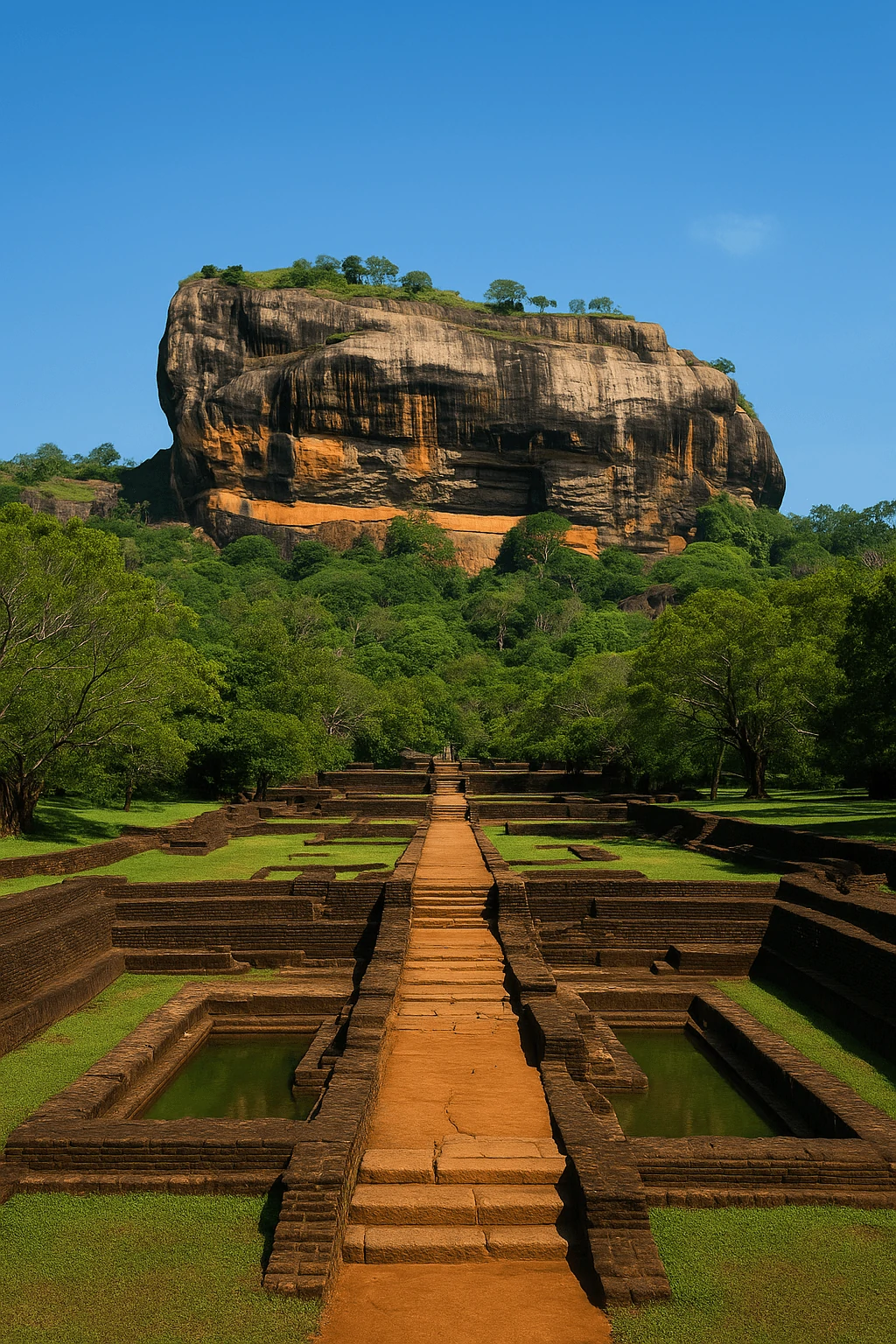
The Lion Rock itself dominates the landscape. From any direction, it looks both natural and sculpted — a gigantic monolith shaped by time and imagination. The entrance to the fortress once featured a colossal lion gateway. Today, only its massive paws remain, carved from solid rock, guarding the stairway that ascends to the summit.
These lion paws, powerful yet graceful, are perhaps Sigiriya’s most iconic image. In ancient times, visitors would ascend through the lion’s open mouth — a symbolic passage into the royal domain. The name Sigiriya derives from Sihagiri, meaning “Lion Rock,” an embodiment of both protection and royal pride.
The climb itself reveals how ancient architects fused landscape with design. Natural boulders became walls, terraces, and fortifications. Staircases were carved directly into the rock, merging art and engineering into a single breathtaking structure.
From halfway up, the views of surrounding forests, lakes, and faraway hills already begin to unfold — a panorama that grows more captivating with each step upward.
4. The Ancient City Beneath the Rock
Beneath the towering fortress lies the ancient city of Sigiriya, a marvel of planning and innovation. Archaeologists have uncovered remains of a grid-based city layout — a rare feature in the ancient world. Streets aligned with precision, gardens watered through hidden hydraulic systems, and stone foundations reveal an advanced understanding of both geometry and sustainability.
The city extended over several square kilometers, featuring royal quarters, servant housing, and monastic zones. Visitors walking today through the grassy ruins can still sense the grandeur that once defined these grounds.
Among the places to see in Sigiriya, the lower city is essential. Here, one can observe how the natural landscape was adapted to support a self-sustaining royal ecosystem. The layout mirrors the celestial pattern used in ancient South Asian cosmology — a deliberate design aligning the human realm with divine order.
5. The Water Gardens and Mirror Wall
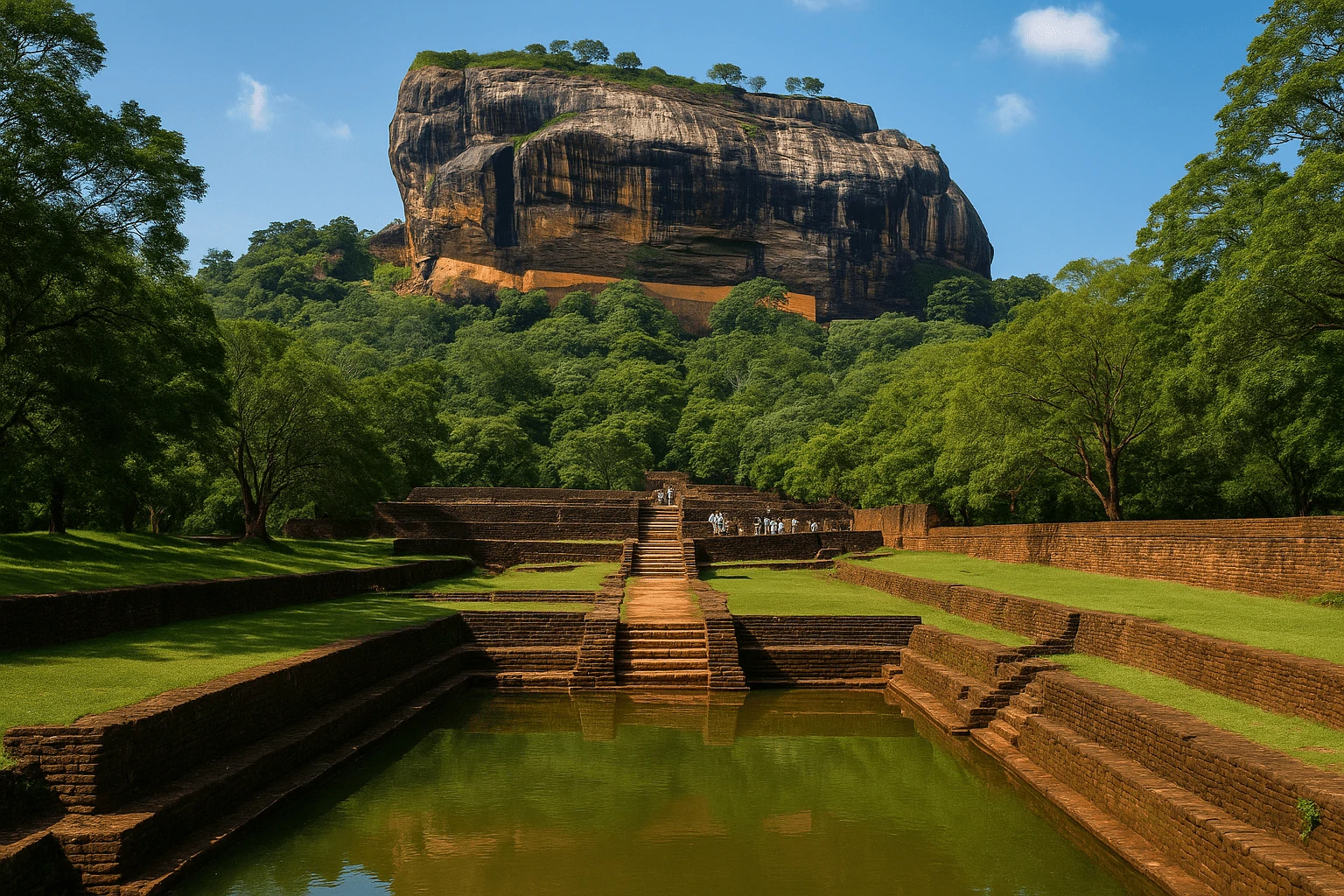
At the base of the fortress lies one of Sigiriya’s greatest achievements — the Water Gardens. Built with a precision that defies centuries of weathering, these symmetrical pools, fountains, and moats represent the artistic and technological genius of ancient Sri Lanka.
Even today, during the rainy season, the fountains still function — driven purely by gravity and pressure differences, without any mechanical devices. This hydraulic miracle reveals how advanced the island’s engineers were in the 5th century CE.
As visitors proceed toward the rock, they encounter the Mirror Wall — a highly polished surface that once reflected both light and human faces. In ancient times, the wall’s lime-based plaster shone like glass. Over centuries, visitors carved poetic verses into it — early graffiti that speaks of admiration, longing, and love for the frescoes above.
The Mirror Wall serves as a time capsule of human emotion, echoing voices from over a thousand years ago. These writings remain preserved today, showing that even in antiquity, Sigiriya inspired awe and affection among those who beheld it.
6. Climbing Sigiriya: Steps, Views, and Experience
Climbing Sigiriya Rock Fortress is an experience that blends adventure, history, and quiet reflection. The ascent begins at the entrance to the water gardens, where stone pathways lead toward the base of the massive rock. As the climb progresses, visitors pass through winding staircases and open terraces built against sheer cliffs.
The climb is not overly difficult, but it demands patience. There are approximately 1,200 steps from the base to the summit. Most travelers take between 45 minutes and one hour to reach the top, stopping often to admire the views. The path offers glimpses of the frescoes, the Mirror Wall, and the lion’s paws — each stage marking a transition from the worldly to the regal.
Great view at the evening. When you go pphotography in the evening is better than morning. Amazing rock and cool place around 5 pm.
Halfway up, a flat terrace provides a resting point. Here, the surrounding plains stretch into the horizon. The lush forest canopy and the glimmering lakes below remind every traveler that Sigiriya was not just a fortress; it was also a city designed to harmonize with nature.
Climbing Sigiriya is a test of curiosity more than endurance. Each step carries echoes of the craftsmen and guards who once walked the same path centuries ago, watching the sun rise over the king’s citadel.
Loads of history all around and its definitely best to go up early in the morning to avoid the heat!
7. How Long Does It Take to Walk Up Sigiriya
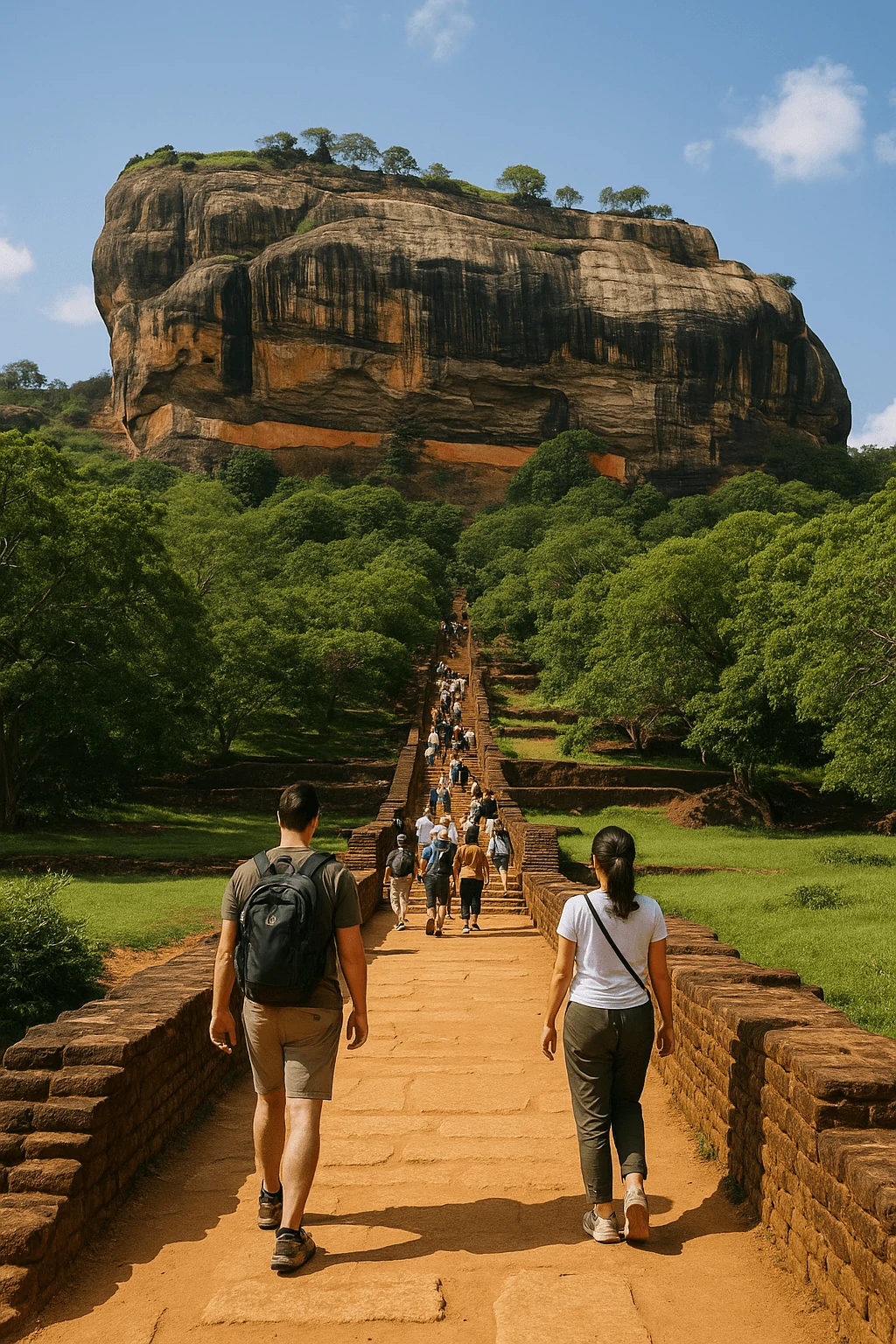
Many visitors wonder exactly how much time the climb requires. The answer depends on fitness level and the crowd on the day of the visit.
For most travelers, it takes:
-
-
45–60 minutes to ascend
-
-
-
25–35 minutes to descend
-
The best time to begin is early morning (around 7:00 AM) or late afternoon (around 4:00 PM). Morning climbs provide cooler air and gentle light for photography, while evening visits reward climbers with sunsets over the plains of Dambulla.
It is advisable to carry water, sunscreen, and a hat, as midday temperatures can rise above 30°C. The metal staircases near the summit can become warm under direct sun. Comfortable walking shoes are essential.
Although the climb is structured with handrails and platforms, those with vertigo may wish to rest at intervals. Every landing offers remarkable vantage points — a chance to breathe, observe, and capture photos of one of the most magnificent landscapes in Sri Lanka.
8. The Story of King Kashyapa
Behind Sigiriya’s creation lies a tale of ambition and tragedy. King Kashyapa I ruled between 473 and 495 CE, a time of both prosperity and turmoil. Born to King Dhatusena and a concubine, Kashyapa seized the throne by overthrowing his father — a move that forced the rightful heir, Moggallana, to flee to India.
Haunted by fear of revenge, Kashyapa chose Sigiriya as his refuge. He transformed the isolated rock into a royal citadel surrounded by gardens, walls, and moats. Legends describe him as a patron of art and architecture, yet burdened by guilt and paranoia.
The palace atop Sigiriya was both sanctuary and statement — a declaration that no rival could touch him. For nearly two decades, the fortress stood as the symbol of his reign. However, Moggallana eventually returned with an army. During the decisive battle, Kashyapa’s elephant turned unexpectedly, causing his troops to panic. Believing himself defeated, Kashyapa took his own life.
After his death, the fortress fell silent. Monks reclaimed the rock, and the jungle slowly swallowed its grandeur. What remains today is a testament to a ruler’s vision and a reminder of the delicate balance between power and destiny.
9. Sigiriya Frescoes and Art
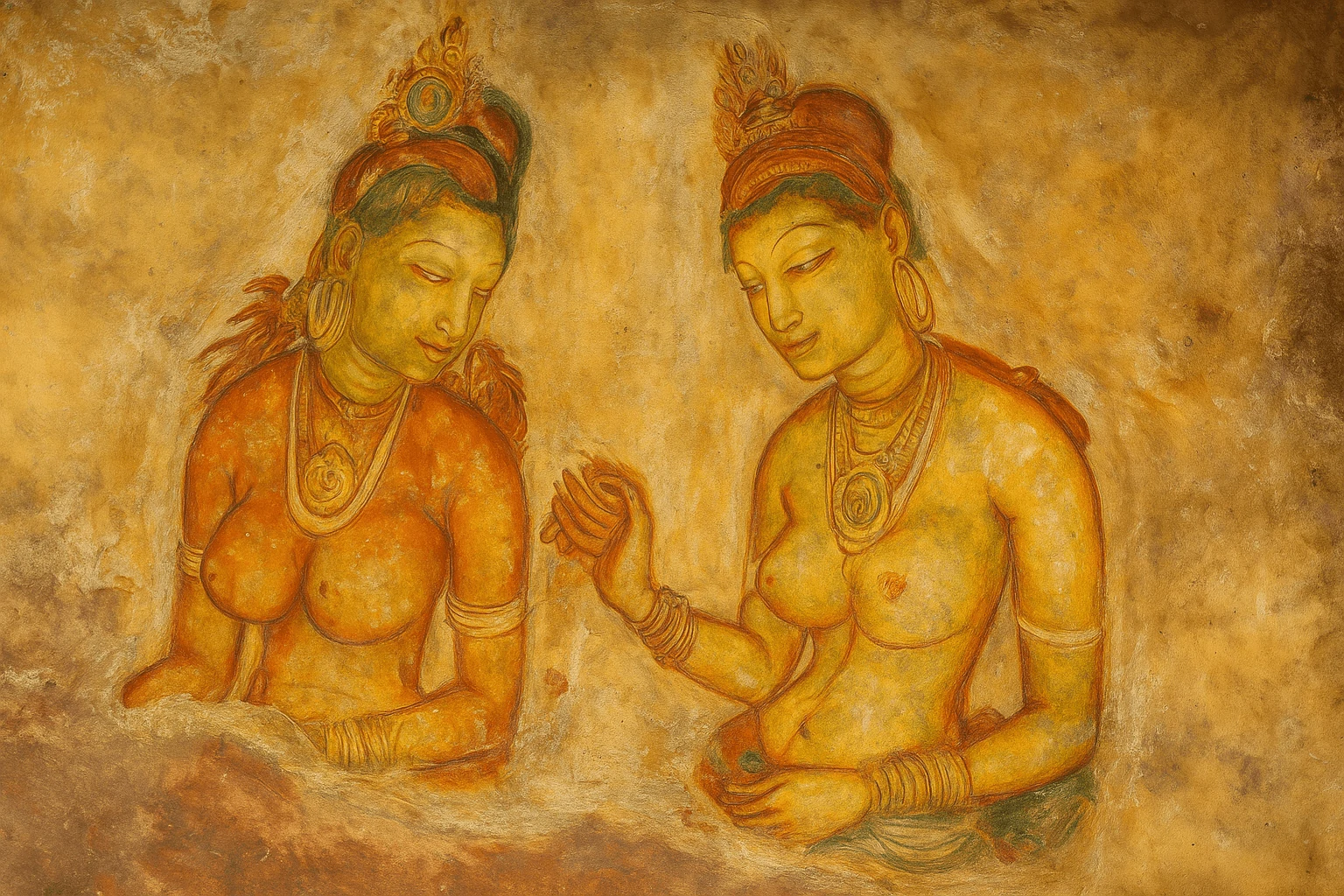
One of the most captivating places to see in Sigiriya lies along the mid-level gallery — the fresco pocket. These paintings, sheltered by an overhanging rock, have survived for more than 1,500 years.
The frescoes depict graceful female figures adorned with jewelry and flowers. Their identities remain uncertain — some believe they represent celestial nymphs, while others see them as royal attendants. The colors, made from natural minerals, still retain warmth and vitality, despite centuries of exposure.
Early explorers once claimed that hundreds of such paintings adorned the rock face; today, only around twenty remain. Even so, they capture the sophistication of the Sigiriya period. The soft brushwork, attention to detail, and subtle expressions suggest a mature artistic tradition unmatched in the ancient world.
Photography inside the fresco gallery is restricted to preserve the delicate pigments. However, standing before these works offers a glimpse into a civilization that celebrated both beauty and divinity. Every gesture, every gaze in the frescoes speaks of a courtly world where art and faith intertwined seamlessly.
10. The Summit Palace: Ancient Engineering Masterpiece
Reaching the summit reveals the final wonder — the ruins of King Kashyapa’s Palace. Covering an area of more than 1.5 hectares, the top of the rock features foundations of royal chambers, bathing pools, and throne platforms. The summit design follows a precise geometric plan, proving that ancient Sri Lankan builders mastered both form and function.
The highlight of the summit is the royal pool, carved directly into the rock. Even after centuries, it still collects rainwater, reflecting the surrounding sky. From this height, travelers can see miles of forest and farmland — a view that once belonged only to the king.
Wind sweeps across the plateau, carrying with it the faint scent of the jungle below. Standing here, one feels both the scale of human ambition and the inevitability of time. The remains of walls, staircases, and terraces hint at a once-lavish palace that blended seamlessly with its natural surroundings.
As the sun sets, the golden light softens the ruins. Many visitors describe this moment as the most memorable part of their journey — the point where history, beauty, and silence meet atop a fortress in the clouds.
11. Best Viewpoints for Photography
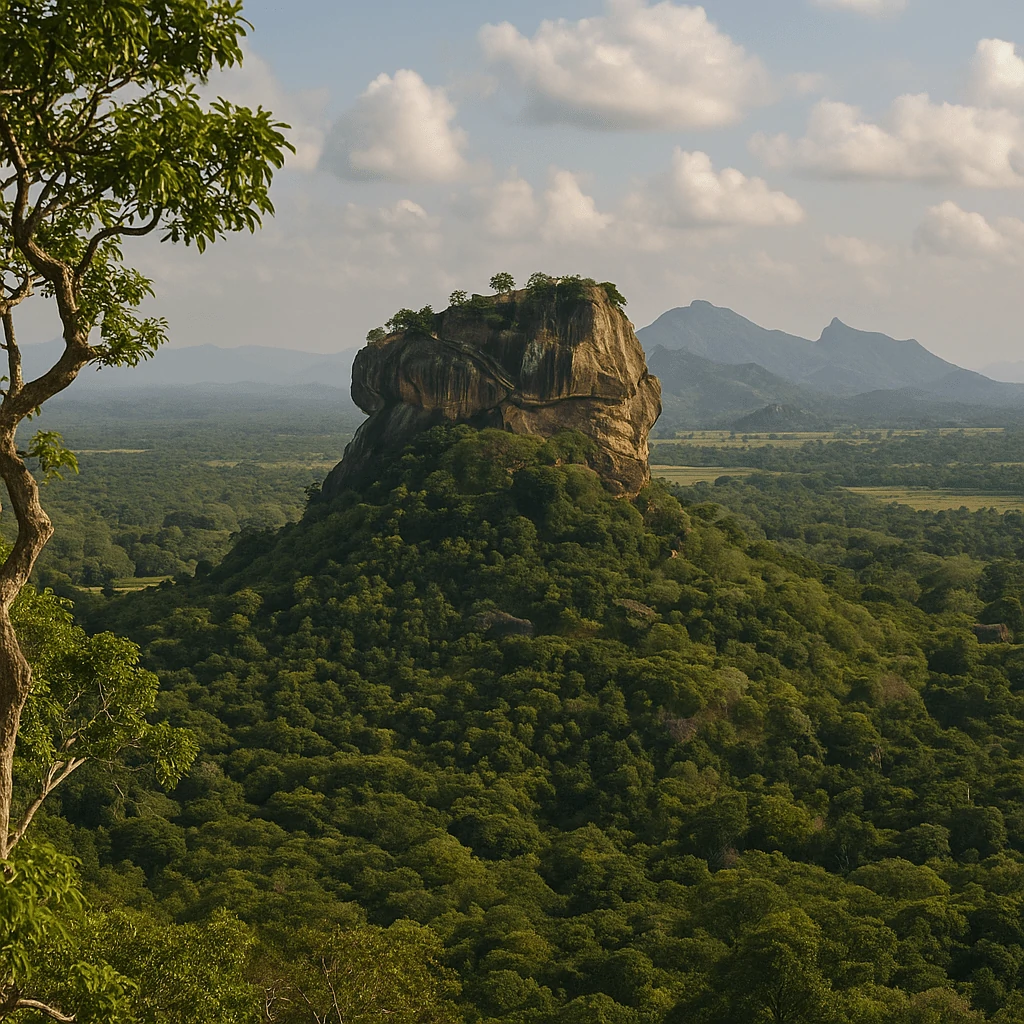
For photographers and travelers alike, Sigiriya offers some of the most dramatic landscapes in Sri Lanka. The early morning light paints the mist-covered plains in soft gold, while evening shadows cast intricate patterns across the ancient walls.
The northern terrace midway up the rock provides one of the most striking views of the surrounding gardens. From here, the symmetry of the water gardens becomes clear, forming perfect geometric shapes when viewed from above. The contrast between stone and greenery reveals the mastery of ancient landscaping.
On the summit, the view extends beyond the fortress. The Pidurangala Rock rises nearby, while distant hills roll across the horizon. During the dry season, the skies remain crisp and blue — ideal conditions for panoramic photography.
For those seeking the most iconic image of Sigiriya itself, the best spot is Pidurangala’s peak at sunrise. From there, the Lion Rock stands against the morning glow like a monument carved out of fire and time.
12. Sigiriya Museum and Historical Artifacts
Before or after climbing, visiting the Sigiriya Museum adds depth to the experience. Located near the entrance gate, the museum was designed to blend into the natural environment and to mirror the layout of the ancient city.
Inside, visitors encounter reconstructions of frescoes, archaeological maps, pottery, tools, and models that help visualize what Sigiriya looked like 1,500 years ago. One section displays artifacts recovered from excavations — coins, jewelry, and fragments of painted plaster that once adorned royal chambers.
The museum’s main gallery features a scale model of the entire site. It allows travelers to trace the water systems, moats, and stairways before walking them in real life. The curators have arranged the exhibits chronologically, starting from the prehistoric period and ending with modern conservation efforts.
Spending even thirty minutes here provides context that enriches the climb. It helps every visitor see beyond the ruins, into the minds of those who designed one of the most complex cities of the ancient world.
worth a visit if you are planing on visiting or climbing the rock it is very educational which gives great background info
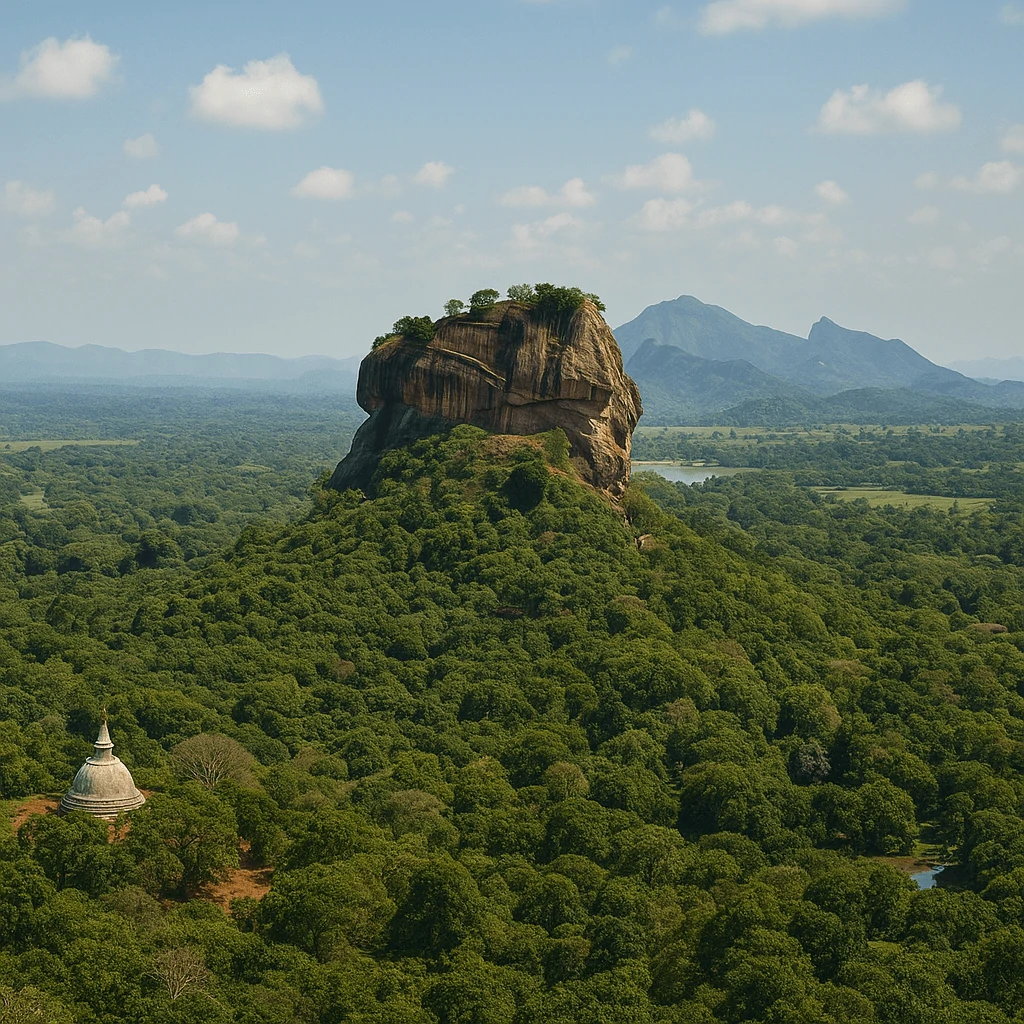
Sigiriya lies in Sri Lanka’s Cultural Triangle, surrounded by equally remarkable sites. Exploring these nearby attractions completes the journey.If you’re including Dambulla on your Sigiriya day trip, read the Dambulla Temple Dress Code guide before visiting the Golden Temple to understand what attire is appropriate for this sacred site. Sigiriya stands as one of the most breathtaking highlights of Sri Lanka’s Cultural Triangle, but its magic truly unfolds when explored alongside other ancient cities like Dambulla, Anuradhapura, and Polonnaruwa. After exploring Sigiriya, the next essential stop in the Cultural Triangle is the Dambulla Cave Temple – Opening Hours, Entrance Fees & Travel Guide. It’s only a short drive away and offers a deeper look into Sri Lanka’s ancient Buddhist heritage.
🔗 To plan your full cultural adventure, check out our detailed Sri Lanka Cultural Triangle Itinerary: 7 Days of Ancient Wonders.
-
-
Dambulla Cave Temple (20 minutes away): A series of cave shrines filled with Buddha statues and vibrant frescoes, representing over two millennia of devotion.
-
-
-
Minneriya National Park: Known for its elephant gatherings during the dry season, it offers a peaceful contrast to Sigiriya’s historical landscape.
-
-
-
Habarana Village: A rural community where travelers can experience local cooking, bullock-cart rides, and short canoe trips across village lakes.
-
-
-
Popham’s Arboretum (Dambulla): A hidden sanctuary where rare trees and birds thrive, ideal for evening walks.
-
These places connect culture, nature, and history into one seamless itinerary. Each destination reinforces why Sigiriya remains the perfect base for exploring central Sri Lanka.
🗺 Map of Attractions Around Sigiriya — Dambulla, Minneriya, and Pidurangala.
14. Pidurangala Rock: The Secret Viewpoint
No visit to Sigiriya is complete without climbing Pidurangala Rock, located just two kilometers north. This lesser-known rock offers the best panoramic view of Sigiriya itself and provides a quieter, less crowded climb.
The trail begins at Pidurangala Temple, an ancient monastery at the rock’s base. The first half of the ascent winds through forest paths, passing small caves and Buddha statues. The second half involves a short scramble over boulders — manageable for most visitors and well worth the effort.
At the summit, a massive flat rock opens to a 360-degree view of the plains. Facing south, Sigiriya towers in full view, framed perfectly by the horizon. The best time to climb is just before sunrise, when the morning mist rises and sunlight touches the Lion Rock in a golden glow.
Many travelers describe Pidurangala as more peaceful than Sigiriya itself. Without crowds or barriers, it offers a moment of stillness to watch the day awaken over the island’s heartland.
15. Sigiriya Village Experiences and Local Crafts
Beyond the archaeological wonders, Sigiriya’s surrounding villages reveal the living heritage of rural Sri Lanka. Walking or cycling through nearby hamlets introduces visitors to traditional lifestyles that have endured for generations.
Local families still produce hand-woven mats, clay pots, and wooden carvings, often sold at small roadside stalls. Observing these artisans at work provides insight into skills passed down through centuries.
Many guesthouses and eco-lodges arrange village tours that include a bullock-cart ride, canoe trip across the paddy fields, and a home-cooked lunch prepared over a wood-fired stove. Meals typically feature rice, curry, and fresh vegetables grown in backyard gardens.
For those seeking immersion, volunteering for a day at a village farm or cooking with local hosts turns sightseeing into cultural connection. The warmth of the villagers and the slow rhythm of rural life create memories that last long after leaving the Cultural Triangle.
16. Practical Travel Tips and Safety Advice
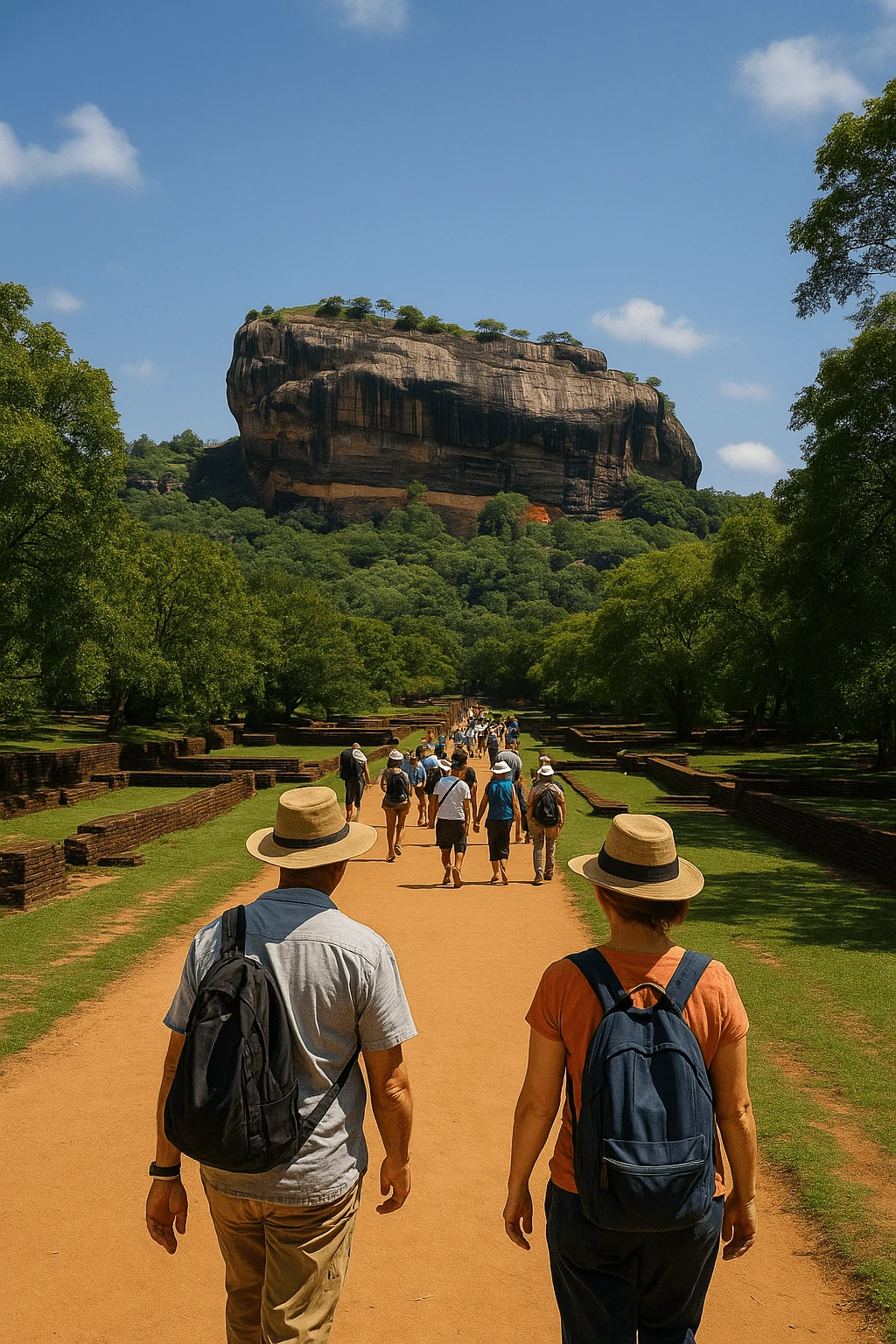
Exploring Sigiriya is straightforward, but a few practical details can make the experience smoother and more comfortable.
- Start Early: Arrive before 8 AM to avoid heat and large crowds. Early entry also allows more time to explore the lower gardens before the climb.
-
Stay Hydrated: Carry at least one liter of water. Refill stations are limited beyond the base area.
- Footwear: Wear sturdy shoes with good grip; sections of the metal staircase can be slippery after rain.
- Weather Awareness: From March to July, temperatures can exceed 33 °C. Morning and late-afternoon climbs are ideal.
- Photography: Drones require special permits from Sri Lanka’s Department of Archaeology. Tripods are allowed only in specific zones.
-
Respect Heritage Rules: Avoid touching fresco walls or carving initials. Preservation ensures that the site remains for future travelers.
- Ticket Safety: Keep your entrance ticket until the end of your visit; random checks occur at upper checkpoints.
Following these small but important habits ensures a safe climb and a deeper appreciation of the site’s fragile beauty.
17. Best Time to Visit Sigiriya
Sigiriya can be visited year-round, yet some months offer clearer skies and more pleasant temperatures.
-
-
Dry Season (December – April): Ideal for sightseeing. The air is crisp, and visibility from the summit is excellent.
-
-
-
Inter-monsoon (May – June): Short showers occur, but the landscape glows with greenery and fewer crowds.
-
-
-
Wet Season (October – November): The climb becomes slippery, though the surrounding forest appears most vibrant.
-
Morning light enhances photography, while evenings provide softer tones across the plains. Those interested in avoiding large tourist groups should target February or March, when the weather balances warmth and mild humidity.
Sunrise climbs are peaceful, but sunset visits offer golden reflections on the palace ruins — both moments capture the essence of places to see in Sigiriya at their most magical.
18. Getting to Sigiriya: Routes and Transport Options
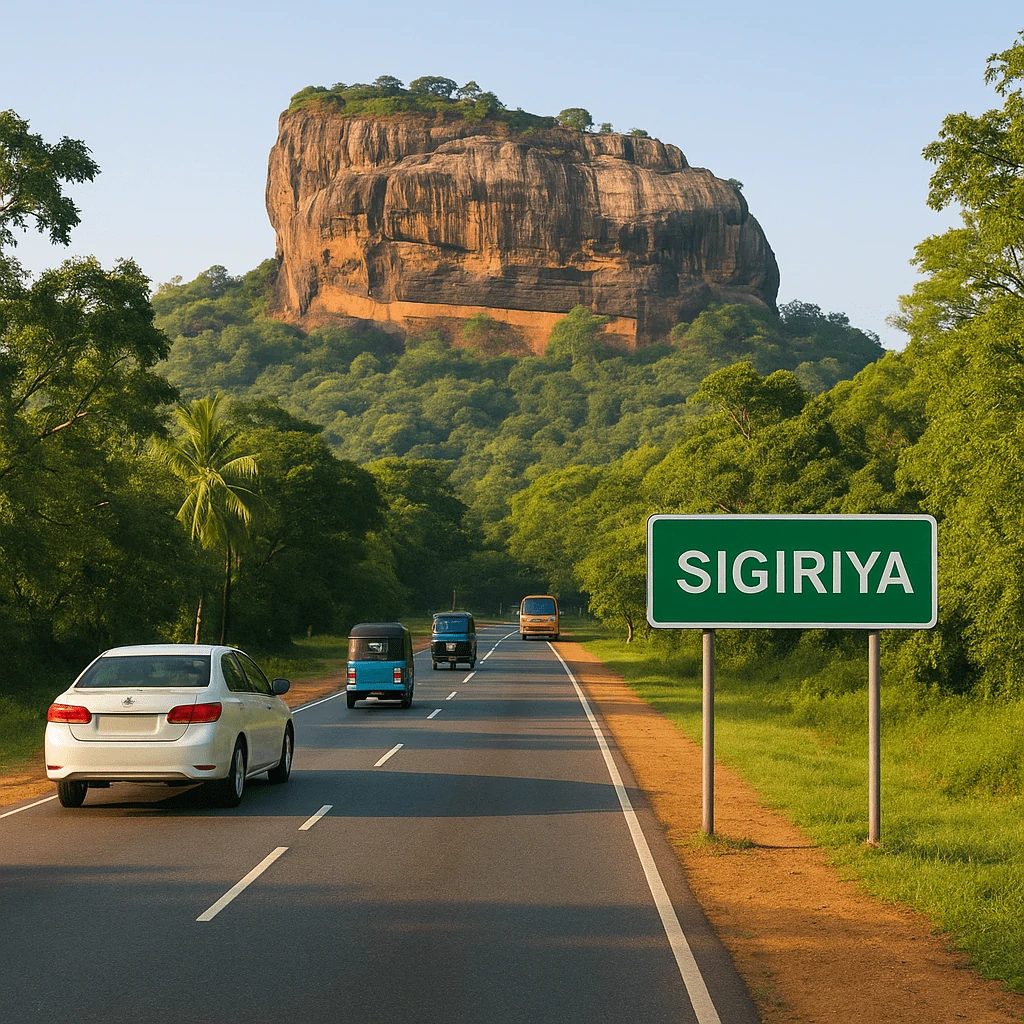
Sigiriya lies roughly in the center of Sri Lanka, easily accessible from several major cities.
Traveling from Colombo
Reaching Sigiriya from the capital takes about 4½ hours by car along the Kurunegala–Dambulla route. Intercity buses also operate daily to Dambulla, where local taxis or tuk-tuks complete the final 25-minute leg.
Route from Kandy
The drive from Kandy takes around 2½ hours. Train travelers can ride to Habarana Station, then take a short taxi ride through scenic countryside to Sigiriya village.
Access from Anuradhapura and Polonnaruwa
Both ancient capitals connect to Sigiriya in less than two hours by road, forming the ideal Cultural Triangle loop for travelers covering multiple heritage sites.
Independent explorers often rent scooters or bicycles from nearby guesthouses. Roads are smooth and shaded, offering a pleasant journey through forest and farmland.
🗺 Map: How to Reach Sigiriya Rock Fortress
19. Entrance Fees and Visiting Hours
Sigiriya operates under the management of the Central Cultural Fund, which maintains standardized visiting hours and entry costs.
- Opening Hours: 7 AM – 5:30 PM (final entry at 4:30 PM).
- Entrance Fee:
-
Foreign visitors: around US $30 – 35
-
-
-
SAARC country citizens: reduced rate
-
-
-
Sri Lankan citizens: local rate under LKR 100
-
Tickets include access to the entire site and the Sigiriya Museum. Receipts are checked at multiple points during the climb, so keep them safe.
Visitors should plan at least three hours for the complete circuit — from the gardens to the summit and back. Guides can be hired at the gate for detailed historical explanations, but audio guides and printed maps are also available.
20. Suggested Itinerary for Sigiriya Day Trip
For those with limited time, a structured plan helps cover all places to see in Sigiriya efficiently. After a day exploring Sigiriya Rock Fortress, treat yourself to the local cuisine. Our Where to Eat in Sigiriya guide highlights the best restaurants and authentic Sri Lankan meals nearby.
Morning (7:00 AM – 10:00 AM)
-
-
Begin with the Water Gardens and Mirror Wall while the air is cool.
-
-
-
Visit the fresco gallery and lion’s paws en route to the summit.
-
-
-
Spend time at the top, exploring the royal pool and panoramic viewpoints.
-
Late Morning (10:00 AM – 11:00 AM)
-
-
Descend carefully, pausing for photos of the gardens from mid-terraces.
-
-
-
Stop by the Sigiriya Museum before leaving the main gate.
-
Afternoon (12:00 PM – 3:00 PM)
-
-
Enjoy a traditional lunch at a nearby village restaurant.
-
-
-
Visit Pidurangala Rock for its legendary view of Sigiriya at sunset.
-
This itinerary ensures a full experience without fatigue, balancing exploration with time for rest and reflection.
21. Nearby Accommodation Options
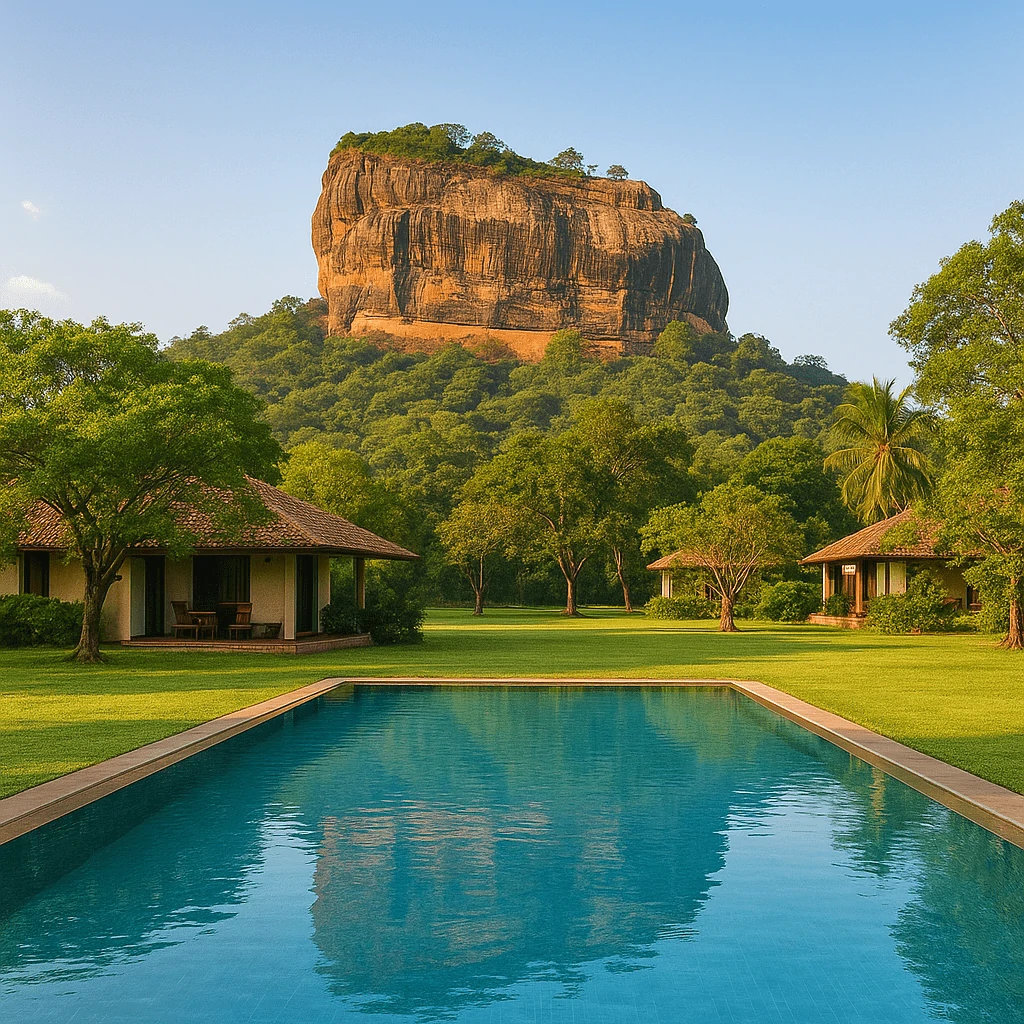
Choosing the right place to stay around Sigiriya can enhance both comfort and immersion. Options range from luxury resorts surrounded by forest to family-run guesthouses that reflect rural hospitality.
Luxury Stays
-
-
Aliya Resort and Spa (Sigiriya–Dambulla Road): Designed with minimalist architecture and views of both Sigiriya and Pidurangala Rocks. The infinity pool and Ayurvedic spa treatments are ideal after a day of climbing.
-
-
-
Jetwing Vil Uyana: Built over an artificial wetland, this eco-resort blends luxury with sustainability. Wooden walkways, private plunge pools, and wildlife sightings create an unforgettable stay.
-
Mid-Range Lodges
-
-
Hotel Sigiriya: Offers panoramic views of Lion Rock right from the poolside. Known for clean rooms, friendly staff, and easy access to the fortress.
-
-
-
Fresco Water Villa: A blend of comfort and affordability, featuring spacious rooms and lush garden surroundings.
-
Budget Choices
-
-
Sigiri Lion Lodge: A long-standing backpacker favorite offering affordable rooms near the main gate.
-
-
-
Nilmini Lodge: Run by a local family, known for authentic Sri Lankan breakfasts and guided tuk-tuk tours.
-
Wherever one stays, the surrounding forest ensures mornings filled with birdsong and evenings cooled by gentle winds — a reminder that Sigiriya’s magic extends beyond its rock walls.
22. Where to Eat Around Sigiriya
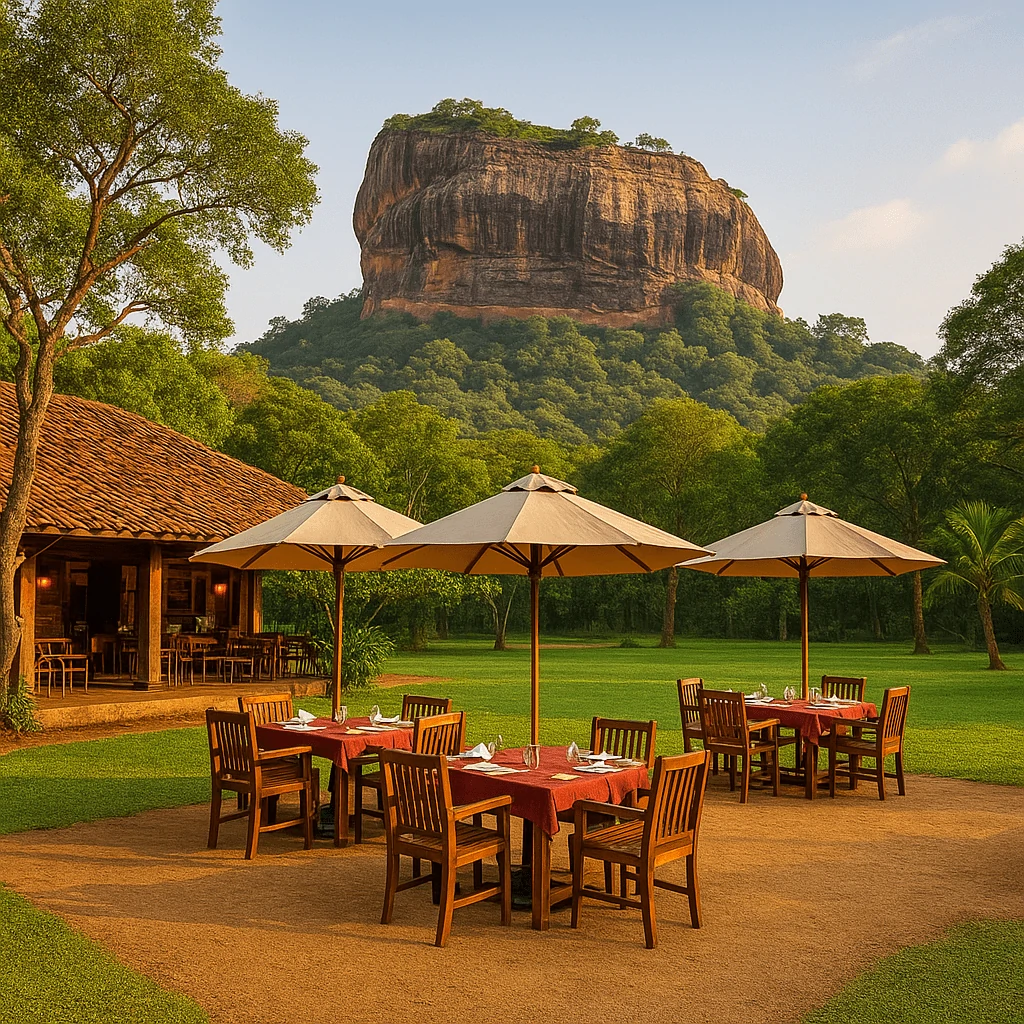
Food around Sigiriya reflects the country’s rich culinary character — fragrant curries, tropical fruits, and traditional sweets.
Local Restaurants
-
-
Wijesiri Family Restaurant: A rustic spot serving rice and curry platters with fresh vegetables from nearby farms.
-
-
-
Ahinsa Restaurant: Popular for vegetarian dishes, fresh juices, and rice cooked in clay pots.
-
-
-
Rithu Restaurant: Offers hearty local meals and a view of the countryside — ideal for lunch after visiting the fortress.
-
Cafés and International Cuisine
-
-
Chooti Restaurant: Combines local rice dishes with Western breakfast options.
-
-
-
Gamagedara Village Food: Serves buffet-style traditional meals prepared over open fires.
-
Ordering a rice and curry lunch is a must — small bowls of dhal, coconut sambol, jackfruit curry, and spicy chicken or fish form the heart of the island’s flavors. For a refreshing finish, king coconut water is available almost everywhere near the entrance road.
23. Travel Etiquette and Cultural Notes
Respect for local traditions adds depth to any journey through Sri Lanka’s Cultural Triangle.
-
-
Dress Modestly: Lightweight clothing that covers shoulders and knees is appropriate when visiting temples or village homes.
-
-
-
Shoes and Hats: Remove both before entering sacred areas, including caves and shrines.
-
-
-
Photography: Always ask permission before photographing locals. Avoid taking pictures of monks without consent.
-
-
-
Tipping: While not mandatory, small gratuities for guides, drivers, or restaurant staff are appreciated.
-
-
-
Environmental Care: Do not litter or remove stones, leaves, or artifacts from the site.
-
-
-
Local Interaction: Greeting with a smile and a simple “Ayubowan” (meaning may you live long) reflects genuine respect.
-
Travelers who approach with curiosity and courtesy will find that locals respond with warmth and storytelling — qualities deeply rooted in Sri Lankan hospitality.
24. Packing Tips for Sigiriya Visit
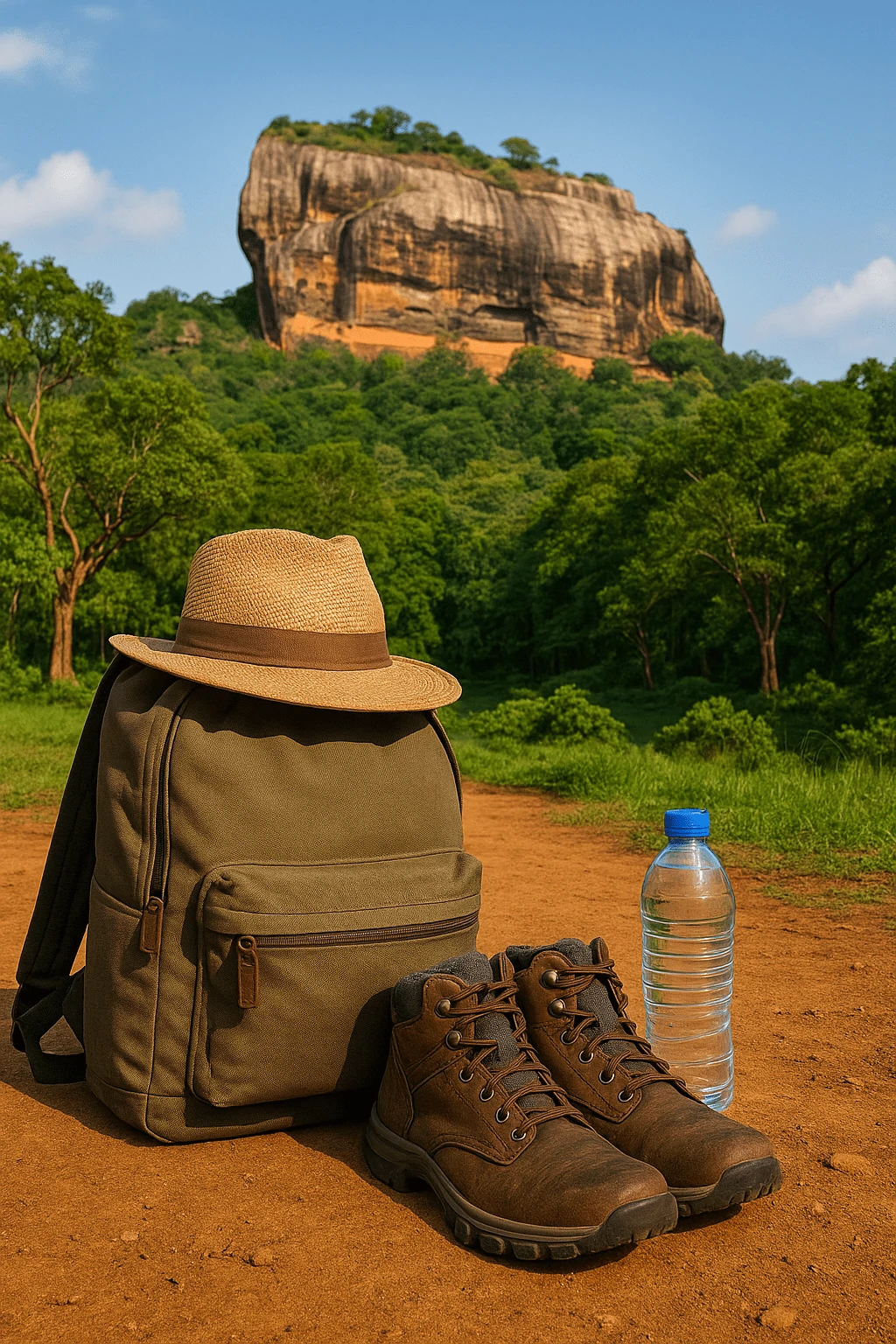
Efficient packing ensures a comfortable and rewarding visit. The climate around Sigiriya remains tropical year-round, so preparation for both heat and occasional rain is essential.
-
-
Light, Breathable Clothing: Cotton or linen shirts, shorts, or long pants for sun protection.
-
-
-
Walking Shoes: Non-slip soles for the stairways and rocky sections.
-
-
-
Sun Protection: Hat, sunglasses, and SPF-50 sunscreen.
-
-
-
Reusable Water Bottle: Helps minimize plastic waste.
-
-
-
Rain Jacket or Compact Umbrella: Useful during inter-monsoon months.
-
-
-
Small Backpack: To carry essentials during the climb.
-
-
-
Camera or Smartphone with Extra Battery: The views are extraordinary and worth capturing.
-
-
-
Insect Repellent: For early morning or evening walks around the gardens.
-
Traveling light also makes it easier to move between nearby towns like Dambulla or Habarana for day trips.
25. Final Thoughts: Why Sigiriya Captures Every Traveler
Among all places to see in Sigiriya, none stand apart from the overall experience. The fortress, gardens, frescoes, and the surrounding villages connect into one living story — a conversation between nature and human ambition. 🏨 After exploring the fortress, unwind in comfort — discover the best luxury hotels in Sigiriya featuring private villas, eco-retreats, and five-star resorts with breathtaking views of Lion Rock.
Standing atop Lion Rock, watching the wind ripple through ancient moats and trees, it becomes clear that Sigiriya is not only a ruin from a distant era; it is a statement of creativity that continues to inspire. Every layer of this citadel reflects purpose — artistic mastery, spiritual depth, and engineering brilliance.
Visitors leave with more than photographs. They carry the silent awe of walking through a city carved from dreams — a place where the earth itself became a throne. Sigiriya endures not merely as stone and legend, but as proof that beauty and power can coexist within the same heartbeat of history.
Frequently Asked Questions about Sigiriya
🕓 Best Time and Duration
A: Early morning (around 7 AM) or late afternoon (around 4 PM) is ideal. These times offer cooler weather, smaller crowds, and the best lighting for photography.
A: It usually takes 45 – 60 minutes to reach the top and about 30 minutes to descend, depending on rest breaks and crowd levels.
🧗 Climbing and Experience
A: It’s a moderate climb with around 1,200 steps. Handrails and resting platforms make it manageable for most visitors.
A: Yes, if they’re in fair health. Take breaks frequently, carry water, and avoid climbing during midday heat.
🖼️ History and Attractions
A: The name comes from the enormous lion-shaped gateway that once marked the entrance to the citadel. Today, only the giant paws remain.
A: No, photography is prohibited inside the fresco gallery to preserve the ancient pigments. Photos are allowed elsewhere on the site.
💰 Tickets and Entry
A: The entrance fee for foreign visitors is around US $30–35. Discounts apply for SAARC citizens and locals. Keep your ticket handy, as it’s checked at several points.
A: Tickets are sold at the main entrance near the museum. You can also purchase combo tickets covering both Sigiriya and Dambulla Cave Temple.
🚌 Getting There and Around
A: You can reach Sigiriya by bus or private car from Dambulla, Habarana, or Kandy. The nearest major town is Dambulla, about 17 km away.
A: Yes, licensed guides are available at the entrance. Many offer detailed explanations about the site’s history and art.
🎒 Travel Preparation
A: Bring light clothing, comfortable shoes, a hat, sunscreen, and a reusable water bottle.
A: Yes. Most visitors explore Sigiriya in the morning and hike Pidurangala in the evening for the sunset view of Lion Rock.


