


There’s a place in Sri Lanka where time doesn’t move the way it does elsewhere — where every stone, carving, and temple whisper stories of kings, gods, and scholars. Planning a Cultural Triangle Itinerary in this sacred region is a unique experience. This sacred region, known as the Cultural Triangle, connects Anuradhapura, Polonnaruwa, and Kandy, forming the historical heart of the island.
Planning a Sri Lanka Cultural Triangle itinerary means stepping into over 2,500 years of history, tracing the rise and fall of civilizations, and uncovering spiritual landmarks that shaped the island’s identity. I’ve traveled through these ancient cities multiple times, and each journey has revealed something new — from forgotten ruins hidden in the jungle to quiet lakes where monks still chant at dawn.
This 7-day itinerary is designed for travelers who want to experience Sri Lanka’s history in full color — not as a checklist, but as a living story. Whether you’re a photographer, history lover, or quiet wanderer, this guide takes you through the temples, monuments, and local secrets that define the Cultural Triangle.
🗺️ Use this interactive map to follow your 7-day Sri Lanka Cultural Triangle route.
🗓️ Day 1: Arrival in Anuradhapura – The Cradle of Civilization
If there’s a place that defines Sri Lanka’s identity, it’s Anuradhapura — the island’s first capital and one of the oldest continuously inhabited cities in the world. Founded in the 4th century BCE, this sacred city was once the beating heart of the island’s Buddhist civilization.
As you walk through the sprawling ruins of Anuradhapura, you’ll feel history breathing through the air. Towering dagobas rise like white mountains against the sky, and serene ponds reflect the timeless devotion of ancient monks.
Top Places to Visit in Anuradhapura:
-
Ruwanwelisaya Stupa: A masterpiece of ancient engineering, built by King Dutugemunu to enshrine relics of the Buddha.
-
Jaya Sri Maha Bodhi: A sacred fig tree grown from a branch of the original Bodhi Tree in India. Pilgrims light lamps and offer lotus flowers here daily.
-
Thuparamaya Dagoba: The first stupa built after Buddhism arrived in Sri Lanka.
-
Twin Ponds (Kuttam Pokuna): Ingeniously designed bathing pools used by ancient monks.
-
Abhayagiri Monastery Complex: Once home to thousands of monks, this site still carries an air of solemn majesty.
Although I’m reviewing just the stupa, this is for most of anuradpura. The stupas are amazing as are all the grounds ariynd the area inc the pools. Good to cycle to each as some are far apart.
See more reviews on tripAdvisor
For a deeper look at what to see in Anuradhapura — from its stupas and temples to silent forest shrines — check out our dedicated guide: Anuradhapura: What to See – Best Places to Visit in Sri Lanka’s Sacred Ancient Capital.
Explore Key Locations from Google maps
💡 Traveler Tip: Rent a bicycle or tuk-tuk early in the morning to explore before the heat sets in. Most sites open around 7 AM, and you’ll often find yourself walking among chanting devotees rather than crowds.
🕊️ Day 2: Mihintale – The Spiritual Awakening of Sri Lanka
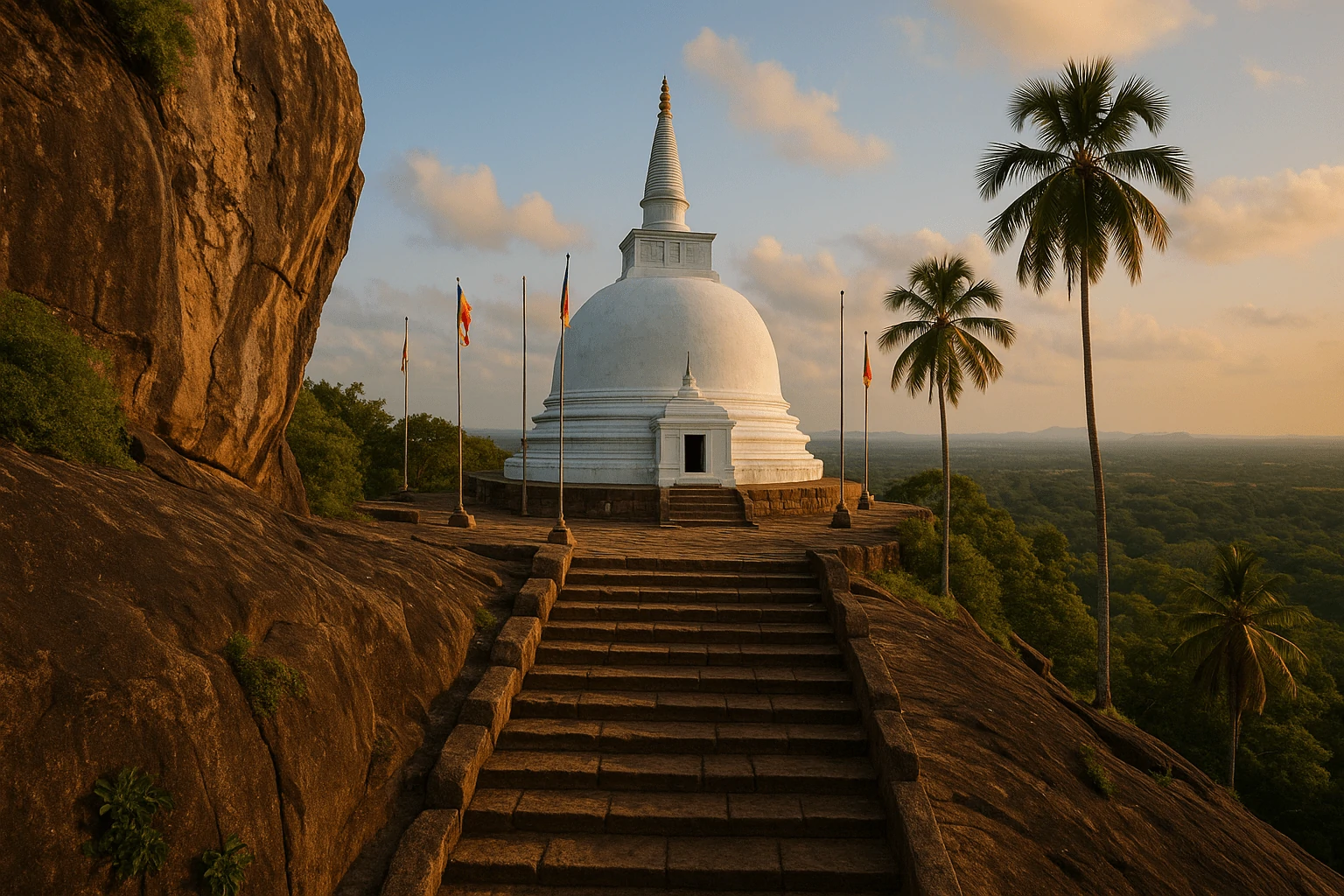
A short drive from Anuradhapura lies Mihintale, the birthplace of Buddhism in Sri Lanka. Every pilgrim and history enthusiast who follows the Sri Lanka Cultural Triangle itinerary should begin here — where spirituality first touched the island. Rising proudly above the plains, Sigiriya is more than just a climb — it’s a window into Sri Lanka’s royal history and artistry. From its ancient frescoes to the legendary Lion Gate, every step reveals a story carved in stone.
🔗 For a deeper look at its history, art, and climbing experience, read our complete Sigiriya Rock Fortress Travel Guide.
It was on this hill, over 2,300 years ago, that King Devanampiya Tissa met Arahant Mahinda, the son of Emperor Ashoka of India. Their conversation beneath a mango tree changed the course of Sri Lankan history forever. That moment marked the introduction of Buddhism to the island — a turning point that influenced its culture, art, and architecture for millennia. 🏨 Planning to stay overnight near the fortress? Discover the best luxury hotels in Sigiriya offering stunning views of Lion Rock, boutique comfort, and eco-luxury experiences in the heart of the Cultural Triangle.
What to See in Mihintale
1. Mihintale Stupa (Ambasthala Dagoba)
Standing proudly on a rocky terrace, this white stupa marks the exact spot where Arahant Mahinda preached his first sermon. The gentle wind that blows across the hill feels like it carries centuries of prayers.
2. Kantaka Chetiya
An elegant stupa adorned with intricate carvings of lions, elephants, and dwarfs. These ancient motifs tell stories of faith and cosmic balance.
3. Aradhana Gala (Rock of Invitation)
A steep climb leads to a panoramic view of the North Central Plains. From here, you’ll see the endless green canopy of the Cultural Triangle, with the glimmer of Anuradhapura’s stupas in the distance.
4. Refectory and Hospital Ruins
Among the ruins are remains of what is believed to be one of the world’s oldest hospitals — proof that compassion and healing were integral parts of the Buddhist way of life.
A great Buddhist complex The climb requires a visitor to be fit enough to walk up the old stone steps.See more reviews on tripAdvisor
💡 Traveler Tip: Visit Mihintale around sunrise or sunset. The air is cool, the view serene, and the light paints the stone terraces in gold. Carry water and wear light clothing — the steps are steep, but the climb is worth every breath.
🏰 Day 3: Polonnaruwa – The Royal Capital of Stone and Glory
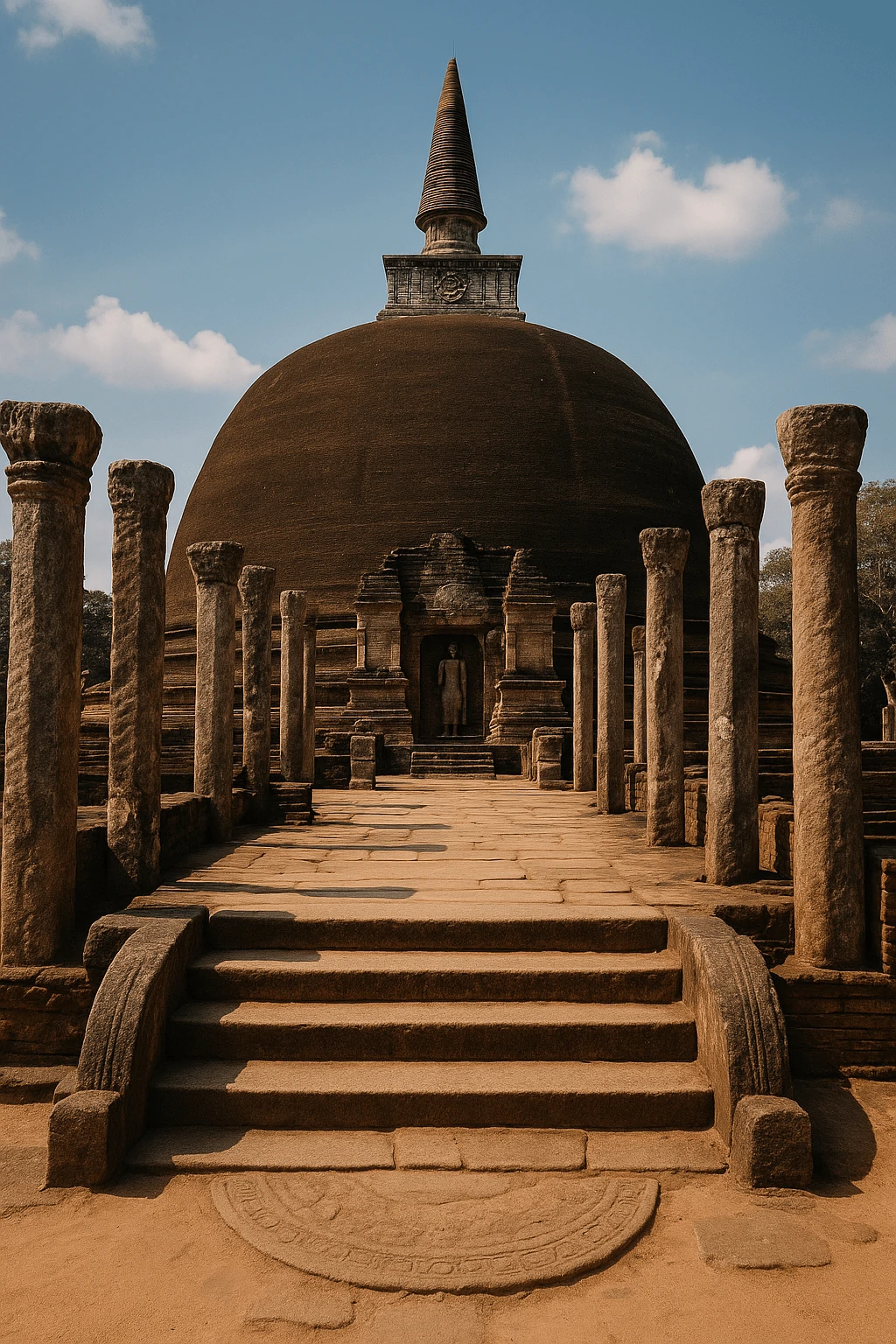
If Anuradhapura was the beginning, Polonnaruwa represents refinement — a golden age of art, architecture, and disciplined governance. Established in the 11th century CE, this UNESCO World Heritage Site was once a well-planned royal city surrounded by reservoirs, gardens, and fortifications.
Exploring Polonnaruwa feels like entering a city frozen in time. Every pillar, statue, and sculpture reflects the mastery of its builders. After visiting the Sigiriya Rock Fortress, don’t miss experiencing the local food scene. Check out our guide to Where to Eat in Sigiriya – Best Restaurants & Hidden Local Food Spots for authentic dining experiences, family-run eateries, and scenic cafés around the fortress.
Must-Visit Attractions in Polonnaruwa
1. Royal Palace of King Parakramabahu I
The ruins of a once-majestic seven-story palace — built with over a thousand rooms. Even in its decayed state, the scale is breathtaking.
2. Quadrangle (Dalada Maluwa)
This sacred area holds the Vatadage, Thuparama Image House, and Hatadage, among the finest preserved religious monuments in the island’s history.
3. Gal Vihara
Perhaps the most photographed site in Polonnaruwa — four giant Buddha statues carved from a single granite rock face. The reclining Buddha, in particular, conveys an expression of perfect serenity.
4. Parakrama Samudra
A vast reservoir still feeding the region’s farmlands today, built under King Parakramabahu’s principle: “Not even a drop of rainwater should reach the sea without serving the people.”
5. Rankoth Vehera
A towering stupa surrounded by ancient stone walls and leafy avenues. You’ll often find monks meditating quietly in the shade here.
The site is very large, consists of an introductory museum and then in the archaeological area there are 5 areas of major interest….
Explore Polonnaruwa Archaeological Park on google maps
💡 Traveler Tip: Rent a bicycle at the entrance gate and spend half a day cycling through the ruins. Polonnaruwa’s layout is compact, and pedaling through its quiet avenues makes the exploration meditative and immersive. For a deeper look at the ancient capital, read our full Polonnaruwa Sri Lanka Travel Guide, covering monuments, hidden gems, cycling routes, and practical tips for every visitor.
🦁 Day 4: Sigiriya Rock Fortress – The Lion’s Kingdom in the Sky
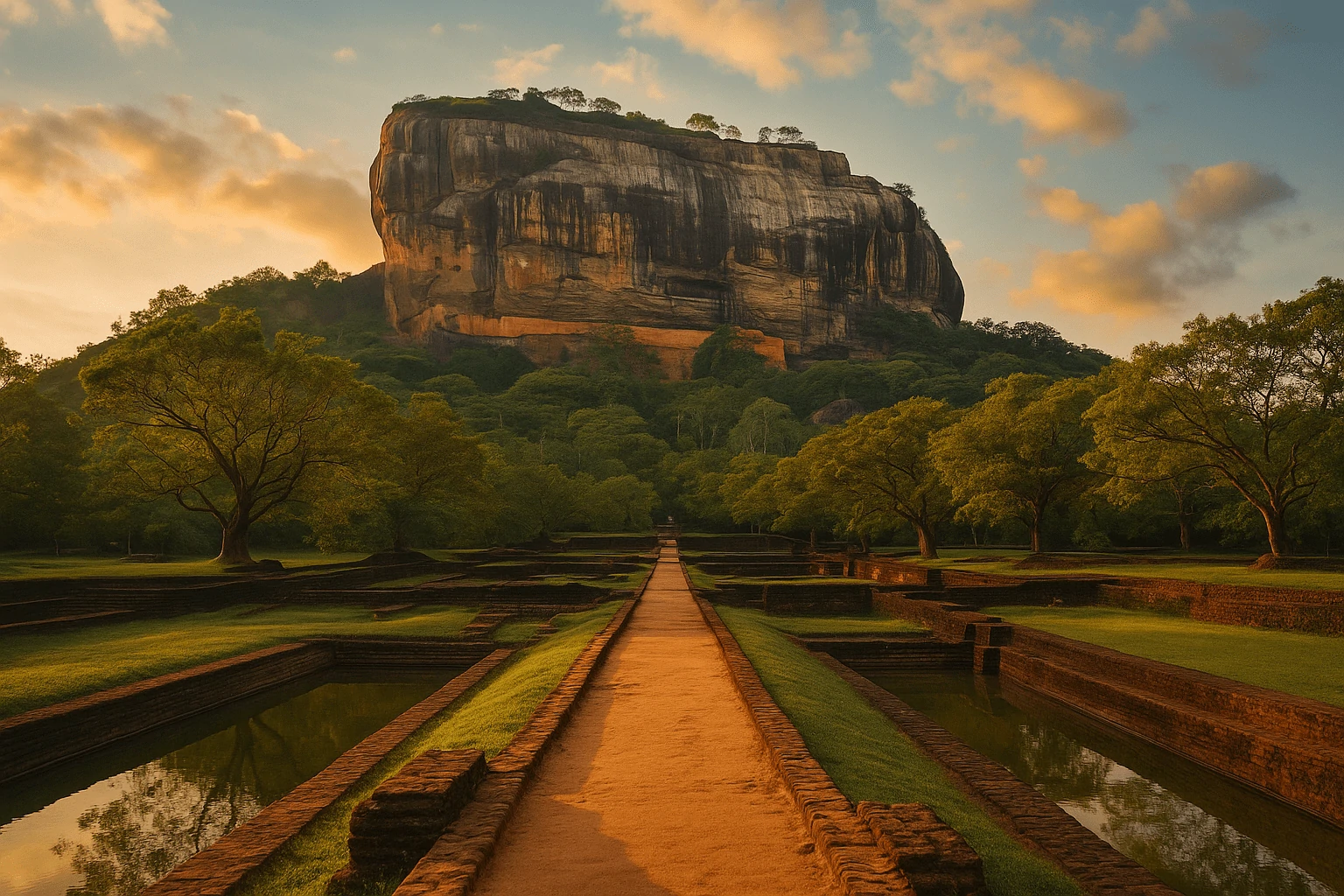
The Cultural Triangle’s crown jewel is Sigiriya, the fabled Lion Rock Fortress — an ancient citadel that rises dramatically from the plains like a monument to ambition and art. Built by King Kashyapa in the 5th century CE, Sigiriya combines royal luxury, military strategy, and pure aesthetic beauty.
👉 To make the most of your visit, check out the best time to visit Sigiriya — with weather insights and seasonal tips. It helps you plan your climb comfortably and enjoy the fortress at its most magical hour.
The Story of Sigiriya
Kashyapa, after seizing the throne from his father, built Sigiriya as both a palace and a fortress — a sanctuary of power surrounded by moats, gardens, and water channels that still function today.
At the summit, he constructed his sky palace, accessible only through a grand staircase flanked by lion’s paws carved in stone. The site’s frescoes, mirror wall inscriptions, and symmetrical gardens reveal an advanced understanding of both engineering and aesthetics.
Key Highlights
1. Sigiriya Frescoes
Halfway up the rock, colorful frescoes depict celestial maidens — their beauty immortalized in delicate brushwork that still survives after 1,500 years.
2. Mirror Wall
Polished with beeswax centuries ago, the wall reflects light even today. Ancient visitors carved poems here — early examples of Sinhalese literature.
3. Lion’s Gate and Summit Palace
Two enormous lion’s paws guard the stairway to the summit. From the top, the view stretches for miles — over forests, lakes, and distant hills.
4. Water Gardens and Boulder Gardens
At the base, manicured gardens and hydraulic systems show an incredible blend of art and science, unmatched in ancient South Asia.
Loads of history all around and its definitely best to go up early in the morning to avoid the heat!
See more reviews on tripAdvisor
Explore Sigiriya on google maps
💡 Traveler Tip: Climb early morning (before 8 AM) or late afternoon (after 4 PM) to avoid the midday heat. Carry water, wear comfortable shoes, and take breaks at shaded terraces.
🕍 Day 5: Dambulla Cave Temples – Faith Carved in Stone
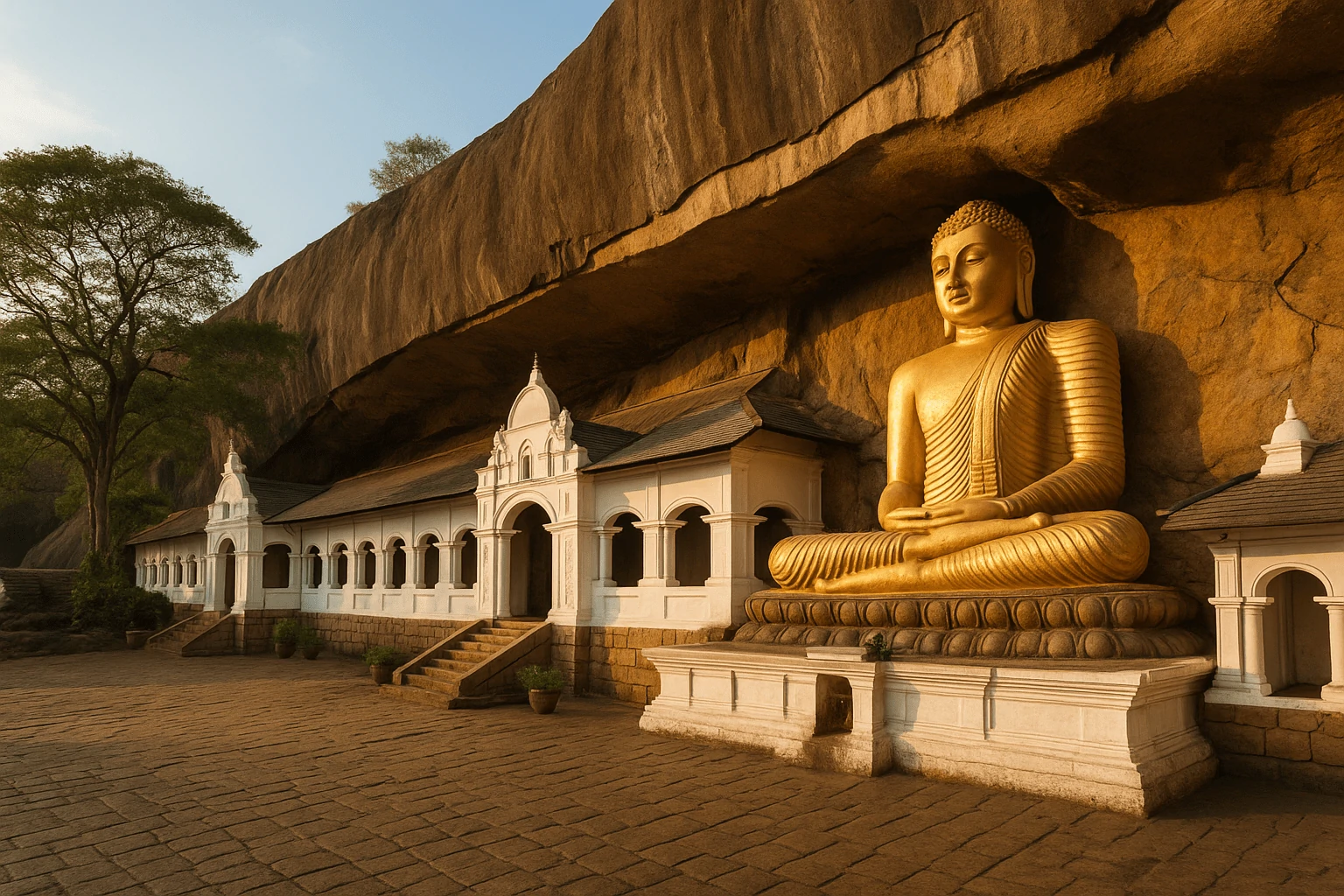
If Sigiriya is the symbol of royal ambition, Dambulla represents pure devotion. Rising from the dry plains of central Sri Lanka, the Dambulla Cave Temples are a stunning example of art meeting spirituality — a sacred complex carved into a massive rock that has sheltered monks for over 2,000 years.
As I climbed the stone steps toward the cave entrance, the mid-morning air was heavy with the scent of incense. Pilgrims in white carried lotus flowers, and in the distance, the echo of temple bells drifted across the valley. This is the kind of place where silence feels alive. On Day 5, while you wander the caves high on the rock, check out our detailed Dambulla Cave Temple Opening Hours, Entrance Fees & Travel Guide to time your visit for the quietest hours and best experience.
The History of Dambulla
According to legend, King Valagamba sought refuge in these caves after being exiled from Anuradhapura in the 1st century BCE. Years later, when he regained his throne, he turned the caves into temples as an offering of gratitude. Since then, Dambulla has remained one of the most revered monastic sites in Sri Lanka.
The Five Main Cave Temples
Each of the five caves reveals a different chapter in the island’s religious evolution. To experience Dambulla with full respect for local customs, take a moment to check the Dambulla Temple Dress Code – What to Wear When Visiting Sri Lanka’s Sacred Cave Temple guide.
1. Cave of the Divine King (Devaraja Lena)
Home to a colossal 14-meter reclining Buddha statue, this first cave glows with the soft light of oil lamps. The carved rock merges seamlessly with painted ceilings.
2. Cave of the Great Kings (Maharaja Lena)
The largest and most magnificent, containing over 150 Buddha statues and intricate murals covering every inch of the ceiling. Look closely — you’ll see scenes from the Buddha’s life, painted with natural pigments that have lasted centuries.
3. Great New Monastery (Maha Alut Viharaya)
Commissioned during the Kandyan period, this cave blends old and new art styles, showing the evolution of Sri Lankan religious painting.
4. Western Cave (Pachima Viharaya)
A small chamber with a seated Buddha and soft natural light filtering through the stone — a moment of calm and solitude.
5. Second New Monastery (Devana Alut Viharaya)
Decorated with late-period murals that depict celestial beings and temple guardians, offering insight into changing artistic influences.
Explore Dambulla on google maps
💡 Traveler Tip: Photography is allowed without flash. Always remove your shoes and hats before entering. Bring socks — the rock floor can get hot during the day.
🌸 Day 6: Kandy – The Last Kingdom and the Sacred Tooth Relic
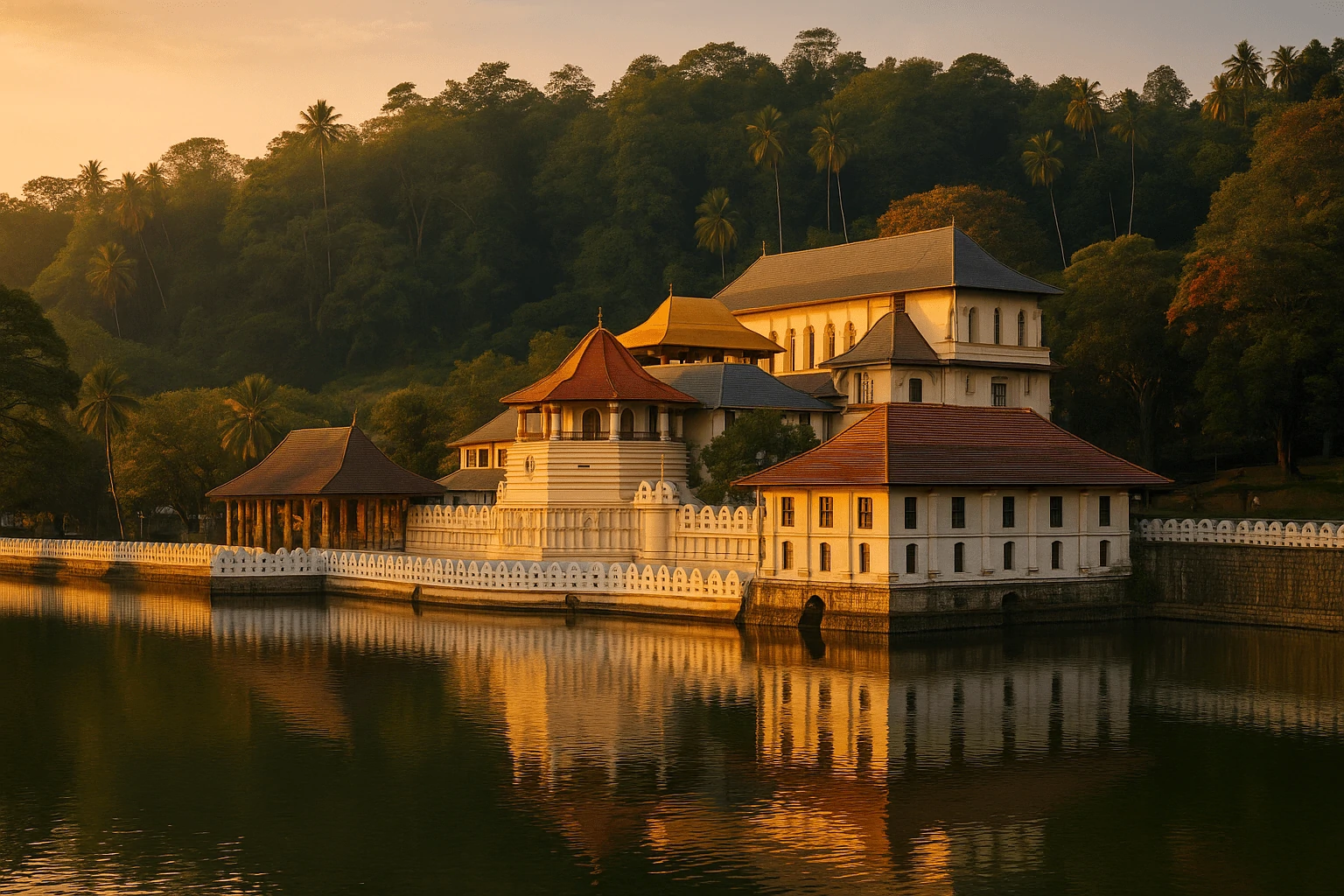
Leaving the dry plains of Dambulla, the road to Kandy winds through lush hills and cool air. Often called the “Heart of the Hill Country,” Kandy was the last royal capital of Sri Lanka before colonial rule. Beyond its scenic charm, it holds immense spiritual significance — home to the Temple of the Sacred Tooth Relic (Sri Dalada Maligawa), one of the holiest sites in Buddhism.
The Temple of the Tooth Relic
At the center of Kandy’s lake stands this magnificent temple, housing a sacred relic believed to be a tooth of the Buddha himself. Every morning and evening, monks perform Theva rituals, accompanied by drums, conch shells, and incense. Witnessing the ceremony feels like traveling through time — faith here has survived wars, colonialism, and centuries of change.
Traveler Reflection: I remember walking into the temple during the evening ritual. The rhythmic drumming echoed through the marble halls, and the scent of jasmine filled the air. For a moment, everything stood still — a rare peace only places of deep faith can offer.
Other Cultural Highlights in Kandy
1. Kandy Lake: A calm, artificial lake built by the last king. Perfect for a sunset walk.
2. Royal Palace Complex: Now housing the National Museum, showcasing royal artifacts and historical relics.
3. Bahirawakanda Temple: A hilltop temple with a massive Buddha statue and sweeping views of the city.
4. Peradeniya Royal Botanical Gardens: 60 hectares of rare and diverse flora, including giant bamboo groves and orchid houses.
5. Kandy Cultural Dance Show: Traditional drummers, dancers, and fire-walkers perform every evening — a vivid expression of Kandyan heritage.
The temple of the sacred tooth relic is a must see in kandy. The grounds are calm and well kept, that I loved the atmosphere here. It was a very special and memorable visit for us.
See more reviews on tripAdvisor
Since Kandy plays an important role within the Cultural Triangle journey, many travelers find it helpful to read a dedicated Kandy travel guide as well, especially for understanding local attractions, transport options, and practical planning details before arriving in the city.
Explore Kandy on google maps
💡 Traveler Tip: Dress modestly for temple visits (covered shoulders and knees). Try to visit early morning to experience the rituals with fewer crowds.
🌾 Day 7: Cultural Villages & Departure – Living Traditions of the Triangle
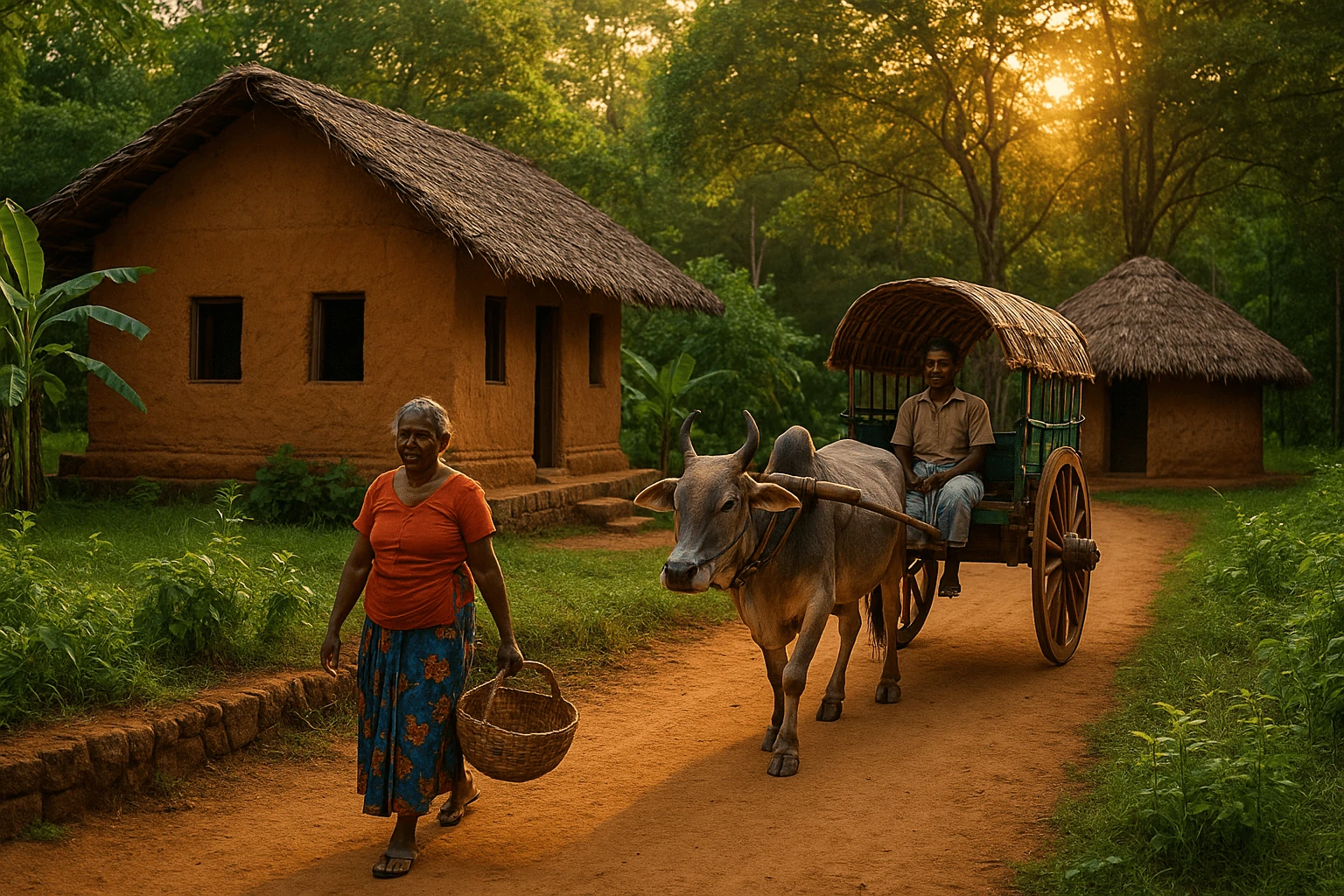
Your final day in the Sri Lanka Cultural Triangle itinerary brings you closer to living culture — where heritage isn’t displayed in museums but woven into daily life. Around Habarana, Sigiriya, and Dambulla, several traditional villages open their homes to travelers seeking an authentic connection.
Experience the Rhythm of Rural Life
1. Hiriwadunna Village Tour
This small farming village near Habarana offers a glimpse of timeless Sri Lankan life. Ride a bullock cart through paddy fields, cross a lake on a catamaran, and enjoy a home-cooked rice and curry lunch served on banana leaves.
2. Pottery & Handicraft Workshops
Local artisans near Sigiriya still mold clay and weave mats using methods passed down for generations. Watching them work reveals the care behind every handmade creation.
3. Traditional Cooking Experience
Join a local family in preparing a meal over a wood-fired clay stove. From grinding spices to frying coconut sambol, it’s a warm way to say farewell to the Cultural Triangle.
4. Ayurvedic Village Spa Experience
For those seeking calm before departure, several village spas offer herbal treatments using ancient Sinhalese recipes — a soothing end to a week of exploration.
💡 Traveler Tip: Bring small gifts for village children (school supplies are appreciated). Respect privacy when taking photos and always ask before photographing people.
🧭 Practical Travel Tips for Exploring the Sri Lanka Cultural Triangle
Planning a journey through Sri Lanka’s Cultural Triangle requires more than just a map. It’s about balancing distances, heat, culture, and rest. After several visits through this region, I’ve gathered practical lessons every traveler should know before setting out.
🗓 Best Time to Visit
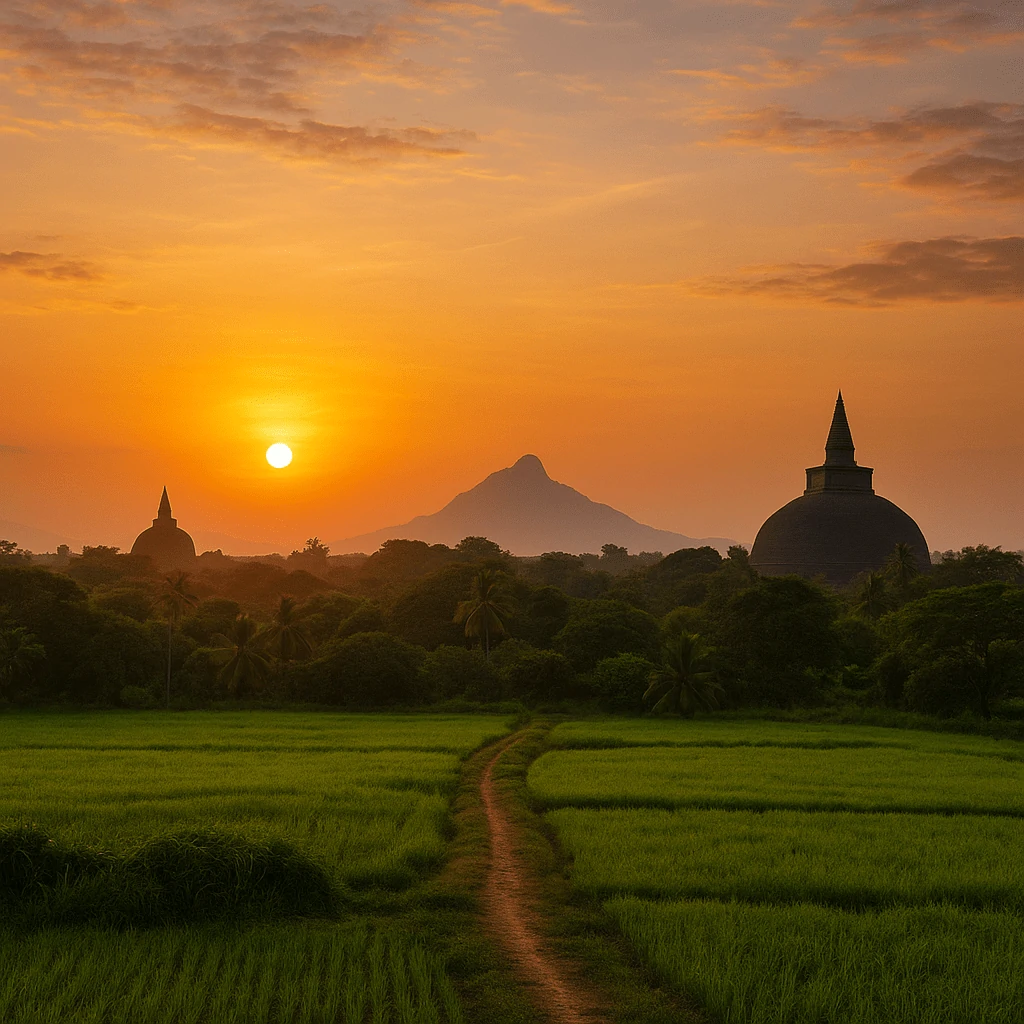
The Cultural Triangle lies in Sri Lanka’s dry zone, meaning it’s hot year-round but pleasant between May and September. During this period, rainfall is minimal, skies are clear, and landscapes glow in warm golden tones.
If you prefer cooler weather and fewer crowds, January to April is also excellent. Avoid October–December, as the northeast monsoon can bring unpredictable rain and humidity.
🚗 How to Get Around
The region is well-connected by road, though public transport is limited between heritage sites. For convenience, hire a private driver or car — it allows flexibility for stops, photography, and local exploration.
Approximate distances between major sites:
-
Anuradhapura → Mihintale: 12 km
-
Mihintale → Polonnaruwa: 100 km
-
Polonnaruwa → Sigiriya: 55 km
-
Sigiriya → Dambulla: 20 km
-
Dambulla → Kandy: 75 km
Tuk-tuks and bicycles are great for local site visits within towns. Always carry small change for entrance fees or snacks along the road.
💰 Entrance Fees (Approximate)
| Site | Foreign Adult | Child (under 12) |
|---|---|---|
| Anuradhapura | USD 25 | USD 12 |
| Polonnaruwa | USD 25 | USD 12 |
| Sigiriya | USD 30 | USD 15 |
| Dambulla Cave Temples | USD 10 | USD 5 |
| Temple of the Tooth (Kandy) | USD 8 | USD 4 |
Tickets are available at official counters; avoid purchasing from unofficial guides.
🏮 Dress Code & Etiquette
-
Cover shoulders and knees when entering temples or monasteries.
-
Remove shoes and hats before entering religious sites.
-
Never touch or climb on Buddha statues.
-
Use your right hand when offering items.
-
Quiet voices and respectful behavior are expected in sacred spaces.
🌿 Sustainability Tips
-
Carry a reusable water bottle — avoid single-use plastics.
-
Support local homestays and family-run guesthouses.
-
Purchase souvenirs directly from artisans.
-
Use eco-friendly sunscreen when visiting lakes and reservoirs.
🏨 Where to Stay: Best Areas and Hotels in the Cultural Triangle
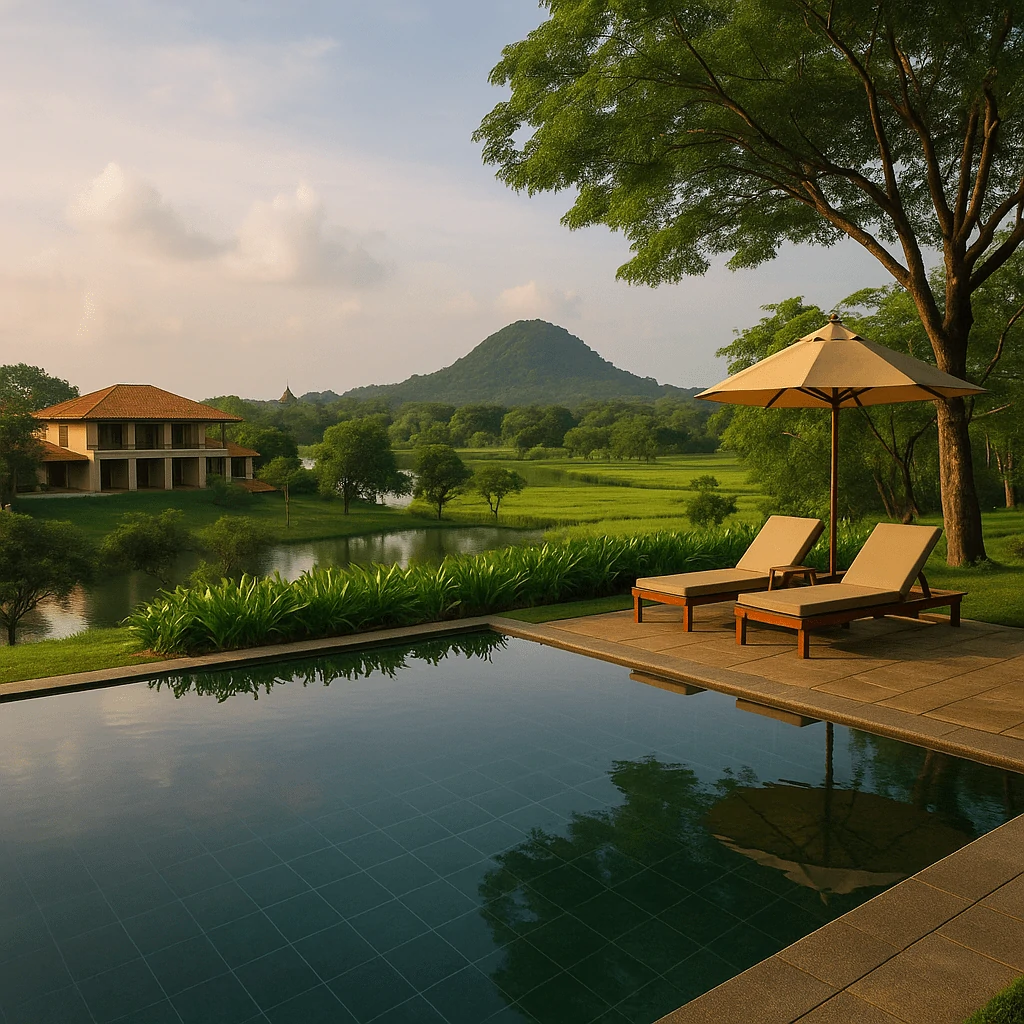
Choosing where to stay can transform your experience. The Cultural Triangle covers a wide area, but accommodations are abundant — from jungle lodges to boutique heritage resorts.
🌿 Anuradhapura
Best For: Ancient history and serene mornings.
-
Heritage Hotel Anuradhapura: Overlooks Tissa Wewa Lake, ideal for cyclists visiting ruins.
-
Palm Garden Village: Eco-resort with colonial charm and sprawling gardens.
🌄 Sigiriya & Dambulla
Best For: Central location to explore all major sites.
-
Jetwing Lake Dambulla: Modern comfort blended with lake views.
-
Aliya Resort & Spa: Offers direct views of Sigiriya Rock, with infinity pools and Ayurvedic spa.
-
Kalundewa Retreat: Hidden luxury with floating chalets surrounded by rice fields.
🌸 Polonnaruwa
Best For: Peaceful stays near ruins and lakes.
-
Ekho Lake House: Built along Parakrama Samudra with tranquil sunset views.
-
Deer Park Hotel: Surrounded by wildlife and forest, perfect for photographers.
🕊 Kandy
Best For: Cultural charm and cool weather.
-
Cinnamon Citadel Kandy: Overlooks the Mahaweli River; ideal for comfort and convenience.
-
Theva Residency: Elegant hillside retreat with sweeping views of the city.
-
Elephant Stables: Colonial boutique stay with heritage interiors.
💡 Traveler Tip: Stay at least two nights in Sigiriya or Dambulla — it’s centrally located for day trips to Anuradhapura, Polonnaruwa, and Kandy.
🎒 What to Pack and How to Travel Safely
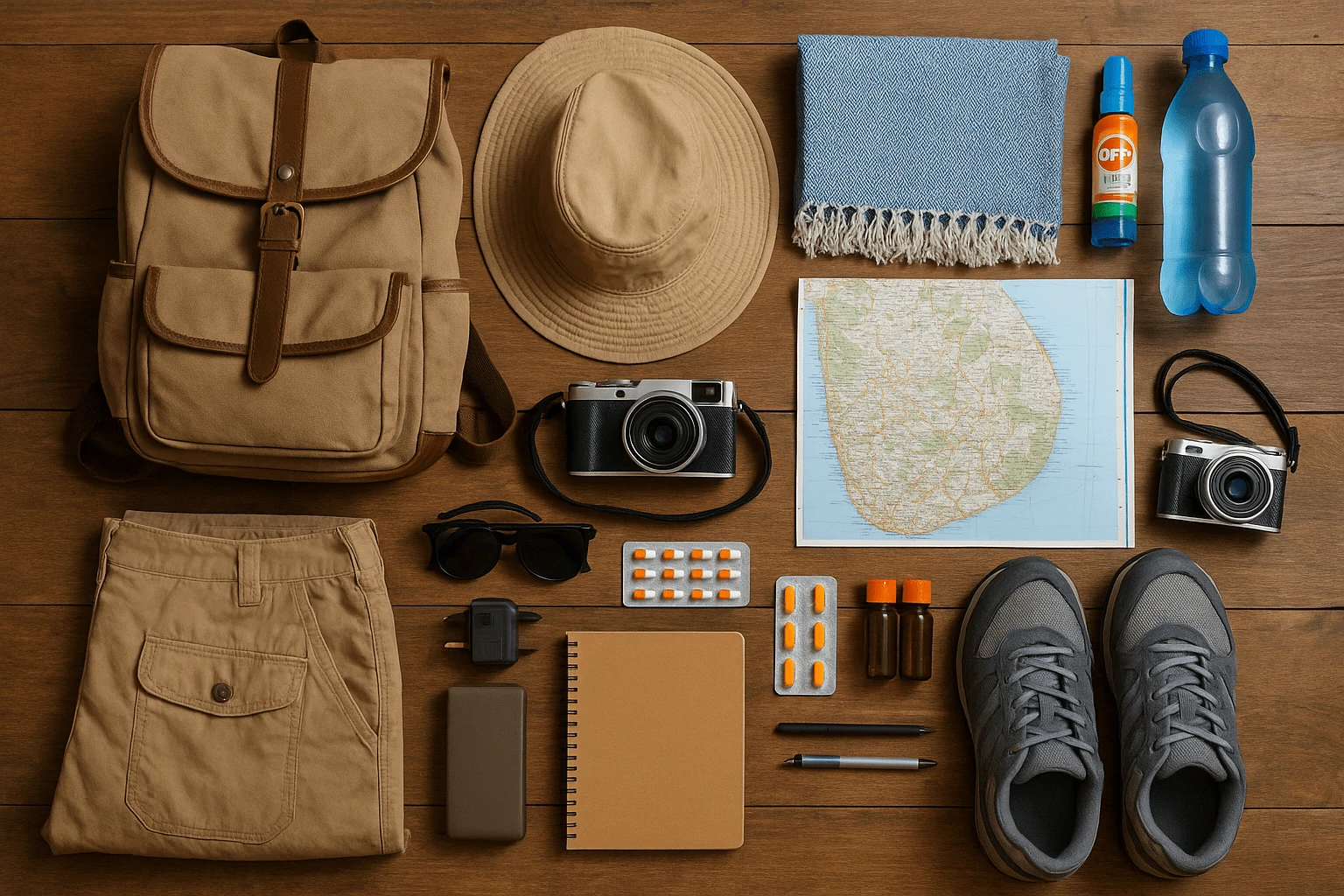
A successful journey through the Cultural Triangle depends on preparation — from weatherproof clothing to temple essentials.
🧳 Packing Essentials
-
Light cotton clothes for day travel
-
Long pants and shawl for temple visits
-
Comfortable shoes or sandals for walking and climbing
-
Sun hat, sunglasses, and high-SPF sunscreen
-
Insect repellent (especially for Polonnaruwa and Habarana)
-
Portable umbrella or poncho
-
Power adapter (Type G) used in Sri Lanka
-
Refillable water bottle and snacks
🩺 Health & Safety
-
Drink bottled or filtered water only.
-
Use hand sanitizer when visiting rural sites.
-
Apply mosquito repellent before dusk.
-
Respect wildlife and avoid feeding animals near temples or lakes.
🚨 Emergency Contacts
-
Tourist Police (Anuradhapura): +94 25 223 2222
-
Kandy Hospital: +94 81 223 3333
-
Emergency (Ambulance/Police/Fire): Dial 119
💡 Traveler Tip: Keep photocopies of your passport, visa, and travel insurance separately from your luggage.
🌅 Final Thoughts: Why the Cultural Triangle Is the Soul of Sri Lanka
The Sri Lanka Cultural Triangle itinerary isn’t just a travel route — it’s a living museum. Every stupa, carving, and statue is a message from centuries past.
Walking through Anuradhapura’s ancient monasteries, climbing Sigiriya’s stone stairways, and watching monks light lamps in Dambulla’s caves — you realize these aren’t ruins. They’re echoes of a civilization that never lost its spirit.
In this small stretch of land, faith, art, and wisdom intertwine. From dawn prayers under the Bodhi Tree to sunset over Kandy Lake, every moment feels like an invitation to pause and reflect.
For those who travel not just to see, but to understand, the Cultural Triangle is where Sri Lanka reveals its true self — sacred, serene, and eternal.
❓Frequently Asked Questions about the Sri Lanka Cultural Triangle Itinerary
🗓️ Best Seasons and Climate
A: The dry season from May to September offers clear skies, less rainfall, and ideal sightseeing weather. January to April is also pleasant with fewer crowds. Avoid October–December due to the northeast monsoon.
A: Yes, daytime temperatures often reach 30–35°C (86–95°F), especially in Anuradhapura and Polonnaruwa. Carry water, a hat, and sunscreen, and plan climbs early morning or late afternoon.
🚗 Getting Around the Cultural Triangle
A: Hiring a private car or driver is the easiest option. Buses and trains connect major towns, but schedules are limited. For local exploration, bicycles or tuk-tuks are affordable and widely available.
A: Yes, maps and signs are well-marked, but hiring a licensed local guide at major sites adds context and stories you’d otherwise miss.
💰 Entrance Fees and Local Etiquette
A:
Anuradhapura – USD 25
Polonnaruwa – USD 25
Sigiriya – USD 30
Dambulla – USD 10
Temple of the Tooth (Kandy) – USD 8
Always buy tickets at official counters.
A: Yes. Cover shoulders and knees, remove shoes and hats, and maintain silence inside sacred areas.
🌿 Sustainability and Responsible Travel
A: Stay in eco-lodges or family-run guesthouses, carry a reusable water bottle, avoid plastic bags, and buy handicrafts directly from local artisans.
A: Drones are restricted around archaeological zones like Sigiriya and Dambulla. Always check with the Department of Archaeology before flying.
🧭 General Itinerary Planning
A: Seven days is ideal for a balanced visit to Anuradhapura, Mihintale, Polonnaruwa, Sigiriya, Dambulla, and Kandy without rushing.
A: Begin from Colombo or Negombo, travel north to Anuradhapura, and follow the route south through Dambulla before ending in Kandy.


