


If you’ve ever dreamed of a coastal escape where surfboards line golden shores and fishermen balance on stilt poles above turquoise waves, Weligama is that place. This laid-back town on Sri Lanka’s southern coast blends surf culture, local charm, and tropical warmth all year round. But knowing the best time to visit Weligama can completely change your experience — whether you’re here to surf perfect beginner waves, explore seaside temples, or unwind in ocean-view villas.
I’ve visited Weligama during every season — from the calm, golden-sky mornings of January to the misty, monsoon evenings of May. Visiting at the best time taught me something new about how the weather shapes life here. Some months fill the town with surfers and travelers from around the world; others reveal a quieter, more local rhythm, when the ocean feels like it belongs only to you.
This guide breaks down everything you need to know — from surfing seasons to rainfall patterns, whale-watching months, and budget travel periods. Deciding on the best time to schedule your visit is crucial, whether you’re planning your first trip or your fifth, it will help you decide when to come, what to pack, and what kind of Weligama you want to experience.
Explore Weligama on Google Maps
Overview of Weligama’s Climate and Seasons
Weligama enjoys a tropical climate, meaning it’s warm and humid year-round, with average daytime temperatures between 26°C and 32°C (79°F–90°F). The perfect time to go, what makes the difference between months isn’t temperature — it’s rainfall, wind direction, and sea conditions.
The southern coast of Sri Lanka, where Weligama sits, is shaped by two main monsoon systems:
-
The Southwest Monsoon (May–September) –
This is the time when Weligama receives more rain and stronger sea currents. It’s still beautiful, but the ocean can get rougher, and surf schools may close on certain days due to safety conditions. The southwest monsoon cools the air slightly and paints the hills around Weligama deep green, which makes it an ideal time for some. -
The Northeast Monsoon (November–February) –
This is the dry and sunny season for the south coast, including Weligama. Many consider November to February as the best visiting time, as the ocean becomes calm, the skies turn bright blue, and surfers from Europe and Australia fill the beaches. December and January are considered peak months for both surfing and sightseeing. -
The Inter-Monsoon Periods (March–April and October) –
These are the transition months, often overlooked by travelers. Depending on your preferences, the best time might be these balanced months, with short rain showers followed by sunny stretches. Locals often say this is their favorite time of year because it’s less crowded and the sea still welcomes swimmers and beginner surfers.
In short, there’s no “bad” time to come here, only different kinds of beauty.
If you prefer long surf sessions, warm sunsets, and lively cafés, aim for December through April. If you enjoy solitude, lush greenery, and lower hotel rates, the May–October period offers a quieter, more authentic side of Weligama.
If you’re planning your stay during the high season, see our guide to luxury villas in Weligama with ocean views to find elegant beachfront escapes perfectly matched to the sunny months.
Temperature and Rainfall Snapshot
| Month | Avg Temp (°C) | Rainfall (mm) | Sea Condition |
|---|---|---|---|
| Jan–Mar | 27–30 | 60–100 | Calm & ideal for swimming |
| Apr–May | 29–32 | 120–200 | Light rain, humid, good surf |
| Jun–Sep | 28–30 | 200–300 | Choppy, occasional storms |
| Oct–Nov | 27–29 | 150–250 | Moderate surf, mixed weather |
| Dec | 28–30 | 70–100 | Sunny, festive, best overall |
Even during monsoon months, rain rarely lasts all day. It often arrives in dramatic tropical bursts — heavy for an hour or two, followed by clear skies. Locals time their errands and fishing trips around these predictable patterns, which become part of the daily rhythm, making it essential to know when the best time to visit truly is.
When Weligama Comes Alive
The town truly comes alive between November and April. The beaches glow with golden light, surf schools reopen, whale-watching boats leave early from nearby Mirissa, and the waterfront cafés fill with backpackers and digital nomads. The mood is relaxed but vibrant — the kind of energy that makes every day feel like Sunday.
If you come during the rainier months (May to October), you’ll discover a different version of Weligama — quieter, greener, and slower. Many boutique hotels offer off-season discounts, and locals have more time to chat over tea. You might watch fishermen mend their nets or join a cooking class while the monsoon drizzles outside. It’s peaceful in a way the peak season never is, though many still ponder if it’s the best time to visit Weligama.
Best Time for Surfing in Weligama
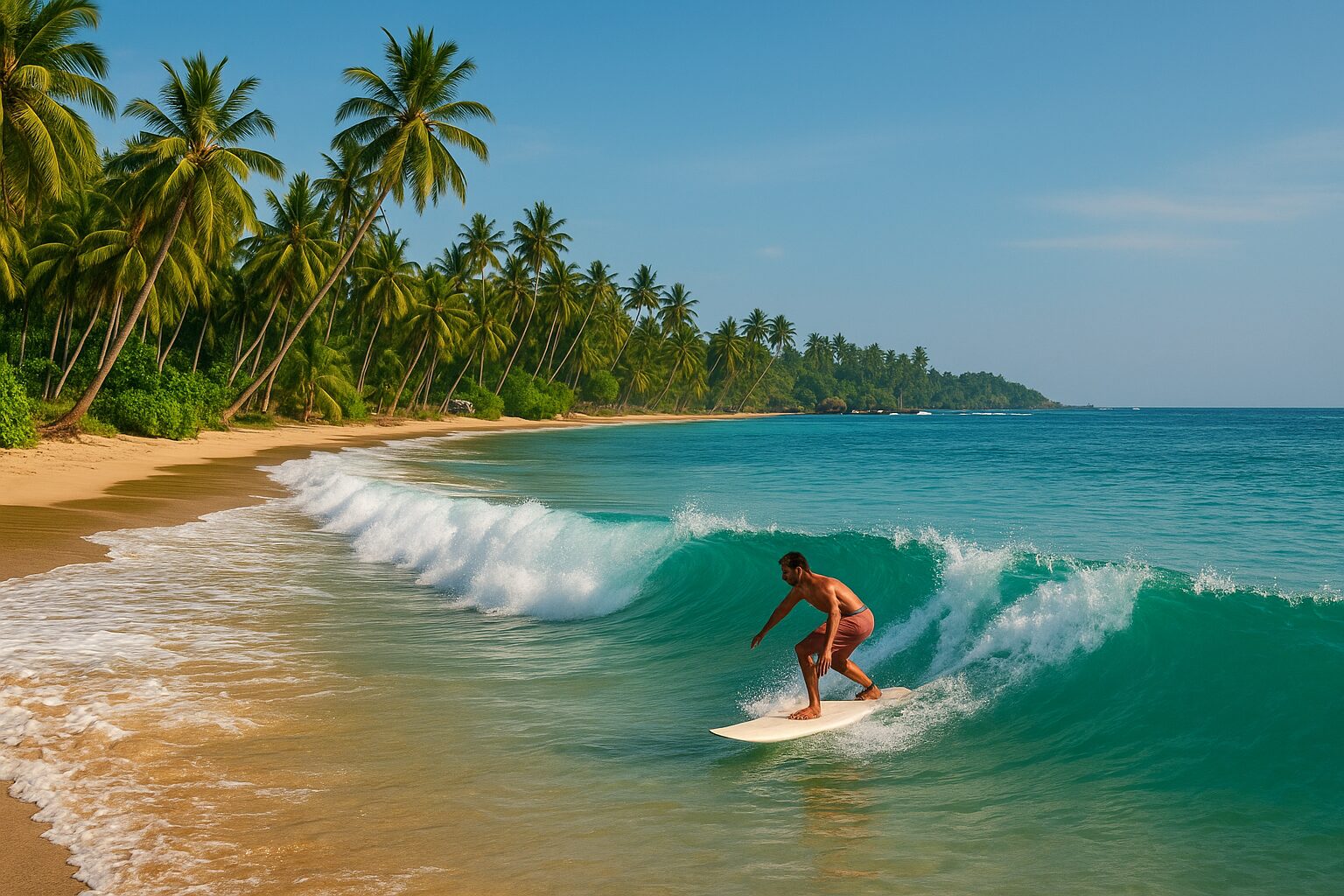
Why Weligama Is a Surfer’s Paradise
Weligama has earned its name — literally translating to “Sandy Village” — as one of Sri Lanka’s best surfing destinations. The long bay offers gentle, consistent waves that roll over a sandy bottom, making it perfect for beginners and intermediate surfers. Unlike reef breaks found elsewhere on the island, Weligama’s main beach is safe, welcoming, and ideal for those learning to balance on a board for the first time.
For advanced surfers, nearby spots like Midigama, Rams, and Lazy Lefts offer more challenging breaks just a few minutes away by tuk-tuk. But the secret to catching the best waves depends entirely on when you visit — and that’s where knowing the best time to visit Weligama becomes essential.
🏄 Planning your surf sessions? Don’t miss our detailed Surfing in Weligama Guide covering the best surf schools, board rentals, and tips for every skill level.
“We took lessons with Freedom Surf School — instructors were patient and the beach was perfect for beginners!” — ⭐ ⭐ ⭐ ⭐ ⭐ (TripAdvisor Review)
See more reviews on Tripadvisor
Peak Surf Season (November to April)
The peak surf season in Weligama aligns with the dry months of the year, from November through April. During this period, the ocean is calm, the wind direction is favorable, and wave conditions are reliable almost every day.
Here’s what makes this window the best for surfers:
-
Gentle Waves for Beginners: The surf is typically 2–4 feet high, ideal for newcomers and surf schools.
-
Clean, Glassy Conditions: Offshore winds from the northeast create smooth, surfable faces early in the morning.
-
Sunshine & Warm Water: Temperatures hover around 28–30°C (82–86°F), and the water feels like a natural spa.
-
Surf Schools in Full Swing: Every morning, the beach fills with boards, instructors, and laughter as surf lessons begin at sunrise.
If you’re looking to learn surfing or want to combine it with yoga and beachside relaxation, this is unquestionably the best time to visit Weligama. The town hums with energy — cafés open early, sunsets bring people to the shore, and surfboards lean against nearly every guesthouse wall.
Off-Season Surfing (May to October)

Between May and October, Weligama’s rhythm changes. The southwest monsoon brings occasional rains and stronger winds, making the sea rougher on some days. However, many local surfers love this period — fewer crowds, empty waves, and the chance to surf without anyone watching.
Here’s what to expect if you visit during these quieter months:
-
Intermittent Surf Days: Some weeks bring perfect clean mornings; others may be too windy.
-
Lower Prices: Surfboard rentals, lessons, and accommodations often drop by 20–40%.
-
Authentic Local Vibe: You’ll meet more Sri Lankan surfers and fewer international travelers.
-
Greener Landscapes: Rainfall turns Weligama’s surroundings lush and alive — the hills, rice fields, and coastal palms glow with color.
Many travelers choose this period when they prefer solitude or are on a budget. Surf instructors remain available year-round, and if conditions aren’t ideal in Weligama, they’ll often take you to nearby sheltered spots on the coast like Ahangama or Madiha.
Monthly Surfing Overview
| Month | Surf Condition | Crowd Level | Best For |
|---|---|---|---|
| November | Consistent waves, sunny skies | Moderate | Returning surfers |
| December | Peak surf, calm ocean | High | Beginners & families |
| January | Excellent all-round | High | Longboarders |
| February | Slightly smaller waves | Moderate | Learners |
| March | Great consistency, warm water | Moderate | Surf + yoga retreats |
| April | Calm mornings, occasional rain | Moderate | Short-term visitors |
| May–June | Choppy with wind | Low | Budget surfers |
| July–August | Rough seas, local surf only | Low | Experienced riders |
| September–October | Improving weather | Low–Medium | Off-season travelers |
Tips for Planning Your Surf Trip
-
Book Lessons Early in Peak Months: Instructors often fill slots from November to March.
-
Bring Reef-Safe Sunscreen: The sun near the equator is intense, and many travelers underestimate it.
-
Early Morning Surfs Are Best: Waves are smoother before 9 a.m., and the wind picks up by midday.
-
Stay Near the Bay: Most surf schools are along Weligama Beach Road; staying nearby lets you walk out to the surf in minutes.
-
Mix Surf with Rest Days: Combine beach mornings with inland excursions — like a day trip to Galle or tea plantations in Deniyaya — to experience more of southern Sri Lanka.
Why This Season Defines the “Real” Weligama
Surfing isn’t just a sport here; it’s a lifestyle that blends seamlessly with daily life. Fishermen paddle past surfers on wooden boats at sunrise. Children ride bodyboards made from old planks. Instructors call out encouragement while the smell of coconut roti drifts from nearby stalls.
When you choose the best time to visit Weligama, you’re also choosing the kind of community you’ll find waiting on the beach. In peak season, it’s lively, social, and international. In the monsoon, it’s quiet, introspective, and deeply local. Both versions are Weligama — just different moods of the same ocean.
Best Time for Sightseeing and Cultural Experiences in Weligama
Beyond the Beach – The Cultural Soul of Weligama
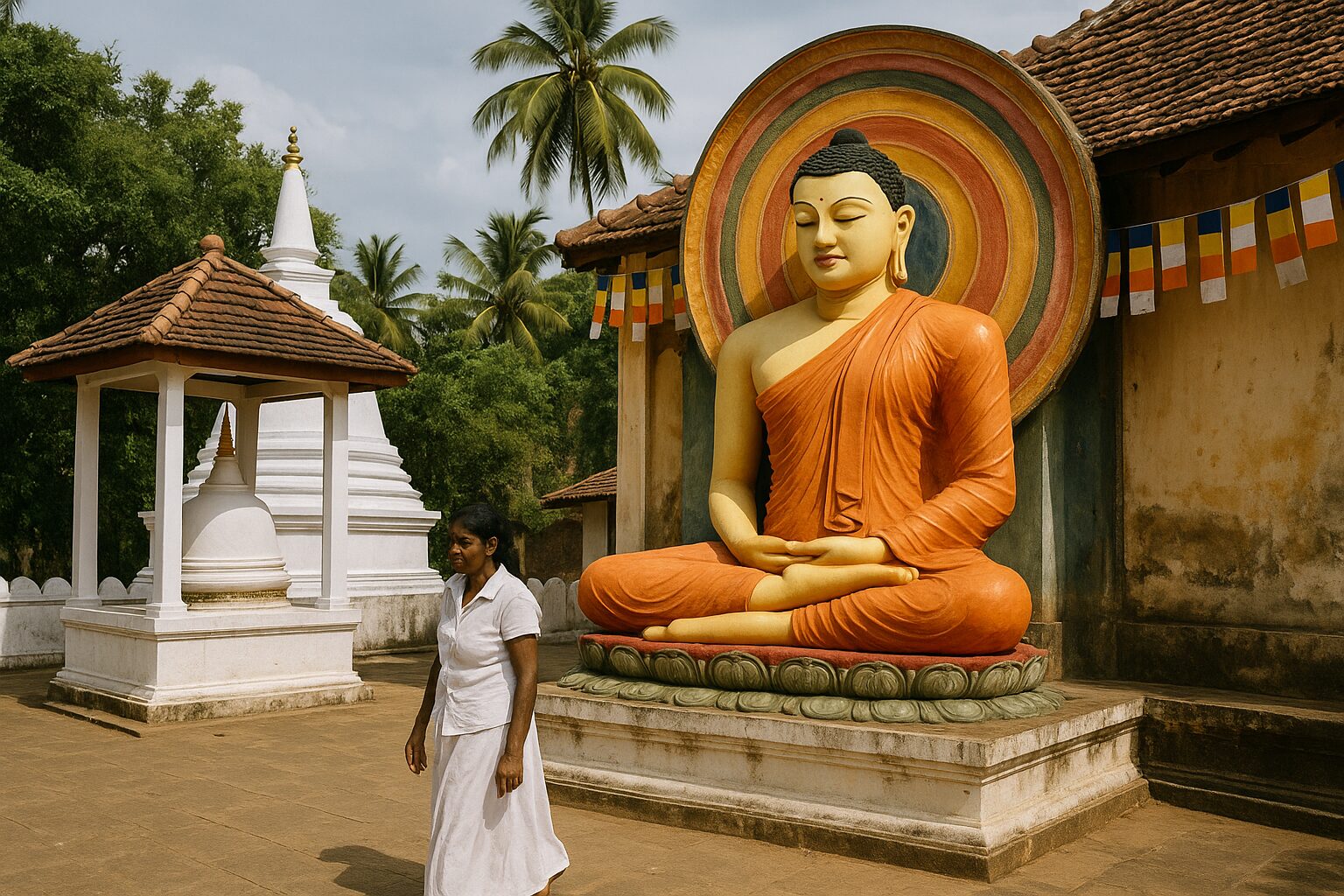
While most travelers arrive with surfboards in mind, Weligama’s real beauty stretches far beyond the waves. This coastal town has deep cultural roots, from ancient temples hidden among palm groves to lively markets where local fishermen trade their early-morning catch. To truly experience its rhythm, timing your visit matters. The best time to visit Weligama for sightseeing and local experiences depends on the kind of traveler you are — whether you chase golden sunrises or cultural immersion.
During the dry season (November to April), days are long and bright, perfect for exploring the countryside, temples, and colonial landmarks. Roads are dry, tuk-tuk rides are smoother, and attractions remain open all day. Between May and October, rain showers are more frequent, but crowds thin out, and you’ll experience Weligama’s local life in its most authentic form.
Exploring Historical and Spiritual Landmarks
Weligama might seem like a modern surf town, but it holds centuries of history quietly embedded in its temples and stone carvings. Two of its most remarkable landmarks — the Kushtarajagala Statue and Agrabodhi Viharaya Temple — reveal a side of Sri Lanka that many visitors overlook.
-
Kushtarajagala Statue (Leper King Statue):
This 6th-century rock carving, believed to represent an ancient king cured of leprosy, stands just inland from Weligama’s main road. Visiting during morning hours between December and March offers the best light for photography and comfortable temperatures. The statue area stays shaded, but humidity can rise quickly after midday. -
Agrabodhi Viharaya Temple:
One of the oldest Buddhist temples in southern Sri Lanka, it comes alive during Poya Days (full moon days) with devotees lighting oil lamps and chanting prayers. The inter-monsoon months (March–April and October) are perfect for cultural travelers — fewer tourists, yet plenty of temple activity. The air feels calm, and the energy around these sites is serene and deeply spiritual.
These months also make it easier to explore barefoot inside temples — something difficult to enjoy during heavy rains.
Best Season for Local Life & Markets
If your ideal trip includes wandering through fish markets, sampling kottu roti at roadside stalls, or watching fishermen pull in their nets at sunrise, visit from December to April. This is when the Weligama Fisheries Market is at its liveliest. You can watch the day’s catch come in at dawn — tuna, snapper, and squid gleaming in silver hues.
In contrast, the off-season months (May–October) reveal quieter mornings, when locals have time for conversation. This is when you can see how daily life flows without the rush of tourism — children cycling to school, monks collecting alms, and fishermen repairing nets under palm trees. For travel photographers, this slower pace is pure gold.
Festivals and Cultural Events
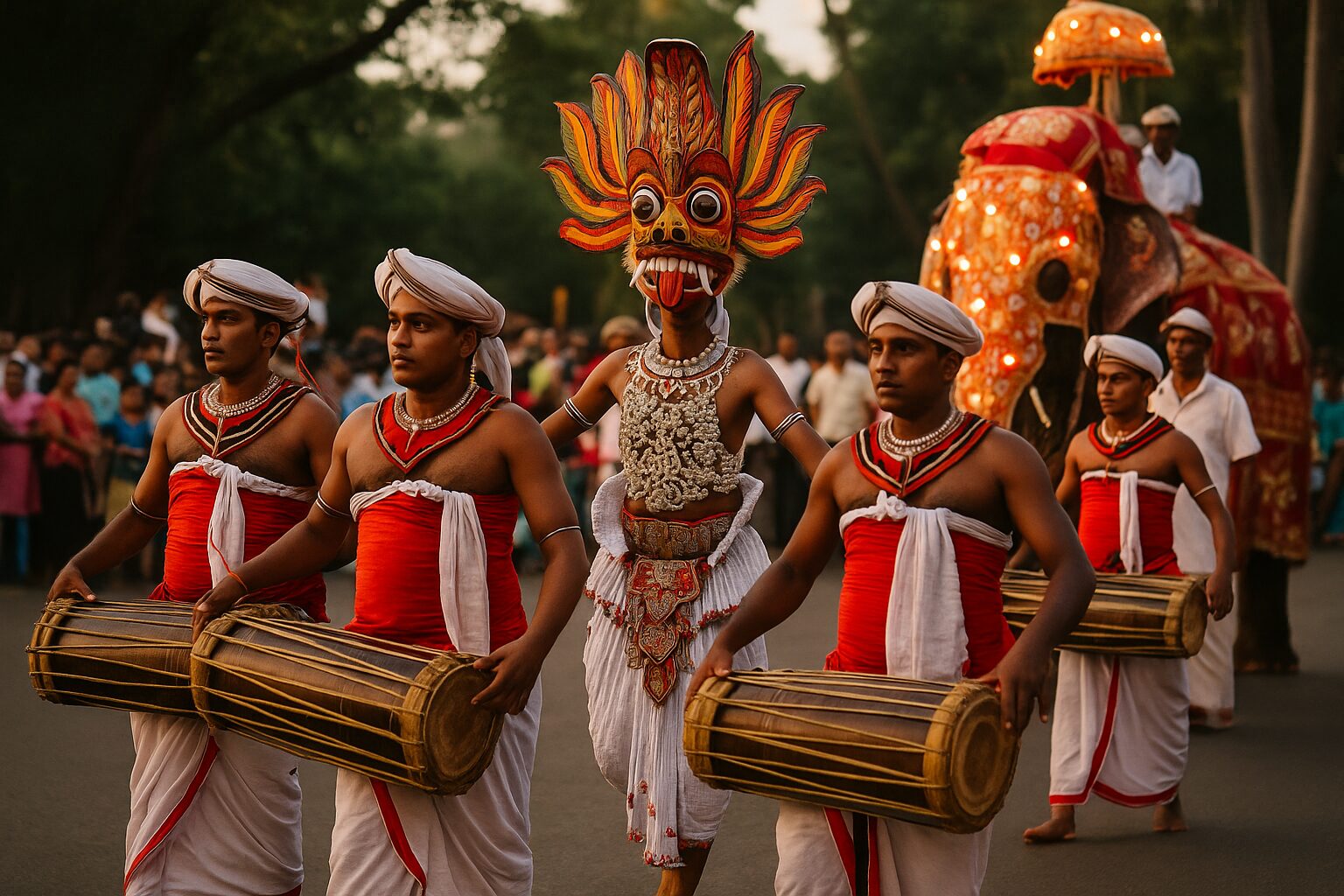
Weligama and nearby Matara district host several cultural events that mark Sri Lanka’s rich heritage.
Here’s when to plan your trip if you want to witness them:
| Event | Month | Experience |
|---|---|---|
| Duruthu Poya | January | Commemorates Buddha’s first visit to Sri Lanka – temples beautifully illuminated. |
| Sinhala & Tamil New Year (Avurudu) | April | Families celebrate with traditional sweets, games, and rituals – a joyous time to visit. |
| Vesak Festival | May | Streets glow with lanterns and temples host free alms-giving events. |
| Kataragama Festival | July–August | Colorful processions and drumming at the sacred Kataragama shrine, reachable on a day trip. |
| Deepavali (Diwali) | October–November | Hindu communities celebrate with lamps and sweets, adding color to coastal villages. |
If you want to experience local joy and generosity, plan your stay during April or May. The combination of festivals, surfable mornings, and bright weather make this period one of the best times to visit Weligama for culture and celebration.
Sightseeing in and Around Weligama
Some of the best experiences happen just a few kilometers beyond town. You can plan short day trips when the weather is favorable:
-
Midigama and Ahangama: Small surf towns nearby where you can mingle with locals and enjoy relaxed beach cafés.
-
Kustharajagala Archaeological Site: Easily reachable by tuk-tuk; mornings from December to February offer great light and cooler air.
-
Handunugoda Tea Estate: A short drive inland, perfect for visiting during March–April before afternoon rain. Here you can sip tea while overlooking cinnamon and coconut plantations.
-
Galle Fort: About 40 minutes away — dry months make exploring the cobblestone streets and ramparts enjoyable without heat exhaustion.
Combining these experiences turns a simple beach holiday into a deeper cultural journey.
A Different Mood in the Monsoon
There’s an undeniable charm in Weligama’s monsoon months. Mist rises from the coconut trees, and the air feels heavy with rain and ocean salt. While sightseeing takes a slower pace, it’s also a chance to observe how locals live with the rhythm of nature. You’ll see temple processions under umbrellas, fishermen waiting out the storms, and children splashing through puddles on their way home from school.
If you enjoy travel that feels immersive and raw, this quieter period — especially June through September — offers rare authenticity. You may not find postcard-perfect sunsets every day, but you’ll discover the soul of Weligama in its simplicity.
Summary
For sightseeing, the best time to visit Weligama is November through April, when roads are dry, temples are accessible, and the weather invites long outdoor days. But for cultural explorers seeking connection rather than convenience, the inter-monsoon months — especially March, April, and October — hold their own magic.
It’s not just about what you see, but how you see it — and Weligama reveals its beauty differently in every season.
Whale Watching Season from Weligama
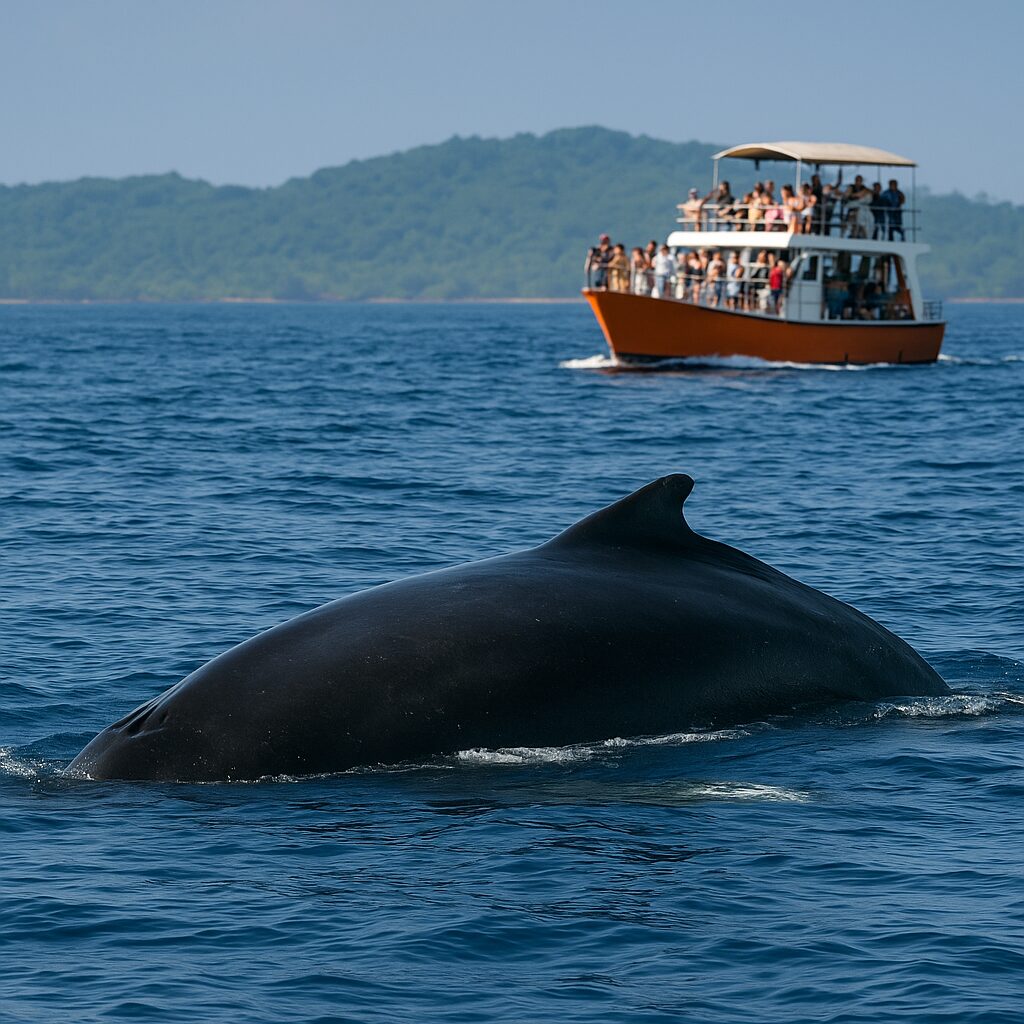
Where Ocean Giants Rule the Horizon
Just a few miles from Weligama lies one of the most magical stretches of ocean in the world — the southern coast of Sri Lanka, where blue whales, the largest creatures on Earth, glide silently through deep sapphire waters. From November to April, this coastline becomes one of the planet’s most reliable whale-watching destinations.
While most tours depart from Mirissa (just 10 minutes from Weligama), staying in Weligama gives travelers a quieter base — less touristy, more relaxed, and still within reach of all the action. Knowing the best time to visit Weligama ensures you’ll catch these gentle giants at their peak migration season.
Everything was amazing! We lack words! Guides, ocean and whales 🐋 We will definitely recommend them to all our friends! – ⭐ ⭐ ⭐ ⭐ ⭐
See more reviews on Tripadvisor
Explore Mirissa Harbor – Whale Watching Departure Point on Google Maps
The Whale Watching Window: November to April
The ideal whale-watching season begins in November and lasts through April, coinciding with Weligama’s dry, sunny months. During this period, the ocean remains calm, visibility improves, and marine life flourishes.
The most commonly sighted species include:
-
Blue Whales – The star attraction, often spotted just 8–12 nautical miles offshore.
-
Sperm Whales – Occasionally seen in deeper waters between February and April.
-
Spinner Dolphins – Travel in playful pods that race alongside the boats.
-
Bryde’s Whales, Orcas, and Pilot Whales – Rare but possible sightings in early season months.
If your trip’s main highlight is a whale-watching tour, the best time to visit Weligama is between December and March, when sightings are most consistent and sea conditions are ideal for half-day boat excursions.
Why Weligama Is a Smart Base for Whale Watching
Most travelers rush to stay in Mirissa, but Weligama offers several quiet advantages:
-
Peaceful Mornings: While Mirissa’s harbor gets busy before dawn, you can enjoy a short tuk-tuk ride from Weligama after breakfast, avoiding the crowds.
-
Better Accommodation Options: Weligama Bay has a variety of mid-range resorts, oceanfront villas, and boutique stays — often more spacious and affordable than Mirissa’s.
-
Local Life Nearby: After your tour, you can spend the rest of the day exploring Weligama’s beaches, markets, or seaside cafés without the rush of a packed tourist town.
-
Convenient Transfers: Boat tour operators frequently offer free hotel pickups from Weligama, making logistics easy.
Choosing Weligama as your base gives you both comfort and calm — and when the ocean calls, it’s only minutes away.
Morning Routine of a Whale-Watching Trip
Most tours begin early, between 6:00 and 6:30 a.m., when the sea is calmest. The experience starts at Mirissa Harbor, where guests board medium-sized vessels equipped with safety gear and life jackets.
As you glide beyond the bay, Weligama’s coastline slowly fades into the horizon, replaced by the open Indian Ocean. The first sighting often comes within the first hour — a spout of mist, then a slow, graceful rise of a blue whale’s back cutting through the waves.
The excitement onboard is electric, but there’s also silence — the kind that only happens when humans realize how small they are beside something so magnificent.
Most tours return by 10:30 or 11:00 a.m., leaving the rest of the day for relaxation or sightseeing. It’s one of those experiences that redefines how you see the ocean.
Ethical Whale Watching – Choose Wisely
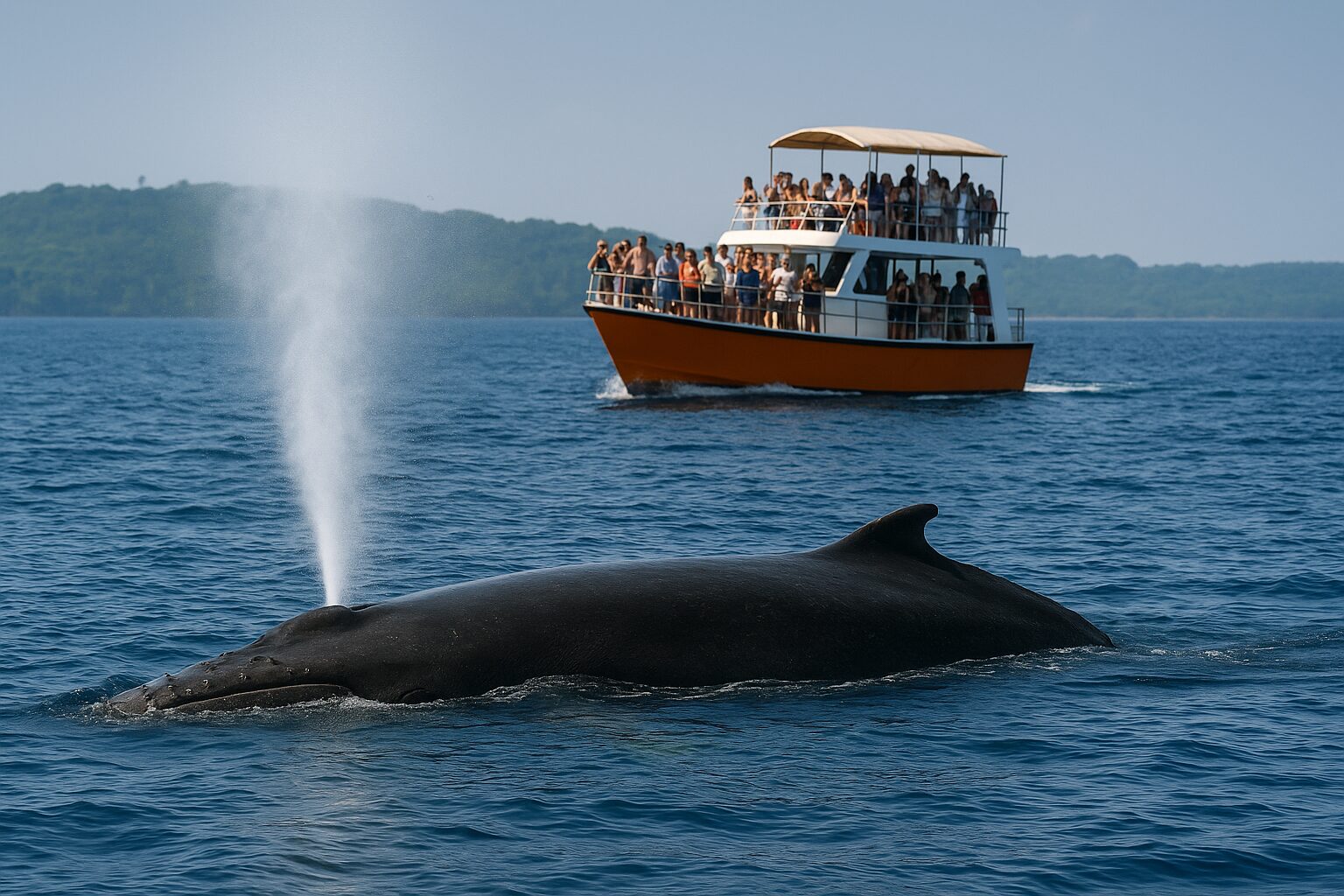
With popularity comes responsibility. Not all tour companies follow the same ethical standards, so choosing the right one matters. Responsible operators maintain safe distances, avoid crowding whales, and limit engine noise.
When booking, look for tours that:
-
Have licensed captains with wildlife permits.
-
Avoid chasing or circling the whales.
-
Limit the number of passengers to under 50 per trip.
-
Provide education about marine conservation.
Some of the most reputable companies also support local environmental projects or beach clean-ups. You can ask your hotel for recommendations — many work with trusted operators that prioritize both safety and sustainability.
Tips for Whale Watching from Weligama
To make the most of this unforgettable experience, consider these travel-tested tips:
-
Go Early in Your Trip: Weather can shift suddenly; having flexibility allows rescheduling if needed.
-
Dress for Sun and Spray: Bring a hat, sunscreen, and light clothing that dries quickly.
-
Take Motion-Sickness Tablets: Even calm seas can cause dizziness for first-timers.
-
Bring Binoculars or a Zoom Lens: Some sightings happen at a distance, and good optics enhance the experience.
-
Avoid Heavy Breakfasts: Stick to tea or fruit before boarding — it helps with balance.
-
Respect the Ocean: Never throw anything overboard, and encourage others to follow suit.
When Not to Go
From May to October, the sea turns rougher under the southwest monsoon. Most whale-watching operators temporarily suspend trips for safety reasons. Although marine life remains offshore, visibility drops, and waves make it harder to enjoy or photograph.
If you plan to visit during these months, you can still enjoy Weligama’s cultural and inland attractions, such as tea estates, temples, and waterfalls. But for whale watching, it’s best to wait for the December–April window, when the weather, sea, and wildlife align perfectly.
A Once-in-a-Lifetime Moment
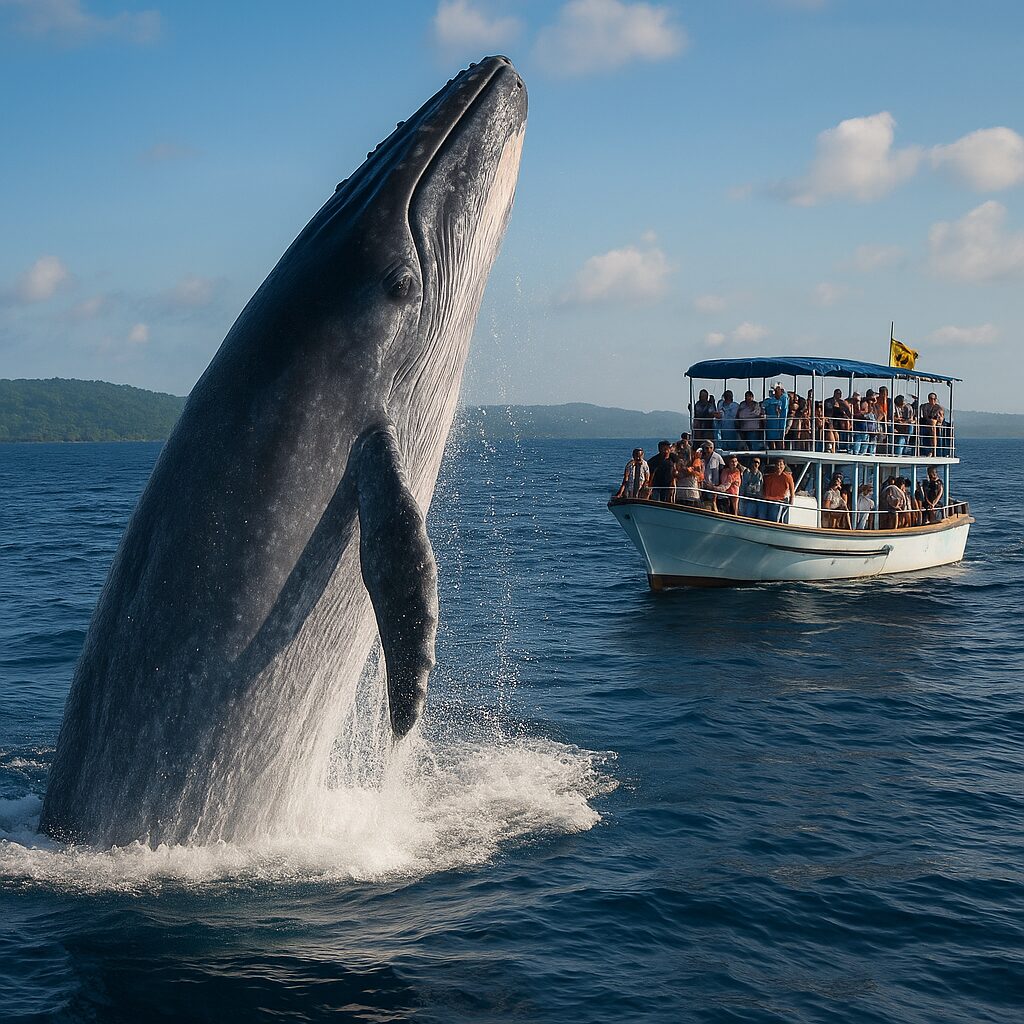
No matter how many times I’ve joined these tours, the thrill never fades. Watching a blue whale’s tail rise and disappear beneath the sea is like witnessing the heartbeat of the planet itself.
That’s why timing your trip right matters — it’s not just about good photos or calm water. It’s about giving yourself the chance to see something so ancient and peaceful that it stays with you forever.
If you ask locals, they’ll say the best time to visit Weligama isn’t just when the weather is good — it’s when the whales return. Because when they do, the entire ocean seems to breathe differently.
Month-by-Month Weather & Travel Breakdown (January – December)
Understanding the best time to visit Weligama becomes easier when you look at the town’s rhythm month by month. Although temperatures stay warm year-round, every few weeks bring subtle shifts — in sea mood, crowd size, and even local traditions. Here’s how the year unfolds along Sri Lanka’s southern coast. Once you’ve picked the right time to visit, the next step is planning your route. Learn about all travel options, from trains and expressway buses to private taxis, in How to Get to Weligama from Colombo.
🌅 January – Perfect Beginnings
January is when Weligama feels like a dream. The sky turns crystal-blue, surf schools overflow with happy beginners, and mornings smell of salt and cinnamon roti. With calm seas and average highs around 29 °C (84 °F), it’s one of the best months to visit Weligama. Whale-watching tours operate daily, and evenings glow with beach bonfires.
If you love energy mixed with relaxation, January sets the tone for your entire year of travel.
🌞 February – Smooth Surf & Golden Evenings
February keeps the sunshine streak alive. The water stays glassy, and gentle offshore winds create ideal surf conditions. Streets stay lively but not overcrowded, making it an ideal time to visit Weligama if you prefer balance — active mornings, quiet sunsets.
Locals celebrate Duruthu Poya (full-moon day), when temples shimmer with lanterns, giving cultural travelers an added reason to linger.
🌴 March – Warm Waves & Balanced Weather
By March, humidity rises slightly, yet the sea remains calm. The southwest monsoon hasn’t arrived, so the surf still rolls in steady sets. Many digital nomads and couples choose this period as the best time to visit Weligama before peak heat.
Mornings are perfect for yoga by the bay; afternoons invite coffee at relaxed beachfront cafés. It’s also the beginning of the inter-monsoon calm — less wind, gentler tides, and softer sunsets.
🌺 April – Festival Season & Local Charm
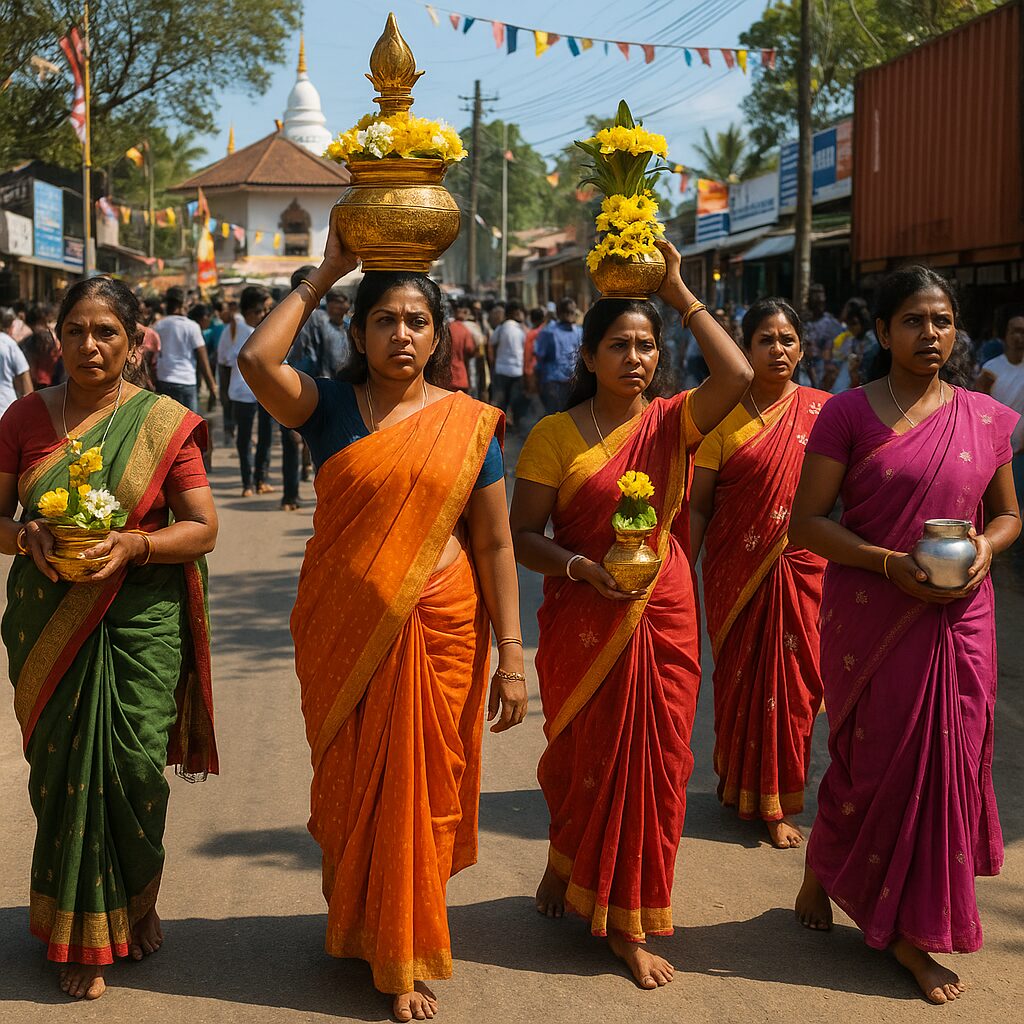
April combines beach life with cultural joy. It’s the month of the Sinhala and Tamil New Year, celebrated with sweet treats and laughter echoing through villages. The air is humid but joyful.
Travelers who arrive now experience genuine hospitality — locals invite you to taste kokis (crispy sweets) or watch traditional games.
If you want immersion more than perfect weather, April is one of those underrated months that still qualifies among the best times to visit Weligama for culture-rich memories.
🌧️ May – Green Hills & Gentle Rain
May signals the start of the southwest monsoon, though showers often come as short bursts followed by sun. The landscape turns emerald, and waterfalls near Deniyaya swell dramatically. Surf conditions fluctuate, but travelers seeking solitude find this period peaceful.
Hotel rates drop up to 40%, making May a budget-friendly time to visit Weligama. It’s ideal for writers, photographers, or anyone who prefers quiet mornings and the rhythmic patter of tropical rain.
🌿 June – Authentic Village Vibes
June continues the wet trend, yet mornings can still surprise you with clear skies. Coconut palms sway under grey clouds, and fishermen mend nets along the bay. This month isn’t everyone’s best time to visit Weligama, but for those chasing authenticity rather than nightlife, it’s deeply rewarding.
Cultural explorers can take inland tuk-tuk rides to temples or spice gardens while enjoying lush greenery few tourists witness.
🌦️ July – Quiet Days & Local Life
In July, Weligama slows down. Waves grow unpredictable, but the calm between showers invites scenic photography. You’ll meet locals at tea shops rather than tourists on surfboards.
If you prefer meditative travel, this could still be your best time to visit Weligama — fewer crowds, soft light for sunrise walks, and the smell of wet earth after afternoon rain. Festivals like Kataragama Perahera also add bursts of color to the region.
☁️ August – Cool Breezes & Lush Landscapes
August marks the monsoon’s heart, yet days often alternate between clouds and sun. The countryside thrives — rice fields glow neon-green and rivers shimmer.
It’s not the peak surf period, but many travelers cherish the calm atmosphere. Families visiting Sri Lanka in summer find Weligama affordable and authentic. This gentle mid-season continues to remind visitors that there’s beauty beyond the textbook definition of the best time to visit Weligama.
🌤️ September – Transition and Tranquility
By September, the rains ease, and daylight lingers longer. Locals start repainting boats, guesthouses reopen, and optimism fills the air. It’s a transition month — part green season, part rebirth.
Those arriving now enjoy moderate prices and slowly improving surf conditions. For photographers or honeymooners seeking peace, September quietly competes for the title of the best time to travel to Weligama before the big crowds return.
🌞 October – Inter-Monsoon Balance
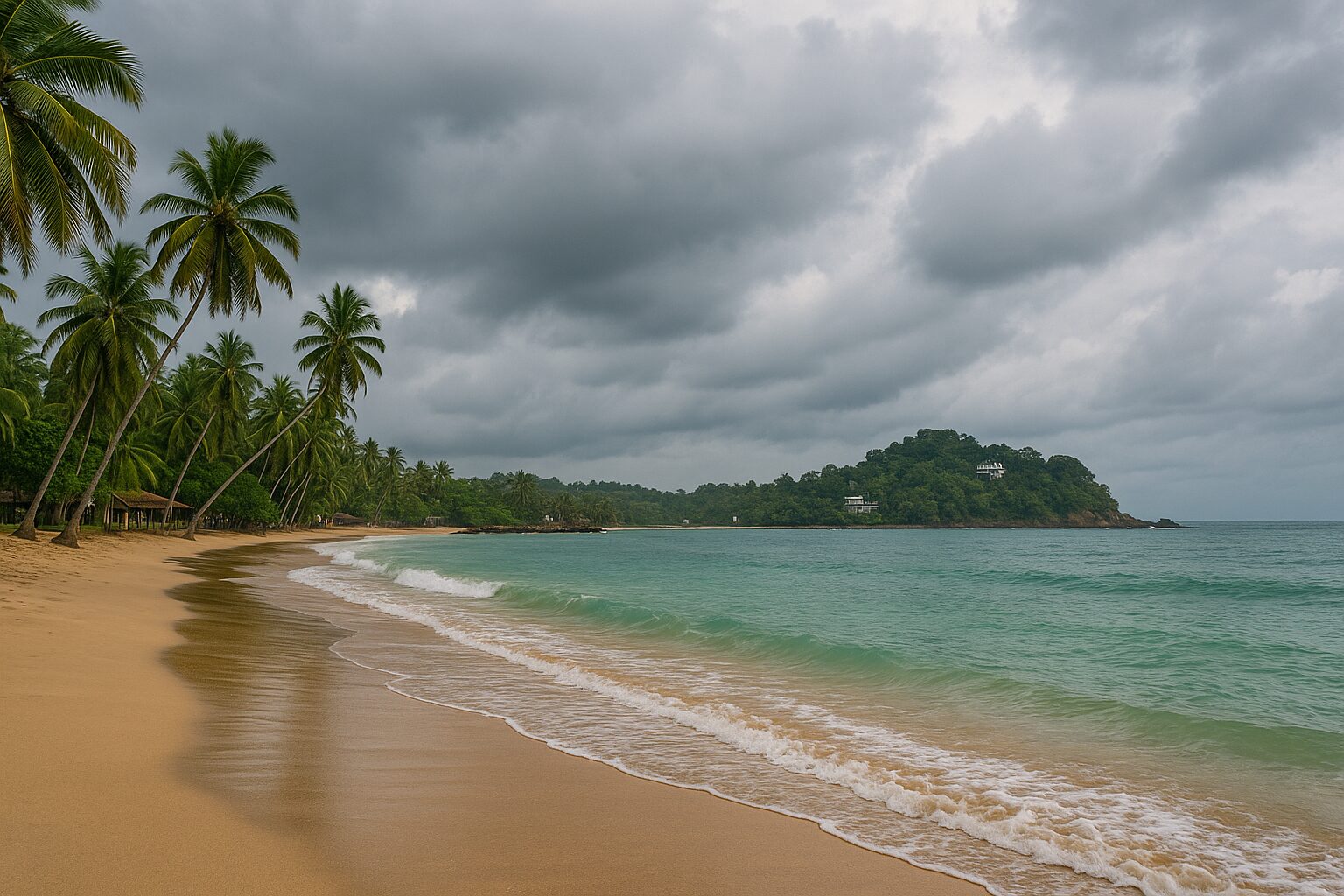
October delivers variety — some of the clearest sunsets and occasional showers. This shoulder period offers a sweet spot between low and high season.
Surfers begin testing the waves again, and festivals like Deepavali bring color to coastal towns. With manageable humidity and fewer tourists, October deserves recognition as an ideal time to visit Weligama for travelers who love flexibility and local contact.
🌊 November – The Ocean Awakens Again
When November arrives, Weligama shifts back into high gear. The ocean settles, the winds calm, and the surf scene awakens. Restaurants reopen, whale-watching boats return, and the air feels newly washed.
This marks the official start of the best time to visit Weligama for classic tropical conditions — blue skies, gentle waves, and vibrant nightlife without chaos.
🎇 December – Festive Beaches & Perfect Weather
December completes the circle with near-flawless weather. The sea sparkles, nights are pleasantly warm, and the town buzzes with holiday travelers. Whale sightings peak, surf schools thrive, and beach cafés host live music under fairy lights.
If you crave the full tropical holiday atmosphere, December is undeniably the best time to visit Weligama — blending sun, sea, and celebration.
In Summary
Every month gifts Weligama a different rhythm:
-
Best overall conditions: December – April
-
Cultural depth & balance: March – April and October
-
Budget-friendly calm: May – September
Whether you choose January’s sparkle or September’s serenity, your own best time to visit Weligama depends on what your heart seeks — energy or stillness, surf or solitude.
Comparing Peak vs Off-Season Travel in Weligama
Two Sides of the Same Ocean
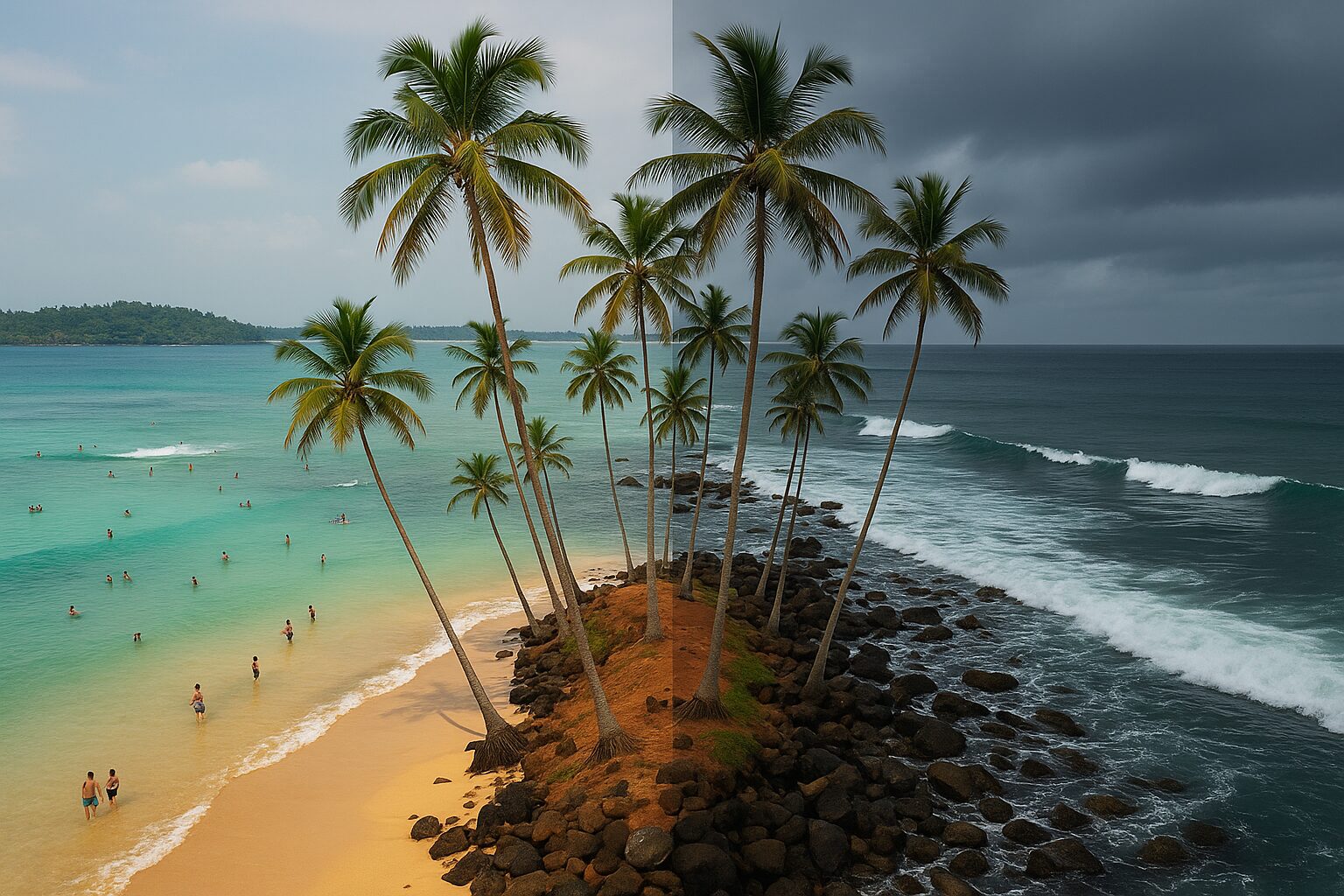
Every traveler eventually asks the same question — When is the best time to visit Weligama?
The answer depends entirely on what kind of experience you want. The southern coast of Sri Lanka lives by two rhythms: the peak season (November to April), when sunshine and surf draw international visitors, and the off-season (May to October), when rains refresh the land and Weligama slows into a quieter, more intimate pace.
Understanding both seasons helps you design your journey around what matters most — adventure, affordability, solitude, or sunshine.
☀️ Peak Season (November to April): The Golden Half of the Year
During Weligama’s dry season, the air is clear, waves consistent, and skies endlessly blue. This is the classic best time to visit Weligama — the period when everything hums with energy.
What to Expect
-
Perfect Beach Days: With calm seas and little rainfall, this is paradise for sunbathing, swimming, and surfing.
-
Lively Town Vibe: Restaurants, cafés, and yoga studios operate at full swing. Street markets bloom with tropical fruits and seafood.
-
Ideal Whale-Watching Conditions: Calm waters between December and March bring daily sightings near Mirissa.
-
Evenings by the Bay: Golden sunsets draw locals and travelers together; live music floats from beachfront lounges.
For first-time visitors, this is the ideal time to visit Weligama if you want everything open, social, and picture-perfect. However, popularity comes with higher prices and busier beaches.
Pros
-
Reliable weather and surf
-
Great nightlife and dining
-
Easy transport and day-trip options
-
Whale-watching guaranteed
Cons
-
Accommodation prices increase 30–50%
-
More crowded beaches and tours
-
Advance bookings required for top stays
🌧️ Off-Season (May to October): Weligama’s Quiet Soul
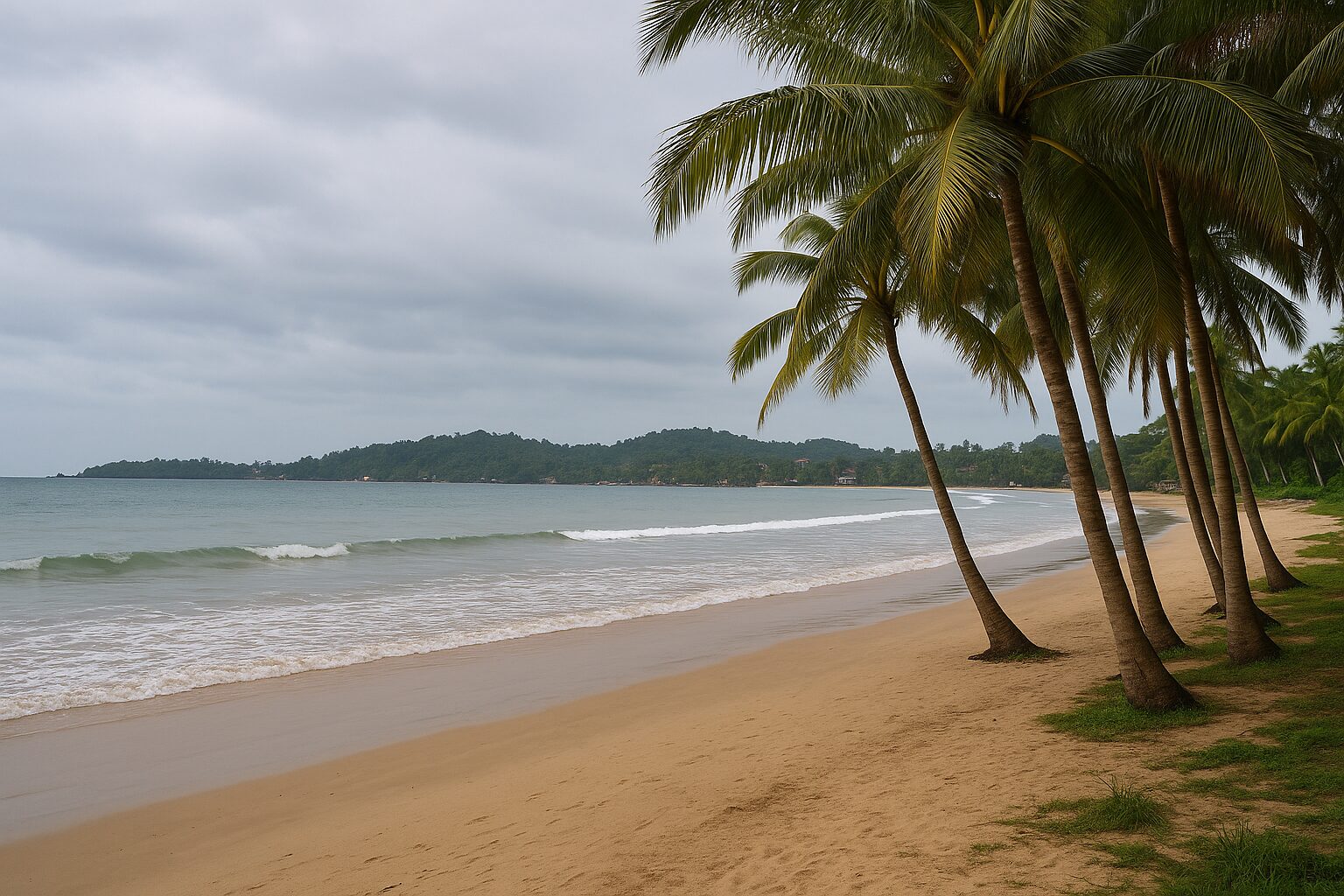
When the southwest monsoon arrives, Weligama transforms. Afternoon rains sweep across the bay, palm trees shimmer with dew, and the hills behind town turn emerald green. Tourists thin out, prices drop, and the town regains its tranquil rhythm.
For many repeat travelers, this is still one of the best times to visit Weligama — just for different reasons.
What to Expect
-
Lower Prices & Empty Beaches: Villas that cost $120 a night in January may drop below $70.
-
Mornings of Light, Afternoons of Rain: Showers rarely last all day, often clearing by evening.
-
Local Interaction: With fewer visitors, conversations with café owners and fishermen feel more personal.
-
Lush Scenery: Rice paddies, coconut groves, and waterfalls reach their greenest shades.
It’s a peaceful season ideal for digital nomads, writers, or couples seeking calm rather than constant activity.
Pros
-
Great deals on hotels and tours
-
Authentic local experiences
-
Cooler temperatures in evenings
-
Beautiful landscapes for photography
Cons
-
Rougher seas, limited swimming
-
Fewer whale-watching tours
-
Some surf schools and cafés close for maintenance
Choosing Between Seasons
If you dream of surf lessons at sunrise, cocktails at sunset, and an upbeat atmosphere, choose November to April — undoubtedly the best time to visit Weligama for full vibrancy.
But if you prefer reading under palm trees while waves crash softly in the background, May to October brings that rare sense of solitude. Many long-stay travelers plan their trips around both: they arrive in April to enjoy the tail end of the dry season, stay through the early monsoon, and experience the coast’s changing moods.
In truth, there’s no single perfect month. The charm of Weligama lies in how the same bay can feel completely different — loud and lively one month, calm and contemplative the next.
Activities by Season
| Experience | Peak Season (Nov–Apr) | Off-Season (May–Oct) |
|---|---|---|
| Surfing | Best waves & schools open | Variable, fewer classes |
| Whale Watching | Excellent (Dec–Mar) | Rare, tours paused |
| Cultural Tours | Great weather for temples | Fewer crowds, greener views |
| Beach Cafés | All open, lively | Quiet, limited hours |
| Prices | High, early booking needed | Low, great discounts |
| Mood | Social, festive | Peaceful, local |
This table helps visualize how your priorities align with each season. Surfing and sunshine? Go between December and March. Quiet reflection or budget travel? Aim for June or September.
Balancing Both Worlds
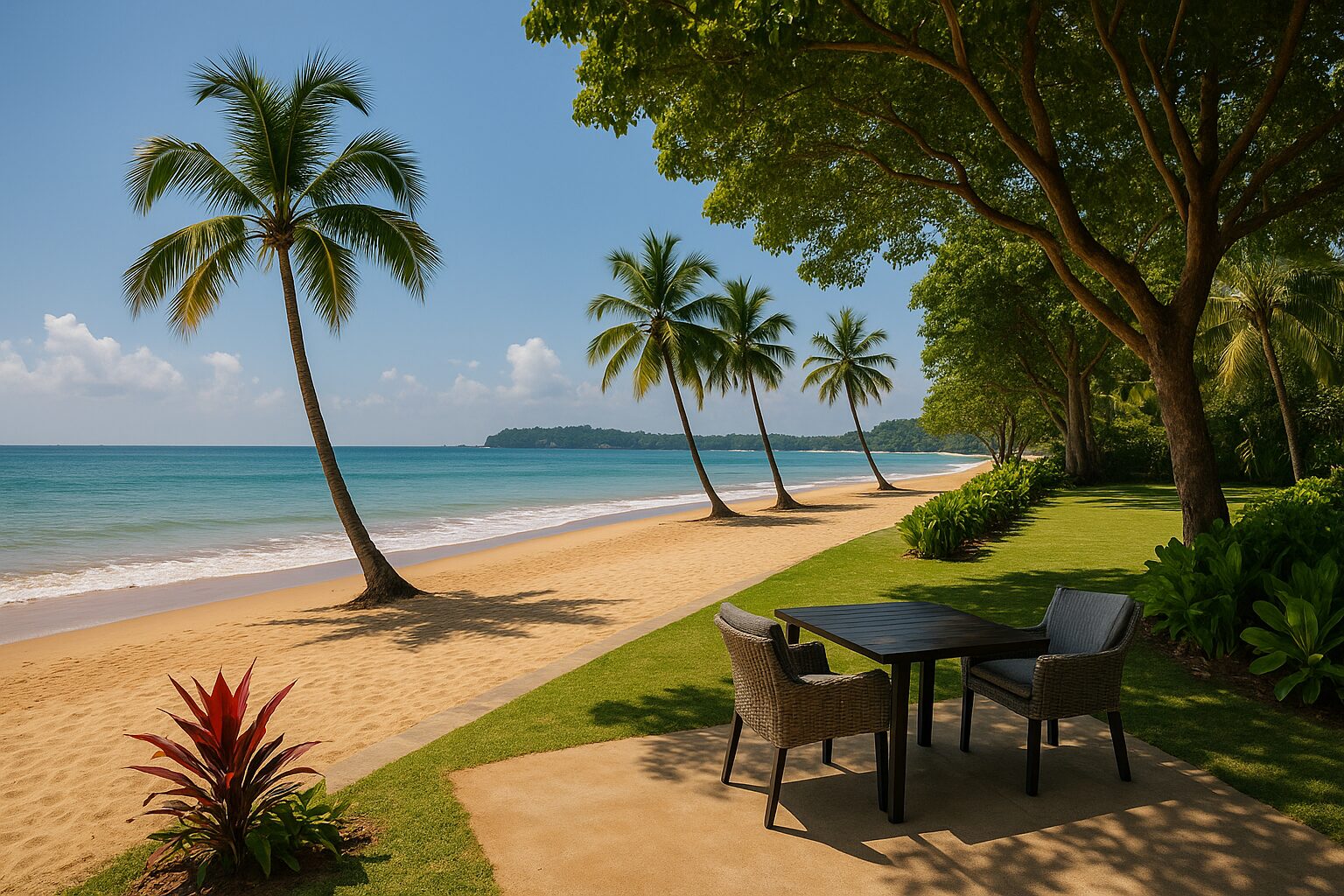
For travelers with flexible schedules, consider the shoulder months — March–April and October–November. These transition periods often blend the best of both seasons: good surf, moderate prices, and manageable crowds.
Locals often call these windows “the breathing months,” when Weligama resets between tourist waves. Visiting now often feels more personal — you’ll see familiar faces at cafés, chat longer with instructors, and enjoy the town’s natural rhythm.
These shoulder months deserve recognition as part of the best time to visit Weligama, especially if you value balance and authenticity over perfect conditions.
Final Thought – It’s About Mood, Not Just Weather
Weligama doesn’t close when the rain comes or wake only when the sun shines. It simply changes character.
-
In the dry months, it’s a social escape of surf, sound, and sunsets.
-
In the monsoon, it’s a sanctuary — green, quiet, and grounding.
Your best time to visit Weligama depends on which version of yourself you want to meet: the adventurer chasing waves or the wanderer chasing peace.
Either way, the ocean is always waiting — only its tone changes.
Budget Traveler’s Best Time to Visit Weligama
When Paradise Becomes Affordable
If you’ve ever dreamed of sipping coconut water on a Sri Lankan beach without emptying your wallet, Weligama makes that dream real. The secret lies in timing your trip during the best time to visit Weligama for budget travelers — the months when crowds thin, room rates fall, and the town reveals its slower, friendlier side.
While most tourists chase sunshine from December to April, those who visit between May and October often discover the same paradise for nearly half the price.
🏨 Looking for where to stay during your trip? Explore our handpicked Best Hotels & Villas in Weligama for every budget and travel style.
💰 The Off-Season Advantage
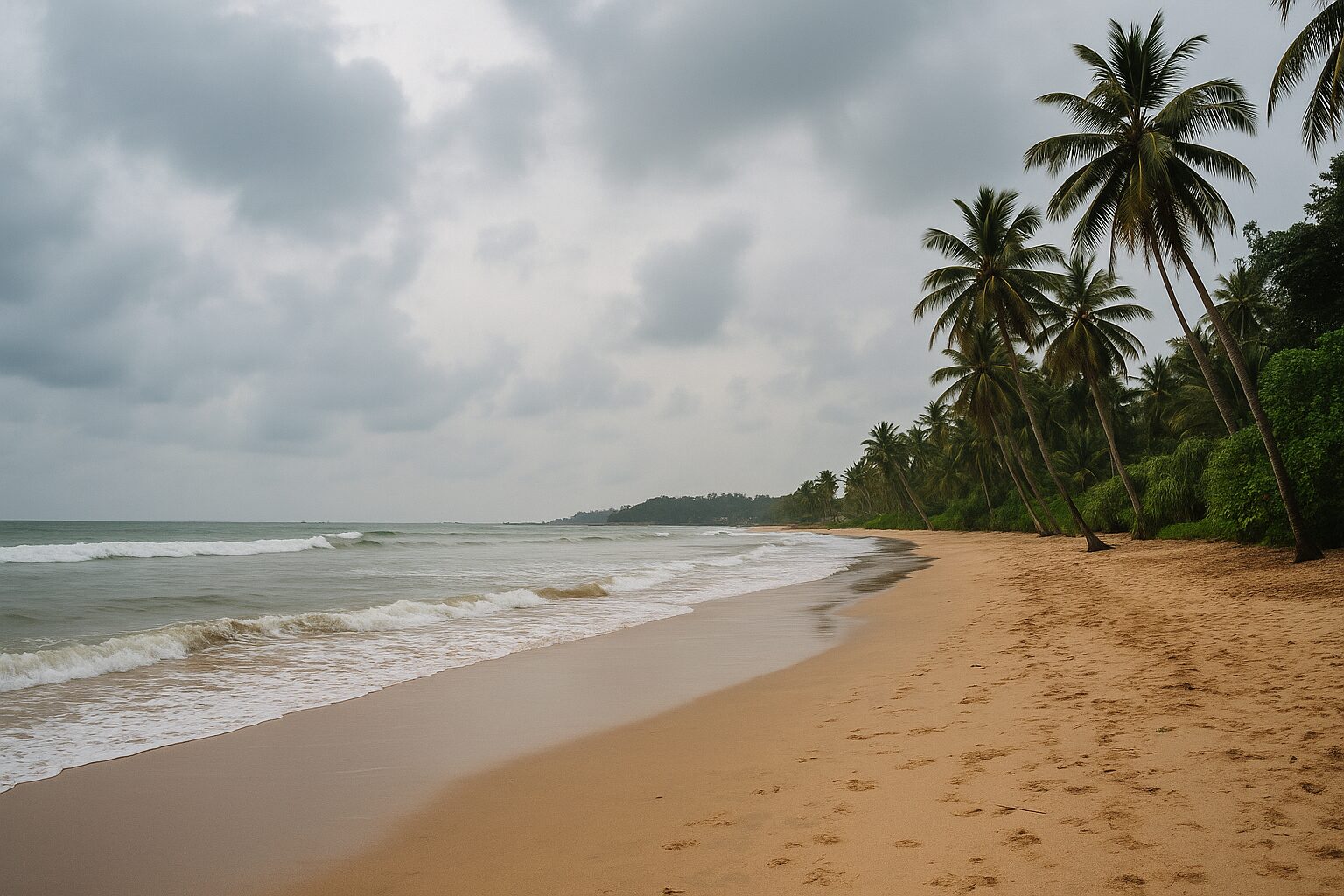
The southwest monsoon months (May–October) transform Weligama into a quiet coastal retreat. Light rain in the afternoons keeps the heat pleasant, and hotels compete for guests by offering irresistible discounts.
Here’s why this period can be the best time to visit Weligama on a budget:
-
Lower Accommodation Rates: Boutique villas and beachfront guesthouses often reduce prices by 30–50%.
-
Flexible Booking: You don’t need to reserve months in advance — walk-ins are common and welcome.
-
Cheaper Surf Lessons: With fewer students, instructors lower rates and offer one-on-one coaching.
-
Discounted Meals: Local cafés and restaurants frequently run off-season specials for residents and long-stay visitors.
For digital nomads or long-term travelers, this means you can extend your stay, slow down, and actually live by the sea instead of just vacationing there.
🌧️ What the Off-Season Really Feels Like
Contrary to myths, “monsoon” doesn’t mean endless rain. In Weligama, showers usually arrive in short bursts — a dramatic downpour followed by warm sunshine. Mornings are often calm, making it easy to surf, explore, or enjoy yoga sessions outdoors.
Locals will tell you that the off-season is when Weligama feels most authentic. Fewer tourists mean you’ll share cafés with fishermen, artists, and surf instructors swapping stories rather than rushing through lessons.
This is also the ideal time to visit Weligama for travelers who enjoy solitude, slow mornings, and meaningful interactions rather than tight itineraries.
🧳 Smart Tips for Traveling Cheap
Even outside the main tourist months, a few practical tricks can make your trip even more cost-effective:
-
Book Locally, Not Online: Many small guesthouses offer better walk-in rates than global booking sites during the off-season.
-
Share Rides: Tuk-tuks between Mirissa, Ahangama, and Weligama are cheaper when shared — locals are often happy to split costs.
-
Eat Where Locals Eat: Skip tourist menus. Try roti shops or beachside rice-and-curry stalls where meals cost under $2.
-
Use Weekly or Monthly Rentals: For long stays, ask your host about discounted rates for extended bookings.
-
Pack Light: With daily laundry services available, you can travel with half the usual baggage and save on airline costs.
These strategies not only stretch your money but also immerse you in daily Sri Lankan life — a reward beyond savings.
🏄 Free or Low-Cost Things to Do
Even when traveling light on money, you’ll never run out of things to experience.
Here are activities that cost little or nothing, yet capture the essence of Weligama:
-
Sunrise Beach Walks: The shoreline is calm early in the morning — a photographer’s dream.
-
Visit Kushtarajagala Temple: Free entry to an ancient rock carving surrounded by greenery.
-
Local Market Tours: Browse tropical fruits, spices, and handmade crafts at the Weligama Fish Market or nearby Matara.
-
Ludovisi Point Lookout: A quiet coastal viewpoint where you can watch waves roll endlessly toward the bay.
-
Join Local Events: Many guesthouses organize free cooking lessons or movie nights for guests in slower months.
This slower pace lets you see how the town breathes outside its glossy, high-season image. During the dry season, when the sea turns calm and clear, make time to discover a few hidden beaches near Weligama — they’re ideal for peaceful swims and sunset walks away from the crowds.
🍲 Food & Lifestyle on a Budget
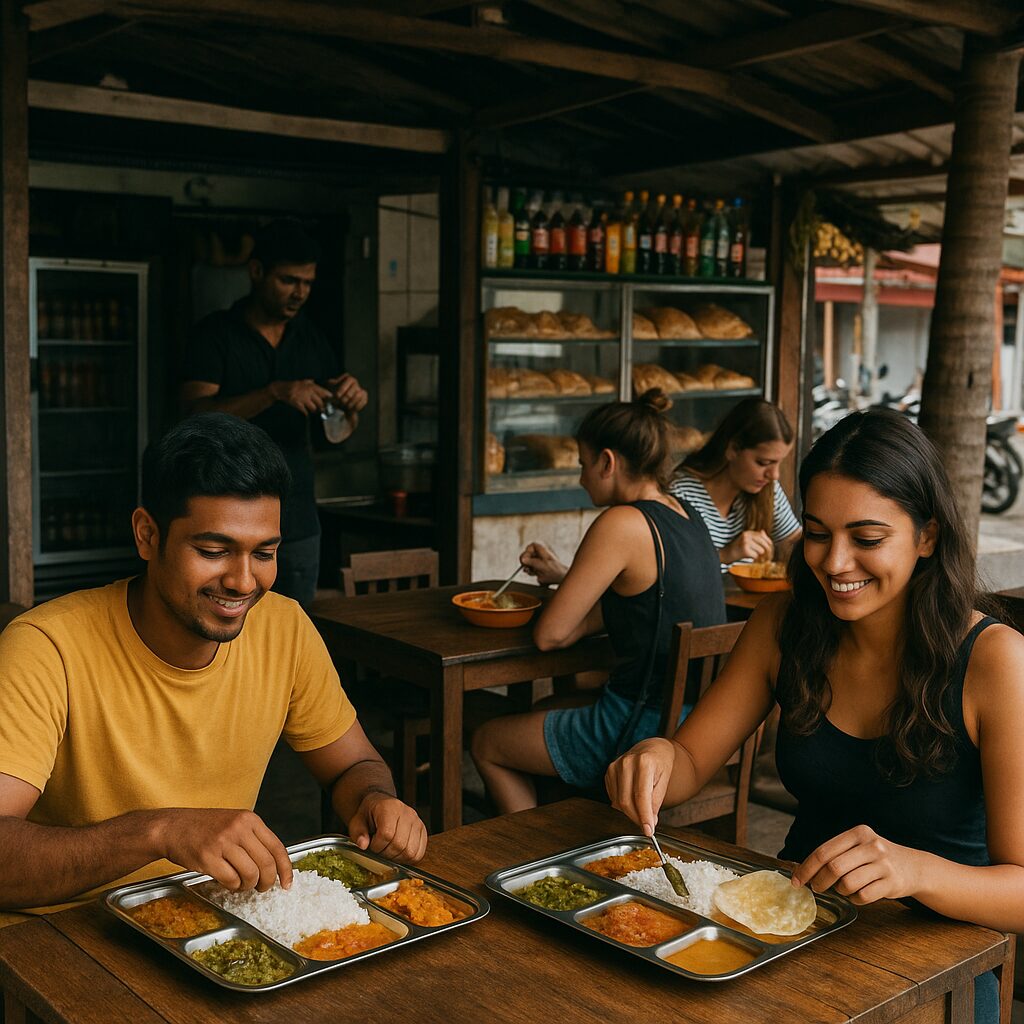
Eating well in Weligama doesn’t require a big budget. Street stalls serve coconut pancakes (pol roti), kottu roti, and dhal curry for a fraction of what resort menus charge.
During the off-season, café owners often strike up conversations with guests, sharing stories about fishing, surfing, or the monsoon patterns that guide their year. These moments create the kind of connection that money can’t buy.
Many long-stay travelers say the best time to visit Weligama for real community living is from June to September — when locals have more time, rent is lowest, and everything moves at the rhythm of the tides.
🌅 When Budget Travel Meets Tranquility
There’s a quiet magic in being here when others aren’t. You’ll wake up to the sound of rain on palm leaves, walk down a beach that feels private, and sip tea while fishermen pull their nets under misty skies.
Budget travel in Weligama isn’t about compromise — it’s about choosing presence over perfection. It’s about realizing that sometimes, the best time to visit Weligama isn’t when everyone else comes, but when it’s just you, the ocean, and the hum of a small coastal town at rest.
Local Events and Festivities in Weligama
When Culture Paints the Coast
Timing your trip around Sri Lanka’s festivals can completely transform your experience of Weligama. Beyond surfing and beaches, this coastal town thrives on rhythm, ritual, and celebration. Understanding the local calendar helps you not only find the best time to visit Weligama, but also connect with the heart of its culture.
Weligama’s community life revolves around Buddhist Poya Days, Hindu celebrations, and island-wide festivals that blend color, tradition, and hospitality. Whether you arrive during a lantern-lit full moon or the joyous Sinhala and Tamil New Year, every season carries its own charm.
🌕 Monthly Poya Days – The Soul of the South
Each full moon day, known locally as Poya, holds spiritual significance across Sri Lanka. These days mark key events in the life of the Buddha, and Weligama’s temples come alive with offerings, chanting, and quiet devotion.
If you’re searching for the ideal time to visit Weligama to witness authentic Buddhist rituals, plan your stay around these Poya dates.
Locals dress in white, light oil lamps, and visit temples like Agrabodhi Viharaya and Kushtarajagala Temple early in the morning. Travelers are welcome to observe respectfully, and many describe the experience as deeply peaceful — a glimpse into Sri Lanka’s spiritual heartbeat.
Notable Poya Days to Experience:
-
Duruthu Poya (January): Marks Buddha’s first visit to Sri Lanka. Temples are illuminated with lanterns and flags.
-
Vesak Poya (May): The most beautiful festival of the year, celebrating Buddha’s birth, enlightenment, and passing. Streets glow with handmade paper lanterns and “dansal” (free food stalls).
-
Poson Poya (June): Commemorates the introduction of Buddhism to Sri Lanka — a time of reverence and pilgrimage.
Visiting during these times offers something beyond sightseeing — it’s a spiritual calm that defines the best time to visit Weligama for introspective travelers.
🎉 Sinhala and Tamil New Year – April’s Joyful Rebirth
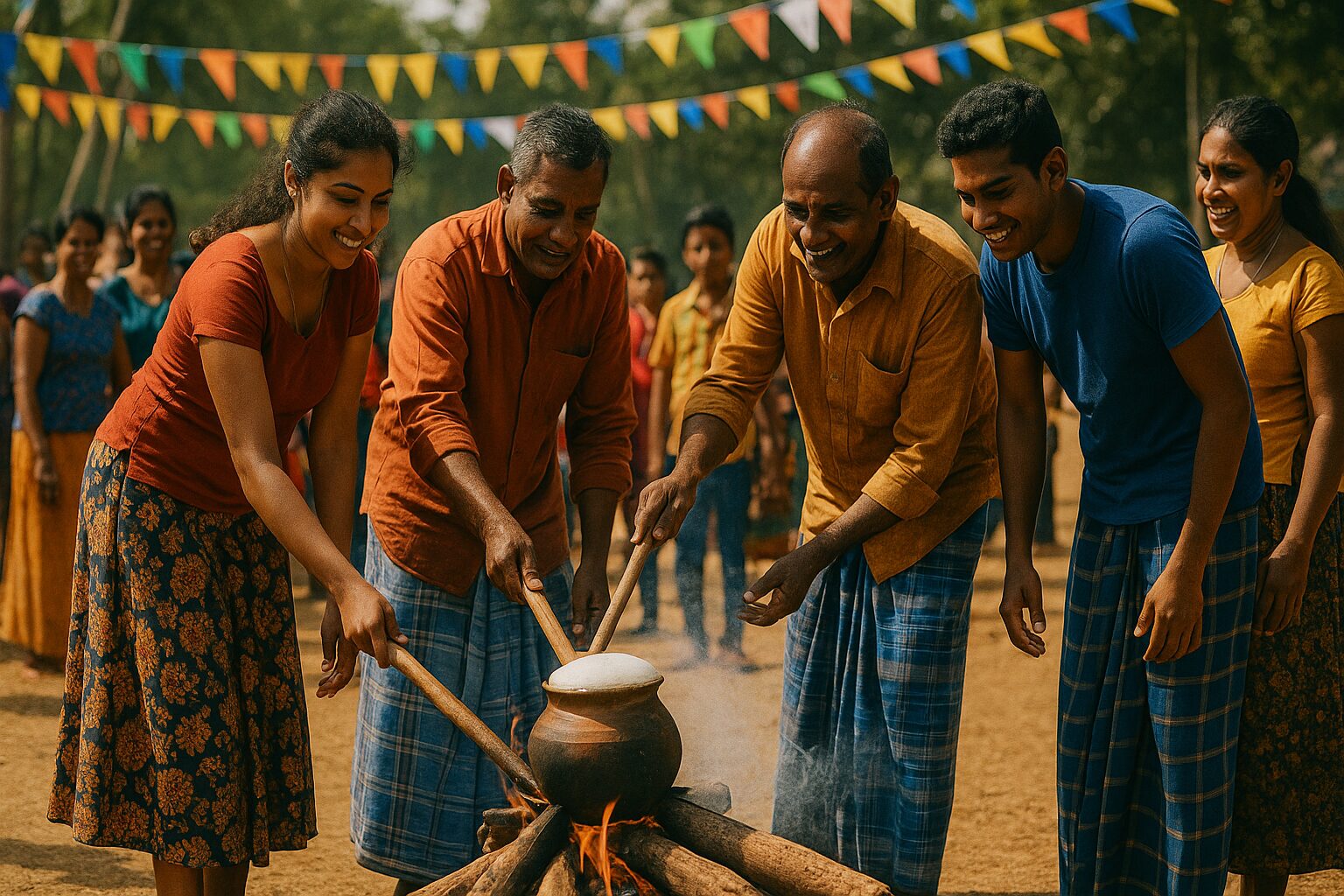
Every April, Weligama bursts with life for the Sinhala and Tamil New Year (Avurudu). Families clean their homes, light oil lamps, and prepare sweet treats like kokis and kavum. It’s one of the most heartfelt cultural experiences you can witness in Sri Lanka.
In Weligama, you’ll see children playing traditional games on the beach, families sharing meals outdoors, and the entire town wrapped in laughter. For cultural travelers, this is arguably one of the best times to visit Weligama, combining warm weather with island-wide celebration.
Pro Tip:
Hotels and guesthouses often organize Avurudu-themed buffets or invite guests to join cooking sessions. Participating in one will give you a true taste of Sri Lankan hospitality.
🎏 Vesak Festival – Light and Compassion
If there’s one festival that defines Sri Lanka’s beauty, it’s Vesak in May. Streets glow with paper lanterns in the shapes of stars, lotus flowers, and temples. Weligama’s smaller lanes and coastal roads shimmer with soft light reflected on the sea.
Even though May marks the start of light rains, Vesak alone makes this period one of the most enchanting times to visit Weligama. Locals hand out free food and drinks as acts of merit — from rice packets to sweet herbal tea known as belimal. The town feels united under a canopy of kindness.
🎶 Kataragama and Esala Festivals – The Spirit of Devotion
From July to August, southern Sri Lanka celebrates Kataragama Perahera, a grand procession honoring the Hindu god Skanda. Drummers, dancers, elephants, and devotees parade through nearby towns in a vibrant display of devotion.
Although the main celebration happens in Kataragama (about 3 hours from Weligama), the energy echoes across the south. Many travelers staying in Weligama take day trips to witness the spectacle — a truly unforgettable experience for anyone interested in spirituality and culture.
During these months, Weligama itself slows down with the rains, but for cultural explorers, this still counts as one of the best times to visit Weligama for tradition and authenticity.
🪔 Deepavali and Christmas – Festival of Lights & Global Cheer
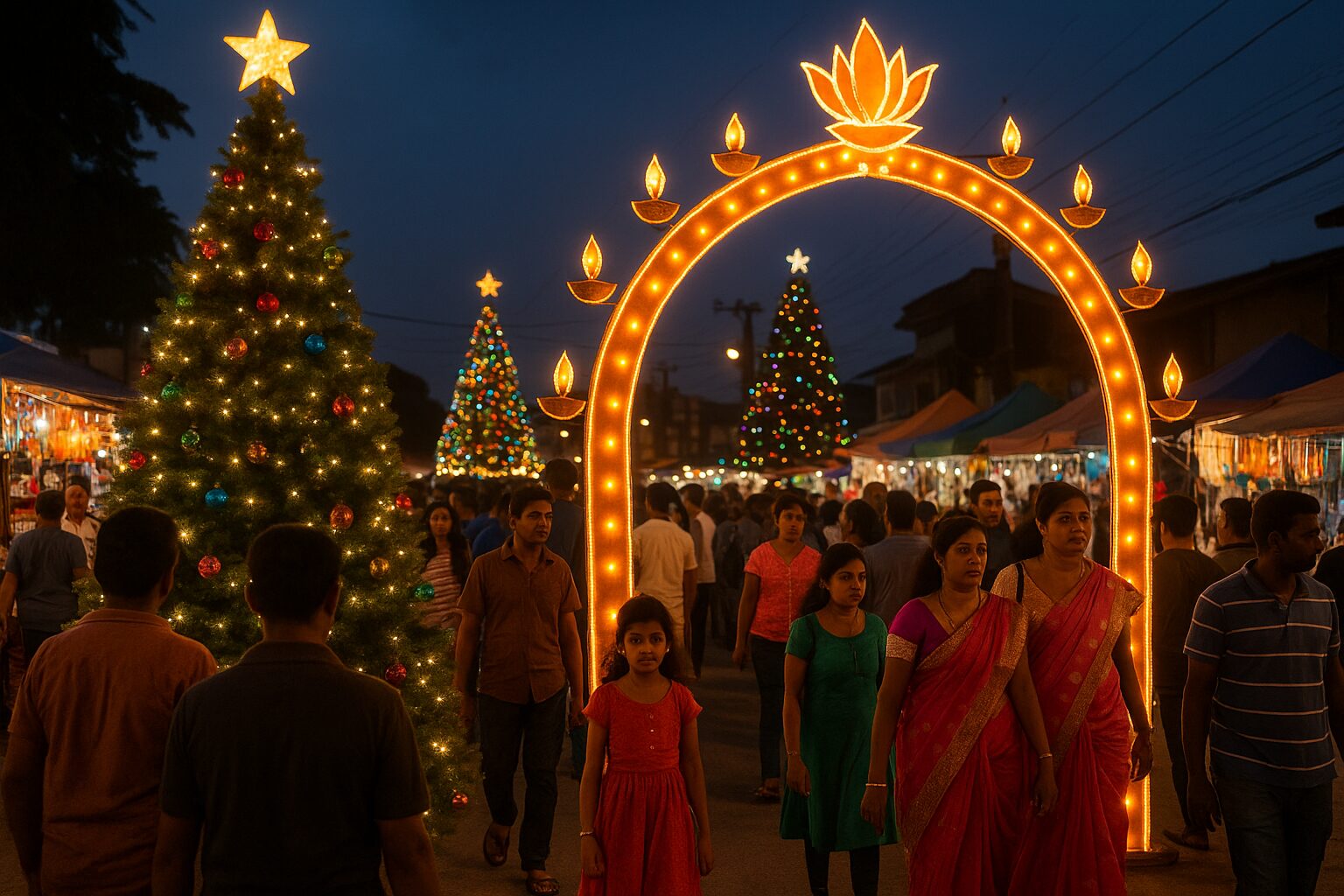
As October and November arrive, Sri Lanka transitions into its second festival season.
-
Deepavali (Diwali): Hindu families light lamps to celebrate the triumph of light over darkness. The nearby town of Matara hosts beautiful night scenes filled with candles and sweets.
-
Christmas: With Sri Lanka’s mixed cultural heritage, coastal towns like Weligama also decorate trees and host beachfront dinners. The festive lights reflect off the sea, creating a warm, universal spirit of joy.
Both these holidays overlap with the start of the high season, making late October to December an ideal time to visit Weligama for those who want both cultural and coastal celebrations.
🎇 The Year in Festivals – At a Glance
| Month | Festival/Event | Experience |
|---|---|---|
| January | Duruthu Poya | Lanterns, temple rituals, calm seas |
| April | Sinhala & Tamil New Year | Traditional sweets, family games |
| May | Vesak Festival | Paper lanterns, free food stalls |
| July–Aug | Kataragama Festival | Drumming, dancing, sacred parades |
| October | Deepavali | Lamps and sweets |
| December | Christmas | Beachfront celebrations, music nights |
The Joy of Timing It Right
Festivals in Weligama aren’t just events — they are stories told through light, sound, and community. By aligning your trip with one of these celebrations, you experience the island’s warmest hospitality and spiritual depth.
For cultural travelers, April to May and October to December easily qualify as the best time to visit Weligama, combining heritage, kindness, and color. Each celebration reminds you that this coastal town is not only about waves and sunsets — it’s also about people who celebrate life as beautifully as they live it.
My Personal Recommendation – When I Love Weligama Most
Moments That Define Weligama
Every traveler eventually finds a moment in Weligama that becomes theirs — a quiet sunrise, a coconut shared with a stranger, a long wave that carries you further than expected. After years of visiting during different seasons, I’ve realized that the best time to visit Weligama isn’t just about sunshine or surf reports. It’s about connection — with nature, with locals, and with the rhythm of the coast.
Why I Return in March
If I had to choose one month that captures everything beautiful about this town, it would be March. The air is still dry, the ocean stays warm, and the mornings unfold in golden light. You can surf before breakfast, wander to the market before lunch, and sit by the shore in the evening with only the hum of waves for company.
Crowds from December have thinned, prices start to ease, and locals have more time to chat. It’s what I call the breathing season — the weeks when Weligama exhales after the busy months and becomes herself again.
This balance of energy and calm makes March, in my view, the ideal time to visit Weligama. You get the comfort of dry weather, the thrill of surf, and the peace that comes with less noise.
The Sound of the Town
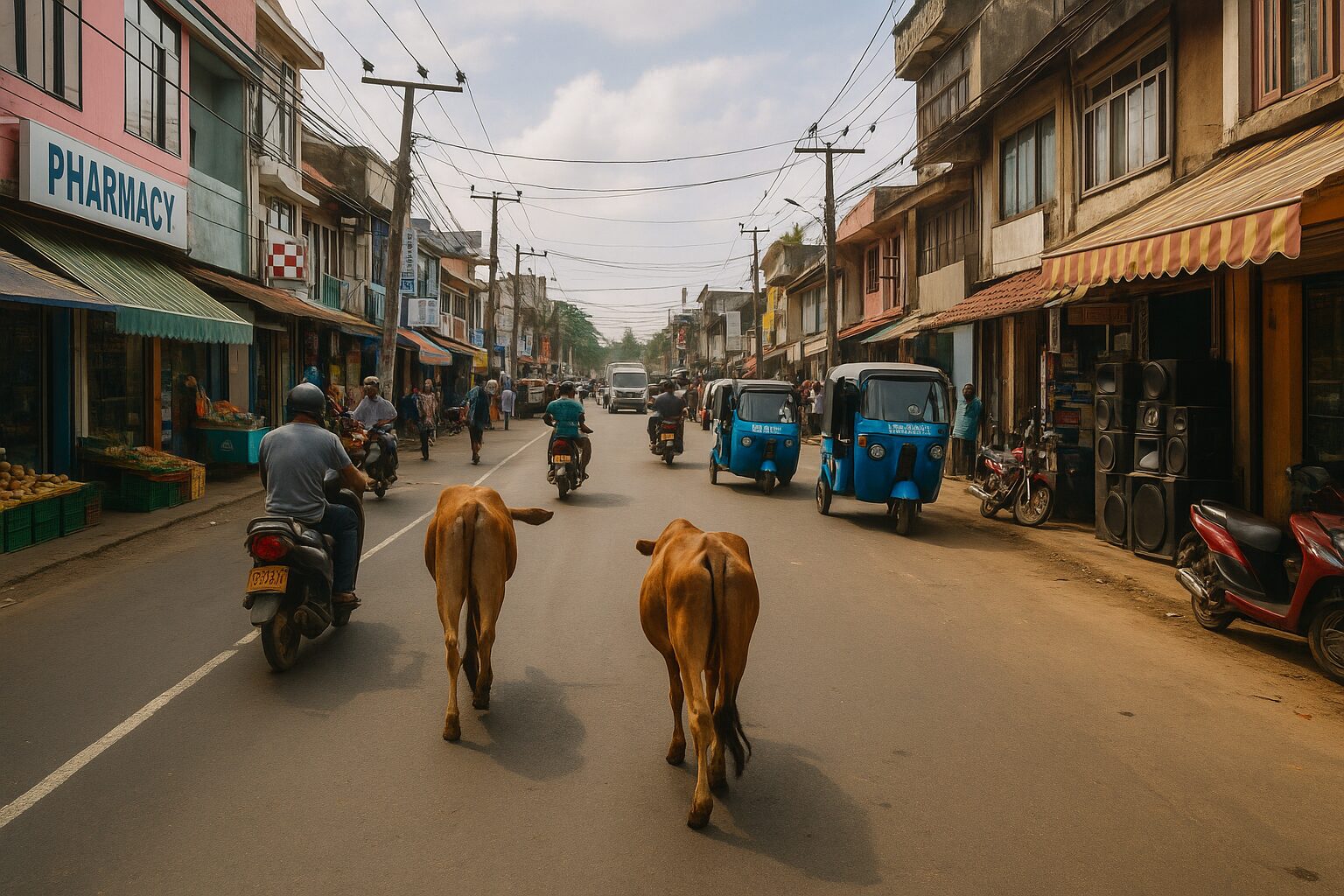
In Weligama, life moves to a soundtrack that changes with the months.
During the peak season, the mornings buzz with scooter engines, laughter, and surf lessons shouted over the wind. It’s lively and exciting — the side of Weligama that welcomes travelers from every corner of the world.
But in the off-season, the soundtrack softens. You hear raindrops on palm leaves, the chatter of fishermen mending nets, and the clinking of tea cups in roadside stalls. Some say this isn’t the best time to visit Weligama, but I disagree — it’s when the town speaks softly, honestly, and directly to your heart.
A Personal Moment I’ll Never Forget
One morning in late April, I watched a fisherman push his wooden boat into the mist. The rain had just passed, and a faint rainbow curved above the bay. He waved and said in Sinhala, “I go where the sea calls.”
That moment captured everything I love about Weligama — the humility, the freedom, and the trust in the ocean.
You’ll find many scenes like that here: surfers rinsing saltwater from their hair, monks walking barefoot down market streets, or children chasing waves after school. No matter the month, these moments create a feeling that no travel brochure can describe. They’re why every time I leave, I’m already planning my return.
If You’re Visiting for the First Time
If you’ve never been to Weligama before, start with January to April — the classic best time to visit Weligama for beginners. The weather is reliable, the ocean calm, and the town full of energy. Once you’ve experienced that version, come back during May to October to discover its quieter, more intimate personality.
It’s like meeting the same person twice — once at a celebration, and once in quiet conversation.
When the Seasons Don’t Matter
Eventually, you realize that Weligama doesn’t need to be perfect to be beautiful. Even when clouds gather and waves grow rough, something about this place feels alive and grounding.
For me, the best time to visit Weligama is whenever you need to slow down and remember what simplicity feels like. The ocean, the food, the people — they welcome you the same way, rain or shine.
Final Thought
I’ve been to dozens of beaches across Sri Lanka, but Weligama keeps pulling me back. It’s not just the surf or the sunsets; it’s the way the town changes without losing itself.
So, when someone asks me “When should I go?” I always say:
Go when you’re ready to listen — because Weligama always has a story to tell.
Final Thoughts & Travel Planning Tips
🍛 After planning your visit, treat yourself to great food with our Best Restaurants & Cafés in Weligama guide — perfect for beachside dining ideas.
A Coastal Rhythm You’ll Never Forget
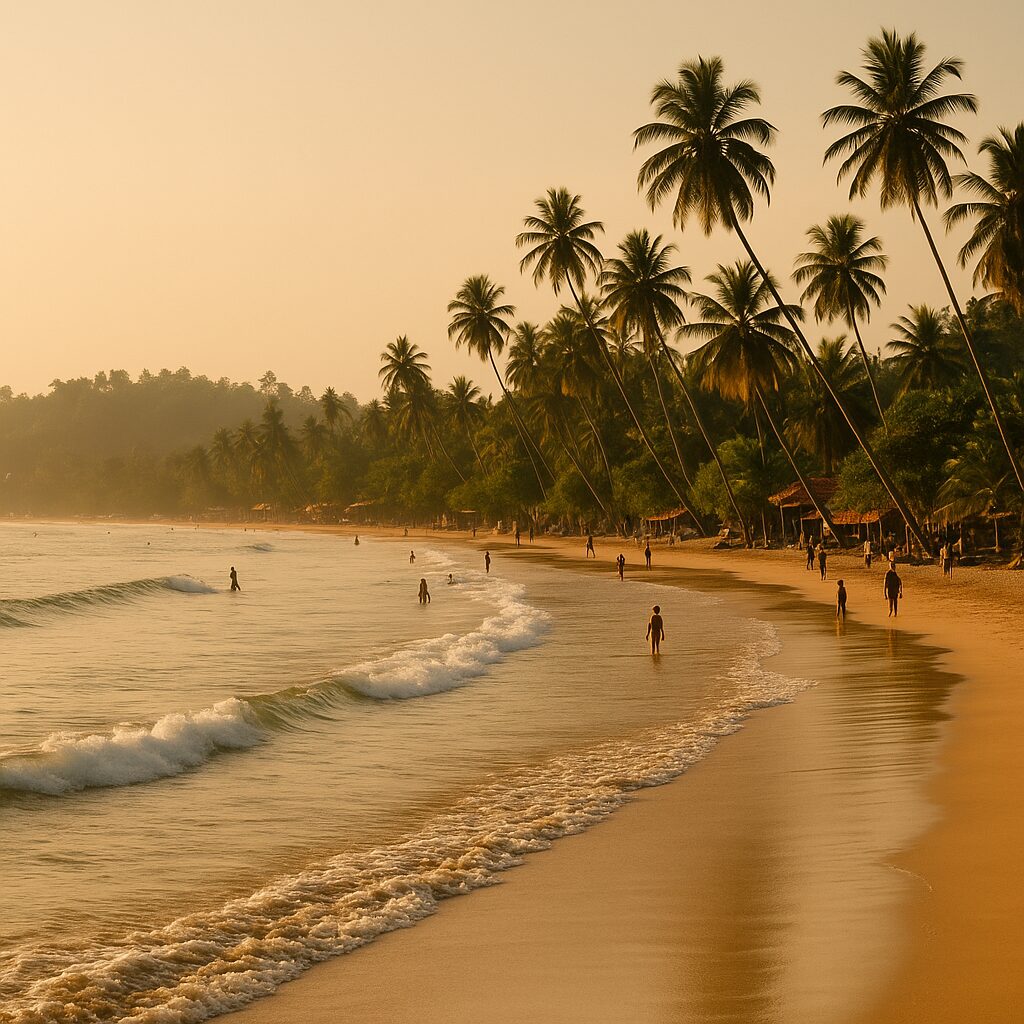
By now, it’s clear that the best time to visit Weligama depends on what you seek — sunshine and surf, culture and color, or quiet solitude by the sea. Every season gives Weligama a different personality, yet its charm never fades.
From December to April, this southern haven glows with energy. Surfboards line the sand, cafés hum with conversation, and whale-watching boats glide through calm waters. But when the off-season arrives, Weligama becomes something more personal — a place for slow mornings, misty hills, and locals who have time to share their stories.
In truth, there’s no single month that defines it. The beauty of Weligama lies in how it keeps offering new versions of itself — season after season.
🌤️ Quick Summary: When to Go
| Season | Months | Highlights | Ideal For |
|---|---|---|---|
| Dry Season (Peak) | November – April | Perfect weather, best surf, whale watching | First-time visitors, families, surf learners |
| Monsoon (Off-Season) | May – October | Lush greenery, lower prices, fewer crowds | Budget travelers, writers, long-stay guests |
| Shoulder Periods | March–April, October–November | Balance of sunshine, calm seas, local life | Couples, photographers, cultural travelers |
This overview helps visualize how the best time to visit Weligama aligns with your travel style — whether it’s social adventure or meditative escape.
🧳 Practical Travel Tips
1. Book Smart:
If you’re visiting during December to February, reserve hotels and surf lessons at least a month in advance. For May–September, spontaneous travelers can find discounts by booking directly at guesthouses.
2. Pack Light but Right:
Bring breathable clothes, reef-safe sunscreen, a lightweight rain jacket, and sandals that can handle both beach and rain. The weather shifts fast, especially during inter-monsoon months.
3. Get Around Easily:
Tuk-tuks are the heart of coastal travel. For day trips to Galle, Mirissa, or Matara, negotiate round-trip prices — most drivers happily wait while you explore.
4. Respect Local Customs:
When visiting temples, cover your shoulders and knees. Remove shoes and hats before entering. Locals appreciate travelers who observe simple gestures of respect.
5. Try Local Food:
Don’t miss freshly caught grilled fish, coconut roti, and “rice and curry” meals from family-run cafés. It’s affordable, delicious, and gives you a real taste of Weligama’s soul.
🌊 Suggested Itinerary Based on Seasons
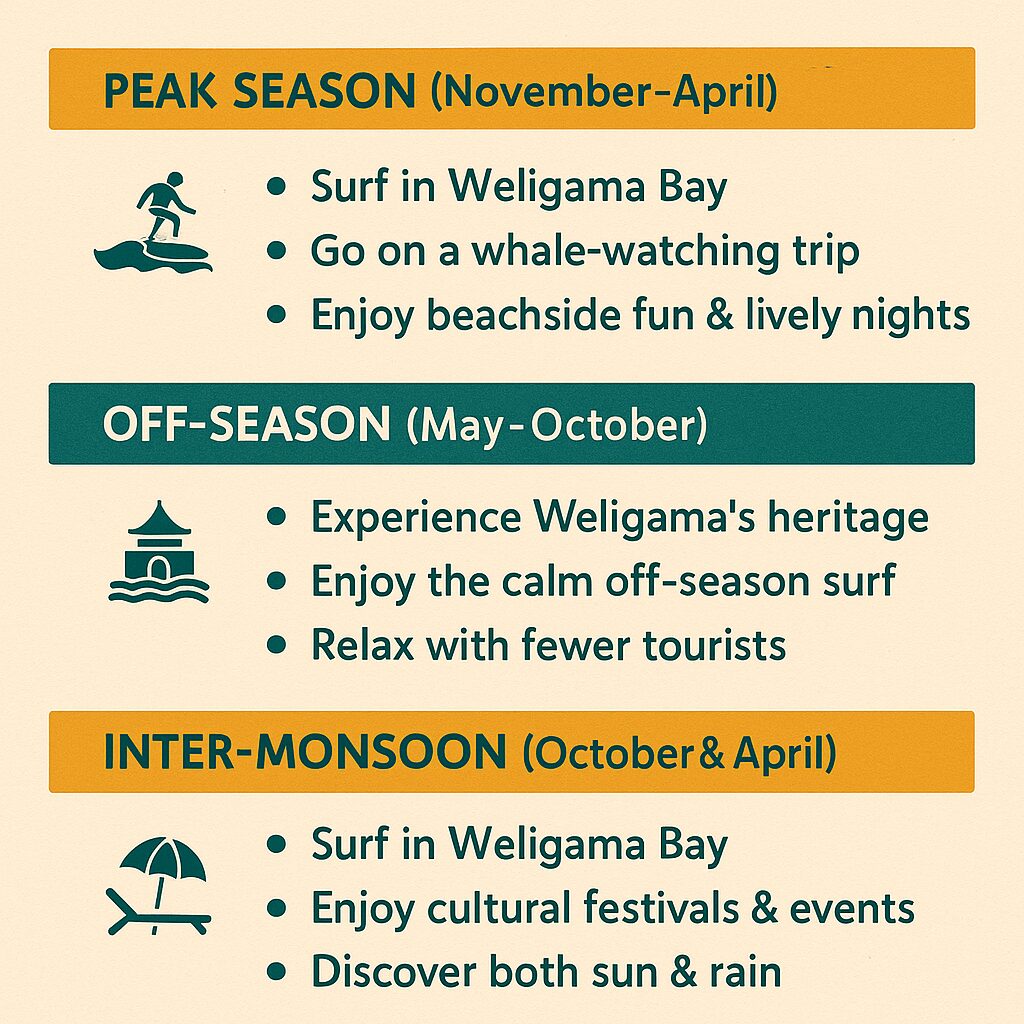
If you come between November and April:
-
Morning surf lessons at Weligama Bay
-
Whale watching tour from Mirissa
-
Lunch at a beach café (try Ceylon Sliders or Hangtime)
-
Evening walk by Taprobane Island
If you visit during May to October:
-
Early temple visits before the rain
-
Day trip to Handunugoda Tea Estate or Galle Fort
-
Afternoon yoga or spa session
-
Sunset tea with locals by the bay
Whether your trip is active or peaceful, you’ll find the best time to visit Weligama reflected not just in the weather, but in how the town feels — open, honest, and unhurried.
🌴 Final Reflection
Weligama isn’t just a destination — it’s a rhythm you carry home.
Some travelers come here chasing waves; others come searching for peace. Yet all leave with the same feeling: that life by the sea moves slower, sweeter, and somehow closer to the heart.
So when you plan your journey, remember — the best time to visit Weligama isn’t measured by the calendar. It’s measured by how ready you are to listen to the ocean, feel the salt on your skin, and let this coastal village remind you how beautiful simplicity can be.
🧭 For a complete overview of where to stay, what to do, and hidden spots around the bay, explore our full Weligama Travel Guide.
Frequently Asked Questions – Best Time to Visit Weligama
🏄 Surfing & Seasonal Travel
The best time to visit Weligama for surfing is between November and April. During these months, the waves are smooth, the ocean is clear, and the wind stays calm — perfect for beginners and experienced surfers alike. Surf schools operate daily, and the beach is lively but not overcrowded.
Yes, you can. The monsoon season (May to October) brings short tropical rains and lush scenery. While the surf can be inconsistent, mornings are often sunny. It’s also the best time to visit Weligama for travelers who want peace, local interaction, and discounted stays.
Absolutely. December marks the start of the dry season and offers the best balance — calm seas, warm weather, and plenty of activities. It’s ideal for both surfing and sightseeing, and the town glows with holiday lights and festive events.
🌦️ Weather & Budget Travel
January to March bring the most stable weather, with bright skies and gentle sea breezes. It’s the perfect time for beach walks, swimming, and whale watching. These months are also the most popular for tourists visiting southern Sri Lanka.
While July and August fall in the rainy season, mornings are often clear and the landscapes are greener than ever. For travelers who prefer tranquility and savings, this can still be one of the best times to visit Weligama — especially for photography and cultural experiences.
From May through September, accommodation prices drop up to 50%. Surf lessons and meals are cheaper too. If you’re on a budget and don’t mind light rain, this is the ideal time to visit Weligama for an affordable yet fulfilling trip.
🐋 Wildlife & Activities
Whale watching season runs from November to April, peaking between December and March. During this time, calm seas near Mirissa (just 10 minutes away) make sightings of blue whales, sperm whales, and spinner dolphins almost guaranteed.


