


Planning a journey from Colombo to Weligama is one of the most exciting parts of exploring Sri Lanka’s southern coast. Whether you’re heading there for surfing, beachside relaxation, or to discover the coastal charm of this historic town, knowing how to get to Weligama can make your travel experience smoother and more enjoyable. The distance between Colombo and Weligama is roughly 145 kilometers, and depending on your chosen route and mode of transport, the journey can take anywhere from two to four hours.
Many travelers begin their adventure in Colombo, the country’s bustling capital, before making their way to Weligama’s calm shoreline. The journey itself offers a glimpse into Sri Lanka’s diversity — from urban landscapes and coconut plantations to coastal towns lined with fishing boats. Getting there isn’t just about reaching a destination; it’s a scenic trip that lets you experience the country’s rhythm beyond the tourist crowds.
Whether you prefer the comfort of a private vehicle, the affordability of public transport, or the experience of Sri Lanka’s train routes along the coast, there are several ways to travel to Weligama. Each option comes with its own advantages, costs, and travel times. Understanding these choices will help you plan your trip according to your schedule, budget, and style.
In this guide, you’ll find detailed information about all the main routes, the best travel times, safety considerations, and insider tips to make the trip as convenient as possible. You’ll also get a closer look at how transportation options have improved in recent years, especially with the expansion of the Southern Expressway, which now makes travel from Colombo to Weligama much faster.
Once you’ve planned how to get to Weligama from Colombo, you can explore everything this coastal town has to offer — from surf spots to heritage corners — in The Ultimate Travel Guide to Weligama, Sri Lanka – 2025 Edition.
Overview: Distance and Route from Colombo to Weligama
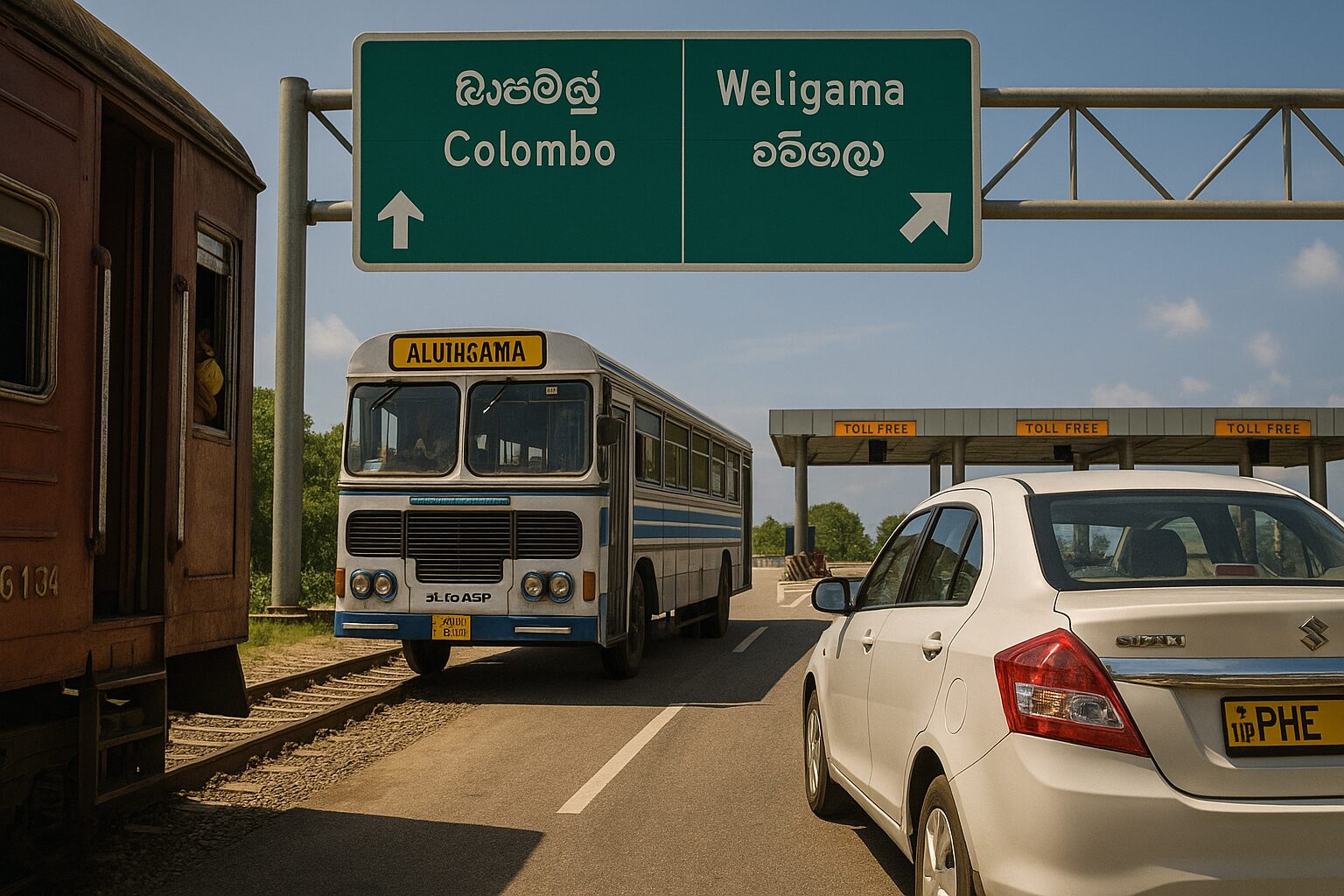
Weligama lies along Sri Lanka’s southern coastline, between Galle and Matara, making it easily accessible from Colombo by both road and rail. The total distance is around 145 kilometers via the Southern Expressway (E01) and slightly longer if you choose the scenic coastal route through towns like Kalutara, Bentota, and Galle.
There are two main routes from Colombo to Weligama:
-
The Southern Expressway Route (E01):
The fastest way to reach Weligama, ideal for those who prefer comfort and shorter travel times. The highway is modern, smooth, and toll-based, allowing cars and buses to reach Weligama in about 2 to 2.5 hours depending on traffic. The route begins at Kottawa in Colombo, connects through major exits like Galle, and continues until the Weligama interchange. -
The Coastal Road Route (A2):
This is the older, more scenic option for travelers who want to see Sri Lanka’s charming coastline up close. It passes through numerous beach towns — Mount Lavinia, Kalutara, Bentota, Ambalangoda, and Galle — before reaching Weligama. Although the drive takes longer (around 4 to 5 hours), the coastal route is ideal for sightseeing, photography, and spontaneous stops at roadside cafés and beaches.
Both routes have their charm. The expressway offers speed and convenience, while the coastal road provides a slow, immersive travel experience that reflects the heart of Sri Lanka’s southern coast.
Explore Colombo to Weligama Quick rout overviews on Google Maps
Why Planning Your Route Matters
Understanding how to get to Weligama isn’t just about choosing transport — it’s about shaping your entire travel experience. Many travelers underestimate travel time due to traffic near Colombo or around Galle, especially during weekends and holidays. Planning your route and departure time can make a big difference.
If you’re catching a morning surf lesson or checking into a villa by noon, it’s better to leave Colombo early in the day, ideally before 7 a.m. This helps you avoid heavy city traffic and ensures a smoother journey along the expressway. On the other hand, if you’re exploring along the way — perhaps stopping at Bentota or Hikkaduwa — the coastal route can turn your travel day into an enjoyable mini road trip.
Whichever path you choose, it’s important to stay informed about public transport schedules, ticket availability, and travel conditions, especially during monsoon months when delays can occur. Knowing your options in advance ensures your trip from Colombo to Weligama goes exactly as planned.
How to Get to Weligama by Train – Scenic Coastal Journey
Why Choose the Train from Colombo to Weligama

For many travelers, taking the train is the most scenic and memorable way to travel between Colombo and Weligama. The coastal railway line that runs south from Colombo Fort Station to Matara is one of the most picturesque rail routes in Sri Lanka. It traces the Indian Ocean for nearly the entire journey, giving passengers uninterrupted views of palm-fringed beaches, fishing villages, and tropical countryside.
Unlike driving on the highway, traveling by train lets you slow down and enjoy the landscape. You can feel the coastal breeze through open windows, listen to the rhythmic sound of the tracks, and watch local life unfold at each stop. For photographers and culture lovers, it’s an experience in itself — not just a mode of transport.
Another advantage is cost. Train tickets are among the most affordable ways to reach Weligama. Even in higher-class compartments, the fare remains modest compared to private taxis or express buses. Trains also avoid highway tolls and the unpredictable traffic jams that can occur around Colombo or Galle.
Colombo to Weligama Train Route Overview
The train route follows the Southern Line, starting from Colombo Fort Station and ending at Matara Station, with Weligama as one of the key stops along the way. The total distance by rail is roughly 160 kilometers, and travel time ranges between 2 hours 45 minutes and 3 hours 30 minutes, depending on the train type and number of stops.
Most trains stop at major coastal towns such as Mount Lavinia, Kalutara South, Aluthgama, Bentota, Ambalangoda, Hikkaduwa, and Galle before continuing to Weligama. If you plan to sightsee on your way south, this line gives you the flexibility to hop off at any of these stations and continue later the same day.
Types of Trains on the Colombo–Weligama Route
Sri Lanka Railways operates several train types on this line, each offering a different level of comfort and timing:
-
Intercity Express Trains – The fastest and most comfortable choice. These trains have reserved seating, air-conditioned first-class compartments, and limited stops. Travel time averages around 2 hours 45 minutes. Ideal for tourists who prefer punctuality and comfort.
-
Express Trains – Slightly slower but still efficient. They stop at more towns along the way, offering a mix of reserved and unreserved seating. This is the most popular option for both locals and travelers.
-
Slow or Local Trains – These make frequent stops at smaller coastal stations. The journey can extend beyond four hours, but it’s a true slice of local life. These trains are often crowded but lively, with vendors selling snacks and drinks during the ride.
Train Schedule and Frequency
Trains from Colombo Fort to Weligama operate multiple times per day, usually from early morning until evening. Departure times can vary, so it’s best to check the latest timetable through the Sri Lanka Railways official website or at the station.
Typical schedule patterns include:
-
Early-morning trains leaving Colombo between 5:30 a.m. – 7:00 a.m., ideal for those wanting to reach Weligama before noon.
-
Midday and afternoon services between 10:00 a.m. – 2:00 p.m., good for relaxed travelers.
-
Evening trains departing between 4:00 p.m. – 6:00 p.m., reaching Weligama just before nightfall.
On weekends and public holidays, trains can fill up quickly, especially the morning express services, so booking in advance is highly recommended.
Classes and Seating Options
The train offers three main classes:
-
First Class (A/C Cabin): Comfortable, air-conditioned, and usually reserved seating. Windows are sealed, so photography is limited, but it’s quiet and ideal for long journeys.
-
Second Class: The most popular choice for travelers. Large open windows, ceiling fans, and a mix of reserved and unreserved seats. Great for taking photos and feeling the breeze.
-
Third Class: Cheapest option, often crowded but full of local charm. Suitable for short-distance or budget travelers who enjoy authenticity over comfort.
If you prefer to guarantee a seat, choose a train that offers reservations for first or second class. Tickets can be purchased at Colombo Fort Station or through reputable online booking platforms.
Ticket Prices and Booking Tips
Train fares vary slightly depending on the class and train type. As of recent updates, the approximate one-way ticket costs are:
-
First Class: LKR 1,500 – 2,000
-
Second Class: LKR 400 – 800
-
Third Class: LKR 300 – 500
Booking is straightforward. You can buy tickets at the Colombo Fort counter on the day of travel or reserve them up to 30 days in advance at major stations. Some private travel agents and hotels in Colombo also handle bookings for tourists.
If you plan to travel during local holidays or weekends, try to secure your seat at least a day ahead. Arriving early at the station also helps, especially for unreserved compartments.
What to Expect During the Journey

Once you depart from Colombo Fort, the train quickly leaves the urban noise behind. Within 30 minutes, the scenery transforms into a blend of coconut palms, small villages, and glimpses of the sea. Between Bentota and Hikkaduwa, the tracks run so close to the ocean that waves often crash just meters from the carriage windows.
Food and refreshments are available onboard through local vendors who walk through the compartments offering tea, coffee, and snacks like vadai, samosas, and peanuts. Bringing bottled water and light food is always a good idea for longer rides.
There’s no Wi-Fi on board, but mobile signal remains strong along most of the coastal stretch. Pack light if possible, since luggage space can be limited in second- and third-class compartments.
Arriving at Weligama Railway Station
Weligama Station sits conveniently close to the main town and beach area. From the station, it’s usually a 5- to 10-minute tuk-tuk ride to most hotels, guesthouses, or surf schools. Tuk-tuks wait outside the station throughout the day, and rides are inexpensive.
If your villa or resort is located near Weligama Bay, you can even walk there within 15 minutes. The town layout is simple, with the main road running parallel to the coast.
Travelers arriving at night will find a few shops and cafés still open near the station, while those arriving during the day can immediately feel the relaxed, seaside atmosphere that makes Weligama so appealing.
How to Get to Weligama by Bus – Expressway and Coastal Routes
Why Take the Bus from Colombo to Weligama
For travelers who want a balance between affordability and flexibility, taking the bus is one of the most practical ways to reach Weligama from Colombo. Buses in Sri Lanka run frequently, offering both express and coastal routes that connect the capital with the southern towns. The journey may not be as scenic as the train ride, but it’s efficient, widely available, and budget-friendly — making it ideal for backpackers, solo travelers, and locals alike.
Another advantage of bus travel is its accessibility. You can catch a bus at almost any hour of the day, and most routes don’t require advance booking. From air-conditioned express coaches to standard local buses, there’s an option for every traveler, depending on your comfort level and budget.
Bus Routes from Colombo to Weligama

There are two primary bus routes you can choose from when planning how to get to Weligama by road:
-
Southern Expressway Route (E01 Expressway Buses)
This is the fastest option. These buses operate via the Southern Expressway, connecting Colombo Central Bus Station (Bastian Mawatha) to Matara, with a stop or drop-off near Weligama. The expressway route significantly reduces travel time to around 2.5 to 3 hours.Buses typically depart from the Makumbura Multimodal Transport Hub (Kottawa) or directly from Colombo Central, entering the expressway at Kottawa and exiting at the Weligama interchange.
-
Coastal Route (A2 Highway Buses)
The coastal road bus follows the old Galle Road, passing through popular beach towns such as Mount Lavinia, Kalutara, Bentota, Ambalangoda, Hikkaduwa, and Galle before arriving in Weligama. This route is slower, taking 4 to 5 hours, but it’s ideal for travelers who want to see the coastline and local communities along the way.These buses are more frequent and can be boarded at almost any point along Galle Road, making them convenient for those staying in the southern suburbs of Colombo.
Types of Buses Operating to Weligama
When deciding how to get to Weligama by bus, the main difference lies in comfort and speed. Here are the most common types you’ll find:
-
Luxury Express Buses (A/C, Highway Route)
-
Operate mainly on the E01 expressway.
-
Air-conditioned and faster, with limited stops.
-
Usually depart every 30–60 minutes.
-
Seats are assigned, and luggage can be stored below.
-
Travel time: around 2.5 to 3 hours.
-
-
Semi-Luxury Buses (A/C, Mixed Route)
-
Air-conditioned but make a few more stops.
-
Often run between Colombo and Matara.
-
Good balance of comfort and affordability.
-
-
Normal Local Buses (Non-A/C, Coastal Route)
-
Cheapest and most widely available option.
-
Frequent stops, often crowded, but ideal for budget travelers.
-
Travel time: 4 to 5 hours.
-
-
Private Minibuses and Vans
-
Operated by private companies and small tour providers.
-
More comfortable than local buses but slightly more expensive.
-
Can be booked through guesthouses or online transport platforms.
-
Bus Terminals and Boarding Points in Colombo

Your starting point will depend on which route and bus type you choose:
-
Bastian Mawatha Main Bus Terminal (Colombo Fort):
This is the main hub for long-distance buses. You’ll find both expressway and coastal-route buses here. -
Makumbura Multimodal Transport Hub (Kottawa):
The primary boarding point for expressway buses using the Southern Expressway. It’s located near the E01 entrance, reducing city traffic delays. -
Galle Road Stops (Colombo to Mount Lavinia):
Ideal for travelers staying along the southern coastal stretch of the city. You can catch coastal-route buses directly on Galle Road without going into the central station.
Ticket Prices and Booking Options
One of the biggest advantages of taking the bus is cost-effectiveness. Ticket prices vary slightly based on route and bus type, but they remain affordable for most travelers:
-
Expressway Luxury Bus: LKR 900 – 1,200
-
Semi-Luxury Bus: LKR 700 – 900
-
Normal Local Bus: LKR 500 – 700
Tickets for expressway buses can be purchased at the terminal counter or directly from the bus conductor. Some operators also accept phone reservations or online bookings through Sri Lankan transport websites. For local and semi-luxury buses, payment is made onboard, usually in cash.
If you’re traveling with luggage, choose an expressway bus — most have compartments below for storage. Local buses have limited space and may get crowded during rush hours.
Travel Duration and Traffic Considerations
Expressway buses are usually on time, thanks to dedicated highway access. However, traffic near Colombo Fort and around Galle can still cause minor delays during peak hours. The best time to start your journey is early in the morning (between 5:30 a.m. and 7:00 a.m.) or mid-afternoon, when roads are less congested.
The coastal route, while slower, offers a completely different experience. You’ll see fishermen working near the shore, local markets, and stretches of beach between Bentota and Ahangama. If you’re not in a hurry, this route feels like a scenic coastal road trip at a fraction of the cost.
What to Expect During the Bus Journey
Sri Lankan buses are known for their lively atmosphere. Expect music playing, people chatting, and a constant flow of passengers getting on and off. Seats can fill up quickly, especially in local buses, so boarding early helps secure a good spot.
Air-conditioned expressway buses are more organized, quieter, and generally smoother, with minimal stops and dedicated seating. Most make a brief stop at a rest area where you can buy snacks and refreshments.
If you’re sensitive to motion, choose a seat in the front or middle, as the back of the bus can be bumpy on older roads. Keep small bills ready for purchasing snacks or tickets, as conductors may not always have change for larger notes.
Arriving at Weligama by Bus
Most buses heading toward Matara will stop at Weligama Town Bus Stand, located near the heart of the city. From there, tuk-tuks and taxis are readily available to take you to your hotel or beachfront accommodation.
The bus stand is surrounded by small shops, food stalls, and cafés, so you can easily grab a drink or meal before heading to your stay. If your accommodation is along Weligama Bay, it’s typically a 5–10 minute tuk-tuk ride away.
Getting to Weligama by Car or Taxi – Fastest and Easiest Way
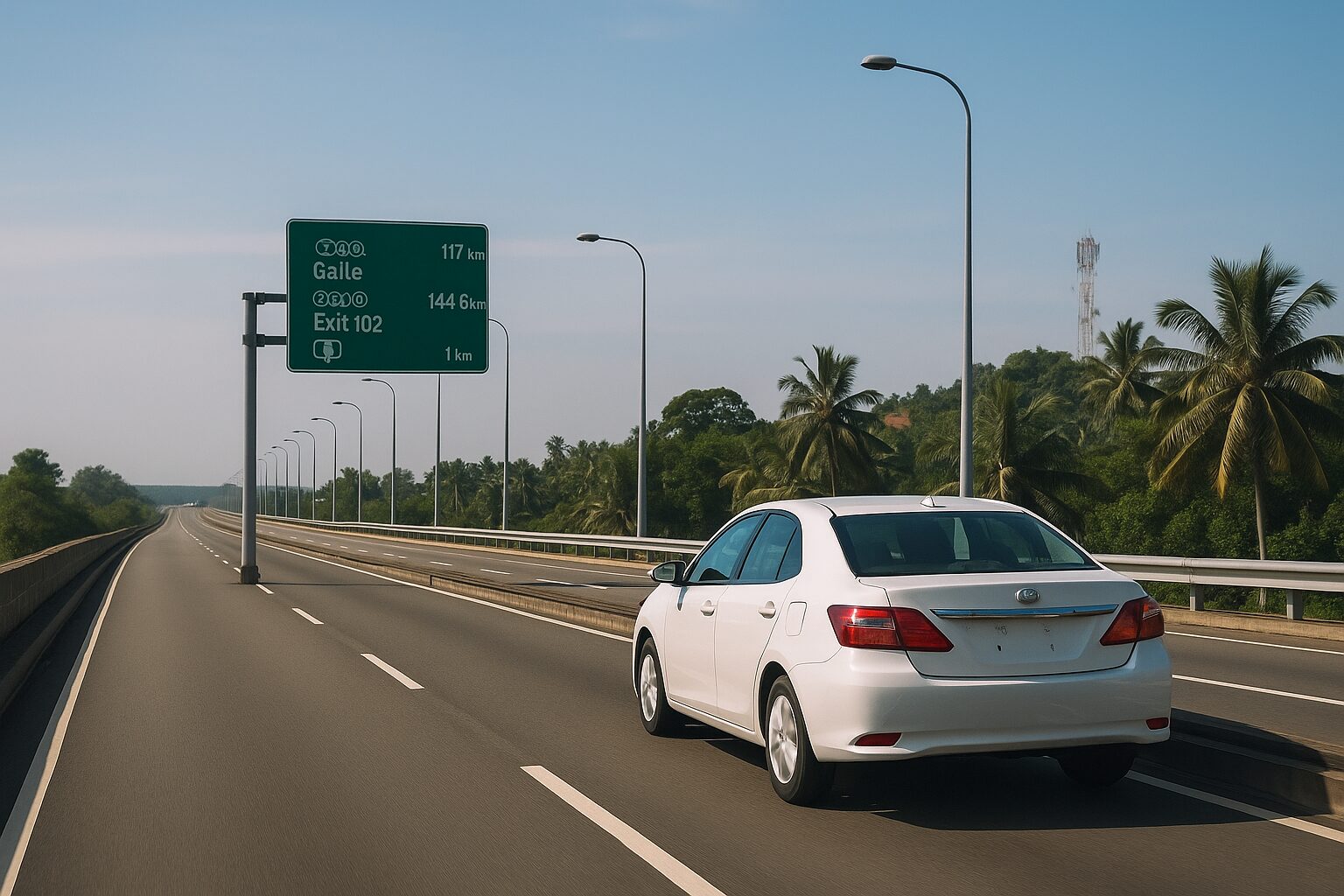
Why Travel by Car or Taxi from Colombo to Weligama
For travelers who value comfort, privacy, and flexibility, hiring a private car or taxi is the most convenient way to reach Weligama from Colombo. This option allows you to travel at your own pace, stop at scenic viewpoints, and explore hidden attractions along the way. It’s ideal for families, couples, or small groups carrying luggage or surfboards, as you can leave directly from your hotel and reach Weligama without transfers.
Driving south also reveals the best of Sri Lanka’s landscapes — from coconut plantations and paddy fields to glimpses of the Indian Ocean. Whether you choose to drive yourself or hire a professional driver, the experience is smooth and stress-free compared to public transport, especially if you take the Southern Expressway.
How to Get to Weligama from Colombo by Car (Self-Drive Option)
If you prefer independence and enjoy driving, renting a car in Colombo is a practical option. The route to Weligama via the Southern Expressway (E01) is one of the best-maintained in the country. Starting from Kottawa, the expressway connects directly to the southern towns, allowing a journey time of around 2 to 2.5 hours depending on traffic.
You’ll exit the highway at the Weligama interchange, which is only a few kilometers from the beach and main town. Road signs are clear, and fuel stations are conveniently located along the expressway. Google Maps or any navigation app works perfectly on this route, as mobile coverage remains stable throughout.
For those who enjoy scenic drives, an alternative route is the A2 Coastal Road via Galle Road. This traditional route is slower but passes through numerous coastal towns, fishing villages, and beach stretches like Bentota, Hikkaduwa, and Unawatuna. Although it takes about 4 to 5 hours, the drive offers many chances to stop for food, photography, and local experiences.
Car Rental Options in Colombo
Car rental services are widely available in Colombo, ranging from international chains to local companies. You can choose between self-drive cars or chauffeur-driven vehicles, depending on your comfort level and driving confidence.
Popular car rental options include:
-
Malkey Rent A Car – Well-established, offering self-drive and driver options.
-
SR Rent A Car – Provides modern vehicles with insurance and delivery to hotels.
-
Kings Rent A Car – Offers airport pickup and flexible daily rates.
-
Casons Rent A Car – One of Sri Lanka’s largest fleets, available for short and long-term use.
Requirements for self-driving:
-
A valid international driving permit (IDP) and your home country’s license.
-
Age above 21 years.
-
Some companies request a refundable security deposit (LKR 30,000–50,000).
Cars are usually rented on a daily or weekly basis, with options such as compact cars, SUVs, and vans. Rates range between LKR 12,000–25,000 per day, depending on vehicle type and whether it includes a driver. Fuel is typically not included in rental rates.
Hiring a Private Taxi or Driver

If you prefer to relax and enjoy the journey, hiring a private taxi or driver is the easiest way to travel from Colombo to Weligama. Drivers are familiar with both expressway and coastal routes, and most vehicles are equipped with air-conditioning and comfortable seating.
Approximate fares for a one-way trip:
-
Standard Car (up to 3 passengers): LKR 20,000 – 25,000
-
Van (4–6 passengers): LKR 25,000 – 35,000
-
Luxury Car (Toyota Axio, Prius, etc.): LKR 30,000 – 40,000
You can arrange private transfers through:
-
Hotel reception or travel desks in Colombo.
-
Reliable online taxi apps like PickMe or Uber (Intercity).
-
Local tour companies offering fixed-rate airport and coastal transfers.
Hiring a driver for the entire day also gives flexibility to stop at popular spots such as Galle Fort, Unawatuna Beach, or Koggala Lake before arriving in Weligama. Many travelers combine their transfer with short sightseeing stops along the coast.
Travel Duration and Road Conditions
The expressway route (E01) is smooth, modern, and well-marked. It has multiple rest areas where you can refuel, grab a snack, or use washrooms. The total distance from Colombo to Weligama via the expressway is approximately 145 kilometers, and travel time averages 2 hours and 15 minutes under normal conditions.
The A2 coastal road, on the other hand, runs parallel to the ocean. While it’s visually stunning, it can be congested with buses, motorbikes, and tuk-tuks. Plan at least 4 hours for this route, especially during weekends or holidays.
If you’re driving at night, the expressway is recommended due to better lighting and fewer intersections. The coastal road can be darker and narrower in some stretches, requiring extra caution.
Fuel, Tolls, and Costs
Fuel prices in Sri Lanka fluctuate, but petrol costs roughly LKR 450–480 per liter. A typical car will need about 12–14 liters to cover the full distance from Colombo to Weligama.
Toll charges for the Southern Expressway:
-
Kottawa to Weligama: approximately LKR 900–1,100, depending on vehicle type.
-
Payment is made in cash at toll booths (cards are not accepted).
When budgeting your trip, factor in both toll and fuel expenses. A self-drive trip generally costs around LKR 10,000–12,000 in total fuel and tolls, while a private taxi includes these costs in the quoted price.
Safety and Driving Tips
Driving in Sri Lanka is generally safe, but it’s best to stay alert, especially when overtaking or entering rural areas. Always keep a safe distance, follow speed limits, and avoid night driving on coastal roads where visibility is limited.
If you’re new to Sri Lanka’s roads, hiring a driver for your first trip is recommended. Locals are familiar with the traffic flow, speed traps, and the occasional wandering animal crossing the road.
Also, keep your phone charged and carry cash for tolls, as digital payments are not widely accepted on highways.
Best Time to Travel by Road
If you plan to leave Colombo by car or taxi, the best time to start your journey is early in the morning (around 6:00 a.m.). This helps you avoid both city and coastal traffic, ensuring you reach Weligama before noon.
Evening departures (around 3:00–4:00 p.m.) are also manageable but can lead to delays when approaching Galle. Avoid traveling on Friday evenings or public holidays when locals head south for the weekend.
What Makes the Drive Memorable
The drive from Colombo to Weligama is more than just a transfer — it’s a mini adventure. You can stop for breakfast at Bentota, visit Galle Fort, or take photos at one of the scenic viewpoints overlooking the Indian Ocean. Along the way, roadside coconut sellers, fishermen balancing on poles, and stretches of paddy fields create a travel experience unique to Sri Lanka’s southern coast.
By choosing the car or taxi option, you gain full control of your journey — setting your pace, your stops, and your comfort level. It’s the ideal choice for travelers who prefer convenience without compromising the chance to explore.
Expressway vs Coastal Route – Best Way to Get to Weligama
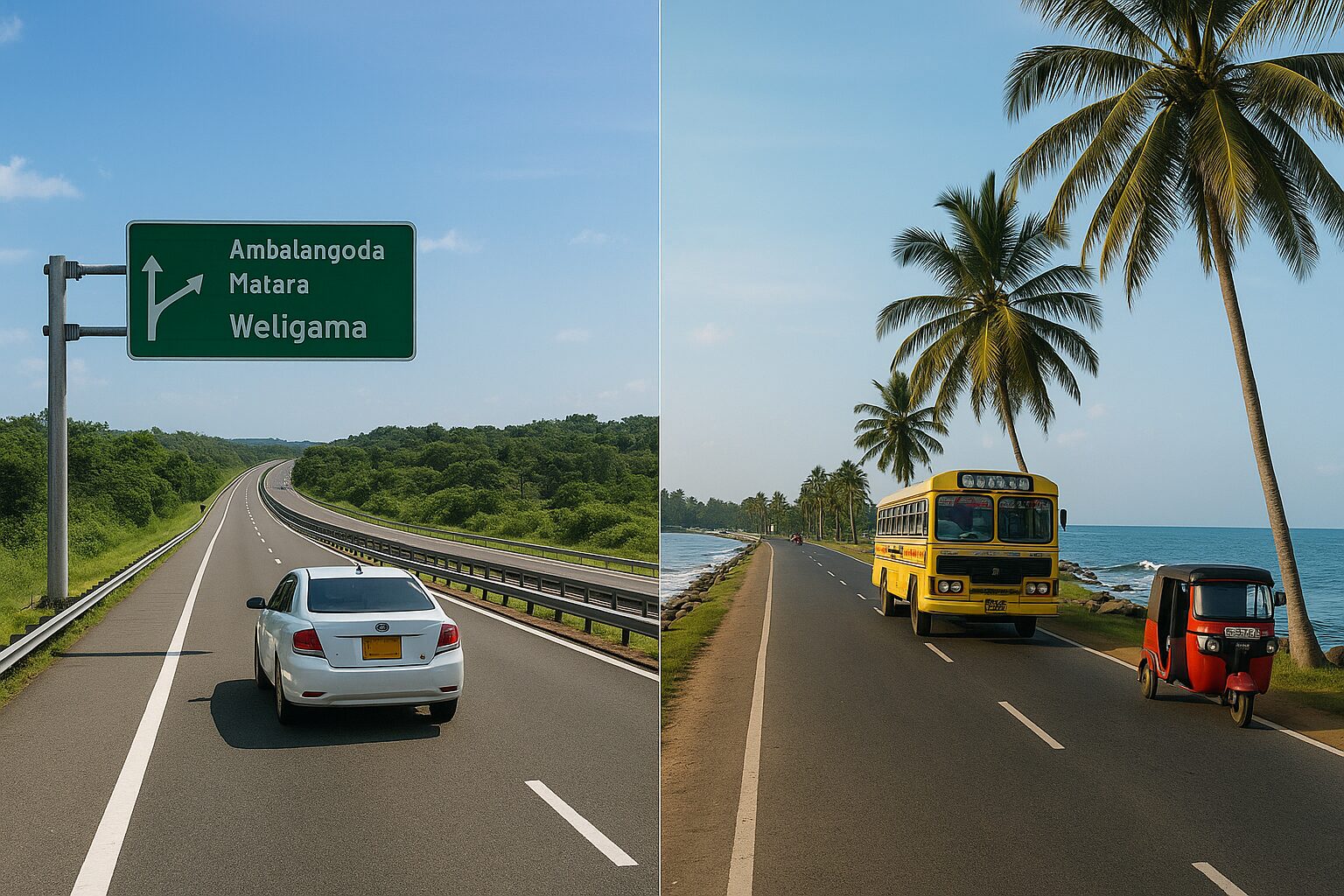
When deciding how to get to Weligama, travelers often face one key question: should you take the fast Southern Expressway (E01) or the scenic Coastal Road (A2)? Both routes connect Colombo to Weligama, but they offer very different experiences. The choice depends on what kind of traveler you are — whether you prefer speed and comfort or a leisurely drive full of local charm.
Overview of Both Routes
1. Southern Expressway (E01):
The Southern Expressway is Sri Lanka’s first modern highway, designed for efficiency and safety. It stretches from Kottawa near Colombo to Matara, with smooth asphalt, well-marked exits, and minimal traffic interruptions. Weligama has its own dedicated interchange, making it the fastest and most reliable route to the southern coast.
2. Coastal Road (A2 Highway):
The A2 Highway, also known as Galle Road, is one of the oldest and most famous roads in Sri Lanka. It hugs the coastline, passing through towns like Kalutara, Bentota, Ambalangoda, Hikkaduwa, Galle, and Unawatuna before reaching Weligama. The road is lined with palm trees, fishing villages, and glimpses of the Indian Ocean — a visual treat for travelers who enjoy scenic drives.
Travel Time Comparison
Travel time is the biggest difference between the two routes.
| Route | Distance | Average Travel Time | Typical Conditions |
|---|---|---|---|
| Southern Expressway (E01) | ~145 km | 2 to 2.5 hours | Smooth, predictable, fast |
| Coastal Road (A2) | ~160 km | 4 to 5 hours | Slower due to traffic and towns |
If you’re short on time or traveling with luggage, the expressway is the clear winner. The smooth road and consistent speed allow you to reach Weligama comfortably in under three hours. On the other hand, the coastal route, while slower, offers an immersive glimpse into Sri Lankan coastal life that you won’t experience on the highway.
Scenic Value and Experience
The coastal route is the clear favorite for those who want to experience the sights and sounds of the south. You’ll pass bustling local markets, roadside fruit stalls, colonial-era churches, and fishermen balancing on stilts near Ahangama. The ocean stays in view for most of the journey, creating countless photo opportunities.
By contrast, the expressway prioritizes efficiency over scenery. It runs inland through paddy fields and lowland countryside, with limited ocean views. However, it’s quieter, safer, and allows travelers to cover the distance without the interruptions common along Galle Road.
If you’re driving during daylight and have time to spare, consider taking the expressway one way and the coastal road on your return trip. This combination offers the best of both worlds — speed and convenience one way, and a scenic cultural journey the other.
Comfort and Road Conditions
The expressway’s condition is excellent year-round. It’s a modern, four-lane highway with proper lighting, signage, and wide shoulders. Toll booths are organized, and emergency services are available along the way. Driving here is stress-free compared to most Sri Lankan roads.
The coastal route, while charming, can be unpredictable. It passes through small towns where buses, tuk-tuks, and motorbikes constantly join and leave the road. Narrow stretches, frequent stops, and occasional congestion make it less relaxing for drivers, though it remains manageable with patience.
During monsoon season (May–September), the expressway is safer because it drains well and has fewer flood-prone areas. The coastal route can experience brief flooding in low-lying sections near Bentota or Ambalangoda after heavy rain.
Cost and Toll Comparison
| Factor | Southern Expressway (E01) | Coastal Road (A2) |
|---|---|---|
| Toll Charges | LKR 900–1,100 (one way) | None |
| Fuel Efficiency | Better (fewer stops, higher speed) | Slightly higher consumption |
| Road Snacks & Stops | Limited rest areas | Plenty of cafés and roadside food stalls |
Although the expressway requires a toll payment, it often saves money on fuel and wear on your vehicle. The constant speed and smooth road mean better mileage compared to stop-and-go driving along the A2. However, the coastal route offers countless places to stop for snacks, fresh coconut water, or seafood — turning your transfer into a mini culinary trip.
Safety and Convenience
Safety is another major advantage of the expressway. It’s monitored by highway patrol units and has clear lane divisions, speed limits, and controlled entry points. There are almost no stray animals or unexpected crossings, which can be common on the coastal route.
The A2, on the other hand, is more dynamic. Pedestrians, cyclists, and tuk-tuks share the same road as buses and trucks. While this adds to the local flavor, it demands constant attention if you’re driving yourself.
For night travel, the expressway is the recommended choice. It’s well-lit and safer for long-distance drives. The coastal road should be avoided late at night due to reduced visibility and unpredictable traffic behavior.
Best Route for Each Traveler Type
| Traveler Type | Recommended Route | Reason |
|---|---|---|
| Families or groups with luggage | Expressway | Comfort, speed, safety |
| Budget travelers and backpackers | Coastal Road | More stops, cheaper, local experience |
| Photographers or sightseers | Coastal Road | Scenic views and cultural diversity |
| Business or tight schedule travelers | Expressway | Fast and reliable |
| First-time drivers in Sri Lanka | Expressway | Easier navigation and fewer risks |
Combining Both Routes
Many travelers prefer mixing both routes to enjoy the contrast. For example:
-
Take the Southern Expressway from Colombo to Weligama for a fast, comfortable start.
-
On your return journey, follow the Coastal Road back to Colombo, stopping at beaches like Hikkaduwa or Bentota.
This approach lets you balance efficiency and exploration, turning your transfer into a memorable coastal experience.
Local Tip for Travelers
If your goal is simply to get to Weligama quickly — perhaps for a surf lesson or resort check-in — always choose the expressway. But if your goal is to explore, connect with locals, and discover hidden beaches along the way, the coastal road offers much more character.
No matter which route you choose, the journey is part of the adventure. Every stretch of road between Colombo and Weligama tells a story — from modern expressway convenience to the timeless rhythm of Sri Lanka’s fishing coast.
Travel Duration and Cost Comparison – Ways to Get to Weligama

When planning how to get to Weligama from Colombo, understanding the time, comfort, and cost differences among the main transport options can help you choose the best method for your travel style. Whether you prefer saving money or enjoying a smooth, private ride, each option offers a unique experience. Below is a full comparison of all available routes and travel methods to help you plan efficiently.
Travel Duration Overview
Travel times can vary depending on weather, traffic, and the time of day. Expressway routes are consistently faster, while the coastal route and local transport options take longer due to multiple stops.
| Mode of Transport | Route Used | Approx. Duration | Notes |
|---|---|---|---|
| Train | Coastal (Southern Line) | 2.5 – 3.5 hours | Beautiful views, scenic journey |
| Expressway Bus | E01 Southern Expressway | 2.5 – 3 hours | Fast and comfortable |
| Coastal Bus | A2 Galle Road | 4 – 5 hours | Budget-friendly but slower |
| Private Car / Taxi (Expressway) | E01 Southern Expressway | 2 – 2.5 hours | Direct, flexible, very comfortable |
| Self-Drive (Coastal Route) | A2 Highway | 4 – 5 hours | Great for sightseeing |
| Airport Transfer | E01 Expressway | 2.5 – 3 hours | Ideal for direct travel to hotels or villas |
In general, the expressway consistently offers the fastest connection between Colombo and Weligama. However, the train remains a favorite among travelers who enjoy a relaxed, scenic journey without the hassle of driving or tolls.
Cost Comparison
Here’s an approximate breakdown of travel costs (one-way) for different modes of transport. Prices may vary slightly depending on time of year, fuel rates, and service type.
| Mode of Transport | Cost Range (LKR) | Cost (USD Approx.) | Comfort Level | Ideal For |
|---|---|---|---|---|
| Train – 1st Class (A/C) | 1,500 – 2,000 | $5 – $7 | ★★★★☆ | Comfort with budget |
| Train – 2nd Class | 400 – 800 | $1 – $3 | ★★★☆☆ | Local experience |
| Expressway Bus | 900 – 1,200 | $3 – $4 | ★★★★☆ | Fast & economical |
| Coastal Bus | 500 – 700 | $2 | ★★☆☆☆ | Backpackers & locals |
| Private Car / Taxi | 20,000 – 35,000 | $60 – $100 | ★★★★★ | Families & groups |
| Self-Drive (Fuel + Tolls) | 10,000 – 12,000 | $30 – $40 | ★★★★☆ | Independent travelers |
| Airport Shuttle / Transfer | 25,000 – 35,000 | $80 – $100 | ★★★★★ | Tourists with luggage |
Comfort and Convenience Ranking
| Category | Train | Bus | Car/Taxi |
|---|---|---|---|
| Comfort | ★★★★☆ | ★★☆☆☆ (Local Bus) / ★★★★☆ (Expressway Bus) | ★★★★★ |
| Scenic Value | ★★★★★ | ★★★☆☆ | ★★★☆☆ (Expressway) / ★★★★★ (Coastal Drive) |
| Punctuality | ★★★☆☆ | ★★★★☆ | ★★★★★ |
| Cost Efficiency | ★★★★★ | ★★★★★ | ★★★☆☆ |
| Flexibility | ★★★☆☆ | ★★★☆☆ | ★★★★★ |
If comfort and privacy are your main priorities, a private taxi or rental car offers the best experience. But if you’re traveling solo or on a budget, the train or expressway bus delivers a balance between comfort and cost-effectiveness.
Best Option Based on Traveler Type
| Traveler Type | Recommended Option | Why It’s Best |
|---|---|---|
| Budget Travelers & Backpackers | Train (2nd Class) or Coastal Bus | Affordable, authentic experience |
| Families with Kids | Private Car or Taxi (Expressway) | Safe, fast, comfortable |
| Solo Travelers | Train or Expressway Bus | Cost-effective and easy to manage |
| Couples | Private Car or Train (1st Class) | Comfort with scenic travel |
| Surf Tourists | Taxi or Van with Luggage Space | Easier to carry boards & gear |
| First-Time Visitors | Expressway Taxi or Train | Simple navigation, no transfers |
Practical Travel Planning Tips
-
Book Early for Trains:
Trains can fill up quickly during weekends and holidays. For the best seats, especially in first or second class, book at least a day in advance. -
Avoid Peak City Hours:
If you’re leaving from Colombo, aim to depart before 7:00 a.m. or after 9:30 a.m. to avoid rush-hour congestion. -
Keep Small Cash Ready:
Conductors on buses and toll booths on the expressway only accept cash. Carry smaller notes (LKR 100–500). -
Pack Snacks and Water:
While long-distance buses and trains have vendors, it’s always helpful to bring your own refreshments for the journey. -
Plan for Weather:
During monsoon season, road travel can be slower due to rain. The train is often the more reliable option in wet conditions. -
Use Rest Stops Wisely:
The Southern Expressway has clean rest stations for food, fuel, and bathrooms. Take advantage of these to stretch and refresh before continuing your journey.
Realistic Example Itineraries
-
Fastest Route Example (2 hours):
Private taxi via Southern Expressway, leaving Colombo at 6:00 a.m. — reach Weligama before 8:30 a.m.
Ideal for travelers checking into early surf lessons or resorts. -
Scenic Budget Route Example (4.5 hours):
Train from Colombo Fort at 7:00 a.m., reaching Weligama around 11:30 a.m.
Perfect for travelers who want to enjoy views and save money. -
Midway Option (3 hours):
Expressway Bus from Makumbura Hub at 7:30 a.m., reaching Weligama by 10:30 a.m.
Great for solo travelers or locals heading south comfortably.
Summary of Duration and Cost Insights
If you’re wondering how to get to Weligama efficiently, the answer depends on your priorities:
-
For speed and convenience, choose the Southern Expressway via private taxi or express bus.
-
For scenic enjoyment, the train remains unmatched.
-
For budget-friendly travel, coastal buses and second-class trains are unbeatable.
By understanding the trade-offs between time, comfort, and cost, you can easily select the travel option that fits your schedule and preferences.
Comfort Tips for Getting to Weligama from Colombo
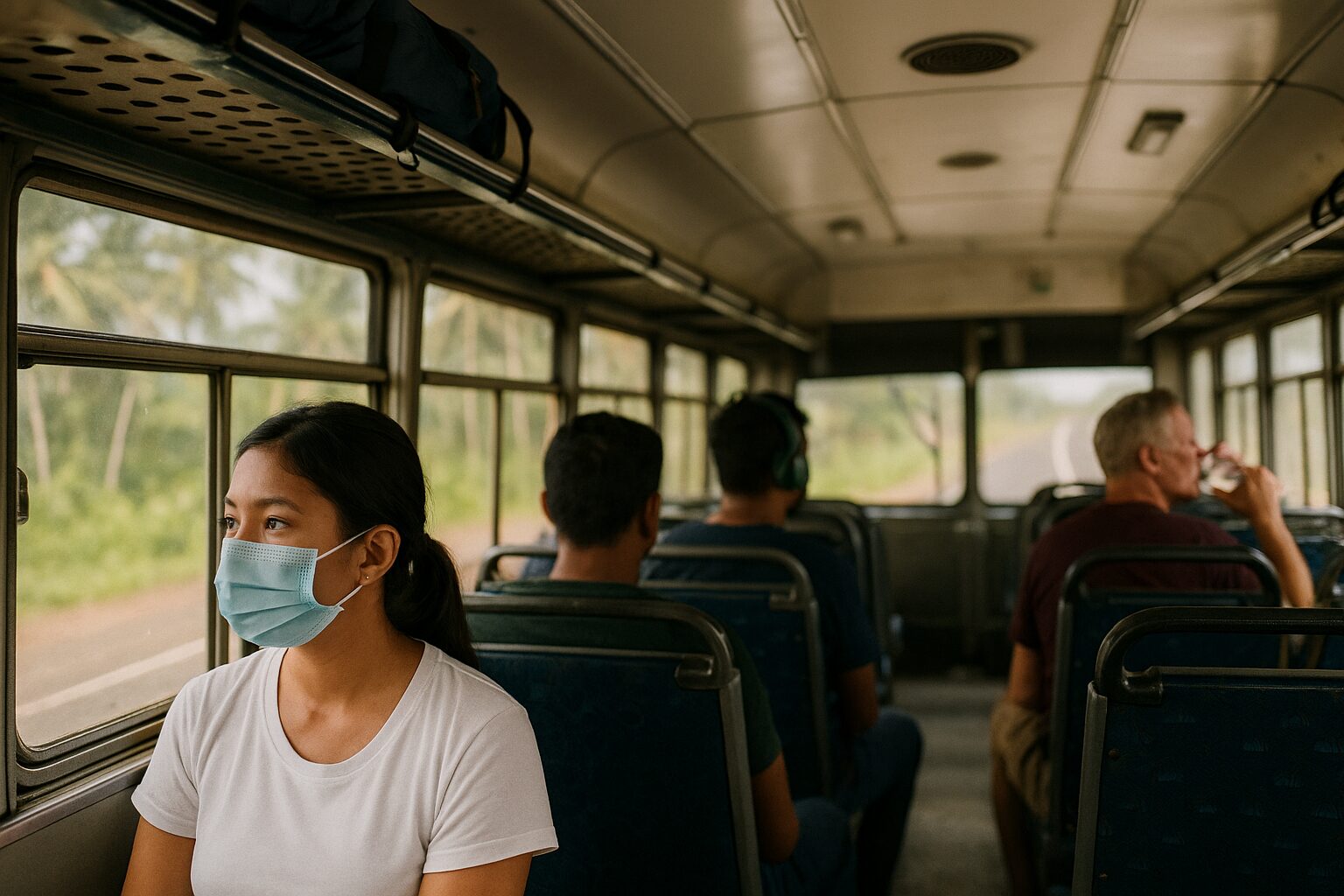
Planning how to get to Weligama is not just about choosing a route — it’s also about making your journey smooth, enjoyable, and stress-free. Whether you’re traveling by train, bus, car, or taxi, a few simple preparations can make a big difference in comfort and experience.
Here are practical tips that every traveler should know before setting off from Colombo to Weligama.
1. Choose the Best Time to Travel
Leaving Colombo early in the morning is the key to avoiding traffic. The city’s main roads become crowded between 7:00 and 9:00 a.m., especially near Fort and Kottawa. Departing before sunrise ensures cooler weather, lighter traffic, and beautiful morning views along the coast or expressway.
If morning travel isn’t possible, the next best window is after 2:00 p.m., once mid-day congestion eases. Avoid Friday evenings and public holidays, as many locals head south toward Galle and Matara for weekend getaways.
For train travelers, morning departures around 6:00 to 8:00 a.m. are ideal. These offer cooler cabins, scenic daylight, and arrival times that align perfectly with hotel check-ins in Weligama.
2. Pack Smart and Light
Regardless of your transport choice, packing efficiently helps you travel comfortably.
-
Keep essentials close: Tickets, passport, wallet, and phone should be easily reachable.
-
Avoid bulky luggage: Trains and buses have limited storage space. Use compact backpacks or soft travel bags.
-
For surf travelers: Wrap boards securely if you’re carrying them on buses or trains. Private taxis or vans are better suited for surf gear.
-
Bring a small day bag: Include water, light snacks, hand wipes, sunscreen, and a power bank — especially for long bus or train rides.
If you’re renting a car or taking a taxi, use soft luggage instead of hard suitcases for easier packing in smaller trunks.
3. Dress for the Journey
Sri Lanka’s southern coast stays warm year-round, so light, breathable clothing works best.
-
For train travel, choose comfortable outfits and avoid heavy fabrics — the cabins can get warm, especially in second or third class.
-
For expressway buses, carry a light sweater or shawl. Air-conditioning can sometimes be colder than expected.
-
For private car travel, casual clothes and slip-on shoes are convenient for rest stops.
Footwear should be easy to remove if you plan to stretch your legs on long rides. Sunglasses and a hat are useful for sunny stops along the way.
4. Stay Hydrated and Bring Snacks
Most long-distance buses and trains don’t have cafés or rest areas on board, though vendors occasionally sell snacks. Carry your own bottled water and light food, such as biscuits, fruit, or sandwiches. On the expressway, there are designated rest stops where you can buy tea, coffee, or rice and curry.
Avoid overly spicy street snacks if you’re not used to local flavors — especially before long drives or bumpy bus rides.
5. Manage Travel Fatigue
Even a three-hour journey can feel long if you’re not prepared.
-
Stretch your legs: On the train, take short walks between carriages.
-
Use rest stops: If you’re driving, stop at least once on the expressway for a break.
-
Avoid heavy meals before departure: A light breakfast or snack will keep you comfortable without feeling drowsy or bloated.
-
Bring entertainment: Podcasts, audiobooks, or playlists make time pass quickly — though the scenery alone often keeps you captivated on the way to Weligama.
6. Keep Cash Handy
In Sri Lanka, many transport options still rely on cash payments. Bus conductors, train ticket counters, and toll booths often don’t accept cards.
Carry small denominations (LKR 100–500 notes) for quick transactions. Larger bills may not be accepted, especially on local buses.
If you’re traveling by car or taxi, toll booths on the Southern Expressway only accept cash — so keep a few 100-rupee notes ready near the dashboard.
7. Safety and Personal Belongings
While Sri Lanka is generally safe for travelers, it’s always wise to keep an eye on your belongings.
-
On buses and trains, keep your bag on your lap or overhead, not near the exit doors.
-
Avoid displaying large amounts of cash or jewelry.
-
Lock zippers and carry valuables in front compartments for visibility.
-
If you’re renting a self-drive car, never leave electronics visible inside when parked.
When taking tuk-tuks or taxis upon arrival in Weligama, confirm the fare before starting the ride. Apps like PickMe are reliable and transparent if you prefer fixed pricing.
8. Best Seats for Comfort and Views
Choosing the right seat can transform your experience.
-
Train: Sit on the right side when departing Colombo for the best coastal views. If you’re returning north, choose the left side.
-
Bus: For expressway buses, front seats offer smoother rides; coastal buses are more comfortable near windows with breeze flow.
-
Taxi or Car: The front passenger seat gives the best views of both ocean and countryside — perfect for photography.
If you’re prone to motion sickness, avoid sitting at the very back of buses or vans, where bumps are more noticeable.
9. Plan for Unexpected Delays
Travel times can fluctuate due to weather, construction, or special events. Coastal routes in particular may experience slowdowns during monsoon months (May–September). Build a small time buffer into your itinerary — especially if you have onward connections or hotel check-ins.
For evening travelers, note that heavy rains sometimes delay train services. In such cases, expressway taxis remain the most reliable option.
10. Local Etiquette and Interaction
Sri Lankans are known for their friendliness. A smile and simple “ayubowan” (hello) go a long way. On public transport, it’s polite to offer seats to older passengers and avoid speaking loudly on phones.
If you need help finding your stop, don’t hesitate to ask conductors or fellow travelers — most locals are happy to assist. On trains, you’ll often find people sharing food and conversation; it’s part of the journey’s charm.
11. Stay Connected and Informed
Mobile data works well along both the expressway and coastal routes. Major carriers like Dialog and Mobitel provide strong coverage.
Download your navigation app or playlist before departure to avoid signal drops in rural sections.
Keeping your hotel informed of your estimated arrival time can also help them prepare your check-in, especially if you’re arriving late at night.
12. Arriving Refreshed in Weligama
When you finally arrive in Weligama, take a few minutes to stretch, breathe in the ocean air, and adjust to the slower coastal rhythm. The town’s relaxed atmosphere, palm-fringed beaches, and open smiles quickly replace any travel fatigue.
If you’ve arrived early, enjoy a fresh coconut at the beach or explore nearby cafés before checking in. Traveling to Weligama isn’t just a transfer — it’s the beginning of the southern Sri Lankan experience that many travelers remember most.
Best Time to Get to Weligama – Weather and Road Conditions
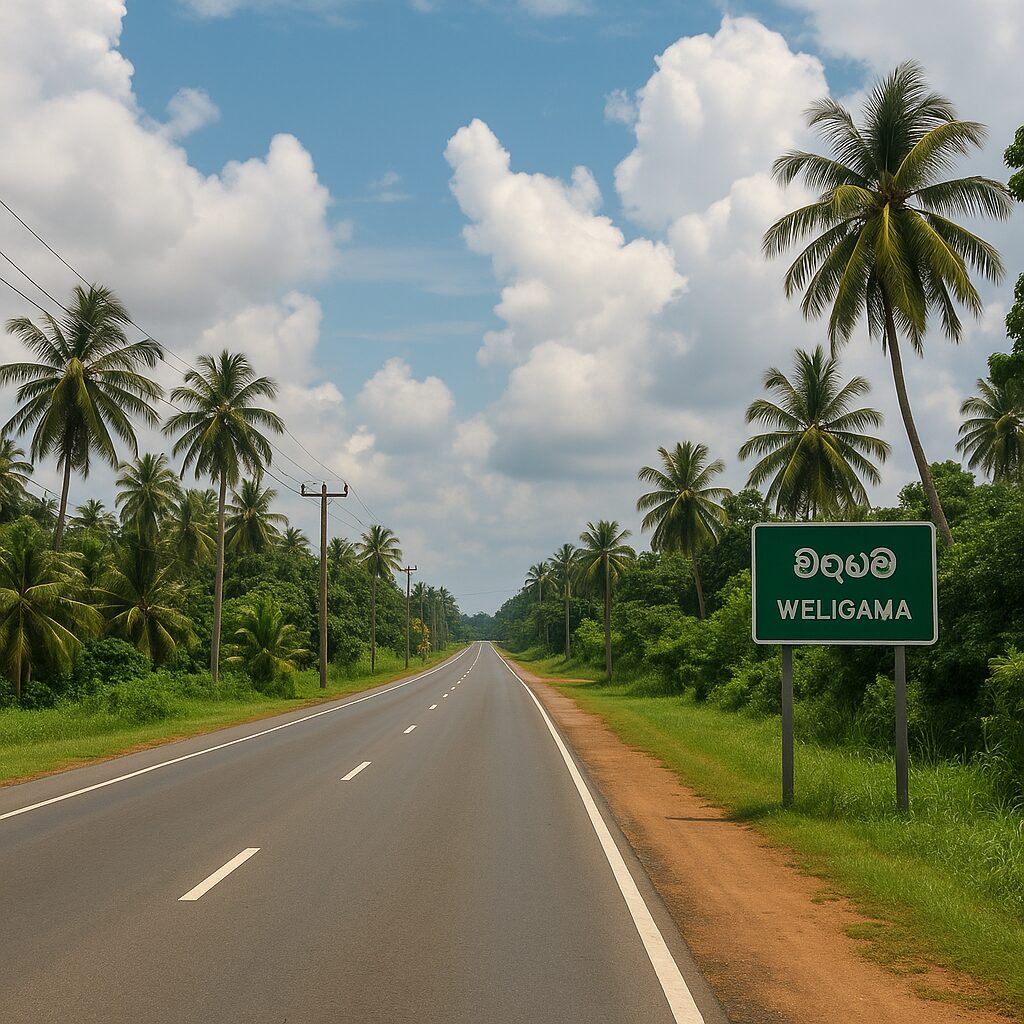
Choosing the right month and time of day can make a big difference to comfort, speed, and cost when planning how to get to Weligama from Colombo. The south coast (including Weligama, Mirissa, Ahangama) has a distinct peak season, shoulder periods, and a windier off-season; each affects trains, buses, and road travel differently.
South-coast seasons at a glance
-
Peak dry season (December–April): Calm seas, light winds, clearest skies. Tourism is busiest; tickets and taxis book out earlier.
-
First inter-monsoon (late March–April): Mostly sunny with occasional evening thunderstorms. Roads still good; brief downpours possible.
-
Southwest monsoon (May–September): Windier seas on the south/west coasts; more rain spells. Expressway is reliable; coastal road can slow in heavy showers.
-
Second inter-monsoon (October–November): Short, intense showers and thunderstorms, often in afternoons; mornings are frequently clear.
Best months for smooth travel
-
December–March: Fastest overall experience. Morning expressway drives are crisp and dry; trains run reliably and are very scenic. Book seats and cars early (Christmas/New Year, long weekends).
-
April: Still great, but expect festival crowds around Sinhala & Tamil New Year (mid-April)—buy train/bus tickets in advance and start early by road.
-
October–early November (window between storms): Frequent bargains on accommodation; start trips before 9 a.m. to dodge afternoon storms.
How seasons affect each transport mode
Train (Southern Line)
-
Performs well year-round. During heavy rain (May–Sep, Oct–Nov), brief delays can happen; morning departures are least affected.
-
In peak months (Dec–Mar), reserve 1st/2nd class in advance—popular services fill quickly.
Expressway bus (E01)
-
Most consistent choice in any weather. Air-con comfort helps in warmer months (Mar–Apr).
-
Holiday peaks (late Dec–early Jan, mid-Apr) = arrive early to board preferred departures.
Car/Taxi (E01 vs A2)
-
E01 drains well and remains the safest, fastest option during monsoon showers.
-
A2 coastal road is stunning in dry season; in wet months, allow +30–60 minutes for slow segments around towns.
Time-of-day tactics (all seasons)
-
Leave Colombo 6:00–7:00 a.m. for the quickest road time and to catch scenic morning light (train/bus or car).
-
If mornings aren’t possible, target 2:00–3:30 p.m. departures to miss midday heat and pre-rush traffic.
-
Avoid Friday 4–7 p.m. and pre-holiday eves—southbound traffic spikes.
Surf-traveler note
-
Weligama’s beginner-friendly bay works most of the year. Best consistency: Dec–Mar.
-
In May–Sep, wind and swell are more variable; bring a light rain jacket for transfers and buffer time if you’re heading straight to a lesson.
Month-by-month quick planner (Colombo → Weligama)
-
Jan–Feb: Prime. Book trains early; roads are fastest. Aim for 6:30 a.m. starts.
-
Mar: Warm afternoons; morning train or expressway bus is ideal.
-
Apr: Holiday rush mid-month—prebook everything and leave before 7:00 a.m.
-
May–Jun: Showery spells; choose expressway routes. Carry small cash for tolls/rest stops.
-
Jul–Aug: Windier; still fine by expressway. Coastal photo stops are dramatic after squalls.
-
Sep: Transitional; mixed showers. Prefer morning departures.
-
Oct–Nov: Short, heavy storms. Mornings are your friend; consider train or expressway bus.
-
Dec: Busy and beautiful. Reserve seats/cars a few days ahead; start early.
What to pack by season
-
Dec–Apr: Sunscreen, hat, light layers for A/C buses; plenty of water.
-
May–Nov: Compact umbrella or rain jacket, quick-dry clothes, waterproof pouch for tickets/phone.
Holiday & event awareness
-
Poya Days (full-moon public holidays): More domestic travel; some services busier, some shops closed. Buy tickets earlier; bring snacks/water.
-
Christmas–New Year & mid-April: Highest demand. Fix your transport first, then accommodation.
Quick chooser for when you’re unsure
-
Need guaranteed timing (any month)? Expressway taxi or expressway bus.
-
Want views and a relaxed vibe (dry months)? Morning train.
-
Planning photo stops and cafés (dry/shoulder)? Self-drive via A2 down; return via E01.
To make your travel even smoother, plan your route according to the weather and surf seasons. You can learn more in Best Time to Visit Weligama – Seasons, Weather & Surfing Tips.
What to Expect After You Get to Weligama

After planning how to get to Weligama, the next step is knowing what happens once you arrive. Whether you step off a train, hop out of a bus, or roll in by taxi, Weligama welcomes you with a laid-back rhythm that instantly contrasts with the energy of Colombo. Here’s what to expect during your first hour in town and how to move around smoothly.
Arriving by Train
If you’re coming by rail, Weligama Railway Station sits right at the edge of the main town, only a short distance from the beach. As the train slows down, you’ll glimpse colorful fishing boats and palm trees — the perfect sign that you’ve reached the south-coast calm.
-
Tuk-tuks outside the station: You’ll usually find a line of tuk-tuks waiting beside the platform exit. Rides to most hotels or beach villas cost between LKR 300 – 600 depending on distance and traffic.
-
Walking distance stays: If you’re staying near Weligama Bay, the walk takes 10–15 minutes. The route is flat and easy, with cafés, surf shops, and fruit stalls along the way.
-
Cash & change: Conductors and tuk-tuk drivers often prefer small notes; keep LKR 100–500 bills ready.
The station itself is small but organized, with benches, a basic ticket counter, and a shaded waiting area. It’s safe to linger briefly if you’re coordinating pickup.
Arriving by Bus
The Weligama Bus Stand is located in the center of town, beside the main Matara-Galle highway. It’s busy, lively, and surrounded by tiny food stalls selling snacks, tea, and kottu roti.
-
Finding your way out: The exit opens directly onto the town’s main junction, from which tuk-tuks can take you anywhere within minutes.
-
Typical fares: To Weligama Bay or the east-side surf zone, expect LKR 200 – 400. Always agree on the price before starting.
-
Facilities: There are small restrooms and shops nearby, though facilities are basic compared with Colombo’s terminals.
-
Travel fatigue tip: Grab a king-coconut or iced coffee before heading to your hotel — it’s the local cure for a hot, dusty ride.
If you’ve arrived by expressway bus, note that some services terminate slightly outside town near the expressway exit. Tuk-tuks and private vans wait there as well, and drivers are used to transferring tourists directly to beach hotels.
Arriving by Car or Taxi
Private transfers and self-drive cars exit the Southern Expressway at the Weligama interchange, only a few kilometers inland. From the toll gate, the drive to the bay area takes about ten minutes.
-
Navigation: Roads are clearly signposted; follow boards toward Weligama Town / Bay Beach.
-
Parking: Many hotels and villas provide free parking, but street spaces near the beach fill quickly on weekends.
-
Fuel stops: A Ceypetco and a LIOC station sit along the main access road — convenient if you’re continuing onward to Mirissa or Matara later.
Arriving by car lets you stop for spontaneous photos or refreshments; roadside fruit sellers often wave travelers down with pineapples and coconuts freshly cut to drink.
First Impressions of Weligama
The moment you arrive, you’ll feel the pace slow. Fishermen mend nets beside the shore, scooters weave through narrow lanes, and the salty air mixes with the aroma of curry and sea breeze. Compared to Colombo’s bustle, Weligama feels open, sunny, and calm.
Key sights that catch most visitors’ attention within minutes:
-
Weligama Bay: a wide, crescent-shaped beach ideal for beginners learning to surf.
-
Taprobane Island: the tiny islet visible offshore, accessible only at low tide.
-
Main Street: lined with bakeries, mini-marts, surfboard rentals, and casual cafés.
This first stretch of town is easy to navigate on foot, but tuk-tuks are everywhere if you want to explore further.
Getting Around Locally
-
Tuk-tuks: The easiest transport for short hops. Short rides within Weligama average LKR 200 – 500. For longer trips to Mirissa or Midigama, fares range from LKR 700 – 1,200.
-
Scooter rentals: Common near the beach; expect LKR 2,500 – 3,500 per day. A copy of your passport and a small deposit are usually required.
-
Buses: Frequent services connect Weligama with Matara (20 min) and Galle (45 min) if you’re planning day trips.
Traffic is light compared to larger cities, but still drive cautiously on the narrow coastal road where buses overtake quickly.
Money, ATMs, and Essentials
Several ATMs line the main street, including People’s Bank, BOC, and Commercial Bank branches. They dispense LKR 5,000 and LKR 10,000 notes. Smaller shops often can’t break large bills, so try withdrawing an amount that lets you keep smaller cash on hand.
Supermarkets like Cargills Food City and Keells carry basic groceries, sunscreen, and travel items. Pharmacies are open until late evening.
Connecting to Your Accommodation
Most hotels and villas offer pickup if you’ve arranged it in advance. Share your arrival time by phone or WhatsApp once you’re approaching Weligama; mobile signal is strong.
If your accommodation is uphill or outside town, drivers may call ahead for directions. Many boutique resorts between Ahangama and Mirissa list landmarks rather than street numbers, so saving your location on Google Maps before the trip helps avoid confusion.
The food is unbelievably good here! It’s always so fresh! If you’re heading for breakfast or brunch I highly recommend the breakfast muffin!
Read more reviews on Tripadvisor
First-Hour Checklist
-
Withdraw or break small cash.
-
Grab a drink or snack — try fresh coconut water or iced tea.
-
Confirm your hotel direction before hiring a tuk-tuk.
-
Keep your ticket stubs/receipts if you plan to claim travel expenses.
-
Take a short walk on Weligama Beach to stretch after the ride — it’s just minutes from most drop-off points.
Best surf vibes in weligama. Friendly team with aka. Pure ocean energy. 🏄it’s more than lessons. It’s feeling of freedom.
Read more reviews on Tripadvisor
Settling In
Within your first hour in Weligama, you’ll realize why so many travelers choose it as a base for exploring Sri Lanka’s south coast. Everything feels close — surf schools, restaurants, temples, and quiet beaches. The journey from Colombo might have been long, but the reward is instant: warm sea air, golden light, and the sound of waves rolling against the bay.
Once you arrive, you’ll find everything from beachfront boutique stays to luxury ocean-view villas. Explore our handpicked stays in Best Hotels and Villas in Weligama, Sri Lanka.
Explore Weligama Town on Google Maps
Final Advice for Travelers Planning How to Get to Weligama

Reaching Weligama from Colombo isn’t just about getting from point A to B — it’s the start of discovering Sri Lanka’s southern rhythm. After hundreds of kilometers of coastline, coconut groves, and village life, you arrive in a town that balances surf energy with small-town charm. Before wrapping up your trip planning, here are the key insights that help every traveler make the most of the journey.
1. Plan Ahead but Stay Flexible
Even with a perfect plan, Sri Lanka loves surprises — an impromptu stop for tea, a sudden downpour, or a roadside festival. Keep your itinerary flexible so you can enjoy these moments. Add an extra half hour to any schedule; it keeps the trip relaxed and stress-free.
If you’re traveling on weekends or holidays, pre-book tickets for trains or expressway buses, and confirm any private-car reservations a day before departure.
2. Embrace Local Travel Culture
Public transport in Sri Lanka is more than just a way to move — it’s a social space. On the train, you might share snacks with families heading south. On a bus, you’ll hear Sinhala pop songs and laughter mixed with the hum of the road. These encounters are part of what makes the trip memorable.
If you’re taking the coastal route, chat with vendors selling fruit or fried lentil snacks; they’ll happily tell you stories about their towns. Simple kindness goes a long way here.
3. Safety and Road Etiquette
Drivers on the Southern Expressway follow strict speed limits and lane discipline, but once you exit near Weligama, traffic becomes more relaxed. Tuk-tuks, scooters, and pedestrians move unpredictably.
Drive slowly, especially through villages and near schools. Always wear seatbelts, and if you’re riding a scooter, a helmet is mandatory.
At night, stick to the expressway when possible — the coastal road has limited lighting and sharp bends in some stretches.
4. Respect the Weather
The south coast can change moods quickly. During monsoon months, rain showers arrive without warning. Carry a compact umbrella or light poncho even in dry season — you might need it for a five-minute tropical burst.
If waves look rough when you arrive, wait an hour; conditions often calm with the tide. Locals are the best source for real-time advice on weather and sea safety.
5. Connect with the Community
Weligama’s charm lies in its people. Fishermen, surf instructors, café owners, and tuk-tuk drivers all carry stories of the sea. A short conversation can lead to hidden recommendations — a quiet reef, a family-run curry shop, or a sunset viewpoint away from crowds.
Supporting small businesses, eating at local eateries, and respecting cultural customs help keep tourism sustainable for the community that keeps Weligama vibrant.
6. Stay Environmentally Mindful
Southern beaches face growing waste challenges. Bring a reusable bottle, avoid single-use plastics, and dispose of trash properly. If you surf or swim, pick up any litter you see along the sand — small acts make a visible difference.
Many cafés and guesthouses now promote eco-friendly habits; joining them keeps Weligama’s bay as beautiful as the photos that drew you here.
7. Practical Departure Tips
When leaving Weligama, check traffic toward Galle — it can build up mid-morning. If you have a flight from Colombo, plan at least 5 hours total for the trip plus airport check-in. Early departures (before 7 a.m.) guarantee smoother travel.
Train schedules sometimes shift slightly, so confirm your departure time at the station the evening before returning north.
8. Why the Journey Matters
The route from Colombo to Weligama shows how much of Sri Lanka fits within one day’s travel — from high-rises and expressways to fishing harbors and rice paddies. Each kilometer reminds travelers how connected the island’s contrasts truly are.
Reaching Weligama isn’t just arriving at a beach; it’s experiencing how the journey itself reveals the heart of the island.
If your reason for traveling south is the waves, don’t miss our detailed guide on Surfing in Weligama – Complete Guide for Beginners & Pros.
9. Final Takeaway
If you value time and comfort, the Southern Expressway is unbeatable. If you value experience and local color, the coastal road or train ride will stay in your memory long after you unpack.
No matter how you choose to travel, Weligama rewards you with warm hospitality, endless ocean views, and a sense of peace that begins the moment you step off the train or car.
In the end, “how to get to Weligama” isn’t just a route — it’s the first story of your southern journey.
When you finally reach the bay, take a slow walk on the sand, listen to the surf schools echoing in the distance, and realize that getting there was half the adventure.
🧭 Frequently Asked Questions: How to Get to Weligama from Colombo
🚆 Train Travel to Weligama
Yes. Trains run daily along the scenic Southern Line from Colombo Fort to Weligama. The journey takes about 2 hours and 45 minutes to 3.5 hours, offering beautiful coastal views.
First-class tickets cost around LKR 1,500–2,000, while second-class tickets range from LKR 400–800. It’s one of the most affordable and relaxing ways to reach Weligama.
Morning trains between 6:00 a.m. and 8:00 a.m. are ideal — cooler weather, daylight views, and smoother travel conditions.
🚌 Bus and Public Transport Options
Yes. Expressway buses via the Southern Expressway (E01) and coastal-route buses via Galle Road operate frequently throughout the day.
Expressway buses take about 2.5–3 hours, while coastal-route buses can take 4–5 hours, depending on stops and traffic.
You can board from Colombo Fort (Bastian Mawatha) or the Makumbura Multimodal Hub in Kottawa. Both have frequent departures heading south.
🚗 Car, Taxi, and Private Transfers
The fastest way is by private taxi or car via the Southern Expressway (E01). Travel time is around two to two and a half hours in good conditions.
Expect to pay between LKR 20,000 and 35,000 for a private car depending on vehicle type and booking platform. Vans and luxury cars cost slightly more.
Yes. Many car rental agencies in Colombo offer self-drive options. You’ll need an international driving permit and valid license. The route is well-marked and safe.
🌦️ Travel Conditions and Planning
The distance from Colombo to Weligama is roughly 145 kilometers via the Southern Expressway, or about 160 kilometers along the coastal A2 route.
The dry season from December to April is ideal — calm seas, clear roads, and the best surfing conditions.
Yes, it’s generally safe, especially via the expressway. However, allow extra time for travel and avoid late-night coastal drives during heavy rain.
🧳 Airport and Practical Tips
Yes. Airport taxis and private transfers are available 24/7. The trip via the expressway takes about 3 hours depending on traffic.
Yes. The Southern Expressway has clean rest areas with cafés and washrooms. On the coastal road, you’ll find beachside cafés and local snack stalls.
Leaving between 6:00 and 7:00 a.m. is best to avoid traffic and reach Weligama before noon, especially if you have surf lessons or check-ins scheduled.
🏖️ On Arrival in Weligama
You’ll find tuk-tuks waiting at the train station and bus stand, plenty of cafés, and easy access to Weligama Bay — perfect for a walk or a quick swim after your trip.
Short tuk-tuk rides can take you to Mirissa, Midigama, or Ahangama in 10–20 minutes. Fares range from LKR 500–1,200 depending on distance.


