


Whale watching in Weligama is one of the most unforgettable experiences on Sri Lanka’s southern coast. Each morning, small boats leave the calm Weligama Bay, carrying travelers eager to witness the world’s largest mammals rise through turquoise waters. The gentle rhythm of the sea, the warmth of the tropical sun, and the thrill of spotting a blue whale just meters away make this adventure truly special.
Located between Mirissa and Midigama, Weligama offers a quieter and more relaxed starting point for whale-watching tours compared to its neighboring towns. The bay’s natural curve provides excellent launching conditions, and the deep waters nearby attract an impressive range of marine life — from playful spinner dolphins to massive sperm whales. For travelers seeking both excitement and peace, whale watching Weligama combines the best of both worlds: a touch of wild ocean energy with a serene coastal charm.
Whether you’re a first-time visitor hoping to catch your first glimpse of a blue whale or a seasoned traveler revisiting Sri Lanka’s southern shores, Weligama promises something extraordinary. Here, the ocean is more than just scenery — it’s a living stage where nature’s giants perform daily. Planning your trip? You’ll find everything you need in our Ultimate Travel Guide to Weligama, Sri Lanka — from surf beaches to cultural highlights and hidden gems.
Best Time and Season for Whale Watching in Weligama
Whale watching in Weligama is a seasonal wonder, shaped by the rhythms of the Indian Ocean. The best time to see blue whales and dolphins here is from November to April, when calm seas and clear skies make early-morning boat trips both comfortable and rewarding. During these months, ocean visibility improves, allowing travelers to spot whales surfacing gracefully against the sunrise.
The peak whale watching season aligns with Sri Lanka’s dry season on the south coast. Gentle winds and predictable currents attract whales closer to the shore, especially around Weligama Bay and Mirissa waters. It’s not uncommon to see pods of spinner dolphins swimming near your boat before a blue whale appears in the distance — a moment that silences even the most talkative traveler.
From May to October, the southwest monsoon brings rougher seas and unpredictable weather. Most operators reduce or pause tours during this period for safety. However, those who visit at the edges of the season — late October or early May — sometimes enjoy quieter experiences with fewer boats on the water.
For photographers and nature lovers, the early morning hours between 6:00 and 9:00 a.m. are ideal. The light is soft, the sea is still, and the chances of spotting whales at the surface are highest. Always check local forecasts before booking, as sea conditions can change quickly even during the best months. For more weather insights and seasonal advice, see our Best Time to Visit Weligama guide.
Types of Whales and Marine Life Seen Near Weligama
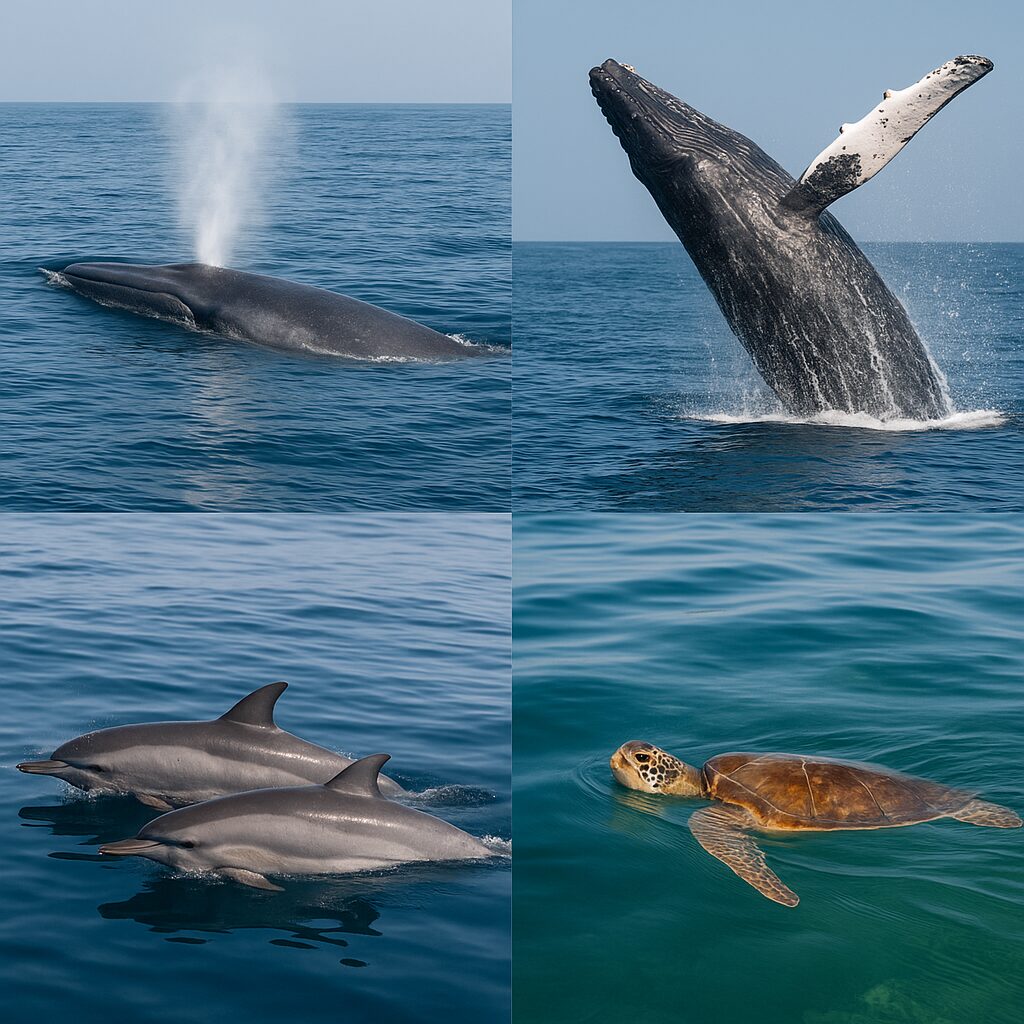
One of the most exciting parts of whale watching in Weligama is the incredible variety of marine life you can encounter. The warm, nutrient-rich waters off Sri Lanka’s south coast attract a remarkable collection of sea giants and playful creatures that thrive in this tropical ecosystem.
The main attraction here is, of course, the blue whale, the largest animal ever known to exist. These gentle giants can reach over 80 feet in length, and when one breaks the surface, you’ll feel the power of the ocean in motion. Weligama’s deep offshore trench provides the perfect feeding ground, giving travelers one of the best chances in the world to spot blue whales in their natural habitat.
Alongside them, sperm whales occasionally pass through the deeper channels. Known for their impressive dives and massive square heads, these whales are often seen in pairs or small groups. Bryde’s whales also make appearances — smaller, sleek, and fast-moving compared to the blues, but equally fascinating to watch.
Whale watching Weligama isn’t limited to whales alone. The region is home to spinner dolphins, known for their joyful leaps beside tour boats, and bottlenose dolphins, which often follow the surf line playfully. If you’re lucky, you might also glimpse sea turtles, flying fish, and even orca pods during rare sightings.
Each trip brings its own surprises — no two mornings are alike on the Weligama coast. It’s this element of unpredictability, guided by nature’s rhythm, that keeps travelers coming back for more.
Popular Whale Watching Tour Operators in Weligama
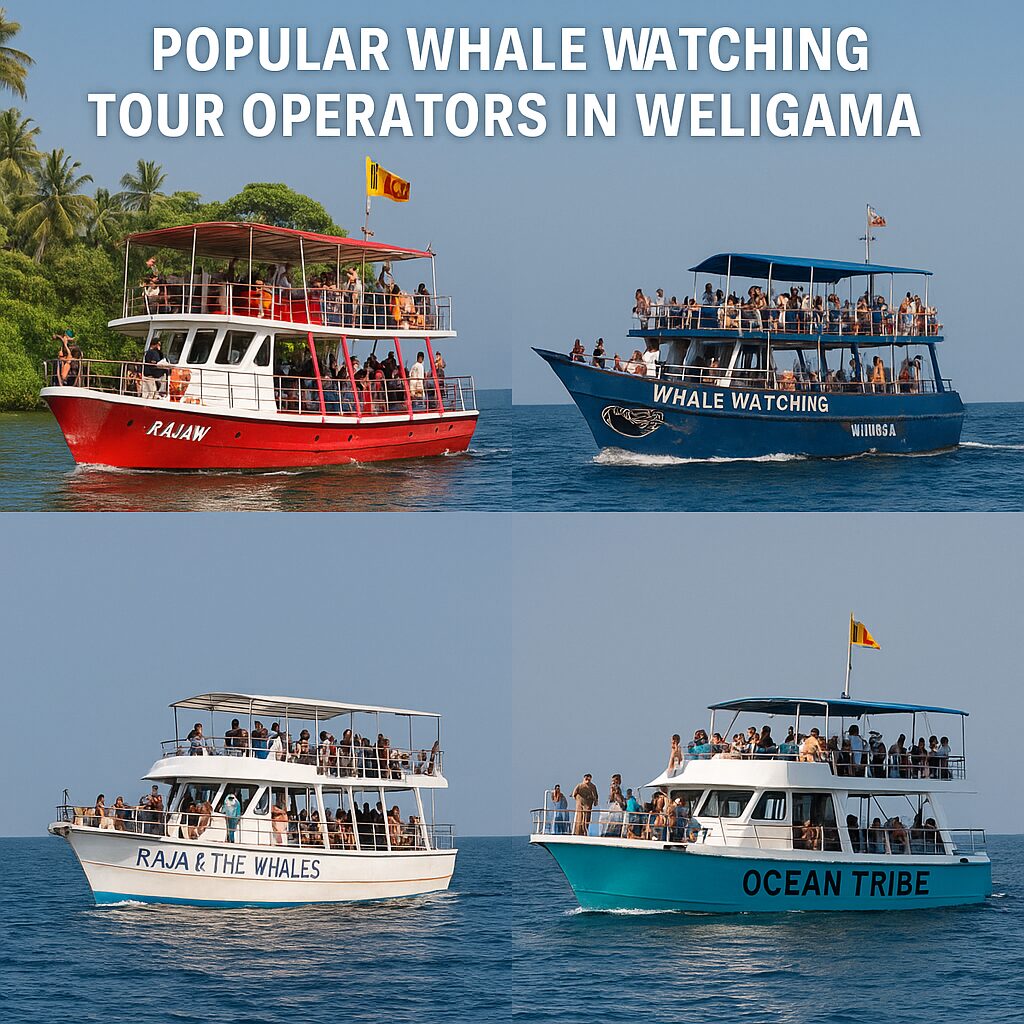
The success of whale watching in Weligama depends not only on timing but also on choosing the right tour operator. Most tours depart early in the morning, usually between 6:00 and 7:00 a.m., and last about three to four hours. The best operators combine safety, comfort, and respect for marine life — ensuring you enjoy the experience responsibly.
1. Weligama Bay Whale Watching
A long-standing favorite among travelers, this local company is known for its friendly crew and experienced guides. Their smaller boats allow closer yet respectful encounters with whales, and guests appreciate the knowledgeable commentary about marine conservation. They also provide life jackets, light snacks, and bottled water on every trip.
2. Sail Lanka Charter
For those who prefer a more luxurious experience, Sail Lanka offers catamaran tours from Weligama Bay. These eco-friendly sailing trips provide panoramic views of the coastline, with a chance to see whales and dolphins in comfort. The onboard breakfast and shaded decks make it ideal for families or couples seeking a relaxed day at sea.
Fantastic crew and a beautiful ship. Delicious sails and many animals seen. The cook managed to put delicious dishes on the table. We were lucky that we were only 5 people.
See more reviews on Tripadvisor
3. Raja & the Whales (Mirissa-based, operates in Weligama waters)
Although based in nearby Mirissa, this operator frequently conducts tours covering Weligama’s whale routes. They’re one of the most reputable names in southern Sri Lanka’s whale-watching scene, recognized for their ethical practices and scientific collaborations in marine research.
Fantastic day, staff were knowledgeable and kept everyone informed. Great and copious amounts of food throughout. We saw lots of spinner dolphins and a sperm whale . Highly recommend
See more reviews on Tripadvisor
4. Ocean Tribe Weligama
This newer operator attracts younger travelers and surfers who want to blend adventure with eco-awareness. They promote “no chase” policies, maintain a respectful distance from the whales, and emphasize sustainable tourism — aligning perfectly with modern responsible travel values.
Before booking any whale watching Weligama tour, always check recent reviews, confirm safety standards, and verify if the operator follows local wildlife regulations. A responsible tour not only ensures an enjoyable trip but also protects the fragile marine ecosystem that makes this experience possible.
What to Expect on a Whale Watching Tour in Weligama
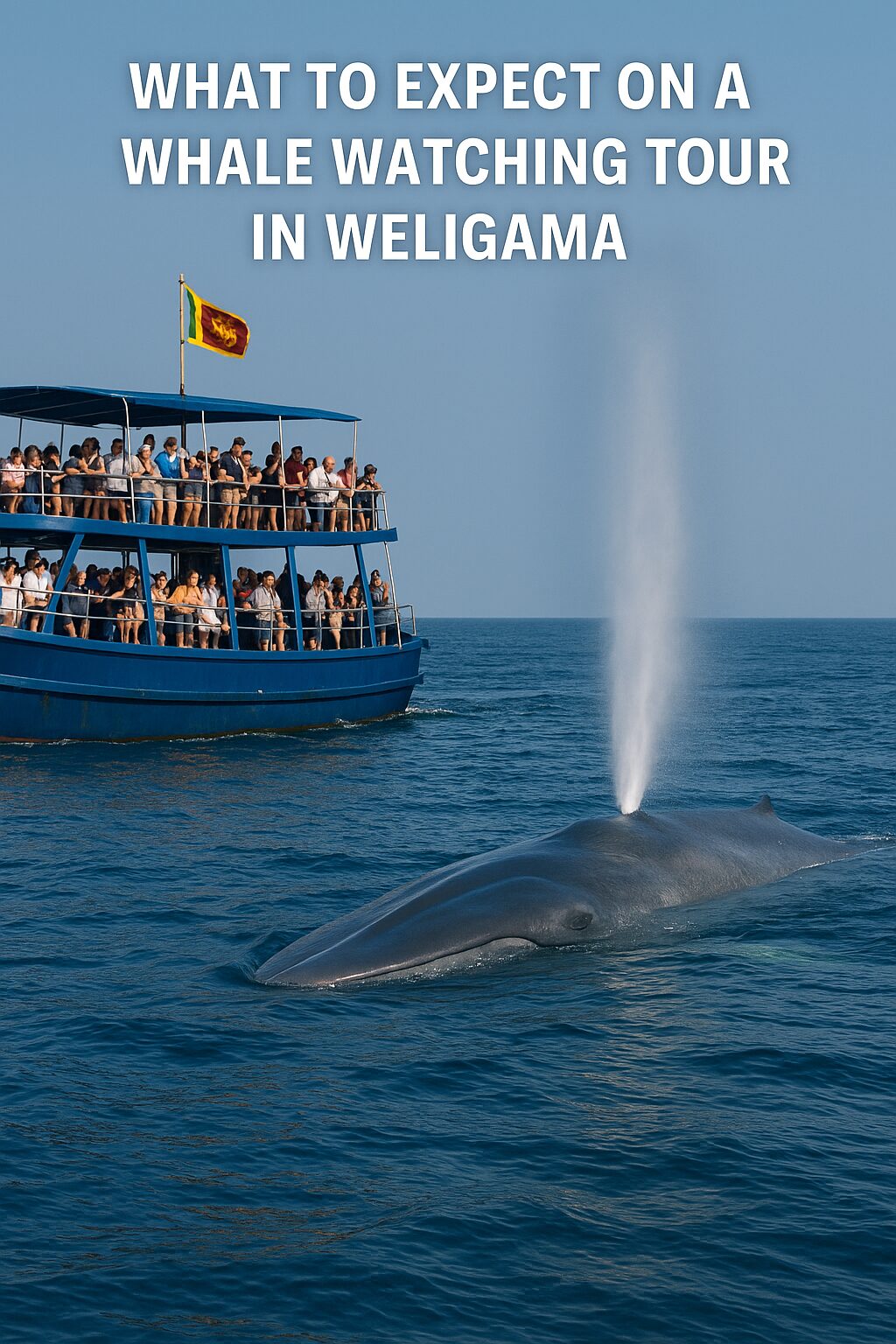
Before sunrise, the quiet bay of Weligama slowly wakes up. Fishermen prepare their nets while tour boats line up along the pier, ready for another day on the open sea. If this is your first time joining a whale watching Weligama trip, expect an early start — most tours begin around 6:00 a.m., when the ocean is calm and the whales are most active near the surface.
Once aboard, guides usually provide a short safety briefing and explain what to watch for. The boats then glide past the headlands, and within thirty to forty minutes, you’ll be in deep water where blue whales are often seen. It’s common to spend two to three hours scanning the horizon, waiting for the telltale spray of mist that signals a whale’s blowhole.
When a whale appears, there’s a shared sense of awe. Engines quiet down, cameras click, and everyone holds their breath as the giant slowly breaks the surface. Some tours also encounter pods of spinner dolphins leaping alongside the boat, making the journey even more memorable.
Back on shore, most operators serve tea or coconut water, letting guests unwind and share stories about what they’ve seen. Seas can be choppy at times, so motion-sickness tablets are worth carrying, and wearing light clothing with sun protection is highly recommended. Even if you don’t see whales on every trip, the open-sea atmosphere and sunrise over Weligama Bay make the experience worthwhile.
Responsible Whale Watching & Conservation Tips
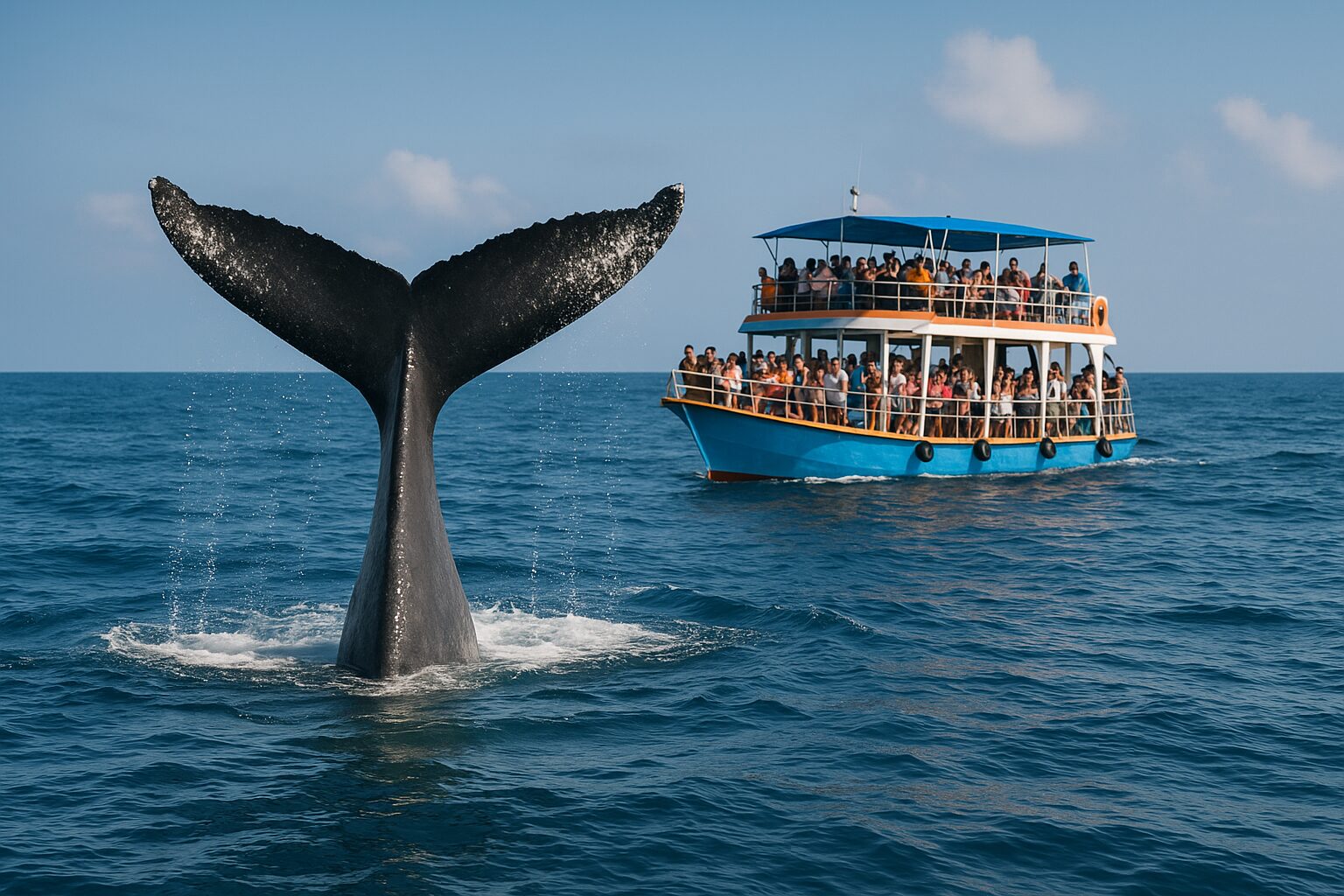
Whale watching in Weligama is an unforgettable adventure, but it also carries a responsibility to protect the incredible creatures that make it possible. The ocean around Weligama is a delicate ecosystem, and even small actions by travelers can make a big difference.
Respect Distance and Silence
When whales are spotted, responsible operators maintain a safe distance — usually at least 100 meters. Engines are slowed or turned off to avoid stress or injury to the animals. Whales rely on sound to navigate and communicate, so keeping noise levels low helps them feel safe in their environment.
Choose Ethical Operators
Before booking, make sure your chosen tour company follows “no chase” and “no overcrowding” policies. The best whale watching Weligama experiences are those that let the whales control the encounter. Avoid tours that rush too close or circle around whales repeatedly for photos.
Avoid Plastic and Waste
Carry a reusable water bottle, avoid disposable food containers, and take all litter back to shore. Even a single plastic wrapper lost at sea can harm marine life. Many local guides appreciate travelers who follow “leave no trace” principles.
Support Local Conservation
Some Weligama-based organizations and marine researchers rely on tourism income to fund whale protection programs. Buying from local eco-friendly shops or donating to marine research initiatives helps keep these projects alive.
By traveling with awareness, you help preserve Weligama’s ocean for future generations — ensuring that these magnificent blue whales continue to visit Sri Lanka’s southern waters year after year.
Practical Tips for Travelers & What to Bring

Whale watching in Weligama is best enjoyed when you’re well-prepared. The tours usually start early and last several hours, so packing smart can make the difference between a good trip and a great one. Here are some simple but essential tips to help you get the most from your adventure.
1. Dress Comfortably for the Sea
Light, breathable clothing works best. Early mornings can feel cool, but once the sun rises, it warms up quickly. A light jacket or shawl helps during the ride out, while a hat and sunglasses protect you from the tropical glare on the return.
2. Bring Sun Protection
Even on cloudy days, the ocean reflects a lot of sunlight. Apply reef-safe sunscreen before boarding to protect both your skin and the marine environment. Avoid sprays that can drift into the water.
3. Carry Motion-Sickness Tablets
The sea can be unpredictable, especially on windy days. If you’re prone to motion sickness, take medication 30 minutes before the boat departs. Most operators also provide ginger tea or natural remedies onboard.
4. Pack Light Snacks and Water
Many tours include basic refreshments, but it’s smart to bring extra water and small snacks like fruit or biscuits. Avoid plastic bottles when possible — a refillable bottle is a better choice.
5. Protect Your Gear
Saltwater spray can easily damage cameras and phones. A waterproof pouch or dry bag will keep your belongings safe while still allowing you to capture that perfect moment when a whale surfaces nearby.
6. Keep Expectations Flexible
Whale watching Weligama is an encounter with nature, not a guaranteed show. Some days bring multiple sightings, while others may offer only glimpses. The magic lies in being patient and appreciating the ocean’s calm rhythm.
A little preparation ensures you can relax, enjoy the journey, and take home memories instead of worries. The key is to travel light, respect the sea, and let the experience unfold naturally.
Where to Stay Near Weligama for Whale Watching
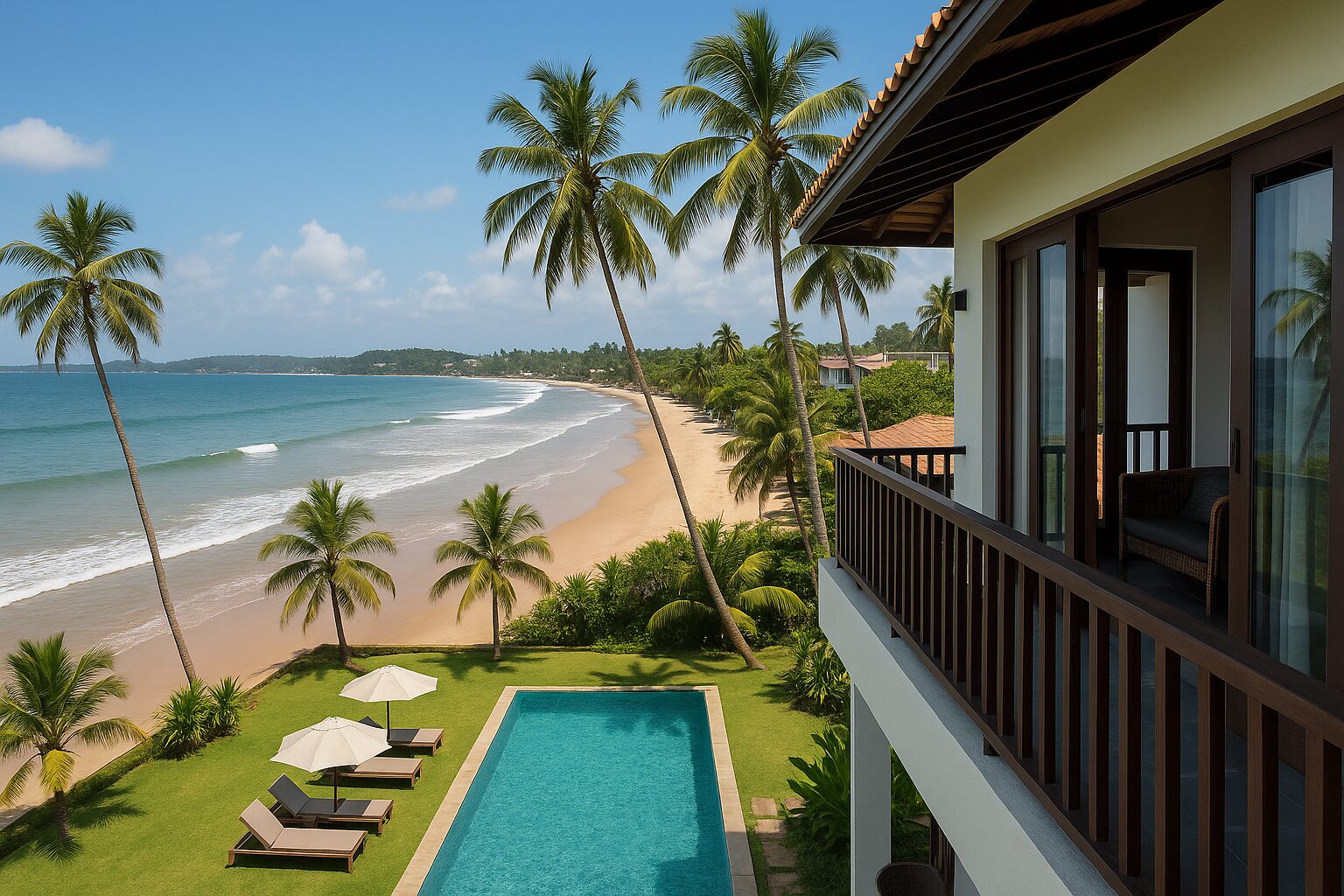
Choosing the right place to stay can make your whale watching in Weligama experience even more enjoyable. Since most tours depart early in the morning, it’s best to book accommodation close to Weligama Bay or the harbor area, where boats usually launch. Looking for accommodation nearby? Explore our Best Hotels and Villas in Weligama to find places within minutes of the harbor.
1. Weligama Bay Marriott Resort & Spa
This popular beachfront hotel combines comfort with convenience. Guests can step directly from their rooms onto the sand, and the marina is just a short walk away. After a morning at sea, unwind at the infinity pool or enjoy fresh seafood at the resort’s restaurant overlooking the bay.
2. Cape Weligama
For travelers seeking luxury, Cape Weligama sits on a clifftop with stunning ocean views. Though slightly outside town, it offers premium service, private pools, and direct access to whale watching tours arranged by the hotel’s concierge. It’s perfect for couples or families looking for a more exclusive stay.
3. Hangtime Hostel
Ideal for backpackers and surfers, Hangtime Hostel offers affordable rooms, a rooftop café, and a vibrant social atmosphere. It’s just minutes from the main beach — a great base for travelers who want to combine surfing lessons with whale watching trips.
4. W15 Weligama
This stylish boutique hotel sits right along the beach and is loved for its relaxed vibe and ocean-facing rooms. Many guests book morning whale tours through the reception and spend afternoons enjoying the hotel’s beachside bar and live music.
Wherever you stay, aim for easy access to the Weligama pier or Bay Beach area. The closer you are to the departure points, the smoother your early morning experience will be. Since whale-watching season coincides with peak tourist months, booking ahead is highly recommended.
Map of Weligama Whale Watching Departure Points
Nearby Attractions & Day Trips After Whale Watching

Once you’ve experienced the magic of whale watching in Weligama, don’t rush away — the southern coast of Sri Lanka offers plenty more to explore. Within a short drive, you’ll find a mix of cultural landmarks, beaches, and natural wonders that complete your coastal journey. Wrap up your whale watching Weligama experience with fresh seafood and sunset views at one of the Best Restaurants & Cafés in Weligama.
1. Mirissa Beach
Just 10 minutes west of Weligama, Mirissa is famous for its crescent-shaped beach and lively cafés. It’s perfect for relaxing after your morning tour or watching another sunset with your feet in the sand. Many travelers combine whale watching from Weligama with an afternoon in Mirissa to enjoy its chilled atmosphere.
2. Galle Fort
About 40 minutes away, the historic Galle Fort is a UNESCO World Heritage Site that blends colonial charm with local life. You can walk along the ramparts, explore art galleries, or enjoy a cup of tea overlooking the ocean. It’s one of the most rewarding day trips from Weligama for history lovers.
3. Midigama and Ahangama
These neighboring surf towns are known for their laid-back vibe and long right-hand breaks. Even if you’re not a surfer, the beachfront cafés and viewpoints are worth a visit. Stop for lunch or a swim on your way back from whale watching tours.
4. Handunugoda Tea Estate
Located inland near Ahangama, this family-run estate produces the world-famous Virgin White Tea. Visitors can tour the plantation, learn about tea production, and enjoy a tasting session under shady trees. It’s a peaceful contrast to the sea-spray adventures of the morning.
5. Snake Farm and Koggala Lake
For nature enthusiasts, a short drive north takes you to Koggala Lake, home to mangrove islands and traditional fishermen. Nearby, the local snake farm offers educational encounters that support conservation and safety awareness in rural areas.
After a day on the water, these side trips show another side of the southern coast — one filled with history, flavor, and quiet moments that balance the thrill of the ocean. After your morning at sea, enjoy another ocean thrill with our Surfing in Weligama Guide — perfect for beginners and pros alike.
After a morning spotting whales offshore, unwind on land by visiting some of Weligama’s secret beaches, where calm lagoons and golden sands make the perfect post-tour retreat.
Final Thoughts

Whale watching in Weligama is more than just a tour — it’s a moment where nature and travel meet in perfect harmony. Watching a blue whale rise from the ocean’s surface, surrounded by the soft morning light, stays in your memory long after you’ve left the bay. It’s an experience that connects you deeply with Sri Lanka’s southern sea and reminds you how vast and alive the world truly is.
What makes Weligama special is its gentle rhythm. The town doesn’t rush; it flows with the tides. Between your time on the water, the coastal cafés, and the friendly smiles of locals, you’ll discover that every part of this small town holds something genuine. Each sunrise feels like an invitation to see the ocean again — to witness the quiet beauty of life beneath the waves.
Whether you come for adventure, photography, or simple wonder, this corner of Sri Lanka offers it all. And when your boat returns to shore and the ocean spray fades, you’ll realize that whale watching in Weligama isn’t just about seeing whales — it’s about feeling part of something greater, something that belongs to both nature and you.
Many travelers choose to stay in luxury villas in Weligama with ocean views to enjoy premium comfort before or after their whale-watching adventure — combining oceanfront serenity with easy access to the harbor. If you’re planning more than a whale watching trip, explore our full list of Top Things to Do in Weligama Beyond the Beach, covering hidden temples, local markets, and authentic cultural experiences around the town.
Frequently Asked Questions About Whale Watching in Weligama
1️⃣ General Questions
Yes, Weligama is one of the best whale-watching spots on Sri Lanka’s south coast. Its calm bay, deep offshore waters, and convenient access make it ideal for seeing blue whales, dolphins, and sometimes sperm whales.
Most tours begin between 6:00 and 7:00 a.m., when the sea is calm and whales are often near the surface. Early mornings offer the best visibility and photo opportunities.
Trips usually last three to four hours, depending on weather and whale activity. Some operators extend the tour if there are multiple sightings.
2️⃣ Best Season and Conditions
The best season runs from November to April, during the calm, dry months on Sri Lanka’s south coast. You’ll have the highest chance of spotting whales and enjoying smooth sailing.
Tours are limited between May and October due to the southwest monsoon. Sea conditions can be rough, so it’s best to plan your visit during the main season.
3️⃣ Tour and Booking Tips
Prices range from $25 to $60 per person, depending on the operator, boat type, and included amenities such as breakfast or snacks.
Yes, especially during December and January. Early booking ensures you get a reputable tour and avoid overcrowded boats.
Bring sunscreen, a hat, a camera, motion-sickness tablets, and a reusable water bottle. Light clothing and a small towel are also useful for sea spray.
4️⃣ Wildlife & Safety
You can often spot blue whales, sperm whales, and Bryde’s whales, along with spinner dolphins and bottlenose dolphins. Occasionally, sea turtles and flying fish appear too.
Yes, most operators follow strict safety guidelines. Always choose licensed companies with life jackets, radios, and trained guides on board.
When done responsibly, no. Ethical operators maintain safe distances, avoid loud noises, and never chase whales — allowing them to behave naturally.


